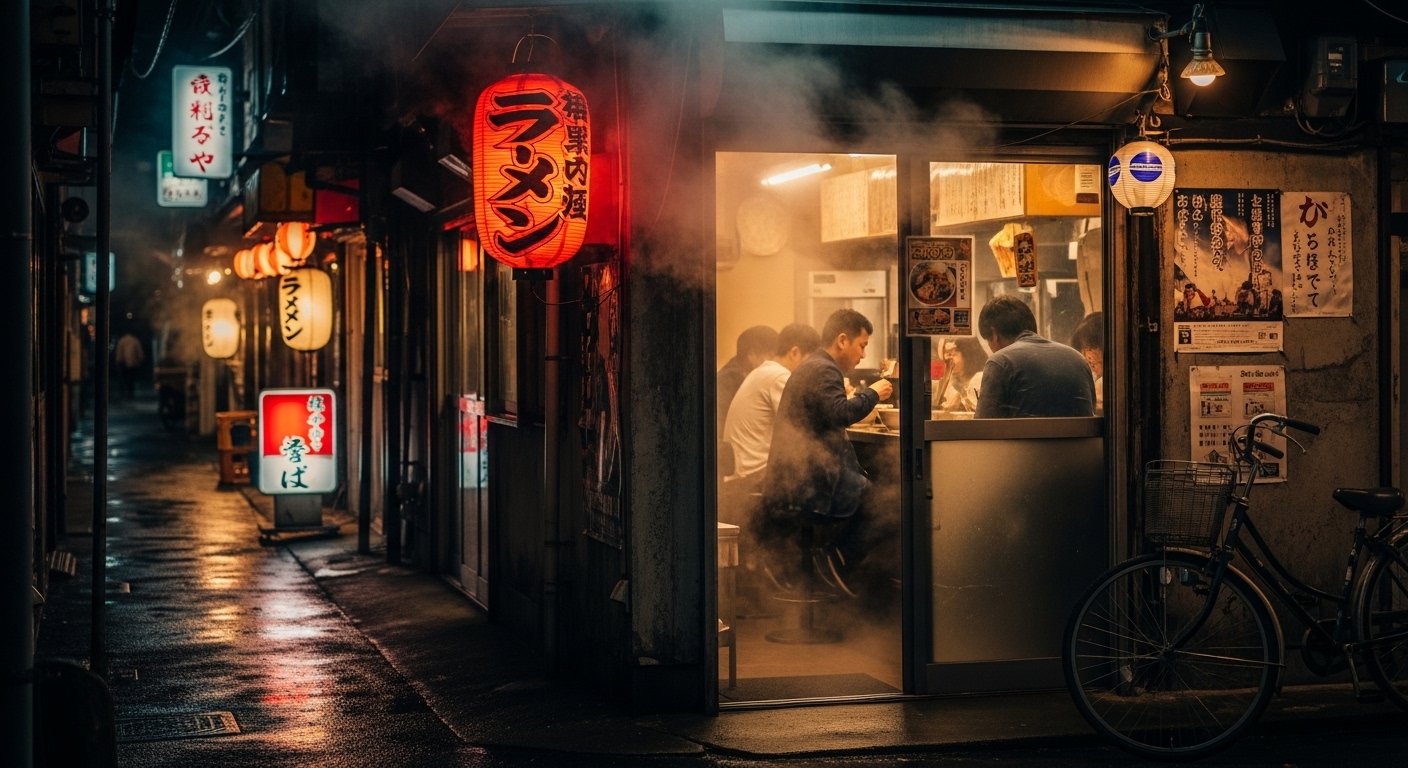
*Images used in this article are for illustration only. They may not be directly related to the content.
Japan Dinner January 4: Finding Open, Warm, and Budget-Friendly Meals Post-New Year
You’ve navigated the New Year’s rush, and now it’s January 4th in Japan. You’re cold, hungry, and seeking a warm, affordable dinner. However, finding an open restaurant can feel like a game of chance. Many businesses, especially smaller, independent establishments, are still closed or operating with limited hours as they recover from the holiday period. The desire for a comforting meal is strong, but the uncertainty of closures and potential language barriers can add friction to your evening plans.
This guide is your practical resource for securing a satisfying dinner on January 4th. We cut through the confusion, offering reliable, proven strategies and specific types of eateries that are most likely to be open, warm, and wallet-friendly. Expect clear recommendations, essential Japanese phrases, and tools to help you confirm dining options with confidence. Let’s find you a great meal without the stress.
Table of Contents
- The January 4th Challenge: Navigating Post-New Year Closures
- Your Reliable Go-To Options for January 4th Dinner
- How to Confirm Opening Hours on January 4th
- 🇯🇵 Point & Speak: Essential Japanese Phrases for Dining
- 💰 Price Breakdown: What to Expect for Dinner
- 🎯 Local Pro-Tips for a Smooth January 4th Dinner
- 📋 Quick Reference Card: Your January 4th Dining Cheat Sheet
- Common Mistakes to Avoid on January 4th
- Frequently Asked Questions
- Conclusion
- Disclaimer
The January 4th Challenge: Navigating Post-New Year Closures
While Japan’s New Year holidays officially run from January 1st to 3rd, the effects often spill over into January 4th. This specific day is a transition point. Many smaller, independently owned restaurants and specialty shops across the country may still be closed, using this extra day to prepare for the full reopening of business from January 5th. This can lead to frustration for international visitors expecting a full range of dining options.
Beyond closures, late-night dining can be particularly difficult to secure. Many establishments that do reopen might revert to slightly shorter holiday hours, closing earlier than their usual schedule. When combined with the desire for warm, hearty, and budget-friendly meals on a cold winter evening, and the potential for a language barrier to inquire about hours or menus, January 4th can present a unique set of dining challenges.
Your goal is a simple, satisfying dinner, but the landscape is often less straightforward. Knowing which types of establishments are most likely to be open and prepared for visitors is key to a frictionless experience. We’ve compiled the most reliable categories to ensure you don’t go hungry.
Your Reliable Go-To Options for January 4th Dinner
When most of Japan is slowly returning to business, certain establishments stand out as beacons of dependable service. These are your safest bets for a warm, late, and affordable dinner on January 4th.
Convenience Stores (Konbini): Your 24/7 Warm Meal Haven
Fact: Convenience stores like 7-Eleven, FamilyMart, and Lawson are almost universally open 24/7 nationwide, even on January 4th. They are a highly reliable source for warm and budget-friendly meals.
Konbini are more than just shops; they are lifelines in Japan. For a quick, warm, and incredibly affordable meal, they are unparalleled. You can find a surprising variety of options:
- Oden: A Japanese classic, especially popular in winter. Various ingredients like daikon (radish), boiled eggs, fish cakes, and tofu are simmered in a savory dashi broth. It’s comforting, hot, and you can pick and choose your favorites.
- Microwaveable Bentos: A vast selection of pre-packaged meals, including curry rice, pasta, donburi bowls, and various set meals. Most stores have a microwave available for customer use, or staff will warm it for you upon request.
- Hot Fried Items: Near the register, you’ll often find a heated display with items like karaage (fried chicken), korokke (croquettes), and other hot snacks.
- Instant Noodles & Soup: An extensive selection of instant ramen and cup soups that only require hot water, readily available in-store.
- Drinks: Hot and cold beverages, including coffee, tea, and even sake or beer.
Visual Cue: Brightly lit stores with prominent chain logos (7-Eleven: orange/green/red; FamilyMart: blue/green; Lawson: blue/white). Look for a heated counter near the register displaying Oden simmering in broth.
Cost: Typically ¥300-¥800 for a full meal.
Gyudon Chains: Quick, Hot, and Budget-Friendly Bowls
Fact: Gyudon (beef bowl) chains such as Sukiya, Yoshinoya, and Matsuya are typically open 24/7 nationwide on January 4th. They offer quick, warm, and highly affordable meals.
These fast-casual restaurants specialize in gyudon – a bowl of rice topped with thinly sliced beef and onions simmered in a sweet and savory sauce. They are designed for efficiency and value. Beyond gyudon, they often serve:
- Donburi: Other rice bowls like pork bowl (butadon), chicken & egg bowl (oyakodon), or curry rice.
- Set Meals: Many offer set meals that include miso soup and a small side dish.
- Side Dishes: Options like raw egg, grated yam, kimchi, or salads to customize your meal.
Many locations have touch-screen ordering systems with English language options, making the process straightforward even without Japanese language skills. They are quick, efficient, and provide a consistently warm and hearty meal.
Visual Cue: Large, often red or orange signs. Sukiya (red), Yoshinoya (orange), Matsuya (yellow/blue). Many feature prominent plastic food displays (shokuhin sample) outside and/or ticket vending machines inside.
Cost: Typically ¥400-¥1000 for a meal.

Family Restaurants (Famiresu): Diverse Menus, Comfort & Space
Fact: Family restaurants like Gusto, Saizeriya, Denny’s, and Jonathan’s are highly likely to be open on January 4th, often with extended hours (until 10 PM – 2 AM, some 24h).
Family restaurants, or “famiresu,” offer a more relaxed dining experience than fast food, with a wider variety of menu items catering to different tastes. They are excellent choices for a comfortable, warm dinner and are generally foreigner-friendly due to their extensive picture menus and English options.
- Diverse Cuisine: Menus often blend Japanese comfort food (e.g., hamburger steaks, curry rice, pasta) with Western-style dishes.
- Comfortable Environment: Expect booths, tables, and a generally spacious atmosphere suitable for lingering.
- Drink Bars: Many offer all-you-can-drink soda and hot beverage bars for an additional fee, perfect for warming up.
Famiresu are a great option if you’re looking for something beyond a quick bowl or convenience store fare, providing a good balance of variety, comfort, and affordability.
Visual Cue: Often standalone buildings or prominent spots in commercial centers. Logos like Gusto (blue/white/orange) or Saizeriya (red/white). Menus often have numerous pictures.
Cost: Typically ¥700-¥1500 per person.

Major Fast Food Chains: Familiar & Dependable
Fact: Major fast food chains such as McDonald’s, Mos Burger, KFC, and Lotteria generally operate normally or with slightly reduced hours on January 4th.
While perhaps not the most “Japanese” dining experience, global and local fast food chains offer familiar and reliably open options. If you’re looking for something quick and warm without any surprises, these are a safe bet.
- Familiar Menus: International brands offer menus largely similar to what you’d find in your home country, along with some Japan-exclusive items.
- Warm Options: Burgers, fried chicken, and hot drinks provide warmth. Mos Burger, in particular, is known for its higher quality and often features unique, seasonal Japanese options.
- Language Support: Many have English menus or staff accustomed to serving international customers.
Cost: Typically ¥500-¥1000 for a meal.

How to Confirm Opening Hours on January 4th
Even with reliable categories, it’s always best practice to confirm specific operating hours. January 4th remains a dynamic day, and individual store decisions can vary. Here’s how to do it efficiently.
Leveraging Digital Tools
The most effective way to verify if a restaurant is open and its specific hours is by using digital resources:
-
Google Maps (maps.google.com): This is your primary tool. Many businesses update their holiday schedules, and Google Maps often reflects this in real-time.
- Filter for “Open Now”: Search for restaurants, then use the “Open Now” filter to see current operating businesses.
- Check Specific Store Pages: Click on individual restaurant listings. Look for specific holiday notices (“年末年始の営業時間” – Nenmatsu Nenshi no Eigyō Jikan – Year-end and New Year Business Hours) or a direct mention of their January 4th schedule.
- Official Websites for Major Chain Restaurants: For the chains mentioned above (Sukiya, Gusto, 7-Eleven Japan), check their official Japanese websites. They often have dedicated pages or news sections detailing holiday operating hours. Many have English versions or at least clear numerical schedules. (e.g., www.sukiya.jp/en/)
- Tabelog / Gurunavi (tabelog.com/en/): These Japanese restaurant review sites can be useful. While primarily in Japanese, many listings include holiday hour notices. Use Google Translate’s page translation feature if needed. Look for “営業時間” (eigyō jikan – business hours) and any mentions of “年末年始” (nenmatsu nenshi – year-end/New Year).

Visual Cues: What to Look For
When approaching a restaurant, specific signs can quickly tell you its status:
- 「24時間営業」 (24-jikan eigyou): This sign clearly indicates “24-hour operation.” If you see this, it’s highly likely to be open.
- 「営業中」 (Eigyōchū): Means “Open for business.” This is a straightforward confirmation.
- 「本日休業」 (Honjitsu kyūgyō): Means “Closed today.” If you see this, move on.
- 「年末年始休み」 (Nenmatsu Nenshi Yasumi): Means “New Year’s holiday closure.” This sign might still be displayed on January 4th, indicating the business is still observing the holiday.

🇯🇵 Point & Speak: Essential Japanese Phrases for Dining
If you’re unsure or need to ask, show this section to staff. They can read the Japanese.
English: Excuse me, is this restaurant open today?
すみません、こちらのお店は本日開いていますか?
(Sumimasen, kochira no omise wa honjitsu aite imasu ka?)
English: Do you have any warm food/meals?
温かいお料理はありますか?
(Atatakai o-ryōri wa arimasu ka?)
English: Is it open late at night?
夜遅くまで開いていますか?
(Yoru osoku made aite imasu ka?)
English: Can you recommend something budget-friendly?
リーズナブルでおすすめのものはありますか?
(Ri-zunaburu de o-susume no mono wa arimasu ka?)
English: One person (for seating)
一人です
(Hitori desu)
💰 Price Breakdown: What to Expect for Dinner
Budget is often a key consideration, especially when travel costs add up. Here’s an estimate of what you can expect to pay for a satisfying dinner at our recommended options on January 4th.
💰 Price Breakdown
| Establishment Type | Estimated Cost Per Person (Dinner) |
| Convenience Store (Konbini) | ¥300 – ¥800 |
| Gyudon Chains (Sukiya, Yoshinoya) | ¥400 – ¥1,000 |
| Major Fast Food (McDonald’s, Mos Burger) | ¥500 – ¥1,000 |
| Family Restaurants (Gusto, Saizeriya) | ¥700 – ¥1,500 |
Prices verified as of November 2024. These are approximate costs for a single meal, excluding alcoholic beverages.
🎯 Local Pro-Tips for a Smooth January 4th Dinner
Beyond knowing where to go, a few insider tips can make your January 4th dining experience even smoother.
🎯 Local Pro-Tip: Focus your search around major train stations or well-known tourist hubs. Areas like Shinjuku, Shibuya, Umeda, or Hakata are more likely to have a higher concentration of open chain restaurants and convenience stores, even during holidays. Smaller, residential neighborhoods will have fewer options.
- Have a Backup Plan: Always identify a nearby convenience store or another chain restaurant as a fallback. If your first choice is unexpectedly closed, you won’t be left scrambling.
- Utilize Translation Apps: Google Translate’s camera function is invaluable for deciphering signs and Japanese menus. Point your phone, and it provides an instant translation.
- Cash is King (or at least useful): While major chains accept credit cards and IC cards (like Suica/Pasmo), it’s always wise to carry some cash (¥1,000-¥3,000) for vending machines, smaller purchases, or in case a card reader is down.
- Consider Food Delivery Apps: Services like Uber Eats or Demae-can might be operational, though options could be limited and delivery times longer due to holiday staffing. Check their apps for availability in your area. This is a good option if you’re staying in and don’t want to venture out.
- Be Patient and Polite: Staff may be busy, especially in the days surrounding New Year’s. A little patience and a polite demeanor (“Sumimasen,” “Arigatou gozaimasu”) go a long way.

📋 Quick Reference Card: Your January 4th Dining Cheat Sheet
Screenshot or print this section for easy access – your essential guide for a smooth dinner on January 4th.
📋 Quick Reference Card: January 4th Dinner
Screenshot or print this section for easy access:
- ✅ Most Reliable Options: Convenience Stores (7-Eleven, FamilyMart, Lawson), Gyudon Chains (Sukiya, Yoshinoya, Matsuya), Family Restaurants (Gusto, Saizeriya), Major Fast Food.
- ✅ Best Tool for Checking Hours: Google Maps (“Open Now” filter).
- ✅ Look for These Signs: 「24時間営業」 (24h), 「営業中」 (Open). Avoid 「本日休業」 (Closed Today), 「年末年始休み」 (Holiday Closure).
- ✅ Key Japanese Phrase: 「すみません、こちらのお店は本日開いていますか?」 (Excuse me, is this restaurant open today?)
- ✅ Aim for Warm Meals: Oden, Gyudon, Ramen, Curry Rice, Hot Bentos.
- ✅ Budget Range: ¥300 – ¥1,500 per person.
Common Mistakes to Avoid on January 4th
Being aware of common pitfalls can save you time and frustration when looking for dinner post-New Year’s.
- Assuming All Restaurants Are Open: The biggest mistake is expecting normal operations. January 4th is still impacted by the New Year’s holiday, especially for smaller businesses.
- Not Checking Hours in Advance: Relying solely on a restaurant’s regular hours displayed on its storefront or Google Maps (if not explicitly updated for holidays) can lead to disappointment. Always double-check holiday schedules if possible.
- Only Targeting Niche or Independent Shops: While charming, these are the most likely to be closed. Prioritize chain restaurants for reliability on this specific day.
- Neglecting Convenience Stores as a Primary Option: Many visitors view konbini as a last resort. On January 4th, they should be considered a strong primary option, especially for budget and warmth.
- Not Having a Data Plan or Wi-Fi: Without internet access, you lose the ability to use Google Maps for real-time checks, significantly increasing the difficulty of finding an open place.
- Waiting Too Late to Look: While some places are 24/7, others might close earlier than usual. Start looking or confirm your dinner plans by early evening to avoid limited options.
Frequently Asked Questions
Why are so many restaurants closed on January 4th in Japan?
January 4th is a transitional day following Japan’s major New Year’s holidays (January 1st-3rd). Many smaller, independently owned businesses, and even some larger ones, use this day to rest, conduct inventory, or prepare for the full return to business from January 5th. It’s not an official public holiday, but it’s widely recognized as part of the extended holiday period for many.
Can I find vegetarian or vegan options on January 4th?
Finding dedicated vegetarian/vegan restaurants might be challenging if they are smaller establishments. However, the recommended chain options often have some plant-based choices. Convenience stores offer various salads, fruits, and sometimes specific vegan instant noodles. Family restaurants usually have salads or pasta dishes without meat, but always confirm ingredients using translation apps. It requires careful selection and inquiry. For instance, while Gyudon is meat-based, some chains offer curry rice or side dishes that may be vegetarian. Always ask “これに肉(にく)は入っていますか?” (Kore ni niku wa haitte imasu ka? – Does this contain meat?) or “これは菜食主義者(さいしょくしゅぎしゃ)向けですか?” (Kore wa saishokushugisha-muke desu ka? – Is this suitable for vegetarians?).
Are food delivery apps like Uber Eats reliable on January 4th?
Food delivery apps like Uber Eats or Demae-can can be an option on January 4th, but their reliability may vary. Fewer restaurants might be available, and delivery times could be longer due to reduced staffing. It’s best to check the app directly for your specific location to see what’s open and available at your desired time. Have a backup plan in case delivery is not feasible.
What’s the latest I can expect to find dinner on January 4th?
For convenience stores and gyudon chains (Sukiya, Yoshinoya, Matsuya), you can generally find warm food 24 hours a day, even on January 4th. Family restaurants might be open until 10 PM to 2 AM. Other fast food chains typically follow slightly reduced but still late hours (e.g., until 10 PM – midnight). It’s always best to aim for dinner between 6 PM and 9 PM for the widest selection. If eating later, prioritize the 24-hour establishments.
Conclusion
Navigating Japan’s dining scene on January 4th, post-New Year’s holiday, presents unique challenges, but it is far from impossible. By understanding which types of establishments remain reliably open—convenience stores, gyudon chains, family restaurants, and major fast-food outlets—you can confidently find a warm, hearty, and budget-friendly meal. Utilize digital tools like Google Maps, keep an eye out for key visual cues, and arm yourself with essential Japanese phrases.
With this practical guidance, you can remove the friction from your search for dinner and enjoy the final days of your winter trip without unnecessary stress. Enjoy your meal in Japan!
Disclaimer
While this guide provides verified information and reliable strategies based on typical operating patterns and historical trends, specific opening hours for individual establishments can change without prior notice, especially during holiday periods. Always verify current operating hours using Google Maps or official websites before making your plans. Prices are estimates and may vary by location and time.