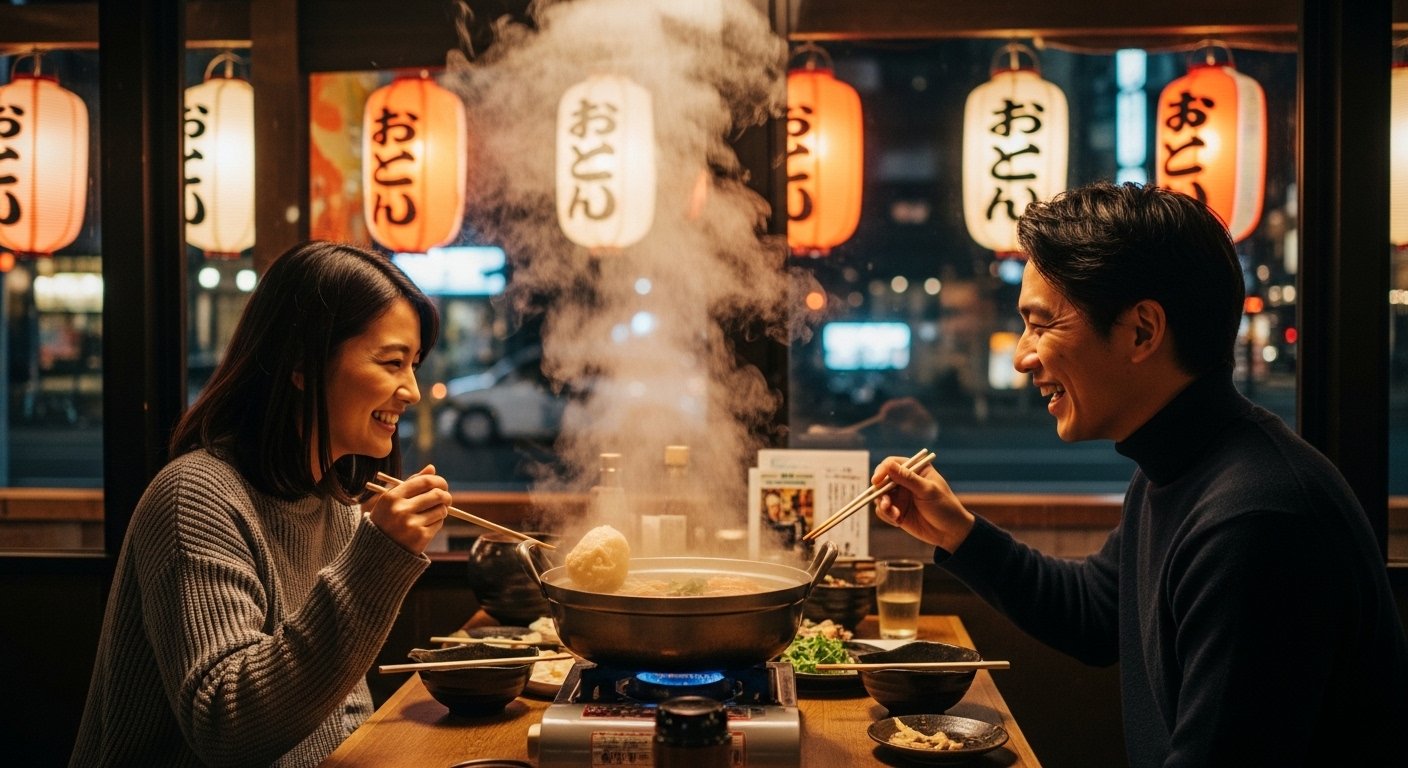
*Images used in this article are for illustration only. They may not be directly related to the content.
Finding Breakfast During New Year’s in Japan: Konbini Hacks & Traditional Bites for Oshogatsu
Planning a trip to Japan over the New Year’s holiday (Oshogatsu)? You’re in for a unique cultural experience. However, if you’re concerned about finding a reliable breakfast during a period when many businesses close, you’re right to anticipate a challenge. Many travelers face the frustration of widespread restaurant and cafe closures, leaving them wondering where their first meal of the day will come from.
This guide removes that friction. We’ll equip you with practical strategies to secure quick, affordable, and accessible breakfast options, from navigating the ubiquitous convenience stores (konbini) to understanding how to glimpse traditional New Year’s bites. You’ll learn exactly how to eat well, even when Japan is in holiday mode.
Table of Contents
- The New Year’s Breakfast Challenge: Why Eating Out is Difficult
- Your 24/7 Lifeline: The Japanese Convenience Store (Konbini)
- Embracing Oshogatsu Traditions: A Tourist’s Approach to Osechi & Ozoni
- 🇯🇵 Point & Speak: Essential Phrases for Your New Year’s Breakfast
- 💰 Price Breakdown: Budgeting Your Konbini Breakfast
- 📋 Quick Reference Card: Your Holiday Breakfast Cheat Sheet
- 🎯 Local Pro-Tips for a Smooth Holiday Breakfast
- 🚫 Common Mistakes to Avoid
- Frequently Asked Questions
The New Year’s Breakfast Challenge: Why Eating Out is Difficult
Japan’s New Year’s holiday, or Oshogatsu, is the most significant holiday period of the year. It’s a time for family, reflection, and tradition. This means a substantial number of businesses, particularly independent restaurants, cafes, and even some major retail stores, observe extensive closures.
Widespread Closures and Limited Hours
Expect closures typically from December 30th or 31st through January 3rd or 4th. During this window, finding an open establishment for breakfast can be genuinely difficult, especially outside major train stations or tourist-centric areas. Restaurants that do open might operate on reduced hours, offer limited holiday menus, or charge premium prices.
This situation can be perplexing for international visitors accustomed to major cities always having dining options available. Language barriers further complicate inquiries about specific opening hours or holiday specials. Your typical go-to breakfast spots might simply not exist for a few days.
The Elusive Traditional Oshogatsu Breakfast
Traditional Japanese New Year’s breakfast, featuring elaborate Osechi Ryori and comforting Ozoni soup, is a cornerstone of the holiday. However, these are predominantly homemade or pre-ordered from high-end department stores (depachika) or specialty restaurants. Experiencing a full, authentic traditional meal as a tourist without a local host is challenging. Restaurants serving these items are rare, often require reservations far in advance, and can be quite expensive.
Your 24/7 Lifeline: The Japanese Convenience Store (Konbini)
When most of Japan slows down for New Year’s, the convenience store, or konbini (7-Eleven, FamilyMart, Lawson), remains your steadfast ally. These stores operate 24/7, nationwide, providing consistent access to food and essentials, even during the peak holiday period.
Konbini are clean, well-stocked, and offer a surprising variety of breakfast options. They are the most reliable, affordable, and accessible solution for your New Year’s breakfast needs.

Konbini Breakfast Essentials: Fueling Your Holiday Mornings
Step inside a konbini, and you’ll find a world of choices designed for quick, satisfying meals. Here are your go-to items for breakfast:
- Onigiri (Rice Balls): The quintessential konbini item. These triangular rice balls come in numerous fillings, from salmon and tuna mayonnaise to pickled plum and kombu. They are typically found in refrigerated cases near the entrance.
- Sandwiches: Freshly made daily, Japanese convenience store sandwiches are a cut above. Look for classic egg salad (tamago sando), katsu (pork cutlet), or various vegetable and ham options. Also in refrigerated cases.
- Hot Snacks (Near the Register):
- Karaage (Fried Chicken): Crispy, juicy fried chicken pieces, often served in a cup.
- Nikuman (Steamed Buns): Soft, fluffy buns with savory fillings like pork (nikuman), pizza, or anko (sweet red bean). Especially comforting in winter.
- Oden (Winter Only): A hot pot of various ingredients like daikon radish, eggs, and fish cakes stewed in a dashi broth. Perfect for cold mornings.
- Bakery Items: A wide selection of fresh pastries, sweet buns (like melonpan), and plain bread are available for a quick carb fix.
- Yogurt & Fruit: Individual yogurt cups and pre-cut fresh fruit packs (bananas, apple slices) provide healthier options.
- Coffee & Beverages: Most konbini offer freshly brewed coffee (often self-service from a machine or prepared by staff). There’s also an extensive range of bottled coffees, teas, juices, and milk.
- Instant Noodles & Soups: While not a typical breakfast, instant ramen or miso soup are options, especially if you need something hot and quick. Most stores have hot water dispensers.
Crucially, most konbini staff will heat up any purchased bentos, sandwiches, or other microwaveable items for you. Just ask!

Navigating the Konbini: A Step-by-Step Breakfast Mission
Finding your New Year’s breakfast is a simple process once you know the layout:
- Locate the Konbini: Look for bright, rectangular, uniformly branded storefronts with names like ‘7-Eleven’, ‘FamilyMart’, or ‘Lawson’. They often have distinct color schemes (e.g., 7-Eleven: red/green/orange, FamilyMart: blue/green, Lawson: blue/white). They are ubiquitous in urban areas.
- Head to Refrigerated Aisles: Upon entering, scan for the refrigerated display cases. This is where you’ll find onigiri, sandwiches, salads, and sometimes pre-cut fruit and yogurt.
- Check the Hot Food Counter: Usually located directly by the cash register, this counter displays items like karaage, nikuman, and oden (seasonal).
- Browse the Bakery Section: Often on shelves near the entrance or in a dedicated aisle, you’ll find various sweet and savory baked goods.
- Select Your Beverages: Fridges full of drinks line the walls. Coffee machines are usually near the register.
- Proceed to Checkout: Take your items to the counter.
- Request Heating (if needed): If you have items like a bento or certain sandwiches you’d like warmed, present it to the cashier and use the “Point & Speak” phrase below. They will heat it in their microwave.
- Pay: Most konbini accept cash, IC cards (Suica, Pasmo), and major credit cards.
- Enjoy: Many konbini have a small eat-in area, or you can take your breakfast back to your accommodation.

Embracing Oshogatsu Traditions: A Tourist’s Approach to Osechi & Ozoni
While a full traditional New Year’s breakfast is challenging for visitors, understanding and sampling elements of it can enrich your holiday experience. It requires some advance planning.
What are Osechi Ryori and Ozoni?
Osechi Ryori are traditional Japanese New Year’s foods, served in beautiful multi-tiered lacquer boxes (jubako). Each item is carefully chosen for its symbolic meaning, wishing for health, fertility, good harvest, and prosperity for the coming year. Examples include datemaki (rolled omelet), kuro-mame (black beans), kazunoko (herring roe), and kobumaki (rolled kelp).
Ozoni is a traditional Japanese soup eaten on New Year’s Day. Its ingredients vary significantly by region and household, but it always contains mochi (rice cakes). Common additions include chicken, fish cakes, vegetables like daikon and carrots, and leafy greens, all in a dashi-based broth (often clear or miso-based).

Realistic Expectations for Tourists
As mentioned, finding a restaurant that serves a full Osechi Ryori meal to walk-in tourists during New Year’s is rare. Many are closed, and those that cater to it often require pre-bookings months in advance. Similarly, Ozoni is very much a home-cooked dish.
Don’t expect to easily find a traditional Japanese inn (ryokan) or hotel that provides Osechi or Ozoni as part of a standard breakfast during this peak period without a specific, higher-priced holiday package.
Strategic Shopping for Traditional Flavors
If you wish to sample elements of Osechi or Ozoni, your best bet is strategic pre-holiday shopping:
- Department Store Depachika (Food Halls): On December 30th or 31st, visit the basement food halls of major department stores (e.g., Isetan, Takashimaya, Mitsukoshi). They offer an incredible array of pre-made Osechi components and smaller, individual portions. You can assemble your own “mini-Osechi.” However, these will be closed from January 1st to at least January 2nd or 3rd.
- Supermarkets: Also on December 30th or 31st, larger supermarkets will sell simplified Osechi sets, individual Osechi items, and fresh mochi for Ozoni. Stock up before they close.
- Konbini (Limited Options): While not full Osechi, during late December, some konbini might offer New Year’s-themed snacks or simplified items that echo traditional flavors. Look for mochi-related sweets or special seasonal bentos.
Purchase these items on December 30th or 31st and store them in your hotel room (if you have a fridge) to enjoy on January 1st or 2nd. This is the most practical way to experience these traditional flavors as a visitor.

🇯🇵 Point & Speak
Show this section to staff if you’re stuck. They can read the Japanese.
English: Is it open?
開いていますか?
(Aiteimasu ka?)
English: What are the New Year’s opening hours?
お正月の営業時間を教えてください。
(Oshogatsu no eigyo jikan o oshiete kudasai.)
English: Do you have something hot?
温かいものはありますか?
(Atatakai mono wa arimasu ka?)
English: Please heat this up.
これを温めてください。
(Kore o atatamete kudasai.)
English: One (item), please.
一つください。
(Hitotsu kudasai.)
💰 Price Breakdown: Budgeting Your Konbini Breakfast
| Item | Cost (Approx.) |
| Onigiri (1 piece) | ¥120-250 |
| Sandwich (e.g., Egg Salad) | ¥250-400 |
| Karaage (5 pieces) | ¥220-300 |
| Nikuman (Steamed Bun) | ¥150-200 |
| Freshly Brewed Coffee (Small) | ¥100-180 |
| Yogurt Cup | ¥100-200 |
| Typical Breakfast (e.g., Onigiri, Coffee, Yogurt) | ¥350-600 |
Prices verified as of December 2024. Costs may vary slightly by chain and region.
📋 Quick Reference Card: Your Holiday Breakfast Cheat Sheet
Screenshot or print this section for easy access:
- ✅ Konbini are 24/7: Your most reliable food source (7-Eleven, FamilyMart, Lawson).
- ✅ Top Konbini Breakfasts: Onigiri, sandwiches, hot snacks (karaage, nikuman), fresh coffee.
- ✅ Heat It Up: Ask staff to microwave your items: “Kore o atatamete kudasai.”
- ✅ Traditional Bites: Buy Osechi/mochi from depachika/supermarkets on Dec 30/31.
- ✅ Check Hotel: Confirm if your accommodation offers breakfast during holidays.
- ✅ Budget-Friendly: Konbini meals are typically ¥350-600.
🎯 Local Pro-Tips for a Smooth Holiday Breakfast
🎯 Local Pro-Tip: Check your hotel’s breakfast situation. While many independent restaurants close, some larger hotels and business hotels continue to offer breakfast service, sometimes with a special holiday menu. Confirm their holiday hours and whether reservations are needed. This might be a convenient option if available.
🎯 Local Pro-Tip: Stock up on December 30th or 31st. If you have specific dietary needs or prefer a wider variety than konbini can offer, visit a large supermarket or depachika on these days. Buy enough non-perishable or easily stored items to last you through January 1st to 3rd. Consider things like instant coffee, cereals, bread, or fruits that keep well.
🚫 Common Mistakes to Avoid
- Assuming Normal Operating Hours: The biggest mistake is expecting businesses to operate as they do on regular days. New Year’s is different; prepare for closures.
- Waiting Until January 1st to Shop: If you want traditional items or a wider selection, attempting to find them on New Year’s Day will likely result in disappointment due to closures.
- Underestimating Konbini Offerings: Don’t dismiss the konbini as just a snack stop. They are equipped to provide substantial and satisfying meals.
- Not Checking Hotel Breakfast Options: Some hotels will be open and serving, but checking in advance is crucial to avoid a morning scramble.
- Ignoring Payment Methods: While konbini accept many forms of payment, carrying some cash (Yen) is always advisable for smaller shops or unexpected situations, especially during holidays when cashless systems might encounter glitches.
Frequently Asked Questions
Are all restaurants closed during New Year’s in Japan?
No, but a significant number of independent restaurants, cafes, and smaller shops are closed, typically from December 30th or 31st to January 3rd or 4th. Larger chain restaurants, department store restaurants, and those in major tourist hubs or train stations might have limited hours or be open, but it’s best to confirm individually.
Can I find vegetarian or vegan breakfast options at konbini during New Year’s?
Yes, though selection might be limited. Look for plain onigiri (like those with pickled plum or salted seaweed), some types of bread, yogurt, fresh fruit, and soy milk. Always check ingredient labels carefully if you have strict dietary requirements, as hidden ingredients (like dashi in broth) are common.
Is it rude to eat konbini food in my hotel room?
Not at all. It’s common for travelers and locals alike to eat konbini meals in their hotel rooms, especially when other dining options are scarce. Just be sure to dispose of your trash properly in your room’s waste bin or designated recycling areas.
What’s the best way to get hot water for instant noodles or drinks at a konbini?
Most konbini have a hot water dispenser, usually located near the instant noodle or coffee section. You can use it freely to prepare instant noodles, soup, or to make hot tea or coffee from packets purchased in the store. Just ask a staff member if you can’t locate it: “Oyu wa doko desu ka?” (Where is the hot water?).
Conclusion
Navigating breakfast during Japan’s New Year’s holiday requires practical preparation, but it is far from impossible. By understanding the widespread closures and embracing the reliability of convenience stores, you can ensure your mornings are fueled and stress-free.
Whether you’re grabbing a quick onigiri or strategically planning to sample traditional Osechi, you now have the tools to eat well throughout Oshogatsu. Enjoy your holiday in Japan, knowing your breakfast is secured.
Planning other aspects of your New Year’s trip? Explore our guides on using convenience stores beyond food and Japanese food culture for more insights.
Disclaimer
This guide provides general information based on typical operating patterns in Japan. Holiday closures and business hours can vary by specific establishment and year. Always verify local information closer to your travel dates for the most accurate details.