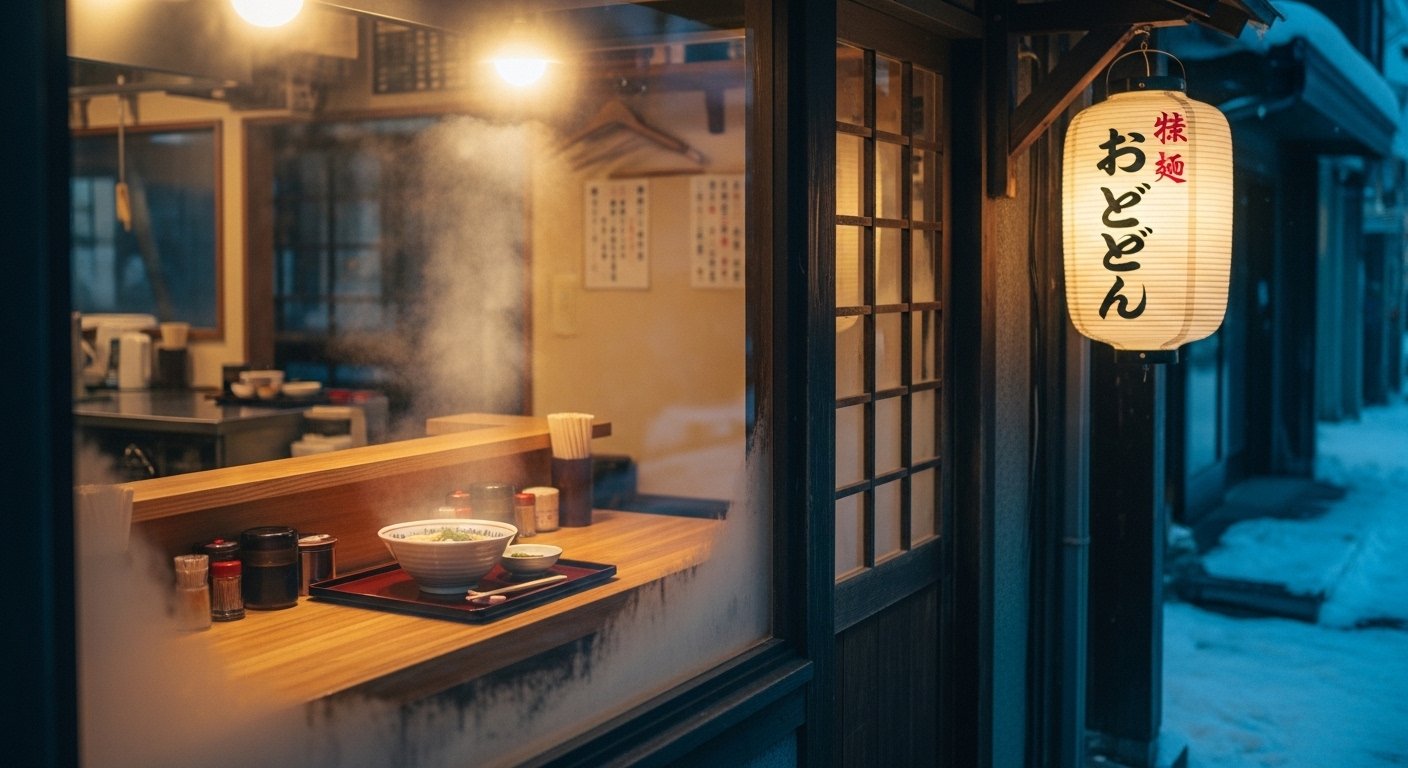
*Images used in this article are for illustration only. They may not be directly related to the content.
Navigating Late-Night Winter Dinners in Japan: Warming Meals & Local Gems for All Diets
Planning your dream trip to Japan often includes visions of delicious, authentic meals. But when the winter chill sets in and the clock ticks past 9 PM, finding a satisfying dinner, especially with specific dietary needs, can quickly turn from exciting to frustrating.
You’ve likely faced the challenge: promising restaurants shuttered early, the struggle to find warming food in the cold, or the anxiety of communicating a gluten allergy in a bustling ramen shop. You want authentic, local experiences, not generic chains. This guide is your practical solution. We’ll equip you with strategies, phrases, and specific restaurant types to ensure your late-night winter dining in Japan is as comforting and frictionless as possible, no matter your diet.
Table of Contents
- The Late-Night Dilemma in Japan
- Warming Winter Dishes to Seek Out
- Strategizing Your Late-Night Dinner Hunt
- 🇯🇵 Point & Speak: Essential Japanese Phrases
- Catering to Specific Dietary Needs After 9 PM
- 💰 Price Breakdown: Late-Night Dining Costs
- 📋 Quick Reference Card: Your Late-Night Dining Checklist
- 🎯 Pro-Tips for a Smooth Experience
- Common Mistakes to Avoid
- Frequently Asked Questions
- Conclusion
- Disclaimer
The Late-Night Dilemma in Japan
You’re not imagining it; finding good dinner options after 9 PM in Japan can be genuinely difficult, especially outside of major metropolitan tourist areas. Many smaller, authentic local restaurants, which offer the best cultural experiences, often close between 8 PM and 9:30 PM. This is common even on weekends.
The cold winter weather amplifies the need for something warming and substantial, not just a quick bite. Compounding this, locating restaurants that cater to specific dietary needs such as vegetarian, gluten-free, or halal late at night adds another layer of complexity. You also want to avoid generic chains, aiming for that authentic local flavor, but the language barrier can make searching for specific food types or accommodations challenging during evening hours.
Warming Winter Dishes to Seek Out
When the temperatures drop, Japan’s culinary scene delivers a range of dishes designed to provide warmth and comfort. These are ideal for your late-night winter meals.
Hearty Hot Pots (Nabe – 鍋)
Nabe is a communal hot pot dish, perfect for sharing and keeping warm. There are numerous variations:
- Motsunabe (もつ鍋): A Fukuoka specialty, this hot pot features beef or pork offal (motsu), cabbage, and chives in a savory broth. It’s rich and very warming.
- Chankonabe (ちゃんこ鍋): Often associated with sumo wrestlers, Chankonabe is a robust hot pot packed with meat (chicken, pork, seafood), vegetables, and tofu, designed to be nutritious and filling.
- Sukiyaki (すき焼き): Thinly sliced beef, vegetables, and tofu simmered in a sweet and savory soy-based broth. Diners typically dip ingredients into a raw egg before eating.
- Shabu-shabu (しゃぶしゃぶ): Similar to Sukiyaki, but ingredients are briefly swished in a lighter broth and then dipped in various sauces (ponzu, sesame).
🎯 Local Pro-Tip: Nabe restaurants often have specific “冬限定メニュー” (Fuyu Gentei Menyū – Winter-Only Menu) signs. These often highlight seasonal ingredients and unique regional hot pots.
Oden (おでん)
Oden is a Japanese winter stew consisting of various ingredients like daikon radish, boiled eggs, fish cakes, konnyaku, and tofu, all simmered in a light dashi broth. It’s a comforting, savory dish found in izakayas, convenience stores, and specialized Oden shops. It’s perfect for a lighter but still warming late-night bite.

Ramen (ラーメン)
A classic late-night staple, especially during winter. Miso or tonkotsu (pork bone) broths are particularly rich and warming. Look for shops with bright neon signs and the character ‘ラーメン’. Many ramen shops operate until midnight or even 24 hours in major city centers.

Udon & Soba (うどん・そば)
Hot noodle soups are always a good option. Udon (thick wheat noodles) and Soba (thin buckwheat noodles) served in a hot broth with various toppings like tempura, aburaage (fried tofu), or mountain vegetables provide quick, satisfying warmth. Look for shops near train stations.

Yakitori (焼き鳥)
Grilled skewers of chicken and vegetables. While not a soup, the hot, freshly grilled skewers paired with a drink can be a surprisingly effective way to warm up, especially in an atmospheric izakaya. Many izakayas specializing in yakitori are open late.

Seasonal Sushi & Sashimi
While not “hot,” winter is considered prime season for sushi and sashimi due to fattier, more flavorful fish. Buri (yellowtail), Maguro (tuna), and seasonal shellfish are especially popular and rich during colder months. Some sushi restaurants in major hubs remain open late. This offers a different kind of authentic late-night experience if you prefer fresh seafood.

Strategizing Your Late-Night Dinner Hunt
Don’t leave your late-night meal to chance. A little preparation and strategic thinking will save you time and frustration.
1. Leverage Location: Station Proximity is Key
Restaurants located within or directly adjacent to major train stations (駅ナカ – eki-naka / エキチカ – eki-chika) often have longer operating hours. These cater to commuters and are reliable late-night options, even outside central districts. If you’re near a main station, check the surrounding blocks first.

2. Identify Late-Night Restaurant Types
Not all restaurants operate late. Focus your search on these common establishments:
- Izakayas (居酒屋): Japanese pubs serving small dishes and drinks. Many stay open until midnight or later. Look for red paper lanterns (提灯 – chochin).
- Ramen Shops (ラーメン屋): As mentioned, a late-night favorite. Bright neon signs with ‘ラーメン’ are a strong indicator.
- Gyudon Chains (牛丼チェーン): Sukiya, Yoshinoya, and Matsuya are prominent chains offering beef bowls. Many are 24-hour or operate very late, providing quick, affordable, and reliable options. They are easily identifiable by their distinct logos and bright lighting.
- Family Restaurants (ファミレス – famiresu): Chains like Denny’s and Gusto offer a Western-style diner experience with a varied menu. Some operate until late evening or 24 hours.

3. Utilize Digital Tools Effectively
Apps are your most powerful allies for filtering by opening hours, food type, and dietary accommodations.
- Google Maps: Search for “restaurants near me” and use the “Open now” filter. You can also search for specific dishes like “ramen” or “nabe.” Check photos and reviews for English menu availability or previous diner feedback on dietary requests.
- Tabelog / Gurunavi: These are comprehensive Japanese restaurant guides. While primarily in Japanese, they often have English interfaces or translate well with browser extensions. They are excellent for filtering by cuisine, location, budget, and specific dietary flags (though these can be less reliable for strict dietary needs).
- HappyCow (Vegetarian/Vegan): Specifically designed for vegetarian and vegan options globally. Crucial for finding dedicated plant-based eateries.
- Halal Gourmet Japan: An invaluable resource for locating halal-certified or Muslim-friendly restaurants.
🎯 Local Pro-Tip: When using Google Maps or other apps, search for “深夜営業” (shin’ya eigyō – late-night business) in the restaurant’s details or reviews. This specifically confirms late operating hours.
4. Pay Attention to Visual Cues
- Red Paper Lanterns (提灯 – chochin): Often indicate an Izakaya or traditional Japanese establishment, many of which are open late.
- Neon Signs with ‘ラーメン’ (ramen) or ‘営業中’ (eigyōchū – open now): Common for late-night ramen shops.
- Food Display Cases (食品サンプル – shokuhin sample): Outside restaurants, these plastic food models help identify dishes and portion sizes, invaluable when facing a language barrier. Pointing is a universal language.
- ‘深夜営業’ (shin’ya eigyō): Look for this phrase on restaurant doors or signs, indicating late-night service.
- Chain Logos: Learn to recognize the logos of Sukiya, Yoshinoya, Matsuya (Gyudon), or Gusto, Denny’s (Family Restaurants). They are often brightly lit and signal 24-hour or very late operations.

🇯🇵 Point & Speak: Essential Japanese Phrases
Communicating your needs clearly is paramount. Print or screenshot this section. Show it to staff if you encounter a language barrier. They can read the Japanese.
🇯🇵 Point & Speak
Show this section to staff if you’re stuck. They can read the Japanese.
English: Is this restaurant open?
このお店は開いていますか?
(Kono omise wa aite imasu ka?)
English: What time do you close?
何時までですか?
(Nanji made desu ka?)
English: Do you have vegetarian options?
ベジタリアンメニューはありますか?
(Bejitarian menyū wa arimasu ka?)
English: I cannot eat meat/fish/dashi.
肉・魚・出汁は食べられません。
(Niku / Sakana / Dashi wa taberaremasen.)
English: I have a gluten allergy.
グルテンアレルギーがあります。
(Gluten arerugī ga arimasu.)
English: Do you have halal food?
ハラルフードはありますか?
(Hararu fūdo wa arimasu ka?)
English: What is your recommendation for a warming dish?
温かい料理のおすすめは何ですか?
(Atatakai ryōri no osusume wa nan desu ka?)
Catering to Specific Dietary Needs After 9 PM
This is where planning truly pays off. Finding dedicated vegetarian, gluten-free, or halal options late at night can be extremely challenging outside of large cities or specific, pre-researched restaurants. Be aware that cross-contamination risk is high in most traditional Japanese restaurants, especially with dashi (fish stock) used as a base in many broths and sauces.
Vegetarian & Vegan Options (ベジタリアン & ヴィーガン)
- Pre-Research with HappyCow: This is your primary tool. Filter by “open now” and location.
- Dedicated Establishments: Look for specific vegetarian/vegan restaurants, which are more common in Tokyo, Kyoto, and Osaka. These are your safest bets for late-night.
- Temple Cuisine (Shojin Ryori): While not typically a late-night option, if you have an early dinner, this is a dedicated vegan experience.
- Convenience Stores: For emergencies, convenience stores (konbini) offer items like onigiri (rice balls – check ingredients for fish/meat), plain bread, salads (check dressing), and some instant noodles (again, check ingredients for dashi).
- Izakaya Strategy: If dining at an Izakaya, stick to items like Edamame, grilled vegetables (yasai-yaki – 野菜焼き), plain rice, or dishes confirmed to be meat/fish-free using your phrases. Always double-check dashi use.

Gluten-Free Options (グルテンフリー)
- Extreme Caution: Gluten is prevalent in Japanese cuisine, hidden in soy sauce, mirin, miso, and many fried items (tempura, karaage).
- Dedicated GF Restaurants: Some restaurants in major cities specifically cater to gluten-free diners. These are your best option. Search apps using “グルテンフリー” (gluten-free).
- Sashimi/Sushi: A safer choice, but you must bring your own gluten-free soy sauce (most restaurants do not stock it). Ensure no marinades are used.
- Grilled Meats/Fish (Shio-yaki – 塩焼き): Ask for items grilled with only salt (shio-yaki) to minimize gluten.
- Pre-Made Card: Have a detailed card in Japanese explaining your allergy to show staff. The phrase “グルテンアレルギーがあります” (I have a gluten allergy) is a start, but a card explaining cross-contamination risks is better.

Halal Options (ハラル)
- Halal Gourmet Japan: The definitive app for finding halal restaurants. Utilize its filters for opening hours.
- Specific Cuisine Types: Indian, Middle Eastern, and some Southeast Asian restaurants are more likely to offer halal options and often have later hours, especially in major cities.
- Muslim-Friendly: Some Japanese restaurants offer “Muslim-friendly” options, meaning they use halal ingredients but may not be fully certified. Clarify their practices if possible.

🎯 Local Pro-Tip: Always double-check information directly with the restaurant if possible, especially for strict dietary requirements. A quick call from your hotel concierge can confirm late hours and dietary accommodations.
💰 Price Breakdown: Late-Night Dining Costs
Late-night dining in Japan can range from very budget-friendly to moderately expensive, depending on your choice of establishment.
💰 Price Breakdown
| Establishment Type | Cost Per Person (approx.) |
| Gyudon Chains (Sukiya, Yoshinoya, Matsuya) | ¥400-900 |
| Ramen Shop | ¥800-1,500 |
| Udon/Soba Shop | ¥600-1,200 |
| Family Restaurant (Denny’s, Gusto) | ¥1,000-2,000 |
| Izakaya (with drinks & small dishes) | ¥2,500-5,000+ |
| Nabe Restaurant | ¥3,000-6,000+ (often for groups) |
| Specialty Dietary Restaurant (Vegetarian/Halal) | ¥1,500-4,000+ |
Prices verified as of January 2026. These are estimates and can vary by location and specific order.
📋 Quick Reference Card: Your Late-Night Dining Checklist
Screenshot or print this section for easy access. It summarizes the key steps for a successful late-night winter dinner.
📋 Quick Reference Card
Screenshot or print this section for easy access:
- ✅ Plan Ahead: Research options before 9 PM.
- ✅ Location Check: Prioritize Ekichika/Eki-naka (station vicinity).
- ✅ Look for Types: Izakaya, Ramen, Gyudon Chains, Family Restaurants.
- ✅ Apps are Key: Google Maps, Tabelog, HappyCow, Halal Gourmet Japan. Filter “Open Now.”
- ✅ Know Visual Cues: Red lanterns, ‘ラーメン’, ‘深夜営業’, food samples.
- ✅ Warm Dishes: Nabe, Oden, Ramen, Udon/Soba, Yakitori.
- ✅ Dietary Needs: Use specific apps, have phrases ready (Point & Speak), consider dedicated restaurants.
- ✅ Backup Plan: Know where the nearest convenience store is.
🎯 Pro-Tips for a Smooth Experience
🎯 Local Pro-Tip: For strict dietary requirements, especially outside of Tokyo, Kyoto, or Osaka, consider booking a table at a specialized restaurant for an earlier dinner. This ensures a dedicated menu and staff who are more accustomed to foreign dietary requests. Having a translation app like Google Translate’s camera function ready for menus can be a lifesaver.
🎯 Local Pro-Tip: Always have a backup plan. Knowing the location of the nearest convenience store (konbini) can prevent hunger pangs if your restaurant search fails. Konbini offer a surprising range of hot food, snacks, and even some healthier options, many available 24/7.
Common Mistakes to Avoid
Steer clear of these common pitfalls to ensure your late-night dining experience is stress-free:
- Assuming 24/7 Availability: Outside of major tourist areas, most restaurants do not operate around the clock. Check hours meticulously.
- Not Researching in Advance: Waiting until after 9 PM to start looking for dinner, especially with dietary needs, significantly limits your options.
- Underestimating the Language Barrier: While many staff in tourist areas speak some English, don’t rely solely on it for complex dietary requests. Use your “Point & Speak” phrases or a translation app.
- Ignoring Local Gems for Chains: While chains are reliable, don’t completely overlook independent Izakayas or ramen shops. With careful research and the right phrases, you can discover authentic local favorites.
- Not Carrying Backup Snacks: A small packet of nuts or a fruit from a convenience store can prevent a “hangry” situation while you’re still searching.
Frequently Asked Questions
Is it rude to ask about dietary restrictions in Japan?
It is not rude to ask, but it’s important to do so politely and clearly. Japanese cuisine often doesn’t have a tradition of extensive customization, so be prepared for a “no” or limited options. Having your request written in Japanese or using the “Point & Speak” phrases shows respect and helps staff understand quickly.
What if I can’t find any suitable options late at night?
Your best immediate backup is a convenience store (konbini). They are ubiquitous and offer a surprising array of fresh and pre-packaged meals, hot snacks (like fried chicken or steamed buns), instant noodles, and drinks. Many are open 24/7.
Are there vegetarian ramen options available late night?
Yes, but they are less common than traditional ramen. You’ll have better luck in larger cities like Tokyo, Kyoto, or Osaka, and specifically at ramen shops known for offering vegetarian or vegan broth. Always confirm that the broth is not dashi-based (fish stock) and that no meat products are used in toppings or oil. Use HappyCow to find these specific locations.
How reliable are English menus for dietary information?
English menus can be helpful for general dish descriptions, but they often lack detailed ingredient lists, especially regarding common allergens or hidden components like dashi. For strict dietary needs, always use your Japanese phrases to clarify, even if an English menu is provided. Do not assume an English menu is comprehensive for allergy information.
Can I use a translation app to order?
Yes, translation apps like Google Translate (especially its camera function for menus) can be very useful for general communication. For specific dietary requests, however, using pre-written phrases (like those in our “Point & Speak” section) is often clearer and less prone to misinterpretation than live translation, particularly in a busy late-night environment.
Conclusion
Navigating late-night winter dining in Japan, especially with specific dietary requirements, requires a blend of preparation, strategic searching, and effective communication. By understanding typical closing times, focusing on reliable restaurant types, leveraging digital tools, and having essential Japanese phrases ready, you can confidently find warming, authentic meals.
Don’t let the thought of a late-night hunger deter you from experiencing Japan’s diverse culinary landscape. Embrace the adventure, stay warm with delicious local fare, and savor every moment of your trip. We encourage you to plan ahead and share your successful late-night dining discoveries with fellow travelers!
Disclaimer
While this guide provides comprehensive advice, information regarding restaurant opening hours, menus, and dietary accommodations can change without notice. Always verify information directly with establishments, especially for severe allergies or strict dietary needs. Cross-contamination risk exists in many dining environments. Exercise personal judgment and communicate clearly for your safety and satisfaction.