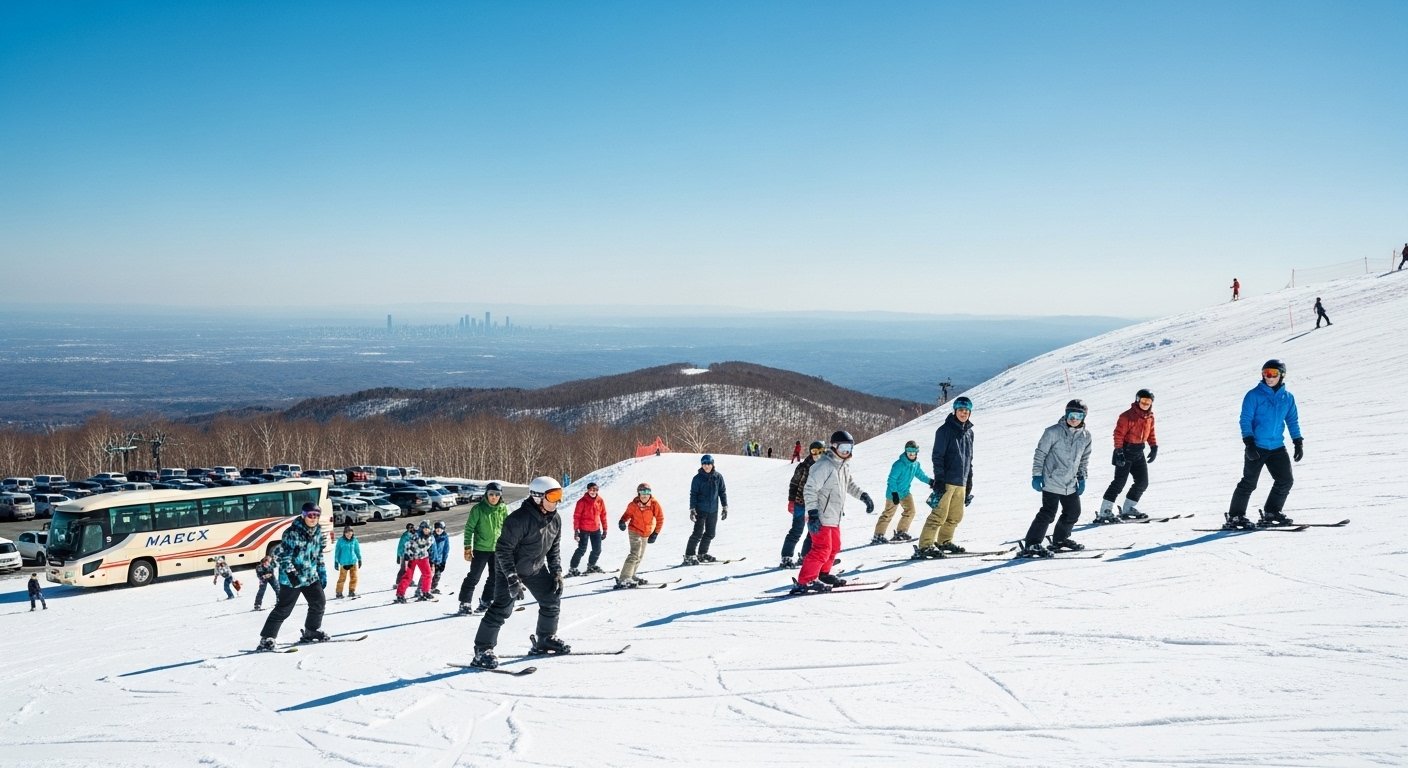
*Images used in this article are for illustration only. They may not be directly related to the content.
Winter Wonderland Made Easy: Beginner Snowshoeing & Hiking in Japan (Gear, Tours, & Access Solved)
Planning a trip to Japan’s snowy landscapes? The idea of a peaceful beginner winter hike in Japan or a serene Japan snowshoeing adventure can feel overwhelming when faced with language barriers, unfamiliar gear, and uncertain logistics. You’re not alone. Many international visitors struggle with where to rent snowshoes, how to find English-friendly tours, or simply how to get to those picturesque snowy trails.
This guide is designed to remove that friction. As your Japan Local Fixer, I’ll provide practical, step-by-step solutions for gear, reliable tours, transportation, and safety. Get ready to experience Japan’s winter beauty with confidence, even if you’re a first-timer. We’ll ensure your journey into Japan’s snow-covered forests is memorable, not confusing.
Table of Contents
- Essential Winter Gear: Rent or Buy?
- Booking Beginner-Friendly Snowshoe Tours with English Guides
- Top Beginner-Friendly Snowshoe & Winter Hiking Locations
- Navigating Transportation to Japan’s Snowy Regions
- Safety in the Snow: What You Need to Know
- Pro-Tips for a Smooth Winter Adventure
- Common Mistakes to Avoid
- Frequently Asked Questions
Essential Winter Gear: Rent or Buy?
One of the first hurdles for beginner snowshoeing in Japan is acquiring the right equipment. Specialized winter gear, from snowshoes to waterproof boots and clothing, is crucial for comfort and safety. Here’s how to navigate your options.
Renting Snowshoes and Winter Clothing
For a short trip or if you’re trying snowshoeing for the first time, renting is the most practical and cost-effective solution. Many major ski resorts double as hubs for winter outdoor activities, offering convenient rental services.
- Where to Rent: Look to prominent ski resorts such as Niseko, Hakuba, and Shiga Kogen. These locations frequently have dedicated rental shops. Search for ‘レンタル’ (rentaru) signs, often accompanied by images of winter sports gear.
- What’s Available: You can typically rent snowshoes, poles, and winter boots. Some larger resorts or tour operators may also offer basic winter jackets and pants.
- Booking: It’s advisable to reserve gear in advance, especially during peak winter season (late December to February).
❄️ What to Wear: Layering is Key
Even if you rent snowshoes, you’ll need appropriate clothing. Focus on layers:
- Base Layer: Thermal underwear (top and bottom) to wick moisture.
- Mid Layer: Fleece jacket or sweater for insulation.
- Outer Layer: Waterproof and windproof jacket and pants.
- Accessories: Waterproof gloves or mittens, a warm hat, and wool socks.
Purchasing Gear in Japan
If you’re planning an extended stay, multiple winter activities, or prefer owning your equipment, purchasing gear is a viable option. Japan has excellent outdoor retailers.
- Retailers: Large outdoor stores like Montbell (nationwide, with English online store) and L-Breath (Victoria stores) are excellent choices. Major sports retailers like Sports Depo and Alpen, found in larger cities, also carry winter wear.
- What to Buy: You’ll find a range of waterproof jackets, pants, thermal layers, and winter boots.
- Pricing: Expect basic waterproof jackets to start around ¥15,000, and winter boots from ¥10,000.
💰 Price Breakdown (Estimated Daily Costs)
| Item/Service | Cost Range |
| Snowshoe & Pole Rental | ¥2,500 – ¥4,000 |
| Winter Boot Rental | ¥1,500 – ¥2,500 |
| Half-Day Guided Tour (incl. gear/transport) | ¥8,000 – ¥15,000 |
| Full-Day Guided Tour (incl. gear/transport) | ¥15,000 – ¥25,000 |
Prices verified as of January 2026. May vary by region and operator.
Booking Beginner-Friendly Snowshoe Tours with English Guides
Overcoming the language barrier is critical for a smooth and safe experience. Guided tours are highly recommended for first-timers, offering local knowledge, safety briefings, and often bundled gear rental and transportation.
Identifying English-Friendly Operators
Focus your search on regions popular with international tourists, as these areas have developed infrastructure for English-speaking visitors.
- Hokkaido: Niseko and Furano are prime examples. Many operators here cater specifically to international guests.
- Nagano: Hakuba and Shiga Kogen also have a good selection of English-speaking guides and tour options.
- Tohoku & Gifu: Zao Onsen (Tohoku) and the Shirakawa-go area (Gifu) also offer tours, though English options might be slightly less frequent than in Hokkaido/Nagano.
When searching online, look for operators explicitly advertising “English guide available” or “international guests welcome.”
Where to Book Tours
You have several reliable avenues for booking:
- Online Aggregators: Websites like Klook and GetYourGuide often list multiple tour options with filters for language and difficulty. Be sure to read reviews.
- Directly with Local Operators: A direct search for “[Region Name] English snowshoe tour” will often lead you to local companies (e.g., Niseko Basecamp, Hakuba Valley Concierge). Check their websites thoroughly for English support.
- Tourist Information Centers: Upon arrival in a snowy region, visit the local tourist information center (look for the ‘i’ symbol or ‘観光案内所’). Staff can often recommend local guides or book tours for you.
🎯 Local Pro-Tip: Book popular tours well in advance, especially for peak season (late December to February). Last-minute availability for English-guided tours can be scarce. Always confirm what’s included (gear, transport, lunch) before booking.
🇯🇵 Point & Speak
Show this section to staff if you’re stuck. They can read the Japanese.
English: Do you have snowshoe rentals?
スノーシューのレンタルはありますか?
(Sunōshū no rentaru wa arimasu ka?)
English: Do you have beginner snowshoe tours?
初心者向けのスノーシューツアーはありますか?
(Shoshinsha-muke no sunōshū tsuā wa arimasu ka?)
English: Is there an English-speaking guide?
英語を話せるガイドはいますか?
(Eigo o hanaseru gaido wa imasu ka?)
English: Is this area safe for beginners?
このエリアは初心者でも安全ですか?
(Kono eria wa shoshinsha demo anzen desu ka?)
Top Beginner-Friendly Snowshoe & Winter Hiking Locations
Finding accessible and safe trails is key for your first Japan snowshoeing experience. These locations are known for their gentle terrain and often have established paths or guided tours suitable for beginners.
Hokkaido: North Island’s Snowy Embrace
Hokkaido offers expansive, beautiful winter landscapes perfect for snowshoeing.
- Shikotsu-Toya National Park: Around Lake Shikotsu and Lake Toya, you’ll find accessible forest trails with stunning views.
- Biei: The famous Blue Pond and Shirahige Falls area transforms into a magical wonderland in winter. Many local tours operate here.
- Furano: Explore the tranquil Kaze-no Garden or surrounding forest areas, which are generally flat and easy to navigate.
- Niseko: Beyond skiing, Niseko offers gentle slopes accessible via gondola or dedicated local forest trails perfect for snowshoeing beginners.
Honshu: Main Island’s Mountainous Beauty
Japan’s main island also boasts fantastic options for beginner winter hiking.
- Nagano Region:
- Hakuba Valley: Tsugaike Nature Park (requires gondola access) offers wide, flat snow fields and boardwalks that become easy snowshoeing paths.
- Shiga Kogen: The Maruike and Ichinose areas have gentle, scenic trails connecting different parts of the resort.
- Gifu Prefecture:
- Hirayu Onsen Area: Offers tranquil winter walks and snowshoeing around its hot springs village.
- Shirakawa-go: While tours often focus on the village itself, some routes around the observation deck or nearby forests can be suitable, especially with a guide.
- Tohoku Region:
- Zao Onsen: Famous for its “Juhyo” (Ice Monsters). While the top can be exposed, guided tours often take beginners to more sheltered areas, utilizing the ropeway for access.
Always look for trails explicitly designated “beginner” or “family-friendly” when planning self-guided excursions, though a local guide is always safer for newcomers.
Navigating Transportation to Japan’s Snowy Regions
Reaching these snowy destinations requires some planning, especially with potential language barriers. Japan’s public transport is efficient, but local connections can be infrequent.
To Hokkaido Destinations (Niseko, Furano, etc.)
- From Sapporo Shin-Chitose Airport (CTS) or Sapporo City:
- Direct Bus Services: Hokkaido Resort Liner and Chuo Bus operate direct services to major resorts like Niseko and Furano during winter. Booking in advance is essential.
- JR Train + Local Transport: Take a JR train from Sapporo to Kutchan/Hirafu (for Niseko) or Furano Station. From there, local buses, taxis, or resort shuttles will be needed for the final leg.
To Honshu Destinations (Hakuba, Shiga Kogen, Zao Onsen, etc.)
- To Hakuba & Shiga Kogen (Nagano):
- Shinkansen + Bus: Take the Hokuriku Shinkansen from Tokyo to Nagano Station. From Nagano, express buses (e.g., Alpico Bus for Hakuba, Nagano Dentetsu for Shiga Kogen) provide direct transport to the resorts.
- To Zao Onsen (Tohoku):
- Shinkansen + Bus: Take the Yamagata Shinkansen from Tokyo to Yamagata Station, then connect to a local bus service to Zao Onsen.
🎯 Local Pro-Tip: Booking Shinkansen tickets via the Japan Rail Pass (if you have one) or the SmartEX app is recommended. For local buses, schedules can be infrequent, especially in remote areas. Always check timings in advance and have Google Maps or a translation app ready. Look for ‘バス停’ (basu tei) signs at bus stops.
Safety in the Snow: What You Need to Know
Safety is paramount for any winter activity, especially when exploring unfamiliar terrain. Don’t let the fear of getting lost or encountering dangerous conditions deter you; preparation is key for a safe Japan winter hiking experience.
Key Safety Practices
- Check Conditions: Always verify local weather forecasts and avalanche warnings before departing. Conditions can change rapidly in mountainous regions.
- Stick to Marked Trails: Especially important in national parks or ski resort areas. Venturing off-trail can lead to disorientation or hazardous terrain. Trailheads (‘登山道入り口’ – tozan michi iriguchi) usually have maps and warnings.
- Go Guided: For beginners, a local guide is highly recommended. They possess invaluable knowledge of safe routes, current conditions, and can communicate effectively in emergencies.
- Inform Others: If you are going on a self-guided trip (not recommended for beginners), inform your accommodation or someone else of your itinerary and expected return time. Some areas may require reporting your plan to park rangers.
- Carry Essentials: Always carry water, snacks, a fully charged phone, a power bank, a basic first-aid kit, and a map/compass (even if you have GPS).
📋 Quick Reference Card
Screenshot or print this section for easy access:
- ✅ Gear: Rent snowshoes/boots at ski resorts or buy basics at Montbell. Layer clothing.
- ✅ Tours: Book English-guided tours via Klook/GetYourGuide or direct with operators in Niseko, Hakuba, Furano.
- ✅ Locations: Hokkaido (Shikotsu-Toya, Biei, Furano, Niseko); Honshu (Hakuba, Shiga Kogen, Hirayu Onsen).
- ✅ Transport: Use Shinkansen + bus. Book airport/resort buses in advance for Hokkaido.
- ✅ Safety: Check weather/avalanche, stick to marked trails, consider a guide.
- ✅ Key Phrases: Have basic Japanese phrases ready for rentals and inquiries.
Pro-Tips for a Smooth Winter Adventure
Leverage these insider tips to enhance your Japan snowshoeing experience and avoid common pitfalls.
- Budget Wisely: Renting gear and joining a package tour is often more cost-effective for a one-off snowshoeing experience than purchasing all new equipment. Look for tours that bundle gear rental and local transportation from your accommodation.
- Translate Smart: While many staff in tourist-heavy areas speak some English, a translation app (e.g., Google Translate, DeepL) is invaluable for understanding nuanced instructions or interpreting trail signs.
- Seasonal Awareness: Snowshoeing is typically best from late December to early March, with January and February offering peak snow conditions. Be aware that peak season also means higher prices and increased crowds; book everything well in advance.
- Verify Accessibility: Confirm if tour operators offer pick-up services from your accommodation. For self-guided trips, research local bus schedules meticulously, as services can be limited in winter.
- Embrace Onsen: After a cold day of snowshoeing, there’s nothing better than relaxing in a traditional Japanese onsen (hot spring). Many snowy regions are also famous onsen towns.
Common Mistakes to Avoid
Learning from others’ experiences can save you time, money, and discomfort. Here are frequent issues international visitors encounter:
- Underestimating the Cold: Many visitors underestimate how cold it gets, especially with wind chill. Proper layering is essential; a good quality waterproof outer shell and warm base layers are non-negotiable.
- Ignoring Advance Bookings: During peak season, popular tours and convenient transport options (especially direct resort buses) sell out quickly. Booking last-minute often leads to disappointment or more complicated travel.
- Relying Solely on English: While English is present, it’s not universal. Not having key Japanese phrases or a translation app ready can cause frustration, particularly outside major international resorts or ski towns.
- Overpacking or Underpacking Gear: Purchasing specialized gear for a single trip is often expensive. Conversely, not bringing enough warm layers or proper waterproof outer wear will lead to discomfort. Opt for rentals and strategic layering.
- Venturing Off-Trail Alone: For beginners, especially, this is a significant safety risk. Unmarked trails can be dangerous due to deep snow, hidden obstacles, or avalanche risk.
Frequently Asked Questions
Do I need prior experience for beginner snowshoeing in Japan?
No, beginner snowshoeing tours and designated trails in Japan are designed for first-timers with no prior experience. If you can walk, you can snowshoe. A basic level of fitness is helpful.
Is it better to rent or buy snowshoes for a short trip to Japan?
For a short trip or a one-off experience, renting snowshoes and other winter gear from ski resorts or tour operators is generally more practical and cost-effective than purchasing.
How can I find an English-speaking snowshoe guide in Japan?
Look for tour operators in popular international tourist areas like Niseko, Hakuba, and Furano. Use online aggregators like Klook and GetYourGuide, or search directly for “[Region Name] English snowshoe tour.” Always confirm guide language availability before booking.
What is the best time of year for snowshoeing in Japan?
The optimal season for snowshoeing in Japan is from late December to early March. January and February typically offer the best and most consistent snow conditions across most snowy regions.
Do I need special transportation to reach snowshoeing areas?
Yes, most snowshoeing areas are located in mountainous regions. You’ll likely use a combination of Shinkansen (bullet train) and express or local buses. Direct resort buses from major airports/cities are also common during winter. Booking transportation in advance is highly recommended.
Conclusion
Embracing Japan’s winter wonderland through snowshoeing or hiking is an unforgettable experience, and it doesn’t have to be complicated. By understanding your options for gear, leveraging English-friendly tours, planning your transport, and prioritizing safety, you can overcome potential friction points. We’ve equipped you with the practical knowledge to make your first Japan snowshoeing adventure seamless and enjoyable. Step out onto those pristine snowy trails with confidence.
Disclaimer
This guide provides general information based on current research. Weather conditions, prices, and tour availability can change without notice. Always verify details with specific operators, check local weather and avalanche warnings, and adhere to all safety guidelines. Outdoor activities carry inherent risks; participate responsibly and consider travel insurance.