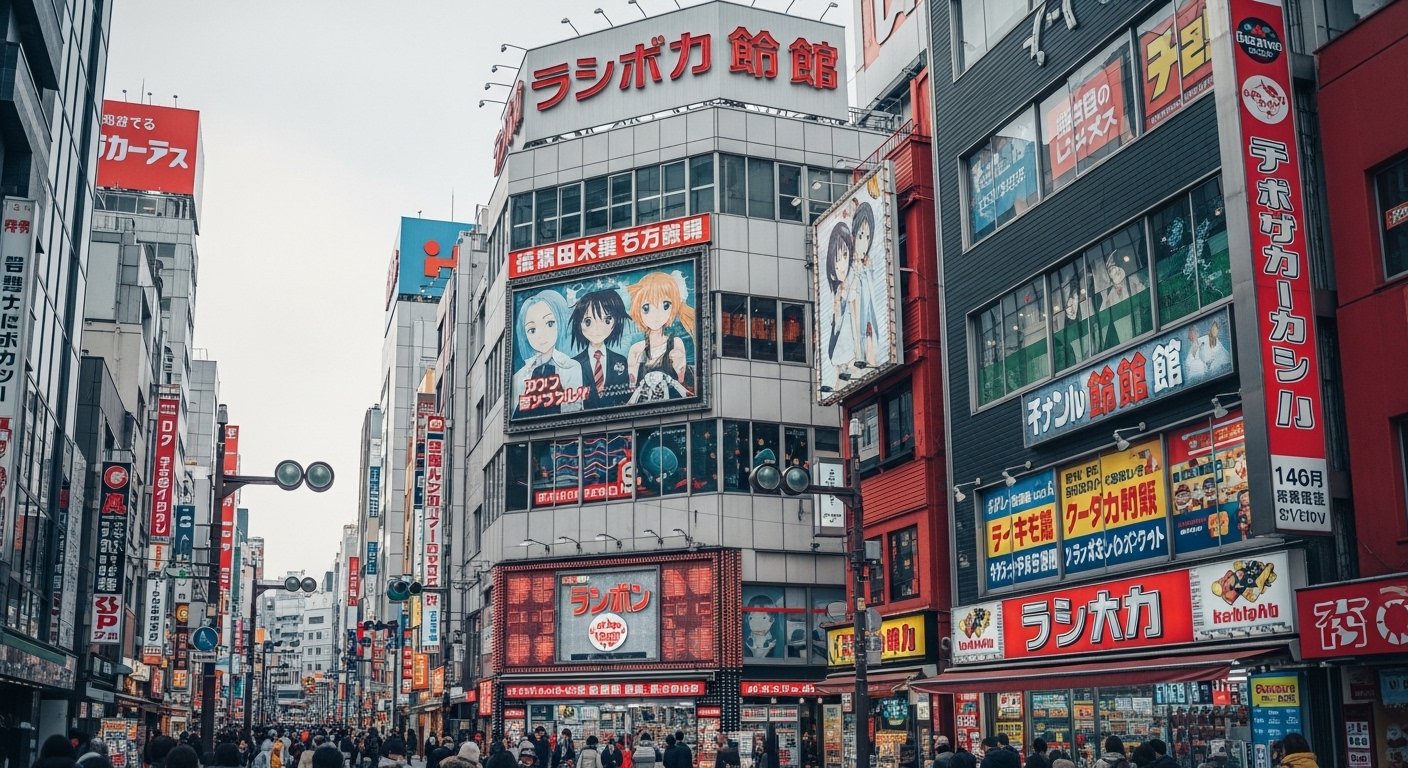
*Images used in this article are for illustration only. They may not be directly related to the content.
Mastering Japan’s New Year Fukubukuro: Your Hobbyist’s Guide to Scoring Value
The allure of Japan’s New Year Fukubukuro, or “lucky bags,” is strong, especially for hobbyists. Imagine acquiring a haul of items related to your passion at a fraction of their retail price. The reality, however, can be daunting: navigating intense crowds, deciphering Japanese announcements, and the fear of ending up with a bag full of unwanted items. As your Japan Local Fixer, my goal is to remove this friction.
This comprehensive guide provides practical strategies and essential insights for successfully acquiring hobby-specific Fukubukuro. You will learn how to identify the best bags, understand crucial timing, overcome language barriers, and navigate the competitive New Year sales landscape, ensuring your lucky bag is truly lucky.
Table of Contents
- Understanding the Fukubukuro Phenomenon
- The Hunt: Identifying Hobby-Specific Lucky Bags
- Your Pre-Sale Playbook: Research & Reservations
- Navigating the New Year Crowds
- 🇯🇵 Point & Speak: Essential Japanese Phrases for Fukubukuro Hunting
- Decoding Fukubukuro: Open vs. Blind Bags
- Pro-Tips for a Successful Fukubukuro Haul
- Common Mistakes to Avoid
- 📋 Quick Reference Card: Fukubukuro Checklist
- Frequently Asked Questions (FAQ)
- Conclusion
- Disclaimer
Understanding the Fukubukuro Phenomenon
Fukubukuro (福袋), literally “lucky bag,” is a New Year tradition in Japan where retailers sell sealed bags containing an unknown assortment of items. The catch is that the total value of the contents is typically two to five times the bag’s purchase price, guaranteeing a discount. Sales usually kick off on January 1st or 2nd, known as Hatsuuri (初売り), the year’s first sale.
For international visitors, the concept presents unique challenges. Without prior knowledge, it’s easy to be overwhelmed by the sheer volume of offerings and the speed at which popular bags sell out. Understanding the general timing, pricing, and locations is your first step to mastering the Fukubukuro Japan experience.
🎯 Local Pro-Tip: The term “Hatsuuri” (初売り) is often used interchangeably with Fukubukuro sales. If you see signs for Hatsuuri, it generally signifies the start of New Year’s discounts, including lucky bags.
The Hunt: Identifying Hobby-Specific Lucky Bags
The core pain point for many hobbyists is finding lucky bags relevant to their interests. Department stores are a starting point, but specialty shops are where the real hobby treasures lie. Here’s how to pinpoint potential hauls:
Where to Look for Your Hobby Fukubukuro:
- Electronics & Gadgets: Bic Camera, Yodobashi Camera, Yamada Denki. Look for categories like “カメラの福袋” (camera Fukubukuro), “家電の福袋” (home electronics Fukubukuro).
- Anime, Manga & Gaming: Animate, Mandarake, Suruga-ya, specific game stores. Search for “アニメ福袋” (anime Fukubukuro), “ゲーム福袋” (game Fukubukuro).
- Crafts & Stationery: Tokyu Hands, Loft, Yuzawaya. Look for “文具福袋” (stationery Fukubukuro), “手芸福袋” (crafts Fukubukuro).
- Model Kits & Figures: Yellow Submarine, Kotobukiya, hobby stores in Akihabara (Tokyo) or Den Den Town (Osaka).
- Books & Media: Kinokuniya, Tsutaya.
For a successful hunt, narrow your focus. Don’t just look for general lucky bags; target specific retailers known for your hobby. Online research is crucial for identifying these stores and their potential offerings long before you arrive.
Your Pre-Sale Playbook: Research & Reservations
Success in acquiring a Hobby Fukubukuro hinges on meticulous pre-planning. Many popular bags, especially for specific hobbies, are limited and sell out quickly. Some are even available for pre-order online or in-store.
-
Monitor Official Websites from Mid-December
Start checking the official websites of your target hobby stores and major department stores around mid-December. Look for announcements regarding “福袋 2026” (Fukubukuro 2026). Key phrases to look for are “ネット予約” (netto yoyaku – online reservation) and “店頭予約” (tentō yoyaku – in-store reservation). These pre-sales often open and close rapidly.
Useful Links: (Use these as starting points, replace with actual links when planning your trip)
- Major Department Store Official Websites (e.g., Isetan, Mitsukoshi, Daimaru)
- Hobby Store Official Websites (e.g., Bic Camera, Animate, Yuzawaya)
-
Leverage Japanese Social Media & Review Sites
Search platforms like X (formerly Twitter), Instagram, or Japanese consumer review sites for “福袋 ネタバレ” (Fukubukuro netabare – lucky bag spoilers) from previous years. This can give you an idea of typical contents, value, and popular brands. Search for “(ホビー名) 福袋” (Hobby Name Fukubukuro) to narrow down results.
Useful Link: Japanese Consumer Review Sites (e.g., Kakaku.com, blogs)
-
Understand Release Dates and Times
Most physical sales begin on January 1st or 2nd. However, online reservations can start weeks earlier. Note the exact date and time (Japan Standard Time) for any online releases you plan to target. Be ready to act fast, as popular online Fukubukuro can sell out in minutes.

Navigating the New Year Crowds
New Year’s sales are a major event in Japan, and popular Fukubukuro draw significant crowds. Prepare for intense competition and long queues, especially at major stores in cities like Tokyo and Osaka. Your ability to navigate these crowds effectively is crucial for securing desirable Lucky Bag Japan items.
Strategies for On-Site Success:
- Arrive Early: For highly sought-after bags, you might need to queue hours before store opening. Some dedicated shoppers arrive before dawn. Check store websites for special New Year opening hours, which might differ from regular times.
- Identify Queuing Locations: Stores often have specific, designated queuing areas for Fukubukuro. Look for staff holding signs (sometimes with English), ropes, or barriers. Visual cues like “列” (retsu – queue) banners are common.
- Bring Essentials: Pack water, snacks, a portable charger, and warm clothing if you’re queuing outdoors in winter. A small, foldable stool can be a lifesaver.
- Stay Informed: Pay attention to staff announcements, even if in Japanese. They might indicate stock levels, alternative queuing spots, or updated sales procedures.
🎯 Local Pro-Tip: Major department stores (e.g., Isetan, Mitsukoshi) often have different queues for different categories of Fukubukuro (e.g., fashion, electronics, food). Confirm which queue is for your desired hobby items.

🇯🇵 Point & Speak: Essential Japanese Phrases for Fukubukuro Hunting
Don’t let the language barrier deter you. These polite phrases will help you ask questions and get information from staff. Show this section to staff if you’re stuck.
🇯🇵 Point & Speak
Show this section to staff if you’re stuck. They can read the Japanese.
English: Do you have lucky bags?
福袋はありますか?
(Fukubukuro wa arimasu ka?)
English: When will the lucky bags be sold?
福袋はいつから販売されますか?
(Fukubukuro wa itsu kara hanbai saremasu ka?)
English: What kind of contents are in this lucky bag?
この福袋の中身は何が入っていますか?
(Kono fukubukuro no nakami wa nani ga haitte imasu ka?)
English: Is there a hobby-specific lucky bag (e.g., camera hobby)?
カメラの福袋はありますか? / ホビー系の福袋はありますか?
(Kamera no fukubukuro wa arimasu ka? / Hōbī-kei no fukubukuro wa arimasu ka?)
English: Is this the last one?
これは最後の一つですか?
(Kore wa saigo no hitotsu desu ka?)
English: Can I reserve this?
これは予約できますか?
(Kore wa yoyaku dekimasu ka?)
English: Where is the queuing line?
列はどこですか?
(Retsu wa doko desu ka?)
Decoding Fukubukuro: Open vs. Blind Bags
To avoid the fear of unwanted items, understand the two main types of Fukubukuro:
- Open-Content (中身公開, Nakami Kōkai): These bags reveal some or all of their contents beforehand. Retailers might display actual items, list them on a tag, or show them on their website. For hobbyists, these are gold. You know exactly what you’re getting, mitigating the risk of disappointment. Prioritize these for guaranteed value.
- Blind (中身不明, Nakami Fumei): The contents are a complete surprise. This embodies the “lucky” aspect of the bag. While exciting, it carries the highest risk of receiving items you don’t need or want. Only purchase blind bags from brands you trust implicitly or where even the “unwanted” items would still have some utility for your hobby.
Pro-Tips for a Successful Fukubukuro Haul
🎯 Local Pro-Tip: Set a Strict Budget.
Fukubukuro can be addictive. Decide on your maximum spend for each bag and your overall budget before you start. Factor in potential shipping costs if buying online, or excess baggage fees if your in-store haul exceeds your luggage capacity. Prioritize open-content bags to maximize your budget efficiency and avoid purchasing items you don’t genuinely want.
🎯 Local Pro-Tip: Plan Your Logistics.
Fukubukuro are often large and cumbersome. If you plan to buy multiple, consider how you will transport them. Public transport will be crowded during the New Year. Having a large reusable shopping bag or even a small trolley can be helpful. Also, remember that most stores are closed on January 1st except for major department stores specifically launching sales.
🎯 Local Pro-Tip: Leverage Translation Tools.
Even with prepared phrases, you might encounter complex Japanese. Use translation apps with camera functions (e.g., Google Translate) to decipher signs, package details, or website information. This helps you quickly assess contents and sales conditions, especially for Fukubukuro schedule 2026 updates.
🎯 Local Pro-Tip: Understand the No-Return Policy.
Fukubukuro are typically final sale. Returns or exchanges are generally not permitted unless an item is demonstrably defective. This reinforces the importance of careful selection, especially for “blind” bags. You cannot return a Fukubukuro simply because you don’t like the contents.
Common Mistakes to Avoid
Learning from others’ missteps can save you time, money, and frustration during your New Year Sale Japan adventure.
- Lack of Research: Going in blind without checking store websites or past year’s spoilers for your specific hobby is a recipe for disappointment. Know what brands usually offer relevant items.
- Underestimating Crowds: Thinking you can waltz into a popular store an hour after opening and grab a top-tier Fukubukuro is unrealistic. Arrive early, especially for electronics or popular anime bags.
- Ignoring “Open-Content” Opportunities: Prioritizing blind bags when open-content options are available for your hobby increases the risk of receiving unwanted items.
- Overspending: It’s easy to get caught up in the excitement. Stick to your budget to avoid post-trip regret.
- Assuming Returns are Possible: Always remember that Fukubukuro are typically non-returnable. Inspect any revealed contents carefully before purchase.
- Forgetting Logistics: Not planning for how to carry large, heavy bags can turn a successful shopping trip into a logistical nightmare.
📋 Quick Reference Card: Fukubukuro Checklist
Screenshot or print this section for easy access while planning or on the go:
📋 Quick Reference Card
Screenshot or print this section for easy access:
- ✅ Mid-December: Start monitoring official hobby store and department store websites for “福袋 2026”, “ネット予約”, and “店頭予約”.
- ✅ Early January (Jan 1st/2nd): Main sales begin. Arrive early for popular bags.
- ✅ Identify Your Hobby: Target specific stores known for your passion (e.g., Animate for anime, Bic Camera for electronics).
- ✅ Prioritize “中身公開” (Open-Content) Bags: Reduce risk of unwanted items.
- ✅ Prepare Japanese Phrases: Use the “Point & Speak” section or translation apps.
- ✅ Budget & Logistics: Set a clear budget and plan how to carry your purchases.
- ✅ No Returns: Understand that Fukubukuro purchases are generally final.
Frequently Asked Questions (FAQ)
When do Fukubukuro sales typically start?
Most physical Fukubukuro sales (Hatsuuri) begin on January 1st or 2nd. However, many popular stores, especially online, offer pre-sales (ネット予約) starting as early as mid-December. It’s crucial to check specific store websites for exact dates.
Can I return a Fukubukuro if I don’t like the contents?
Generally, no. Fukubukuro purchases are almost always final. Returns or exchanges are typically only accepted if an item is found to be defective. This policy is standard for Lucky Bag Japan sales, so choose carefully.
How can I find out what’s inside a Fukubukuro before buying?
Look for “中身公開” (nakami kōkai) bags, which explicitly reveal some or all of their contents. You can also search online for “福袋 ネタバレ” (Fukubukuro netabare) from previous years, or check official store websites and social media for early announcements about contents.
Is it possible to buy Fukubukuro online from outside Japan?
While some major Japanese online retailers like Rakuten or Amazon Japan sell Fukubukuro, direct international shipping can be limited. You may need to use a Japanese forwarding service. Research specific store policies and potential shipping costs for Fukubukuro online reservation international.
What should I do if a Fukubukuro item is defective?
If an item is genuinely defective (not just something you dislike), you should contact the store where you purchased it. Bring the item, your receipt, and be prepared to explain the issue. While full returns are rare, they may offer an exchange for a non-defective item if available.
Conclusion
Mastering Japan’s New Year Fukubukuro tradition for your hobbies is achievable with preparation and a strategic approach. By understanding the timing, leveraging online research, navigating crowds effectively, and focusing on open-content bags, you can transform a potentially confusing experience into a rewarding hunt for value. Embrace the excitement, but remain pragmatic in your pursuit of the perfect Hobby Fukubukuro.
Plan ahead, stay informed, and enjoy the unique thrill of Japan’s New Year sales. Your next big hobby haul awaits.
Disclaimer
Information regarding Fukubukuro sale dates, contents, and availability is subject to change by individual retailers. Crowds and competition are significant during the New Year period; personal safety and comfort should be prioritized. Fukubukuro purchases are generally non-returnable unless items are defective. Always verify specific store policies before making a purchase.