*Images used in this article are for illustration only. They may not be directly related to the content.
Snow & Soak: Your No-Stress Guide to Accessible Winter Day Trips from Tokyo & Kansai
I still remember my first winter here, about ten years ago. I was so excited to see snow in Japan, imagining picturesque scenes right out of a postcard. I decided to brave a day trip to a mountain town near Tokyo, completely unprepared. I figured, “It’s just a bit cold, right?” Wrong. So utterly, miserably wrong.
I stepped off the train, my flimsy jacket doing precisely nothing against the biting wind, and immediately sank ankle-deep into a slushy mess. My stylish sneakers were soaked within minutes, and my “winter hat” (more like a beanie I’d picked up at UNIQLO for city use) felt like it was made of tissue paper. My teeth chattered so hard I couldn’t even enjoy the scenery, which was beautiful, but I was too cold to care. I ended up spending half my precious day trip huddled in a convenience store, sipping lukewarm coffee, trying to regain feeling in my toes. It was a failure, a lesson learned the hard way.
Sound familiar? You’re in Japan, it’s winter, and you want to experience that magical snowscape, maybe even soak in a steamy outdoor onsen with flakes drifting down. But you don’t want to break the bank on a full-blown ski trip, you didn’t pack for an Arctic expedition, and honestly, the thought of navigating remote train lines in a blizzard gives you hives.
Don’t worry. I’ve been there. I’ve made all the mistakes, so you don’t have to. After a decade of living through Japanese winters, I’ve figured out how to enjoy the snow without the stress, the expense, or the frostbite. This is your fixer guide to accessible winter day trips from Tokyo and Kansai, designed for those who want snow and onsen, not a black diamond run.
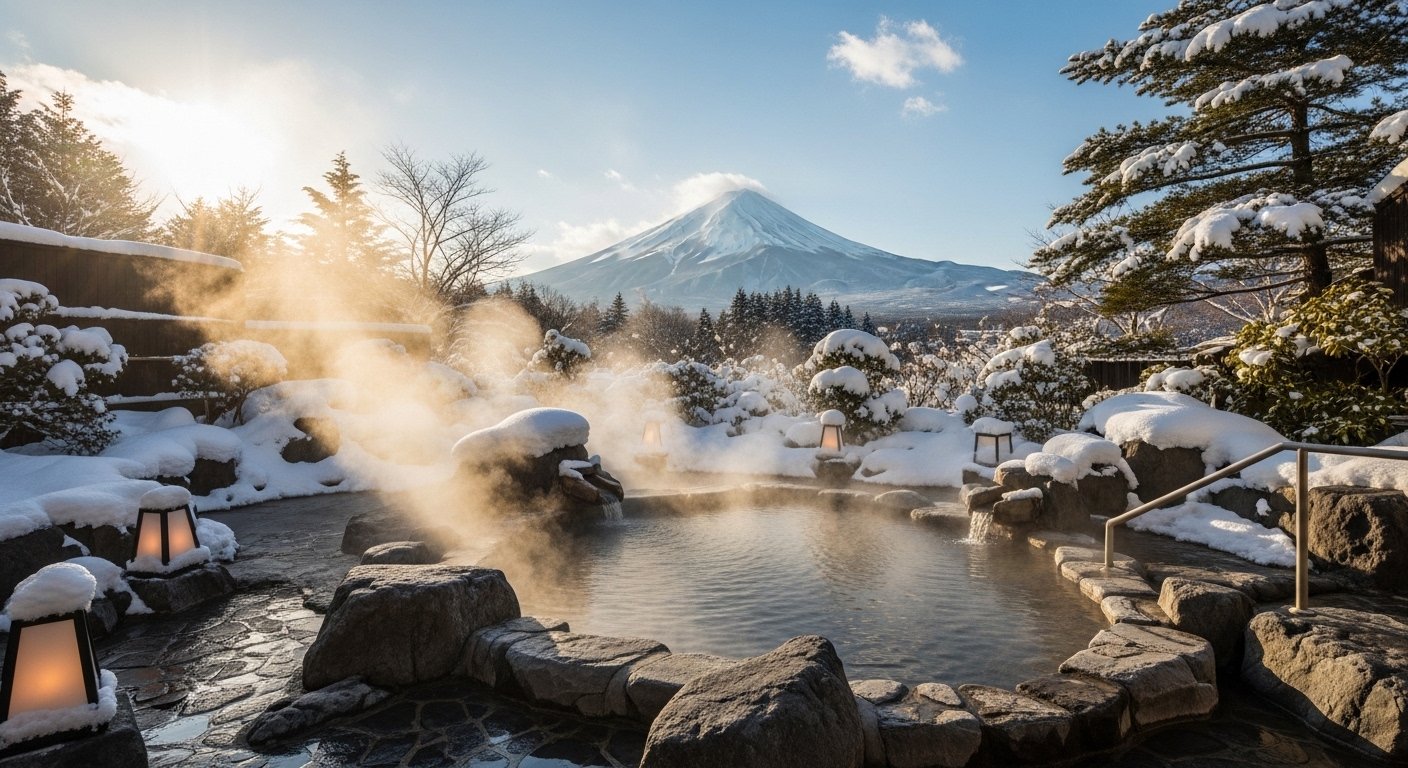
Table of Contents
The Real Struggle: Why Winter in Japan Can Be Tricky
Okay, let’s be honest. Japan in winter is gorgeous, but it’s not without its challenges, especially if you’re not from a snowy climate or you’re used to just hopping on a plane without much thought.
First off, the gear dilemma. You probably didn’t pack a full ski suit for a city trip to Tokyo, right? Most people arrive with stylish but ultimately useless coats, thin sweaters, and shoes that turn into ice skates the moment they hit a patch of wet snow. I remember seeing a tourist in Kyoto once, slipping and sliding on the icy path to Kiyomizu-dera in dress shoes. My heart went out to him – I’d been there! Proper gear isn’t just about comfort; it’s about safety.
Then there’s the “where do I even go?” question. Japan has amazing ski resorts, but you’re looking for something simpler, something that doesn’t involve buying a lift pass and renting skis. You want snow, scenery, and warmth, not necessarily an adrenaline rush. Finding those accessible, non-skiing winter spots near major cities can feel like searching for a needle in a haystack. The internet is full of “best ski resorts” lists, but what about just… a lovely snow walk and a hot bath?
And finally, the logistics. Japan’s public transport is legendary, but winter throws a wrench into even the most perfect system. Snow means delays. I’ve personally sat on a Shinkansen for an extra hour, watching the snow pile up outside the window, wondering if I’d ever make my connection. Buses sometimes don’t even run on particularly heavy snow days. Navigating icy roads, understanding Japanese announcements about delays, and figuring out alternative routes can be a nightmare if you’re not prepared.
But fear not, my friend. We’re going to fix all of this.
Your Step-by-Step Solution to a Perfect Winter Day Trip
This isn’t just a list; it’s a battle plan for conquering Japanese winter with a smile on your face and warmth in your soul.
Step 1: Pick Your Snowy Playground (Tokyo or Kansai)
The first step is figuring out where you want to chase those snowflakes. You want accessible, remember? No deep backcountry treks or remote villages requiring a helicopter.
If You’re Based in Tokyo:
-
For the Classic “Snow Onsen Japan” Experience & Fuji Views: Hakone & Karuizawa.
These are your go-to spots. Both offer absolutely stunning winter scenery, often with snow dusting the ground and steam rising from the onsen. Hakone, in particular, can offer those iconic Fuji views. Imagine yourself soaking in a rotenburo (outdoor onsen), surrounded by snow, watching Fuji-san loom majest majestically in the distance. It’s exactly as good as it sounds. These towns are well-connected by train and bus, making them relatively easy day trips. Kusatsu is another popular hot spring town and a fantastic winter destination, though slightly further. It’s famous for its yubatake (hot water field) in the town center, which is particularly atmospheric with steam in the cold air. -
For a Taste of Beginner Snow Sports (without the commitment): Joetsu Kokusai Ski Resort.
If you’re curious about snow sports but don’t want a full-on ski vacation, Joetsu Kokusai is a solid choice. It’s a viable day trip option from Shinjuku, Tokyo, and many tours offer packages that include transport. You can get about 6 hours of activity time, perfect for trying out a snow tube, sledding, or a beginner ski lesson. It’s about getting your boots in the snow, not becoming the next Olympic champion. -
For an Epic 2-Day Winter Tour (worth the overnight): Tohoku Region.
Okay, so this isn’t strictly a “day trip,” but if you have an extra night, consider a 2-day winter tour to the Tohoku region. This is where you find some seriously magical stuff: the Zao Ice Trees (Juhyo), where strong winds and freezing temperatures turn pine trees into monstrous, snow-covered art; Ginzan Onsen, a ridiculously charming, gas-lamp-lit hot spring town that looks like it’s straight out of a Studio Ghibli film when it’s covered in snow; and even the famous Fox Village. Many tours include hot spring hotel stays with breakfast and dinner, making it a truly immersive winter escape. This is where you get those absolutely jaw-dropping visual sensory details.
If You’re Based in Kansai (Osaka/Kyoto Area):
- For Non-Skiing Snow Experiences & Culture: Kyoto’s Surroundings.
While Kansai doesn’t have the same reputation for heavy snow as the Tohoku region, you can definitely find those magical snow experiences. Think about a bamboo forest covered lightly with snow, transforming Arashiyama into an even more ethereal landscape. Or a hike to see snow monkeys bathing in hot springs – yes, Japan has more than one famous spot for these amazing creatures, and some are accessible from Kansai. You can combine these natural wonders with visits to cultural sites like Fushimi Inari Taisha, which looks incredibly stark and beautiful with a dusting of snow on its thousands of vermillion gates. Full-day private tours from Osaka can combine these, offering a much more relaxed way to see winter in Kansai without worrying about individual transport.
Step 2: Gear Up, Not Down: What to Actually Pack
This is where I failed spectacularly on my first trip, and where you absolutely cannot afford to skimp. Forget “fashionable” if it means “freezing.” Essential gear and appropriate warm clothing are crucial. Japan’s cold winter climate is no joke.
Here’s the non-negotiable list:
- Layers, Layers, Layers: Start with thermal base layers (uniqlo Heattech is a godsend). Add a fleece or wool sweater. Top it with a good, insulated, waterproof winter jacket. You can always peel off layers if you get too warm inside.
- Waterproof Outerwear: This is KEY. Snow melts. Slush is wet. Your jacket and pants (if you plan to play in the snow) must be waterproof.
- Insulated, Waterproof Boots: My poor sneakers taught me this. Get boots that are truly waterproof, have good grip (those icy roads are no joke), and are insulated. You don’t need hardcore hiking boots, but something sturdy and warm will save your feet and your day.
- Warm Hat, Gloves, Scarf: These are non-negotiable. So much body heat escapes from your head and extremities. Invest in good quality ones.
- Thick Socks: Wool or thermal socks are a game-changer.
- Hand Warmers (Kairo): You can buy these at any convenience store (konbini) or drugstore in Japan for about ¥100-¥200 each. Stick them in your pockets or even inside your boots. They are lifesavers.
🎯 Insider Tip: Don’t underestimate UNIQLO for decent, affordable winter layers like Heattech and lightweight down jackets. They’re everywhere, and you can pick up forgotten items easily. For more serious waterproofs or boots, larger electronics stores like Bic Camera or Yodobashi Camera often have small outdoor sections, or dedicated outdoor shops like Montbell are excellent.
Step 3: Master Your Winter Transport (Expect the Unexpected)
Japan’s train system is efficient, but snow changes things. You need to plan meticulously and be prepared for potential snow-related train, bus, and Shinkansen delays during winter.
- Check Weather Forecasts Religiously: Before you leave your hotel, check the local forecast for your destination. Heavy snow warnings often precede delays.
- Use HyperDia or Google Maps with Caution: These apps are great, but in winter, they might not reflect real-time delays. Look for “遅延情報” (chien jōhō – delay information) on station boards or official train line websites.
- Prioritize Direct Routes: The fewer transfers you have to make, the less chance of missing a connection due to a delay.
- Consider Early Departures: If you start your day early, you have more buffer time if things go wrong.
- Bus vs. Train: While trains are generally more resilient, buses can be more direct for some mountain destinations. However, buses are more susceptible to road closures or slower travel times due to snow or ice. Factor this in. I once got stuck on a bus for an extra two hours going to Kusatsu Onsen because of heavy snow and slow traffic on winding mountain roads. It was beautiful, but long!
- Seamless Transport Options: When researching destinations or tours, specifically look for those that highlight “seamless transport” or “direct bus from Shinjuku,” for example. This minimizes your hassle.
Step 4: Simplify Your Life with Tours (Sometimes It’s Just Easier)
While I love independent travel, sometimes a package tour, especially in winter, is just smarter. They handle the tricky logistics, like finding resorts with seamless transport options.
- Day Trips for Snow Sports: For Tokyo, options like day trips to Joetsu Kokusai Ski Resort (often bundled with transport from Shinjuku) are super convenient. They take care of the bus, so you just show up.
- Multi-Day Tohoku Tours: If you’re going further afield to places like Ginzan Onsen or Zao Ice Trees, a 2-day tour is often the best bet. They usually include your hot spring hotel stay, meals, and all transport, removing almost all planning stress. It’s worth the overnight stay for these unique experiences.
- Private Kansai Tours: For the Kansai area, full-day private tours from Osaka or Kyoto are fantastic for combining multiple sites (snow monkeys, bamboo forest, Fushimi Inari) without having to constantly navigate cold public transport connections.
Step 5: Thaw Out and Feast: Onsen & Hearty Food
After braving the cold, nothing, and I mean nothing, beats the warmth of an onsen and a delicious, hearty meal. This isn’t just an activity; it’s the reward.
- Embrace the Outdoor Onsen (Rotenburo): This is the quintessential Japanese winter experience. The contrast of the icy air on your face and the steaming hot water on your body is pure bliss. Many ryokan (traditional inns) offer day-use onsen (higaeri onsen) even if you’re not staying overnight. Don’t be shy; follow the rules, enjoy the quiet, and let the warmth seep into your bones. Hakone, Karuizawa, Kusatsu, and Ginzan Onsen are all prime spots for this.
- Must-Try Winter Foods: Japan’s winter cuisine is designed for warmth and comfort. Seek out:
- Nabe (Hot Pot): A communal pot of simmering broth with vegetables, tofu, and meat or seafood. Perfect for sharing and warming up.
- Ramen: Of course. A piping hot bowl of rich, salty ramen is a classic for a reason.
- Oden: Various ingredients (fish cakes, daikon radish, konnyaku, boiled eggs) simmered in a light dashi broth. You’ll find it at convenience stores and specialized stalls.
- Zoni (Mochi Soup): Especially around New Year’s, but a comforting, warm soup with mochi (rice cake).
- Sweet Potatoes (Yaki-imo): Roasted sweet potatoes, often sold from trucks or stalls, are a sweet, warm, and delicious snack. The aroma alone is comforting.
The aroma and taste of these hearty regional dishes and seasonal specialties are an integral part of the winter experience. Don’t just eat; savor every warm bite.
Price Breakdown: What to Budget
Alright, let’s talk yen. Here’s a rough idea of what you can expect for a winter day trip. These are estimates, of course, and can vary wildly based on how fancy you get.
| Category | Estimated Cost (per person, JPY) | Notes |
|---|---|---|
| **Transportation (Round Trip from Tokyo/Kansai)** | ¥4,000 – ¥15,000+ | Local trains/buses can be ¥4,000-¥7,000. Shinkansen to further areas (e.g., beyond Hakone) can be ¥10,000-¥15,000+. |
| **Beginner Snow Sports Day Trip (e.g., Joetsu Kokusai from Shinjuku)** | ~¥12,000 – ¥15,000 | Can start from $78 (approx. ¥12,000) for bus + activity. May not include gear rental. |
| **Day-Use Onsen (Higaeri Onsen)** | ¥800 – ¥2,500 | Public baths are cheaper; ryokan onsen for day visitors are pricier but offer more amenities. |
| **Meals & Snacks (Lunch, Dinner, etc.)** | ¥2,000 – ¥5,000+ | Hearty ramen/nabe can be ¥1,000-¥2,000. Snacks/drinks add up. |
| **Gear Rental (if available)** | ¥3,000 – ¥6,000 | For boots or basic snow play gear. Better to bring your own if possible. |
| **2-Day Tohoku Winter Tour (approx.)** | ¥30,000 – ¥60,000+ | Per person, includes transport, accommodation, some meals, and entry fees. Varies greatly by tour provider. |
Common Pitfalls & How to Avoid Them
Even with the best intentions, winter travel can throw curveballs. Here’s what usually trips people up and how to dodge those bullets:
- Underestimating the Cold: I know, I keep saying it, but it’s the most common mistake. Tokyo and Osaka might not get heavy snow, but the wind can be brutal, and those higher elevations are genuinely freezing. Always overpack layers rather than underpack. I’ve seen too many tourists shivering trying to enjoy a beautiful view. Don’t be one of them.
- Ignoring Delay Announcements: Train and bus delays due to snow are a reality. Don’t assume everything will run on time just because it’s Japan. Keep an eye on station screens, listen for announcements (even if you don’t understand Japanese, you’ll pick up on keywords like “遅延,” chien, for delay), and have a backup plan or at least snacks for waiting.
- Forgetting Traction: Wet leaves, ice, and slush are slippery. Your cute city shoes are not going to cut it. Get good grip on your boots! I’ve nearly wiped out on perfectly flat pavements in Tokyo after a light snowfall.
- Not Booking in Advance: Especially for popular day trips or tours, winter can be peak season for locals and tourists alike. Onsen ryokan for day use can fill up, and popular bus tours sell out. Book your transport, tours, and even onsen visits in advance, particularly on weekends or holidays.
- Trying to Do Too Much: Winter days are shorter. Daylight hours are precious. Don’t try to cram three major sights into one day. Pick one or two, and truly enjoy them. Rushing in the cold is no fun.
- Underestimating Walk Times: Everything feels further when it’s cold and you’re bundled up. What looks like a 10-minute walk on Google Maps can feel like 20 minutes through slush or against a biting wind. Budget extra time for everything.
🇯🇵 Point & Speak
Show this to staff:
English: Is there an outdoor onsen nearby?
露天風呂は近くにありますか?
(Rotenburo wa chikaku ni arimasu ka?)
English: Do you have winter boots for rent?
冬用のブーツはレンタルできますか?
(Fuyu-yo no bootsu wa rentaru dekimasu ka?)
English: Is this train delayed due to snow?
この電車は雪で遅れていますか?
(Kono densha wa yuki de okurete imasu ka?)
FAQ
What are the best non-skiing snow experiences near Tokyo?
If you want snow without skiing near Tokyo, your best bets are Hakone and Karuizawa for picturesque winter scenery and outdoor onsen, often with stunning views of Mount Fuji. Kusatsu Onsen is another fantastic option for a hot spring town steeped in winter charm. For a truly unique experience, consider a 2-day tour to the Tohoku region to see the Zao Ice Trees and visit Ginzan Onsen. These locations are generally accessible by train and bus, making them perfect for a non-skiing winter adventure.
What essential gear do I need for a winter day trip in Japan if I don’t own ski clothing?
You definitely don’t need full ski gear, but proper preparation is crucial. Focus on layers: thermal base layers (like UNIQLO Heattech), a warm mid-layer (fleece or wool), and an insulated, waterproof outer jacket. Waterproof, insulated boots with good grip are non-negotiable for comfort and safety on icy or snowy paths. Don’t forget a warm hat, gloves, and a scarf. Hand warmers (kairo), easily bought at any convenience store in Japan, are also lifesavers for your pockets and boots.
Are there any relaxing options like outdoor onsen combined with snow activities near major cities?
Absolutely, combining a cold outdoor activity with a relaxing outdoor onsen is the dream, and very achievable! Near Tokyo, Hakone and Karuizawa are famous for their beautiful outdoor onsen (rotenburo) experiences, often surrounded by snow and sometimes offering Fuji views. The Tohoku region, particularly Ginzan Onsen, offers some of the most atmospheric snow onsen. Near Kansai, while less famous for heavy snow, you can find onsen that offer a serene winter experience after exploring a lightly snow-dusted bamboo forest or seeing snow monkeys. Many ryokan in these areas offer day-use onsen options even if you’re not staying overnight.


