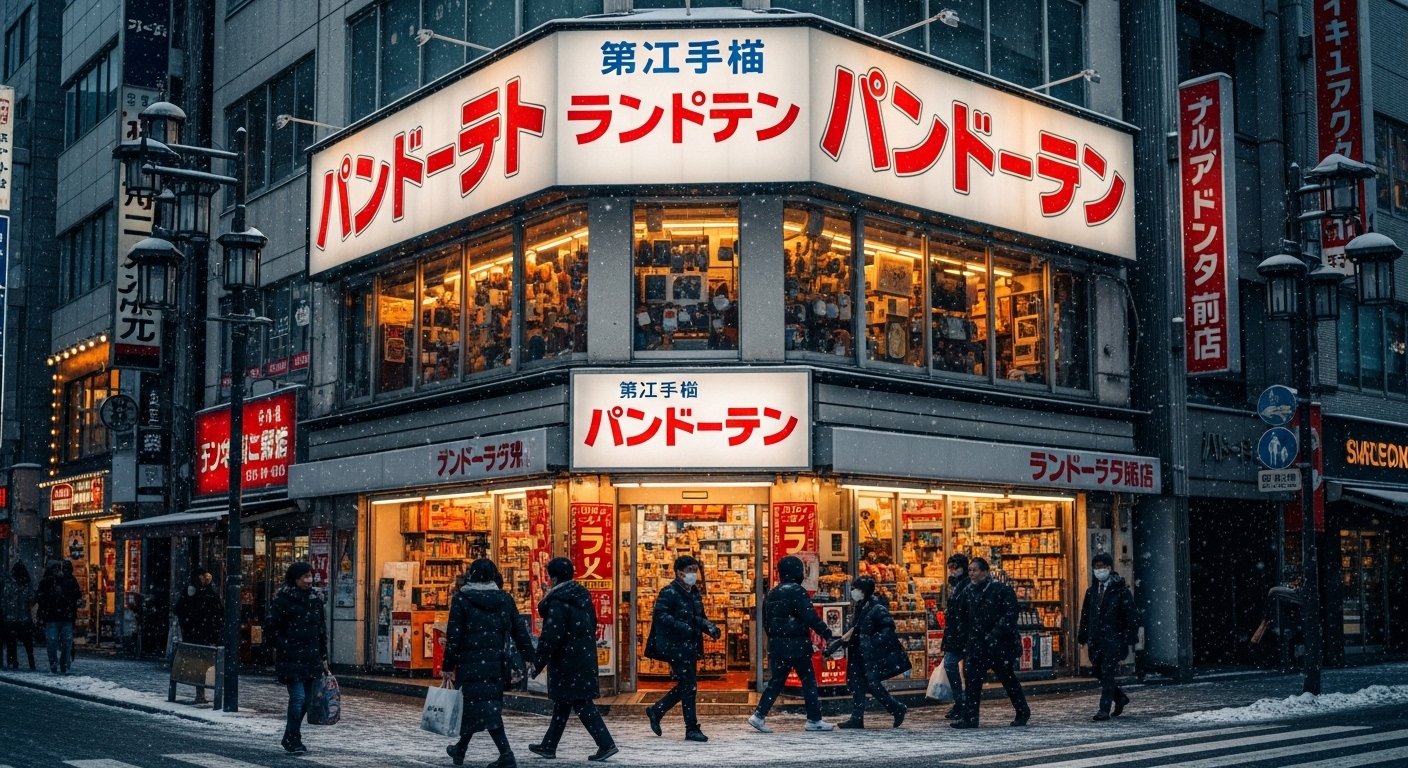
*Images used in this article are for illustration only. They may not be directly related to the content.
Unlock Tokyo’s Hidden Treasures: Your Practical Guide to Second-Hand Hobby Finds & Winter Deals
Are you in Tokyo, seeking something beyond the standard souvenir shop? Do you dream of finding that rare manga, a vintage camera, or unique fashion that speaks to your passion, all without breaking the bank? Many international visitors arrive in Japan feeling uncertain about where to start, worried about the quality of used goods, or unsure how to navigate the local market for affordable hobby items. This guide is your practical solution.
As your Japan Local Fixer, I’m here to cut through the confusion. We’ll show you exactly where to go, what to look for, and how to snag quality second-hand treasures, especially during the advantageous winter sales period. Say goodbye to mass-produced items and hello to authentic, unique finds that tell a story.
Table of Contents
The Problem: Why Second-Hand Shopping in Japan Feels Overwhelming
You’re not alone if the idea of diving into Tokyo’s vast second-hand market feels daunting. Many visitors face similar hurdles:
- Finding Uniqueness: It’s tough to locate non-mass-produced souvenirs or specific hobby items amidst the city’s commercial bustle.
- Affordability Search: Identifying where to find genuinely affordable manga, figures, cameras, instruments, or vintage fashion items requires local knowledge.
- Quality Concerns: A natural hesitation exists regarding the condition and quality of used goods, especially when unfamiliar with local grading standards.
- Navigation Confusion: Tokyo is immense, and knowing which areas and specific stores specialize in your desired second-hand items is not always clear.
This guide is designed to remove that friction, offering direct, actionable advice so you can shop with confidence and purpose.
Navigating Tokyo’s Second-Hand Hotspots for Your Hobby
Tokyo is a mosaic of districts, each with its unique specialty. For second-hand hobby finds, specific areas rise above the rest. Knowing these spots is the key to an efficient and rewarding hunt.
Akihabara: Anime, Manga, & Electronics Hub
Akihabara is Tokyo’s premier destination for electronics, anime figures, manga, games, and idol merchandise. It’s an essential stop for collectors and digital hobbyists. While much is new, the second-hand scene is robust and highly specialized.
- Mandarake Complex: A multi-story mecca for manga, anime, doujinshi, figures, games, and retro toys. Each floor specializes in a different category.
- Surugaya: Another major player, especially for games, figures, and merchandise. You’ll find multiple Surugaya branches in Akihabara, often with different specialties.
Visual cue: Look for green signage with white lettering. - Lashinbang: Strong in anime goods, manga, and idol merchandise. Often a good spot for finding slightly older or specific character goods.
- Independent Shops: Don’t overlook the smaller, often cramped shops tucked away. These can hold unexpected rare finds for specific niches.
Nakano Broadway: Retro Collectibles & Niche Finds
Just a short train ride from Shinjuku, Nakano Broadway is a multi-story complex famous for its dense concentration of manga, anime, idol, and vintage toy shops. It offers a more retro and niche selection than Akihabara, often feeling like a step back in time.
- Mandarake Branches: Nakano Broadway hosts several distinct Mandarake stores, each focusing on a different category, such as vintage toys, manga, or idol goods. It’s a key reason to visit.
Visual cue: In Nakano Broadway, look for multiple distinct Mandarake signs, each leading to a specialized section.
- Vintage Toy Shops: Numerous independent shops here specialize in rare action figures, robots, and collectibles from decades past.

Shimokitazawa: Vintage Fashion & Records
For those interested in second-hand fashion, music, and a bohemian atmosphere, Shimokitazawa is unparalleled. It’s the antithesis of mass-market shopping, full of unique, independent stores.
- Kinji & Chicago: Two of the larger, well-known vintage clothing stores offering a wide range of styles, from classic American vintage to Japanese street fashion.
- Ragtag: Offers more high-end designer second-hand fashion.
- Independent Boutiques: The real gems are the countless small, independent vintage shops. Wander the backstreets to discover unique finds.
Visual cue: Vintage clothing stores often have eclectic, artistic displays, sometimes with clothes spilling out onto the pavement. Look for handwritten signs or unique, non-corporate branding.
- Used Record Stores: Several shops cater to vinyl enthusiasts, offering a mix of Japanese and international artists.

Ochanomizu & Shinjuku: Cameras & Musical Instruments
Specialized hobbies require specialized shops. Tokyo delivers for photography and music enthusiasts.
- Ochanomizu (Instruments): While known for new instruments, shops like Ishibashi Music and Kurosawa Gakki have dedicated second-hand sections for guitars, basses, and other instruments. Inspection is key here.
- Shinjuku (Cameras & Luxury):
- Map Camera: A highly reputable store in Shinjuku, famous for its extensive selection of high-end used cameras, lenses, and accessories. Their grading system is precise.
- Komehyo: A large luxury second-hand retailer with multiple branches, including one in Shinjuku. Here you can find designer fashion, jewelry, and sometimes high-end instruments.
Visual cue: Features a prominent black and white logo with ‘KOMEHYO’ in block letters, often in multi-story buildings in upscale shopping districts.
- Map Camera: A highly reputable store in Shinjuku, famous for its extensive selection of high-end used cameras, lenses, and accessories. Their grading system is precise.

Nationwide Chains: Accessibility & Variety
Beyond the Tokyo hotspots, several nationwide chains offer accessible second-hand options, especially useful if you travel outside the major cities or want a broader range of general goods.
- Book Off: The largest chain for used books, manga, CDs, DVDs, and games. You’ll find these everywhere. Prices are very reasonable, and inventory changes constantly.
Visual cue: Typically identifiable by its bright blue and yellow signboard with the company logo.
- Hard Off / Off House: Sister stores. Hard Off specializes in electronics, instruments, and cameras. Off House focuses on home appliances, furniture, and general goods. They often have larger inventories than city-center specialized shops.
Visual cue: Marked by a distinctive green and orange logo, often in a suburban roadside location or large shopping complexes.
- Treasure Factory: Another comprehensive second-hand chain offering furniture, appliances, fashion, and general goods. Good for household items and clothing.


Unlock Winter Deals: Timing Your Second-Hand Hunt (January/February)
Visiting Japan in winter, particularly January and February, offers a distinct advantage for bargain hunters. This period aligns with Japan’s major retail sales season, and second-hand shops often participate, directly or indirectly, in the discount frenzy.
- 初売り (Hatsu-uri) – New Year’s Sales: Beginning in the first week of January, many stores kick off the new year with significant discounts. While more common in new retail, some larger second-hand chains or fashion-focused vintage shops may offer promotions.
- 冬物セール (Fuyumono Seeru) – Winter Clearance Sales: Throughout January and February, general winter clearance sales are prevalent. This is prime time for finding discounted winter fashion in vintage stores like those in Shimokitazawa. You might also see price reductions on electronics or general goods as stores clear inventory.
- 福袋 (Fukubukuro) – Lucky Bags: Typically available during the first week of January, these “lucky bags” contain mystery bundles of items sold at a significant discount. While rarely seen in specialist hobby shops (like anime figures or vintage cameras), they are common for fashion and general goods, sometimes even in second-hand apparel stores. It’s a gamble, but can be a fun way to get a lot for less.
🎯 Local Pro-Tip: Plan your major shopping trips for mid-January to mid-February. You’ll miss the initial New Year’s rush but catch the deeper winter clearance discounts as stores aim to move inventory before spring collections arrive. Don’t be afraid to ask, “Fuyu no sēru wa arimasu ka?” (冬のセールはありますか? – Do you have any winter sales?)

Mastering the Purchase: Quality, Tax-Free, & Payment
Buying second-hand in Japan can be a smooth experience if you understand the local norms for condition, tax, and payment. Japanese shops are known for their meticulousness, even with used items.
Understanding Condition Grading: What to Expect
Japanese second-hand shops are highly transparent about item condition. You’ll almost always find items graded, or detailed descriptions of any flaws provided. This helps you manage expectations.
- Common Grades: Look for labels like ‘S’ (like new, unopened), ‘A’ (excellent, minimal signs of use), ‘B’ (good, minor scratches/wear), ‘C’ (acceptable, noticeable flaws), or ‘N’ (new, unused).
- ジャンク品 (Junk-hin): This term means ‘junk item.’ These are sold as-is, often non-functional, severely damaged, or missing parts. They are priced very low and explicitly come with no guarantees. Buyer beware: Only purchase ‘junk-hin’ if you are confident in repairing it or using it for parts.
Tax-Free Shopping for Tourists
Good news for temporary visitors: Used goods *can* be eligible for tax-free shopping (consumption tax exemption). This can save you 10% on your purchase.
- Eligibility: You must be a temporary visitor (tourist visa), and the store must be officially registered for tax-free sales. Present your passport at the time of purchase.
- Minimum Threshold: The total purchase of eligible goods must meet the minimum threshold, typically JPY 5,000 (before tax) for general goods.
- Verification: Not all second-hand stores are registered. Look for “Tax-Free” / “免税” (menzei) stickers or signs prominently displayed, or simply ask.

Payment Methods
Most major second-hand chains accept a variety of payment methods, but smaller independent shops may be cash-only.
- Credit Cards: Visa, Mastercard, JCB, and Amex are widely accepted at chains like Book Off, Hard Off, Mandarake, and Komehyo.
- Mobile Payments: Services like PayPay and Line Pay are increasingly common.
- Cash: Always carry cash, especially when exploring independent vintage shops in areas like Shimokitazawa.
🎯 Local Pro-Tip: For electronics, cameras, or instruments, always ask to test the item before purchase. While Japanese quality control is high, second-hand items are generally sold ‘as-is’ with very limited or no return policies. Thorough inspection prevents disappointment.
🇯🇵 Point & Speak
Show this section to staff if you’re stuck. They can read the Japanese.
English: Is this item tax-free?
これは免税対象ですか?
(Kore wa menzei taishou desu ka?)
English: Can I see this item?
これを見せてもらえますか?
(Kore o misete moraemasu ka?)
English: What is the condition of this item?
この商品の状態はどうですか?
(Kono shōhin no jōtai wa dō desu ka?)
English: Does this work/function properly?
これはちゃんと動きますか?
(Kore wa chanto ugokimasu ka?)
English: Is this ‘junk’ item?
これはジャンク品ですか?
(Kore wa ‘junk-hin’ desu ka?)
📋 Quick Reference Card: Second-Hand Shopping in Japan
Screenshot or print this section for easy access:
- ✅ Know Your Spot: Akihabara (anime/tech), Nakano (retro), Shimokitazawa (vintage fashion), Shinjuku (cameras).
- ✅ Winter Sales (Jan/Feb): Look for ‘Hatsu-uri’ and ‘Fuyumono Seeru’ for discounts.
- ✅ Check Condition: Items are graded (S, A, B, C). ‘Junk-hin’ is ‘as-is,’ no guarantee.
- ✅ Ask for Tax-Free: Present passport, minimum ¥5,000 purchase. Look for ‘免税’ sign.
- ✅ Cash is King: Always carry some for smaller, independent shops.
- ✅ Inspect Carefully: Returns are rare for second-hand goods.
Common Mistakes to Avoid When Buying Second-Hand
To ensure a positive shopping experience, be aware of these common pitfalls:
- Not Inspecting Thoroughly: The biggest mistake. Even with Japan’s high standards, it’s your responsibility to check for cosmetic flaws, functionality (if applicable), and completeness before paying. Once you leave the store, returns are unlikely.
- Ignoring “Junk-hin” Labels: Misunderstanding this term can lead to buying non-functional items expecting a bargain. These are for repair or parts, not immediate use.
- Assuming Tax-Free Eligibility: Not all second-hand shops are tax-free registered. Always confirm before committing to a purchase if this is important to your budget.
- Only Sticking to Major Chains: While convenient, major chains are curated. Some of the most unique and valuable finds come from independent, smaller shops that require more exploration.
- Forgetting Cash: Relying solely on credit cards can limit your options, especially in charming, independent vintage stores in areas like Shimokitazawa.
- Not Planning Your Route: Tokyo is vast. Randomly wandering can waste precious time. Use this guide to target specific areas for your hobby interests.
Frequently Asked Questions
Are second-hand items in Japan generally good quality?
Yes, Japan is renowned for the excellent quality and meticulous care of its second-hand goods. Items are almost always graded clearly (e.g., A, B, C for condition) and flaws are typically described, making it easy to assess before purchase.
Can I negotiate prices in Japanese second-hand shops?
Generally, no. Price negotiation is not common practice in Japanese retail, including second-hand stores. Prices are usually fixed. Instead, look for seasonal sales, clearance sections, or “junk-hin” if you’re seeking the lowest possible prices.
What are the best areas for specific hobby items?
For anime, manga, and electronics, focus on Akihabara and Nakano Broadway. For vintage fashion and records, head to Shimokitazawa. For used cameras and lenses, Shinjuku (Map Camera) is the go-to, and for musical instruments, check Ochanomizu.
Are there any restrictions on what I can buy second-hand and take home?
Most second-hand items (manga, figures, clothing, cameras) are fine to take home. However, be mindful of airline baggage restrictions for size, weight, and lithium-ion batteries in electronics. For very valuable or antique items, consider international shipping or special customs declarations for your home country.
How do I know if a second-hand store offers tax-free shopping?
Look for the “Tax-Free” or “免税” (menzei) sticker or sign prominently displayed on store windows or at the cash register. If you don’t see one, you can politely ask using the Japanese phrase: “Kore wa menzei taishou desu ka?” (これは免税対象ですか?).
Conclusion
Tokyo’s second-hand market is a treasure trove for unique hobby finds and savvy shoppers. By knowing where to go, understanding local practices, and leveraging seasonal sales, you can transform your visit into an efficient and rewarding hunt. From the vibrant lanes of Akihabara to the bohemian streets of Shimokitazawa, your next prized possession awaits.
Now, armed with practical knowledge and useful phrases, step out and discover the stories hidden within Tokyo’s second-hand gems. Your unique Japanese hobby find is within reach.
Disclaimer
While this guide provides accurate information based on current knowledge and common practices, individual store policies, prices, and available stock may vary. Always verify details with specific shops and inspect items thoroughly before purchase. Tax-free eligibility and regulations are subject to change by the Japan Tourism Agency.