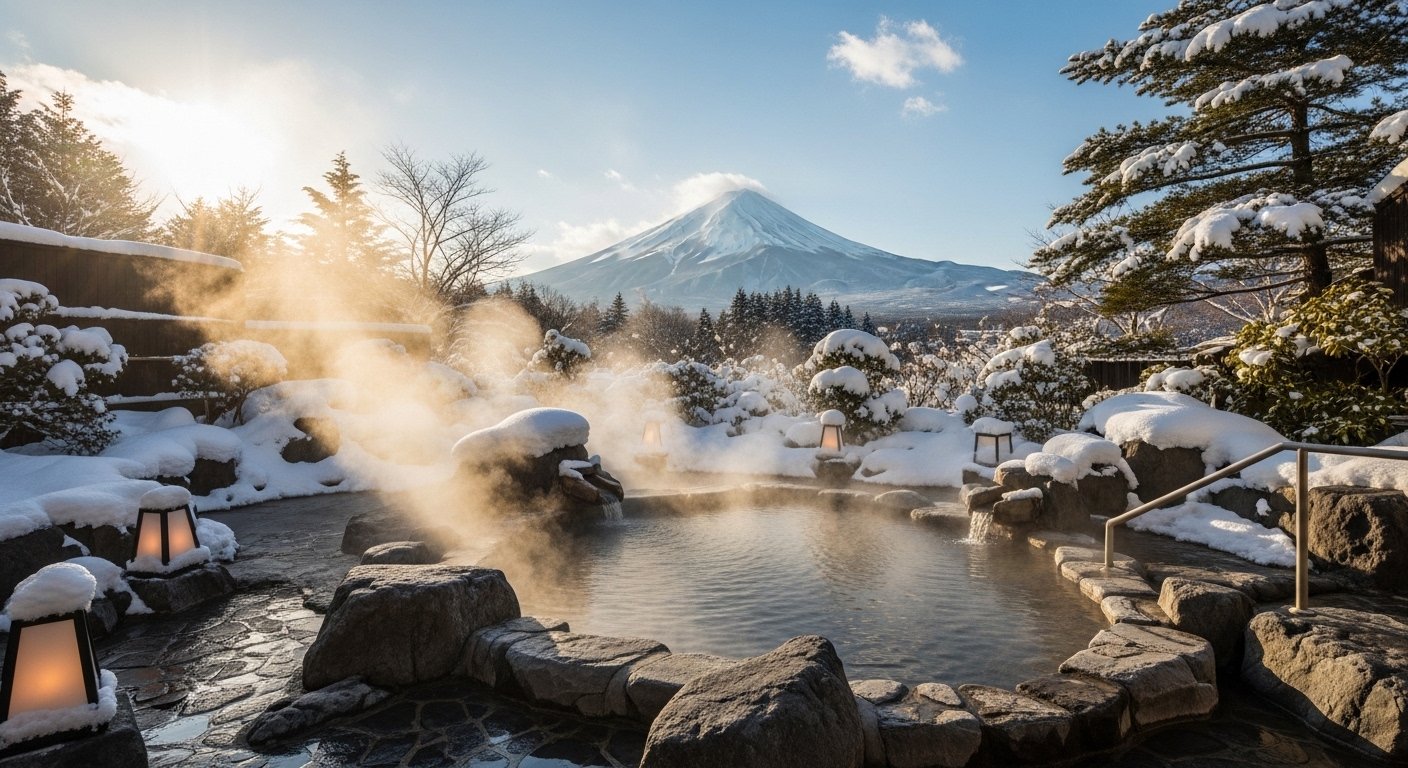
*Images used in this article are for illustration only. They may not be directly related to the content.
Winter Hiking in Japan: Your Guide to Staying Safe & Warm on Snowy Trails
The snow-capped peaks of Japan offer a breathtaking winter landscape, inviting adventurers to explore a side of the country few international visitors experience. However, the unique challenges of Japanese winter mountains—from specific gear requirements and nuanced local etiquette to sudden weather changes—can feel daunting. You’re not alone if you’ve struggled to find clear information on how to prepare.
This comprehensive guide cuts through the noise, providing practical, actionable advice to ensure your winter hiking Japan experience is both safe and memorable. We’ll cover the essential gear you need, explain crucial Japanese trail etiquette, and equip you with the knowledge to navigate snowy conditions confidently. Prepare to embrace the silence and beauty of Japan’s winter wonderland.
Table of Contents
- Why Winter Hiking in Japan is Unique
- Essential Winter Hiking Gear for Japan
- Understanding Japanese Mountain Etiquette
- Safety First: Preparing for Winter Conditions
- Key Japanese Phrases for the Trail
- Budgeting Your Winter Hike: Rental vs. Purchase
- Common Mistakes to Avoid
- Your Winter Hiking Quick Reference Card
- Emergency Contacts on the Trail
- Frequently Asked Questions
- Conclusion: Embrace the Japanese Winter
- Disclaimer
Why Winter Hiking in Japan is Unique
Japan’s mountainous terrain, combined with its heavy seasonal snowfall, creates specific conditions for winter hiking. Regions like the Japan Alps (Northern, Central, Southern), Hokkaido, and Tohoku are known for deep powder and require specialized gear and experience. Even trails closer to urban centers, such as Mt. Takao near Tokyo, can develop icy sections, demanding caution.
The winter hiking season typically runs from late November/early December to late March/early April, but this varies significantly by location and year. Conditions can change rapidly, with clear skies giving way to blizzards in a matter of hours. This unpredictability, coupled with often remote locations and limited English information, necessitates thorough preparation.
Essential Winter Hiking Gear for Japan
Proper gear is non-negotiable for snow hiking Japan. Hypothermia and frostbite are real risks. Layering is key, and waterproofing is paramount. Here’s a breakdown of what you’ll need:
Outerwear: The Shell System
- Waterproof/Windproof Jacket: A durable shell with a hood. GORE-TEX or similar breathable, waterproof materials are ideal.
- Waterproof/Windproof Pants: Again, GORE-TEX or equivalent. Look for full-length side zippers for ventilation and easy donning over boots.
- Insulation Layers:
- Base Layer: Merino wool or synthetic long-sleeved top and bottoms that wick moisture away from your skin. Avoid cotton.
- Mid-Layer: Fleece jacket or a lightweight down/synthetic insulated jacket for warmth.
- Puffy Jacket: A packable, warm down or synthetic jacket for rest stops or extreme cold.

Footwear & Traction
- Insulated Winter Hiking Boots: Waterproof, ankle-supporting, and rated for cold temperatures. Ensure they are compatible with crampons.
- Crampons: Full strap-on or semi-automatic crampons are essential for icy sections and hard-packed snow. Practice attaching them before your hike.
- Snowshoes: For deep powder, snowshoes distribute your weight, preventing you from sinking. Choose a size appropriate for your weight and pack.
- Gaiters: Waterproof gaiters keep snow out of your boots and protect your lower legs.
- Wool/Synthetic Socks: Multiple pairs to change if they get wet.

Safety & Navigation
- Ice Axe: Essential for self-arrest on steep slopes and for stability. Learn how to use it properly.
- Helmet: Recommended for routes with avalanche risk or potential falling ice/rocks.
- GPS Device/Smartphone with Offline Maps: Do not rely solely on phone battery. Carry a power bank. Map apps like Yamap or YAMAKEI are popular in Japan.
- Physical Map & Compass: Always carry a backup. Understand how to use them.
- Headlamp: With spare batteries. Winter daylight hours are short.
- First-Aid Kit: Comprehensive, including emergency blanket, blister treatment, and personal medications.
- Shovel & Probe: If venturing into avalanche terrain (and you have avalanche training).

Other Essentials
- Gloves/Mittens: Waterproof, insulated, and a spare pair.
- Hat/Balaclava: To retain body heat.
- Goggles/Sunglasses: For eye protection from sun and snow glare.
- Backpack: At least 40-60L, waterproof cover, compatible with ice axe/snowshoe attachment.
- Thermos with Hot Drink: Crucial for warmth and hydration.
- High-Energy Snacks: Gels, nuts, chocolate.
- Sunscreen & Lip Balm: Snow reflects UV rays.
🎯 Local Pro-Tip: Many outdoor shops in major cities (e.g., Tokyo, Osaka, Sapporo) or near popular mountain regions offer winter gear rentals. This can be a practical option if you don’t own specialized equipment or prefer not to travel with it. Always reserve in advance during peak season.
Understanding Japanese Mountain Etiquette
Respect for nature and fellow hikers is deeply ingrained in Japanese mountain culture. Adhering to these unwritten rules ensures a smooth experience and avoids cultural misunderstandings.
Submitting a Climbing Plan (登山計画書, Tozan Keikakusho)
For many popular mountain trails, especially in winter, submitting a climbing plan is mandatory or strongly recommended. This document provides authorities with your route, timeline, and contact information. In case of an emergency, it significantly aids rescue efforts.
- Where to get it: Often available as a downloadable PDF online (search for the specific mountain or national park) or at trailhead information centers, local police stations, or mountain huts.
- Where to submit it: Look for bright red or orange submission boxes at the trailhead (登山届ポスト, Tozan-todoke Posuto). Some areas also allow online submission.

On the Trail
- Greetings: It is common to exchange greetings (こんにちは, Konnichiwa – hello; or お疲れ様です, Otsukaresama desu – thank you for your hard work/effort) with other hikers you encounter.
- Passing: If you need to pass someone, politely say 「すみません、通ります。」 (Sumimasen, toorimasu. – Excuse me, I’m passing.) and wait for them to acknowledge. On narrow trails, the uphill hiker generally has the right of way.
- Leave No Trace: This principle is strictly observed. Pack out everything you pack in, including all trash. Do not disturb flora or fauna.
- Noise: Keep noise levels low. Many hikers appreciate the tranquility of nature. Avoid loud conversations or music.
- Mountain Huts (山小屋, Yama-goya): If staying overnight, follow hut rules strictly. Reservations are often essential, especially in winter. Be mindful of quiet hours.

Safety First: Preparing for Winter Conditions
Safety in Japanese winter mountains is paramount. The consequences of under-preparation can be severe.
Check Weather & Mountain Conditions
Always check the latest weather forecast and mountain conditions before and immediately prior to your hike.
Japan Meteorological Agency (JMA) provides reliable weather data. Look for specific mountain weather forecasts if available.
Avalanche Safety
Areas with heavy snowfall, particularly in the Japan Alps and Hokkaido, carry significant avalanche risk. If you plan to venture into terrain prone to avalanches:
- Obtain proper avalanche safety training (e.g., AST 1).
- Carry an avalanche beacon, probe, and shovel.
- Check avalanche forecasts (if available for your specific region).
- Consider hiring a certified local mountain guide.
Group Hiking & Informing Others
- Never hike alone in winter. Always go with at least one experienced companion.
- Inform someone reliable (e.g., hotel staff, family/friends) of your exact route, estimated return time, and who to contact if you don’t check in.
Navigation & Emergency Preparedness
- Stay on marked trails. Winter snow can obscure paths, making navigation challenging.
- Know your limits. Choose a route appropriate for your skill level and current conditions.
- Be aware of shorter daylight hours. Plan your hike to finish well before sunset.
- Pack an emergency shelter (bivy sack), extra food, water, and warm clothing.
🎯 Local Pro-Tip: Mountain huts (山小屋, Yama-goya) can be vital refuges in winter. Some are open year-round, others only in summer. Always confirm operating hours and make reservations well in advance if you plan to use them.
Key Japanese Phrases for the Trail
🇯🇵 Point & Speak
Show this section to staff or fellow hikers if you’re stuck. They can read the Japanese.
English: Climbing plan (notification)
登山計画(届)
(Tozan Keikaku (Todoke))
English: Caution! Slippery!
注意!滑りやすい!
(Chūi! Suberi yasui!)
English: Excuse me, I’m passing.
すみません、通ります。
(Sumimasen, toorimasu.)
English: Mountain hut
山小屋
(Yama-goya)
English: I am lost.
道に迷いました。
(Michi ni mayoimashita.)
Budgeting Your Winter Hike: Rental vs. Purchase
Specialized winter hiking gear is an investment. Deciding whether to rent or buy depends on your frequency of use and travel logistics.
💰 Price Breakdown: Winter Hiking Gear
| Item Category | Rental Cost (per day) | Purchase Cost (entry-level) |
| Outerwear Set (Jacket & Pants) | ¥2,000-¥5,000 | ¥20,000-¥60,000+ |
| Winter Boots | ¥1,500-¥3,000 | ¥15,000-¥40,000+ |
| Crampons | ¥1,000-¥2,000 | ¥8,000-¥25,000 |
| Ice Axe | ¥800-¥1,500 | ¥7,000-¥20,000 |
| Snowshoes | ¥1,500-¥3,000 | ¥15,000-¥40,000+ |
| Total Rental (per day for core items) | ¥3,000-¥10,000 | N/A |
Prices can vary significantly based on shop, brand, quality, and rental duration. Verified as of December 2024 (general market rates).
Renting: Ideal for one-off trips or if you’re exploring different winter activities. Many rental shops offer packages. Search online for “winter hiking gear rental Japan” or “snowshoe rental [region name]”.
Buying: A better option if you plan multiple winter hikes or already have core layers. Consider purchasing items like base layers and gloves, which are more personal. You can find good quality gear at outdoor retailers like Montbell, Ishii Sports, andici.
Common Mistakes to Avoid
Being aware of typical pitfalls can save you from discomfort or danger:
- Underestimating the Cold: Even on sunny days, temperatures in the mountains can drop significantly. Wind chill exacerbates this.
- Wearing Cotton: Cotton absorbs moisture and loses its insulating properties when wet, leading to rapid heat loss. Stick to wool or synthetics.
- Ignoring Weather Forecasts: Mountain weather is dynamic. A clear morning can turn into a whiteout by afternoon. Check forecasts diligently.
- Not Submitting a Climbing Plan: This is a crucial safety measure that is easy to overlook for international visitors.
- Relying Solely on Electronic Navigation: Batteries die in the cold. Always carry a physical map and compass, and know how to use them.
- Lack of Hydration: Even in cold weather, you dehydrate. Carry plenty of water (and a thermos of hot tea) and drink regularly.
- Overpacking or Underpacking: Find the right balance. Carry essentials but avoid unnecessary weight.
- Ignoring Local Advice: If a local advises against a particular route or warns about conditions, heed their warnings. They have firsthand knowledge.
Your Winter Hiking Quick Reference Card
📋 Quick Reference Card: Winter Hiking Japan
Screenshot or print this section for easy access:
- ✅ Submit Tozan Keikakusho (登山計画書) at trailhead or online.
- ✅ Check JMA Weather (jma.go.jp) & local mountain conditions.
- ✅ Pack Essential Gear: Layers, waterproof shell, insulated boots, crampons, ice axe, navigation tools.
- ✅ Hike with a Buddy and inform someone of your itinerary.
- ✅ Stay Hydrated & Fueled: Carry hot drinks and high-energy snacks.
- ✅ Respect Etiquette: Greetings, polite passing, Leave No Trace.
- ✅ Emergency Numbers: 110 (Police), 119 (Ambulance/Fire).
Emergency Contacts on the Trail
While preparation minimizes risk, emergencies can happen. Know these numbers:
🚨 Emergency Contacts
| Police (for search and rescue, injuries) | 110 |
| Ambulance/Fire (for immediate medical emergencies, fire) | 119 |
All numbers are free and work from any phone, including public phones. State “Kōban” (交番) for police or “Kyūkyūsha” (救急車) for ambulance if language is a barrier.
Consider carrying a satellite communicator or a personal locator beacon (PLB) for remote areas where mobile phone service is unreliable.
Frequently Asked Questions
Do I need specific winter hiking experience for Japanese trails?
Yes, significant winter hiking experience is recommended, especially for trails in the Japan Alps or Hokkaido. Even lower elevation trails can become dangerous with ice and snow. If you lack experience, consider guided tours or stick to popular, well-maintained paths that are known to be safe in winter, and always check conditions.
Can I rent all my winter hiking gear in Japan?
Yes, many outdoor gear shops in major cities and near mountain regions offer comprehensive winter hiking gear rentals, including jackets, pants, boots, crampons, ice axes, and snowshoes. It’s advisable to reserve your gear in advance, especially during peak season, to ensure availability and proper sizing.
What are the best areas for beginners to try winter hiking in Japan?
For beginners, areas with less extreme conditions and clearer trails are better. Popular options include snowshoeing tours around national parks like Fuji-Hakone-Izu, or easier routes near ski resorts that offer marked snowshoeing courses. Always check local conditions and seek guidance before attempting any winter trail.
Is avalanche risk a major concern for winter hiking in Japan?
Yes, avalanche risk is a significant concern in many high-snowfall regions of Japan, particularly in the Japan Alps and Hokkaido. It is crucial to check local avalanche forecasts, understand safe terrain travel, carry appropriate safety equipment (beacon, probe, shovel), and consider hiring a certified guide if you lack avalanche training.
Conclusion: Embrace the Japanese Winter
Winter hiking in Japan offers unparalleled beauty and tranquility. By understanding the specific demands of the terrain, preparing with the right gear, respecting local customs, and prioritizing safety, you can transform potential challenges into an enriching adventure.
This guide aims to remove friction, providing you with the practical knowledge to step onto Japan’s snowy trails confidently and warmly. Plan meticulously, respect the mountains, and enjoy an unforgettable journey into Japan’s winter heartland.
Disclaimer
This guide provides general information for winter hiking in Japan. Mountain conditions, weather, and regulations can change rapidly. Always exercise caution, conduct your own thorough research, consult local authorities or experienced guides, and assume personal responsibility for your safety. This information should not replace professional advice or training.