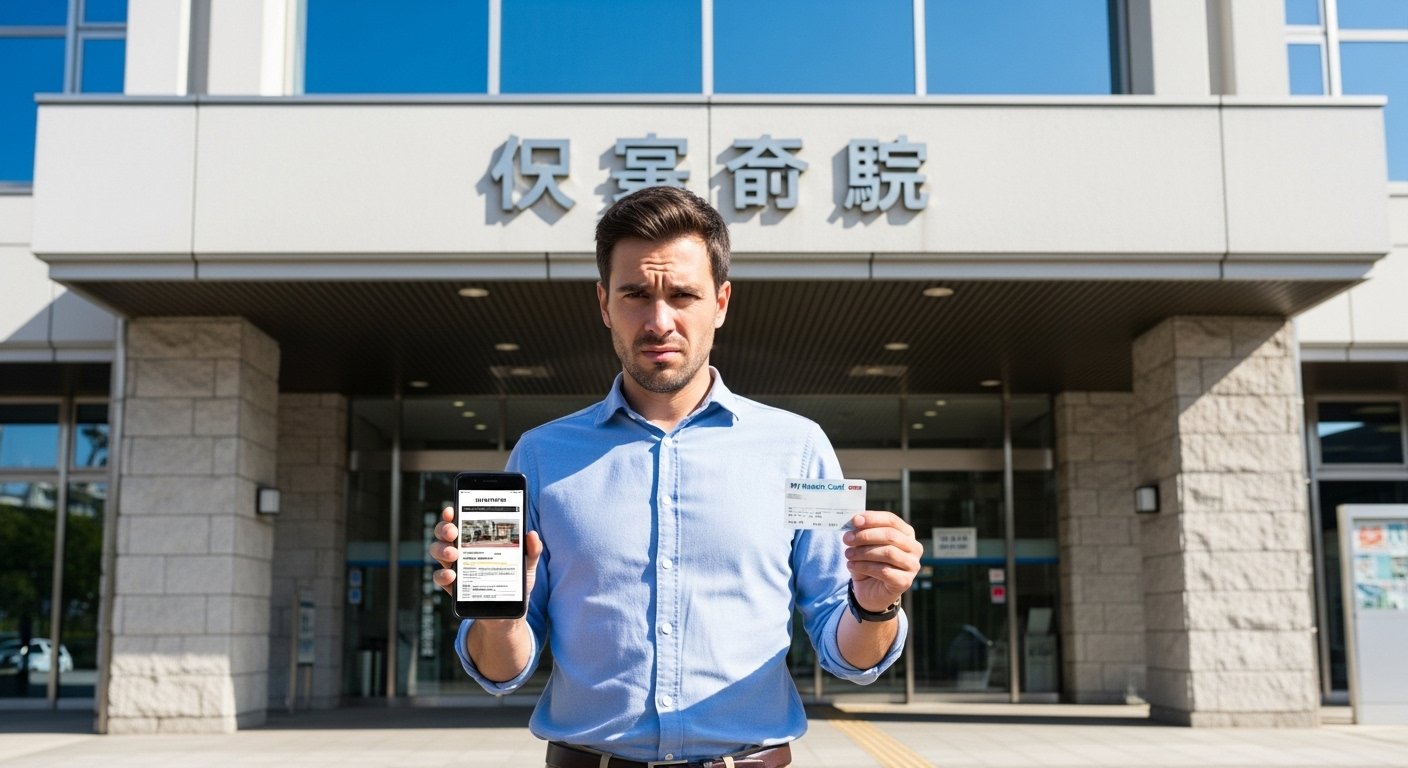
*Images used in this article are for illustration only. They may not be directly related to the content.
Winter Workations: Solve Your Remote Work Challenges in Japan as a Digital Nomad
The allure of a winter workation in Japan is undeniable: tranquil snowy landscapes, warm onsen, and fewer crowds. However, beneath this picturesque ideal lies a distinct set of practical challenges for the international remote worker. You’ve pictured yourself productive, immersed in local culture, but the reality often brings questions about connectivity, accommodation, and the paperwork for a longer stay. This guide cuts through the romantic notions to provide direct, actionable solutions for the most common hurdles faced by digital nomads.
You’re not alone in these frustrations. This post will equip you with the strategies to secure reliable internet, find budget-friendly housing even in colder climates, navigate Japan’s visa requirements, and overcome language barriers. We’ll also cover how to tap into a sense of community, ensuring your winter workation in Japan is both productive and genuinely enriching.
Table of Contents
- Tackling Japan’s Internet Connectivity in Winter
- Securing Budget-Friendly Winter Housing Beyond Major Cities
- Navigating Japan’s Visa Requirements for Extended Stays
- Bridging the Language Gap: Essential Communication for Daily Life
- Finding Your Tribe: Building Community as a Digital Nomad in Japan
- Common Mistakes to Avoid on Your Japan Winter Workation
- Frequently Asked Questions
Tackling Japan’s Internet Connectivity in Winter
The Problem: Unreliable and Slow Internet in Rural Areas
While urban Japan boasts world-class internet, venturing into rural areas for a quieter, more authentic winter workation can expose you to unreliable and slow connections. Many traditional accommodations or remote guesthouses may offer basic Wi-Fi, but it might not handle video calls, large file uploads, or consistent streaming. This can cripple your remote work setup and cause significant frustration.
The Solution: Strategic Connectivity Choices
To ensure consistent internet access, especially for your digital nomad needs, do not rely solely on your accommodation’s Wi-Fi. Proactive measures are essential:
- Pre-Order a Pocket Wi-Fi Device: This is often your most reliable option. Pre-order online for airport pickup or delivery to your first accommodation. Ensure the plan offers sufficient data (100GB+ is recommended for heavy usage) and check coverage maps for your specific rural destination. Providers like Japan Experience (Japan Experience – Pocket Wifi Rental) are popular.
- Consider an eSIM: If your phone supports eSIMs, this offers flexibility. Providers like Airalo or Holafly offer data-only eSIMs for Japan. This turns your smartphone into a personal hotspot, but verify data limits and network speeds. It’s often cheaper than physical SIM cards for short to medium stays.
- Utilize Urban Coworking Spaces: If your workation involves occasional trips to larger towns or cities, leverage coworking spaces. These are abundant in Tokyo and Osaka, offering high-speed internet, power outlets, and a professional environment. Even in some smaller regional cities, you might find a dedicated space.
- Explore Local Libraries and Internet Cafes: In truly rural areas where coworking spaces are absent, local libraries often provide free Wi-Fi, though hours may be limited. Internet cafes (ネットカフェ – netto kafe) can also be found in larger regional towns and offer private booths with stable connections.
- Verify Accommodation Wi-Fi: Before booking, specifically ask about Wi-Fi speed and reliability, especially if it’s a traditional ryokan or guesthouse. Don’t assume “free Wi-Fi” means “fast Wi-Fi.”
💰 Price Breakdown: Internet Connectivity
| Item | Estimated Monthly Cost |
| Pocket Wi-Fi Rental (100GB+) | ¥5,000 – ¥10,000 |
| eSIM Data Plan (e.g., 50GB) | ¥3,000 – ¥6,000 |
| Coworking Space (Day Pass) | ¥1,000 – ¥2,500 |
Prices verified as of December 2024. Costs vary by provider and data allowance.
🎯 Local Pro-Tip: Before committing to a long-term rental or a remote area, use a site like fast.com or speedtest.net to test the local network speed using your pocket Wi-Fi or eSIM. This gives you a real-world benchmark.
Securing Budget-Friendly Winter Housing Beyond Major Cities
The Problem: Scarcity of Affordable, Winter-Appropriate Housing
Finding affordable, comfortable, and winter-appropriate housing outside of major Japanese cities can be a significant hurdle. Many traditional Japanese homes are not built for harsh winters, lacking central heating and proper insulation, leading to high utility bills and uncomfortable living conditions. Furthermore, short-term rentals designed for digital nomads are less common in rural settings.
The Solution: Diversified Search and Practical Considerations
Expand your search beyond typical vacation rental sites and consider specific factors for winter stays:
- Monthly Apartment Rentals (e.g., Leopalace21): Companies like Leopalace21 (Leopalace21 – Monthly Apartment Rentals) specialize in fully furnished apartments available for monthly leases, often with utilities included or easy setup. While more prevalent in cities, they have options in some regional centers. These are typically better insulated than older homes.
- Guesthouses and Share Houses: Many guesthouses offer longer-term rates during off-peak seasons (which can include winter in less touristy areas). Share houses provide a community aspect and often include utilities in the rent. Look for listings on specialized platforms for long-term stays.
- Local Property Agents: If you speak some Japanese or have a local contact, a local real estate agent in a smaller town might have listings for older, but affordable, apartments or houses. Be prepared for potential key money (礼金 – reikin) and deposit (敷金 – shikikin) requirements, even for shorter terms.
- Airbnb/Booking.com (Long-Term Filter): Use the “monthly stay” or “longer stay” filters on these platforms. Contact hosts directly to inquire about winter amenities like heating systems, insulation, and snow removal plans if you’re in a heavy snowfall area.
- Consider Heating and Insulation: Ask directly about heating systems. Air conditioners often double as heaters, but kerosene heaters (灯油ストーブ – tōyu sutōbu) and electric blankets (電気毛布 – denki mōfu) are common supplemental heat sources. Traditional homes can be drafty, so factor in potential higher electricity or kerosene costs.
💰 Price Breakdown: Monthly Accommodation
| Type of Accommodation | Estimated Monthly Cost |
| Rural Apartment (basic, self-catering) | ¥40,000 – ¥80,000 |
| Regional City Apartment (Leopalace-style) | ¥60,000 – ¥100,000 |
| Guesthouse/Share House (private room) | ¥35,000 – ¥70,000 |
Prices verified as of December 2024. Excludes initial fees for some rentals. Utilities may be extra, especially in winter.
🎯 Local Pro-Tip: Daylight hours are significantly reduced in winter, especially in northern Japan. Ensure your accommodation has good lighting for work and consider investing in a desk lamp. This impacts work-life balance during a workation.

Navigating Japan’s Visa Requirements for Extended Stays
The Problem: Complex and Restrictive Visa Requirements
For many nationalities, a tourist visa allows a stay of up to 90 days. If your winter workation plans exceed this duration, you’ll encounter complex and potentially restrictive visa requirements. Japan does not currently offer a dedicated digital nomad visa. Overstaying your visa is illegal and can lead to serious consequences, including deportation and future entry bans.
The Solution: Understanding Options and Official Channels
Extended stays require careful planning and adherence to Japanese immigration law:
- Understand the 90-Day Rule: Most visitors from visa-exempt countries are granted a 90-day Temporary Visitor (tourist) status upon arrival. This status is for tourism, not for working (even remotely for a non-Japanese company).
- Tourist Visa Extension (Limited Cases): In very specific, compelling circumstances (e.g., medical emergency, natural disaster preventing departure), a single extension of another 90 days *may* be granted. This is not a guaranteed process and requires a valid, justifiable reason presented to the Immigration Bureau. Remote work is generally not considered a valid reason for a tourist visa extension.
- Long-Term Visa Options: For stays exceeding 90 days with no compelling reason for a tourist extension, you typically need to apply for a long-term visa *before* entering Japan. Common options include:
- Student Visa: Enroll in a language school or other educational institution.
- Cultural Activities Visa: For individuals engaging in specific unpaid cultural activities (e.g., martial arts, traditional arts).
- Working Holiday Visa: Available to citizens of certain countries (usually 18-30 years old), allowing a stay of up to one year with limited work permission. This is often the most suitable option for longer workations.
- Consult Official Sources: Always refer to the Ministry of Foreign Affairs of Japan and the Immigration Services Agency of Japan for the most current and accurate information.
🇯🇵 Point & Speak
If you need to inquire about visa procedures, show this section to staff at the Immigration Bureau. They can read the Japanese.
English: I want to extend my visa.
ビザを延長したいです。
(Biza o enchō shitai desu.)
English: Where is the Immigration Bureau?
入国管理局はどこですか?
(Nyūkoku kanrikyoku wa doko desu ka?)
Visual Step-by-Step: Visiting the Immigration Bureau
If you need to visit the Immigration Bureau for inquiries or an extension application:
- Step 1: Locate the Bureau.
Visual cue: Immigration Bureau buildings often have signs in Japanese and English with the words “Immigration Bureau” (入国管理局 – Nyūkoku Kanrikyoku) clearly displayed. They are typically large, official-looking government buildings. Use Google Maps with the Japanese name for accuracy.
What to do: Plan your visit during business hours. Bureaus are located in major regional cities like Tokyo, Osaka, Nagoya, Fukuoka, etc.
- Step 2: Gather Documents.
Visual cue: Visa application forms are usually available in English and Japanese, often located near the entrance or information desk of the Immigration Bureau. Look for numbered counters and information pamphlets.
What to do: Bring your passport, current visa/landing permission, proof of funds, and any documents supporting your reason for extension (e.g., medical certificates). Have photocopies ready.
- Step 3: Take a Number and Wait.
Visual cue: Upon entering, look for a machine dispensing numbered tickets (整理券 – seiriken). There will be different counters for different services.
What to do: Select the correct service (e.g., “temporary visitor extension”) and wait for your number to be called to the appropriate counter. Be prepared for potentially long waiting times.

Useful Links:
- ✅ Ministry of Foreign Affairs of Japan – Visa Information (Official)
- ✅ Immigration Services Agency of Japan (Official)
Bridging the Language Gap: Essential Communication for Daily Life
The Problem: Communication Difficulties in Rural Areas
In major tourist hubs, English support is common. However, in rural Japan, English speakers are scarce. This language barrier can turn simple daily tasks into complex challenges, from ordering food to asking for directions or resolving issues with your accommodation or internet. This can lead to isolation and stress, impacting your workation experience.
The Solution: Practical Language Tools and Mindset
While you don’t need to be fluent, a proactive approach to communication is key:
- Learn Basic Japanese Phrases: Focus on essential phrases for greetings, asking for help, ordering, and numbers. Even a few words go a long way in showing respect and initiating communication.
- Utilize Translation Apps: Google Translate and DeepL are invaluable. Google Translate’s camera function can instantly translate signs and menus. Its conversation mode is useful for spoken exchanges, though it requires a stable internet connection.
- Write it Down: If verbal communication is failing, write down what you need (or have a translation app write it). Showing text can often be clearer than struggling through spoken words.
- Non-Verbal Communication: Politeness, smiling, pointing, and clear gestures can help convey your message. Be patient and understanding.
- Carry a Small Phrasebook: A physical phrasebook doesn’t rely on battery or signal and can be quickly referenced.
🇯🇵 Point & Speak
Show this section to staff if you’re stuck. They can read the Japanese.
English: Do you have Wi-Fi?
Wi-Fiはありますか?
(Wi-Fi wa arimasu ka?)
English: Can you speak English?
英語を話せますか?
(Eigo o hanasemasu ka?)
English: How much is this?
これはいくらですか?
(Kore wa ikura desu ka?)

Finding Your Tribe: Building Community as a Digital Nomad in Japan
The Problem: Lack of Established Digital Nomad Communities
Unlike some digital nomad hotspots, many Japanese regions, especially rural ones, do not have a visible, established digital nomad community. This can lead to feelings of isolation and make it harder to find like-minded individuals for networking, sharing experiences, or simply socializing.
The Solution: Proactive Engagement and Local Immersion
Building a community requires effort, but it’s rewarding:
- Online Digital Nomad Groups: Join Facebook groups like “Digital Nomads Japan” or “Expats in Japan.” These groups often organize meetups in major cities but can also be a source of information and virtual connection for those in more remote areas.
- Local Events and Classes: Look for local community center (公民館 – kōminkan) listings, regional festivals, or cultural classes (e.g., cooking, pottery, language exchange). Engaging in local activities is a direct way to meet Japanese people and potentially other foreigners.
- Coworking Spaces (Even Occasional Use): Even if you primarily work from your accommodation, consider visiting a coworking space in the nearest regional city once a week. These hubs naturally attract other remote workers and offer networking opportunities.
- Frequent Local Spots: Become a regular at a local cafe, izakaya (Japanese pub), or small restaurant. Staff and other regulars might start recognizing you, leading to casual conversations and connections over time.
- Language Exchange Partners: Websites like Meetup.com or local university bulletin boards might have listings for language exchange partners, offering a chance to practice Japanese while meeting new people.
📋 Quick Reference Card: Building Community
Screenshot or print this section for easy access:
- ✅ Join online nomad groups (Facebook, Discord).
- ✅ Seek out local community events/classes.
- ✅ Utilize coworking spaces regularly.
- ✅ Frequent local cafes or izakayas.
- ✅ Look for language exchange opportunities.

Common Mistakes to Avoid on Your Japan Winter Workation
Being aware of common pitfalls can save you time, money, and stress:
- Underestimating Winter Conditions: Japan’s winter can be severe, especially in the north and mountainous regions. Roads can be closed, trains delayed, and walking treacherous. Pack layers, waterproof outerwear, and proper winter boots.
- Relying Solely on Free Wi-Fi: Free public Wi-Fi is often slow, unreliable, and potentially insecure. Invest in a dedicated solution like a pocket Wi-Fi or eSIM for work.
- Ignoring Heating Costs: Older Japanese homes can be very cold. Heating can significantly increase your utility bills. Clarify heating options and estimated costs with your landlord.
- Waiting Until the Last Minute for Visa Issues: Visa extensions are not guaranteed and require a legitimate reason. Do not assume you can easily extend a tourist visa. Plan long-term stays far in advance with the correct visa.
- Not Attempting Basic Japanese: Even if you have translation apps, making an effort to learn basic phrases demonstrates respect and can open doors to more positive interactions.
- Isolating Yourself: While focus is important, actively seek out local interactions and community groups. Loneliness can be a significant challenge for digital nomads in unfamiliar environments.
Frequently Asked Questions
Is Japan a good place for digital nomads in winter?
Japan offers unique experiences in winter, but it requires thorough planning for reliable internet, suitable housing with heating, and navigating visa complexities. Major cities are better equipped, but rural areas can offer tranquility if prepared for. It’s feasible and rewarding with the right preparation.
How can I get fast internet in rural Japan for remote work?
Your best options are pre-renting a high-data Pocket Wi-Fi device or using an eSIM with sufficient data allowance. Always check coverage maps for your specific rural location before committing. Do not rely solely on accommodation Wi-Fi.
What are my options for affordable winter accommodation outside Tokyo?
Consider monthly apartment rentals from companies like Leopalace21 in regional cities, or seek out guesthouses and share houses in smaller towns that offer long-term rates. Using the “monthly stay” filter on popular booking sites and inquiring about heating is also key. Rural areas can be significantly cheaper.
Can I extend my tourist visa in Japan for a longer workation?
Tourist visas (Temporary Visitor status) are generally for up to 90 days and extensions are only granted in very specific, compelling, and unavoidable circumstances (e.g., medical emergency). Remote work is not typically considered a valid reason. For longer stays, explore options like a Working Holiday Visa or a Student Visa applied for before arrival.
Conclusion
A winter workation in Japan as a digital nomad presents incredible opportunities for unique experiences, but it’s not without its challenges. From securing reliable internet in rural areas and finding warm, budget-friendly accommodation to navigating visa regulations and bridging language gaps, meticulous preparation is your greatest asset. By leveraging the practical strategies and local insights outlined here, you can overcome these hurdles.
Japan offers a profound backdrop for remote work, even in its colder months. With the right planning and a practical mindset, your winter workation can be both highly productive and deeply memorable. Start planning your unique Japanese workation today.
Disclaimer
The information provided in this guide is for general informational purposes only and is subject to change. Visa requirements, prices, and availability of services can fluctuate. Always verify current regulations and details with official sources (e.g., Japanese government websites) and service providers before making travel or accommodation arrangements. We are not responsible for any inaccuracies or changes that may occur after publication.