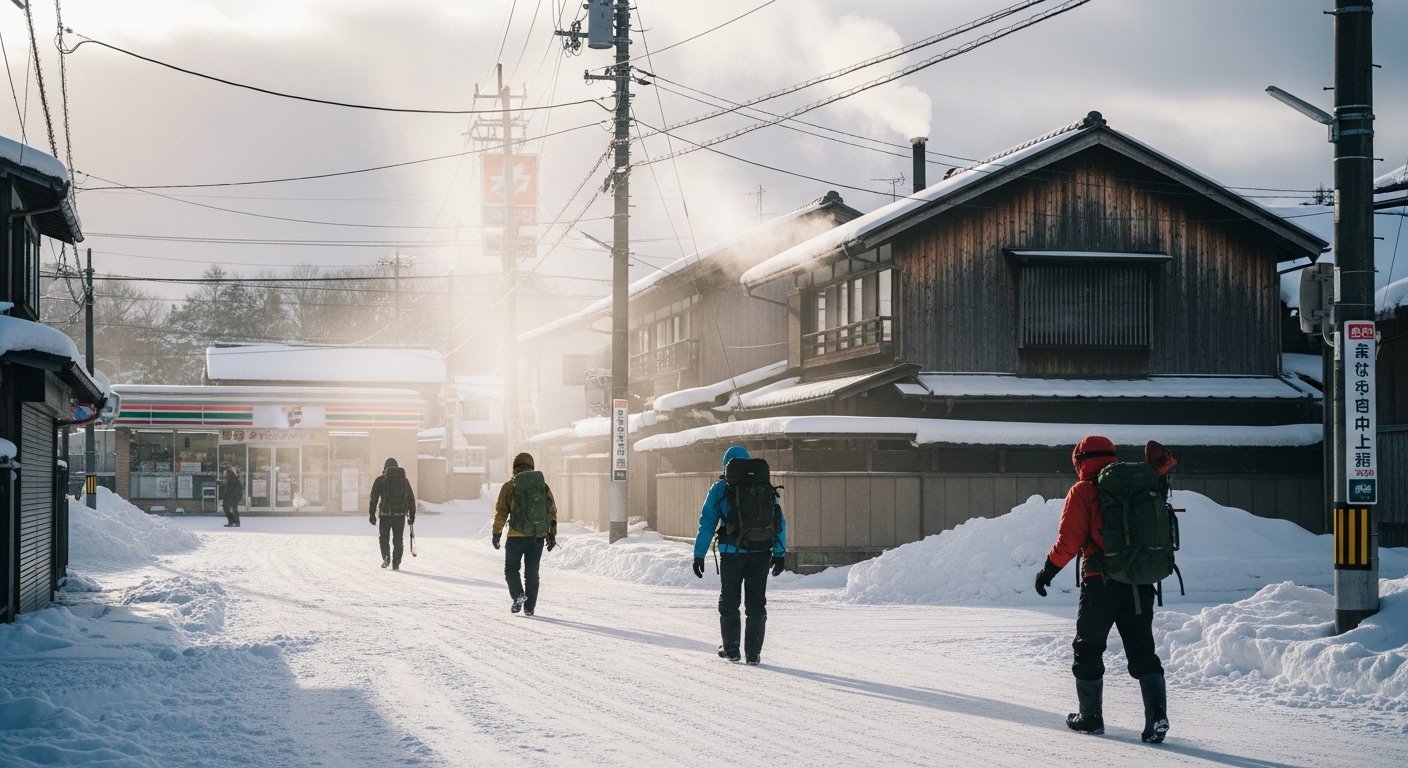
*Images used in this article are for illustration only. They may not be directly related to the content.
Avoid Getting Stranded: Your Guide to Japan’s New Year Transport Schedules, Crowds, & Late-Night Safety
Planning to travel Japan during the New Year period (late December to early January)? You’re anticipating an incredible cultural experience. However, navigating Japan’s public transportation during this time can present unique challenges. Confusing schedules, overwhelming crowds, and the risk of being stranded late at night are common pain points for international visitors.
This guide cuts through the confusion. We provide practical, actionable strategies to understand reduced holiday schedules, manage significant crowds at major stations and popular Hatsumode (first shrine visit) venues, and ensure your late-night safety. Our goal is to remove friction, helping you travel efficiently and without unnecessary stress.
Table of Contents
The Challenge: Japan’s New Year Transport Reality
Japan’s New Year holiday period, known as Shōgatsu, is a time of nationwide travel. Millions of people return to their hometowns, visit family, or participate in cultural traditions like Hatsumode (the first shrine or temple visit of the year). This creates significant strain on the transportation network.
Confusing Holiday Schedules
Unlike many Western holidays with full shutdowns, Japan’s system adapts. However, this adaptation means that from January 1st to approximately January 3rd (sometimes 4th), most public transportation, including local trains and buses, switches to a ‘holiday’ or ‘weekend’ schedule (kyūjitsu daiya – 休日ダイヤ). This translates to significantly reduced frequency compared to weekday schedules. Waiting times increase, and routes you’d rely on daily might run less often, leading to increased crowding and requiring meticulous planning.
An exception exists for New Year’s Eve (December 31st into January 1st). Many major metropolitan train lines (e.g., JR East, Tokyo Metro, Toei Subway in Tokyo; JR West, Osaka Metro in Kansai) often offer extended or 24-hour ‘all-night’ service (shūya unten – 終夜運転). This special service facilitates Hatsumode visits to popular shrines. It is crucial to note that this extended service is not nationwide; smaller cities or less critical lines will likely run regular or reduced holiday schedules. Always verify specific line announcements.
Overwhelming and Potentially Unsafe Crowds
Major Hatsumode destinations such as Meiji Jingu (Tokyo), Senso-ji (Tokyo), Fushimi Inari Taisha (Kyoto), and Sumiyoshi Taisha (Osaka) experience extreme congestion. This is particularly true from midnight on December 31st until the early morning hours of January 1st, and throughout the first few days of January. Expect significant delays for entering shrines/temples, navigating surrounding areas, and using nearby stations. While Japan is remarkably safe, such dense crowds increase the risk of petty theft (pickpocketing) and accidental jostling. Maintaining awareness of your belongings and surroundings is vital.

Risk of Being Stranded Late at Night
Missing a last train during this period can have significant consequences. With reduced schedules, the window for late-night travel shrinks. Taxis are available but are in extremely high demand, especially during New Year’s Eve and early January. Finding one can be difficult, if not impossible, in densely populated areas. Ride-sharing apps like Uber are less prevalent in Japan, and their availability can be limited, particularly outside of central metropolitan areas or during peak holiday demand. This situation can lead to unexpected expenses and discomfort.
Luggage Management Headaches
Traveling with large luggage on extremely packed trains and in congested stations is a physical challenge and a safety concern. Not only does it make navigation difficult for you, but it also causes discomfort for fellow passengers. Coin lockers at major stations will almost certainly be full during the New Year period due to high travel volume. This requires proactive planning for bag management.
Language and Cultural Barriers
Obtaining accurate, real-time schedule information or requesting assistance from station staff can be difficult due to language differences. Temporary signs for crowd control or special service often appear only in Japanese. This barrier exacerbates the difficulty of navigating an already complex system.
Your Action Plan: Navigating New Year Transit
Understanding New Year Schedules
The first step to avoiding issues with Japan New Year transport is accurate information.
- Verify ‘All-Night’ Services (Shūya Unten): If you plan to be out on New Year’s Eve (Dec 31st – Jan 1st morning), immediately check if your specific train lines offer extended or 24-hour service. Official announcements for shūya unten are typically made by mid-December each year. These are usually limited to major metropolitan areas and lines connecting to prominent shrines.
- How to Check:
- JR East Official Website (English): jreast.co.jp/multi/en/
- Tokyo Metro Official Website (English): tokyometro.jp/en/
- Osaka Metro Official Website (English): osakametro.co.jp/en/
- For other private lines, search their official English websites for “New Year’s Eve service” or “extended service.”
- Visual Cue: Look for digital display boards at stations. During extended service, they might show “終夜運転” (shūya unten) or “終日運転” (shūjitsu unten – all-day service).
- How to Check:
- Recognize ‘Holiday Schedules’ (Kyūjitsu Daiya): From January 1st to 3rd (or 4th), assume all local trains and buses operate on a reduced ‘holiday’ or ‘weekend’ schedule. This means fewer trains and longer waits.
- How to Check:
- Use transit planner apps like Jorudan (jorudan.co.jp/english/) or Navitime (navitime.co.jp/en/). Input your desired travel date and time. These apps typically account for holiday schedules automatically.
- At stations, printed schedules next to platforms will often indicate “平日ダイヤ” (heijitsu daiya – weekday schedule) and “土休日ダイヤ” (dokyūjitsu daiya – Saturday/holiday schedule). Ensure you’re looking at the correct one.
- How to Check:
- Plan Your Shinkansen Travel: Shinkansen (bullet train) tickets for the New Year period sell out rapidly. If traveling long distances, book your tickets well in advance, ideally months ahead. While Shinkansen run on holiday schedules, their frequency is still high, but seat availability is the concern.
🎯 Local Pro-Tip: Always check the exact travel date in your transit app. Do not assume regular service. A 10-minute journey on a weekday can become 30 minutes with a long wait on a holiday.

Mastering Crowds at Hatsumode Venues and Stations
Crowds are an unavoidable aspect of Japan New Year travel. However, you can manage their impact.
- Adjust Your Hatsumode Timing:
- Avoid Midnight & Early Morning (Jan 1st): This is the absolute peak. If you’re going for the cultural experience, consider visiting a popular shrine later in the day on January 1st, or on January 2nd or 3rd. Crowds will still be significant, but potentially more manageable.
- Consider Smaller Shrines: Instead of major pilgrimage sites, visit a local shrine (jinja) or temple (otera). These offer a more intimate cultural experience with far fewer people.
- Navigate Stations Strategically:
- Follow Crowd Flow: During peak times, stations often implement temporary crowd control measures with barriers and staff directing flow. Follow these directives even if they seem like a longer route.
- Use Less Obvious Exits: In large stations, different exits might lead to the same general area but with varying crowd densities. If you know your direction, a side exit might be calmer.
- Allocate Extra Time: Factor in significant delays for getting through ticket gates, onto platforms, and transferring between lines. What usually takes 5 minutes might take 15.
- Protect Valuables: Keep wallets, phones, and passports in secure, front pockets or bags that are difficult to access without your knowledge. Be extra vigilant in extremely dense areas.

Late-Night Contingencies: Avoiding Being Stranded
The risk of missing the last train is real during this period, especially outside of central Tokyo or Osaka on New Year’s Eve. Proactive planning is your best defense.
- Know Your Last Train: Use Jorudan or Navitime to identify the exact last train time for your route. Set an alarm on your phone to remind you to depart well in advance.
- Have a Backup Plan:
- Emergency Accommodation: Research nearby capsule hotels, internet cafes (manga kissa), or 24-hour establishments as a last resort. These are generally safe, albeit basic, options if you’re stranded.
- Walkable Distance: If your destination is within a reasonable walking distance (e.g., 30-45 minutes), consider it if public transport fails.
- Charge Your Phone: A dead phone means no transit apps, no maps, and no way to call a taxi. Carry a portable charger.
Luggage Strategies for Crowded New Year Travel
Managing luggage on crowded trains is not practical or comfortable. Minimize your burden.
- Utilize Luggage Forwarding Services: For larger bags, Yamato Transport (Takkyubin) or Sagawa Express (Hikyaku) are highly reliable services that can send your luggage directly from your airport, hotel, or convenience store to your next accommodation.
- Yamato Transport: yamatoamerica.com/yamato-global-gateway/personal-shipping/
- Sagawa Express: sagawa-exp.co.jp/english/service/hikyaku/
- Note: During the New Year period, allow for potentially extended delivery times. Ship bags a day or two earlier than usual.
- Travel Light on Peak Days: If you must move between cities or attend Hatsumode during peak travel days, carry only essential small items in a backpack or small shoulder bag. Leave larger suitcases at your hotel or forward them.
- Coin Lockers are Risky: Expect coin lockers at major stations to be full. Do not rely on them for New Year’s travel.

Alternative Transport: Taxis and Ride-Shares
While public transport is the backbone of Japan, understanding alternatives is crucial for emergencies.
- Taxis:
- High Demand, Higher Cost: Taxis are always an option but expect extremely high demand and extended wait times during New Year’s.
- Late-Night Surcharge: A standard late-night surcharge (typically 20-30% of the fare) applies from 22:00 (10 PM) to 05:00 (5 AM). This makes them significantly more expensive during these hours and the holiday.
- Taxi Stands: Look for designated taxi stands (takushī noriba – タクシー乗り場) near major station exits. Hailing one off the street can be challenging during peak times.
- Ride-Sharing Apps (Uber, DiDi, GO):
- Limited Uber Availability: Uber for cars is less prevalent and often more expensive than taxis in major Japanese cities. Availability can be very limited, especially outside central areas or during peak holiday demand.
- ‘GO’ or ‘DiDi’ for Taxis: Japanese taxi-hailing apps like ‘GO’ (go.mo-t.com/en) or ‘DiDi’ are generally more reliable for booking standard taxis. They function similarly to Uber for calling a car. However, expect high wait times during New Year’s. Download and set up these apps before you need them.
🇯🇵 Point & Speak: Essential Japanese Phrases
Show this section to staff if you’re stuck. They can read the Japanese.
English: Last train
終電
(Shūden)
English: First train
始発
(Shihatsu)
English: Holiday schedule (weekend schedule)
休日ダイヤ
(Kyūjitsu daiya)
English: Is there extended service (all-night service)?
終夜運転はありますか?
(Shūya unten wa arimasu ka?)
English: Is there a taxi stand?
タクシー乗り場はありますか?
(Takushī noriba wa arimasu ka?)
English: Excuse me, I’d like to ask something.
すみません、ちょっとお伺いします。
(Sumimasen, chotto o-ukagai shimasu.)
📋 Quick Reference Card: New Year Transport Checklist
Screenshot or print this section for easy access:
- ✅ Check ALL schedules: Assume holiday schedules (休日ダイヤ) Jan 1-3. Verify ‘all-night’ service (終夜運転) for Dec 31st into Jan 1st.
- ✅ Use transit apps: Jorudan/Navitime on specific travel dates for accurate times.
- ✅ Book Shinkansen early: Months in advance for peak New Year travel.
- ✅ Avoid peak Hatsumode: Delay shrine visits or choose smaller venues to reduce crowds.
- ✅ Travel light: Use luggage forwarding for large bags. Coin lockers will be full.
- ✅ Plan late-night exit: Know last train times. Have a taxi app (GO/DiDi) or emergency accommodation plan.
- ✅ Charge your phone: Keep power bank handy.
- ✅ Stay alert: Secure valuables in crowds.
Common Mistakes to Avoid
Learning from others’ missteps can save you significant trouble.
- Assuming Regular Weekday Schedules: This is the most frequent error. Always assume holiday schedules (kyūjitsu daiya) are in effect from Jan 1-3 (and sometimes Dec 30/31, Jan 4, depending on the operator).
- Relying Solely on Taxis or Uber: Expect extreme difficulty finding taxis, especially on New Year’s Eve, and limited availability for ride-shares. They are expensive and not a guaranteed solution.
- Not Confirming Shūya Unten for Your Specific Line: Do not assume all major lines offer 24-hour service on New Year’s Eve. Verify this annually with official sources for your specific route.
- Bringing Large Luggage to Crowded Venues: This hinders your movement, inconveniences others, and poses a mild safety risk. Forward luggage or use only a small bag.
- Underestimating Travel Times: Due to reduced frequency and heavier crowds, travel during New Year’s can take significantly longer than usual. Build in ample buffer time.
Frequently Asked Questions
Are Shinkansen trains affected by New Year holiday schedules?
Shinkansen bullet trains generally operate on a holiday schedule during the New Year period (Jan 1-3), which means a slightly reduced frequency compared to peak weekdays, but still very frequent. The main challenge is securing a seat due to extremely high demand, so booking tickets well in advance is critical. Standee tickets may be available if all seats are reserved.
Can I use my IC card (Suica, Pasmo, ICOCA) during the New Year period?
Yes, your IC card will work as usual for tapping in and out of train stations and buses, regardless of the holiday schedules. It’s the most convenient way to travel, as it avoids ticket machine queues. Ensure you have sufficient balance, as topping up may be difficult in crowded stations.
What if I miss my last train on New Year’s Eve and there’s no extended service?
If you miss your last train and no extended service is available, you will need an alternative plan. Options include trying to hail a taxi (extremely difficult and expensive during this time), using a taxi-hailing app like ‘GO’ or ‘DiDi’ (also with high demand), or finding emergency accommodation like a capsule hotel or internet cafe for the night. Pre-planning for this scenario is highly recommended.
Are buses affected by New Year’s holiday schedules?
Yes, local buses almost always operate on a holiday (weekend) schedule from January 1st to 3rd (and sometimes longer). This means reduced frequency. Long-distance highway buses may also have altered schedules or be fully booked. Always check specific bus company websites or transit apps for up-to-date information.
🚨 Emergency Contacts
| Police | 110 |
| Ambulance/Fire | 119 |
| Emergency Translation Service (Japan Helpline) | 0570-000-911 |
All numbers are free and work from any phone. For non-emergencies, consider contacting your embassy or consulate.
Conclusion
Navigating Japan’s New Year transport requires foresight and adaptability, but it is manageable. By understanding holiday schedules, planning for crowds, and preparing for late-night contingencies, you can minimize stress and fully immerse yourself in Japan’s unique New Year traditions. Stay informed, stay vigilant, and embrace the experience.
Safe travels and Happy New Year!
Disclaimer
This information is for general guidance only. While verified to the best of our ability, specific train/bus schedules and extended service announcements are subject to annual changes by individual transport operators. Always verify details with official sources (railway company websites, transit apps) for your exact travel dates. New Year’s Eve extended service (‘shūya unten’) is usually announced mid-December. We are not liable for any incidents or losses incurred due to reliance on this information.