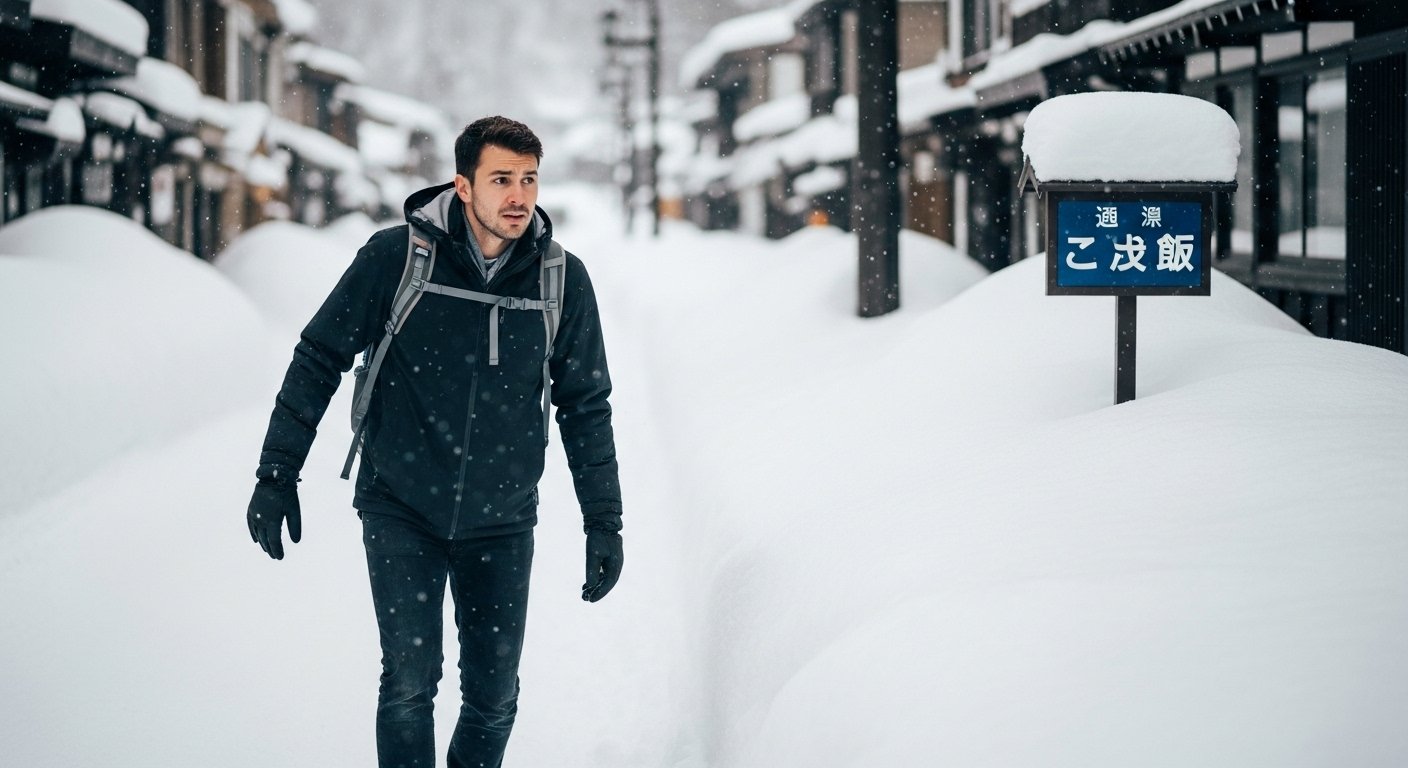
*Images used in this article are for illustration only. They may not be directly related to the content.
Navigating Winter Health Emergencies in Japan: Flu, Falls & Medical Access for Tourists
Traveling to Japan in winter offers unique experiences, from snowy landscapes to vibrant festivals. However, the season also introduces specific health challenges. The fear of falling ill or getting injured in a foreign country, compounded by language barriers, can be a significant source of anxiety for international visitors.
This guide provides practical, actionable steps to prepare for and manage common winter health emergencies in Japan. You will learn how to access appropriate medical care, understand the local system, and communicate your needs effectively, ensuring a safer and more confident winter trip.
Table of Contents
Understanding Winter Health Risks in Japan
Winter in Japan brings unique environmental conditions that can affect your health. Being prepared for these specific risks is crucial for a safe journey.
Flu Season in Japan: What to Expect
Japan’s flu season typically runs from December to March, with peak activity in January and February. Cold weather and increased indoor activities contribute to the spread of influenza. Symptoms can range from mild to severe, often including fever, body aches, cough, and fatigue.
🎯 Local Pro-Tip: Get a flu vaccination before traveling to Japan. This is your most effective defense against seasonal influenza. Practice frequent handwashing and wear a mask in crowded indoor spaces.
The Silent Threat: Preventing Falls on Ice and Snow
In snowy regions such as Hokkaido (Sapporo, Otaru) and mountainous areas, black ice and slippery conditions are common. Pavements and roads can become treacherous, significantly increasing the risk of falls and serious injuries. A slip can lead to sprains, fractures, or head injuries, turning your trip into a medical emergency.
Watch for signs displaying warnings like スリップ注意 (surippu chūi) for “slippery conditions” or 路面凍結 (romen tōketsu) for “icy roads.”
🎯 Local Pro-Tip: Invest in appropriate, slip-resistant winter footwear. Boots with good traction are essential, especially if you plan to visit snow festival areas or engage in winter sports. Walk slowly and be aware of your surroundings.

When and How to Seek Medical Care
Understanding the Japanese medical system is crucial for prompt and appropriate care.
Emergency vs. Non-Emergency: Knowing the Difference
For immediate, life-threatening emergencies—such as severe injuries, chest pain, difficulty breathing, or unconsciousness—dial 119 for an ambulance (救急車, kyūkyūsha). This service is for serious situations only. For police, dial 110. Do not use 119 for non-life-threatening issues like a common cold or minor cut; these calls can delay critical assistance for others.
🚨 Emergency Contacts
| Police | 110 |
| Ambulance/Fire | 119 |
All numbers are free and work from any phone in Japan.

Navigating the Japanese Medical System: Clinics vs. Hospitals
For non-emergency illnesses or minor injuries (e.g., common cold, flu symptoms, minor sprain, stomach upset), visit a local clinic first. Clinics are called 医院 (iin) or クリニック (kurinikku) and specialize in general practice or specific fields (e.g., internal medicine, orthopedics).
Major hospitals (病院, byōin) often require a referral from a clinic. If you visit a hospital without a referral, you will likely incur an additional ‘non-referral fee’ (紹介状なし特別料金, shōkaijō nashi tokubetsu ryōkin) on top of your consultation costs. Hospitals are for more complex conditions, emergencies, or specialized treatments.
Visual cues: Look for signs with a red cross (+), the character 病院 for hospitals, or 医院 / クリニック for clinics. Pharmacies (薬局, yakkyoku) are often marked with a green cross.

Overcoming Language Barriers in Medical Situations
A primary concern for many international visitors is the language barrier. Many smaller clinics and even some hospitals may not have English-speaking staff. This can make communicating symptoms and understanding diagnoses challenging.
Before you need urgent care, identify resources that can assist with communication. The AMDA International Medical Information Center and the JNTO ‘Guide for when you are feeling ill’ are excellent starting points for locating language-accessible medical facilities and consultation hotlines.
🎯 Local Pro-Tip: If you’re staying at a hotel, ask staff for assistance. They can often call a clinic or hospital on your behalf, explain your situation, and help you make an appointment, which can significantly reduce stress. Have a translation app ready on your phone (e.g., Google Translate, DeepL) to describe symptoms.
🇯🇵 Point & Speak
Show this section to staff if you’re stuck. They can read the Japanese.
English: Ambulance, please!
救急車をお願いします!
(Kyūkyūsha o onegaishimasu!)
English: I feel sick / I’m not feeling well.
気分が悪いです。
(Kibun ga warui desu.)
English: I have a fever.
熱があります。
(Netsu ga arimasu.)
English: I fell down.
転びました。
(Korobimashita.)
English: It hurts here.
ここが痛いです。
(Koko ga itai desu.)
English: Do you speak English?
英語を話せますか?
(Eigo o hanasemasu ka?)
The Cost of Care: Essential Travel Insurance
Medical costs for foreigners without Japanese national health insurance can be substantially higher. Unlike some countries where travel insurance is billed directly, you may often be required to pay upfront in cash at clinics or hospitals, even with insurance. Reimbursement will then be handled directly between you and your insurance provider.
It is crucial to have comprehensive travel insurance with sufficient medical coverage. This should include emergency medical treatment, hospital stays, and, importantly, emergency evacuation to your home country if necessary. Review your policy details carefully before you travel.

💰 Price Breakdown (Estimated without Japanese National Health Insurance)
| Item | Estimated Cost |
| General clinic consultation (initial) | ¥5,000 – ¥15,000 |
| Hospital consultation (initial, without referral) | ¥10,000 – ¥30,000+ (plus referral fee) |
| X-ray or basic blood test | ¥5,000 – ¥20,000 per test |
| Ambulance transport (free, but treatment not) | ¥0 (transport) |
| Emergency room visit (non-life-threatening) | ¥20,000 – ¥50,000+ |
Prices verified as of January 2026. These are estimates and can vary widely based on facility, time of day, and specific treatments. Always be prepared for upfront cash payments.
Your Step-by-Step Action Plan for a Japan Winter Emergency
If you encounter a health issue during your winter trip, follow these steps to manage the situation effectively:
-
Step 1: Evaluate Your Condition – Emergency or Not?
Assess your symptoms. Is it a life-threatening situation (severe pain, uncontrolled bleeding, unconsciousness, significant fall with inability to move)?
- YES (Life-threatening): Immediately dial 119 for an ambulance. Try to state “Kyūkyūsha o onegaishimasu!” (Ambulance, please!) and give your current location. If you can’t speak Japanese, stay on the line; they may have English support or transfer you to a translator.
- NO (Non-life-threatening, but unwell): Proceed to Step 2.
Visual cue: If you see an ambulance, it’s a white vehicle with red flashing lights, a distinctive siren, and often the characters 救急車.
-
Step 2: Contact Support & Information Centers
For non-emergencies, leverage available resources:
- AMDA International Medical Information Center: Call them for guidance on finding English-speaking doctors or facilities near you. They offer telephone interpretation services.
- JNTO ‘Guide for when you are feeling ill’: This guide lists medical institutions with foreign language support.
- Japan Helpline (24/7): Offers assistance for foreigners in Japan, including medical referrals.
- Hotel Staff: Your hotel’s front desk can be a vital first point of contact for non-emergencies. They can assist with calls, directions, or even arranging transportation to a clinic.
-
Step 3: Prepare for Your Visit
Before heading to a clinic or hospital:
- Gather documents: Passport, travel insurance policy details (policy number, emergency contact), any relevant medical history or medication lists.
- Cash: Have sufficient Japanese Yen available for upfront payments.
- Translation tools: Charge your phone and have a translation app ready. Prepare a short, written description of your symptoms in English.
-
Step 4: At the Medical Facility
When you arrive:
- State your need: Use phrases like “I need a doctor” (医者が必要です, Isha ga hitsuyō desu) or “I’m not feeling well” (気分が悪いです, Kibun ga warui desu).
- Present documents: Show your passport and insurance information.
- Communicate symptoms: Be precise. Use your translation app or point-and-speak phrases. Use “It hurts here” (ここが痛いです, Koko ga itai desu) while pointing.
- Ask questions: Don’t hesitate to ask for clarification on diagnosis, treatment, and medication. “Do you speak English?” (英語を話せますか? Eigo o hanasemasu ka?) is always a good starting point.
-
Step 5: Follow-Up and Payments
After your consultation:
- Get receipts: Obtain detailed receipts for all consultations, tests, and medications. These are essential for your travel insurance claim.
- Understand next steps: Confirm any follow-up appointments or medication instructions.
- Contact insurance: Inform your travel insurance provider about the incident as soon as reasonably possible to initiate the claims process.

📋 Quick Reference Card for a Japan Winter Emergency
Screenshot or print this section for easy access:
- 🚨 Emergency Call: 119 (Ambulance/Fire), 110 (Police) – for life-threatening situations ONLY.
- 📞 Information Centers: AMDA (Medical info), Japan Helpline (General assistance).
- 🏥 Non-Emergency Care: Visit a clinic (医院/クリニック) first, not a major hospital (病院).
- 💲 Payment: Expect upfront cash payments. Travel insurance is essential for reimbursement.
- 🗣️ Language: Use hotel staff, translation apps, or pre-learned phrases.
- 👟 Prevention: Wear slip-resistant footwear in snowy areas. Get flu shot before travel.
Common Mistakes to Avoid
Being aware of these pitfalls can prevent unnecessary stress and costs:
- Calling 119 for minor issues: This ties up emergency services needed for critical cases. Use information hotlines or seek a clinic first.
- Skipping travel insurance: The financial burden of a medical emergency in Japan without insurance can be substantial.
- Ignoring winter footwear: Proper grip on shoes can prevent many fall-related injuries. Fashion over function here is a risk.
- Not utilizing translation tools or support services: Assuming you can manage without language assistance can lead to miscommunication and incorrect treatment.
- Delaying seeking help: Minor symptoms can worsen quickly, especially with flu. Address health concerns promptly.
Frequently Asked Questions
What if I don’t speak Japanese at all?
Even without Japanese language skills, you can still access medical care. Your first points of contact should be your hotel staff or dedicated foreign visitor helplines like AMDA International Medical Information Center or Japan Helpline. These services often provide multilingual support or can direct you to facilities with English-speaking staff. Always have a translation app ready on your phone.
Is my home country’s health insurance valid in Japan?
Typically, your home country’s basic health insurance is not directly accepted at Japanese medical facilities for direct billing. You will almost certainly need to pay upfront in cash and then seek reimbursement from your travel insurance provider when you return home. Comprehensive travel insurance specifically designed for international travel is essential.
How can I find an English-speaking doctor outside major cities like Tokyo?
Finding English-speaking medical staff can be more challenging outside major metropolitan areas. Use resources like the AMDA International Medical Information Center, which provides a nationwide network of facilities with foreign language support. The JNTO ‘Guide for when you are feeling ill’ also lists facilities. If available, local tourist information centers in smaller towns might offer guidance.
Should I still be concerned about COVID-19 in Japan?
While Japan has eased many COVID-19 travel restrictions, respiratory illnesses, including COVID-19, are still prevalent, especially during winter flu season. It is advisable to continue practicing good hygiene, consider wearing a mask in crowded indoor settings, and monitor any symptoms. If you suspect COVID-19, follow local health guidelines for testing and isolation, as advised by a medical professional.
What should I pack specifically for winter health safety?
Beyond warm clothing, pack waterproof, slip-resistant boots with good traction. Consider a small first-aid kit with basic pain relievers, cold medicine, and any personal prescription medications. A universal power bank for your phone is useful for translation apps. Carrying a copy of your travel insurance details and important emergency contacts (including your hotel’s number) is also recommended.
Conclusion
Experiencing a Japan winter emergency, whether it’s the flu or a fall on ice, can be daunting. However, with proper preparation and knowledge of the local medical system, you can navigate these challenges with confidence. Prioritize travel insurance, pack appropriate footwear, learn a few key Japanese phrases, and know when and how to access medical care.
Your safety and well-being are paramount. Armed with this practical guide, you are better equipped for a memorable and healthy winter adventure in Japan.
Disclaimer
This article provides general information and guidance only. It is not a substitute for professional medical advice, diagnosis, or treatment. Always seek the advice of a qualified health provider for any questions regarding a medical condition. Emergency numbers and protocols can change; always verify the most current information before and during your travel. Travel insurance policies vary, and you should consult your provider for specific coverage details.