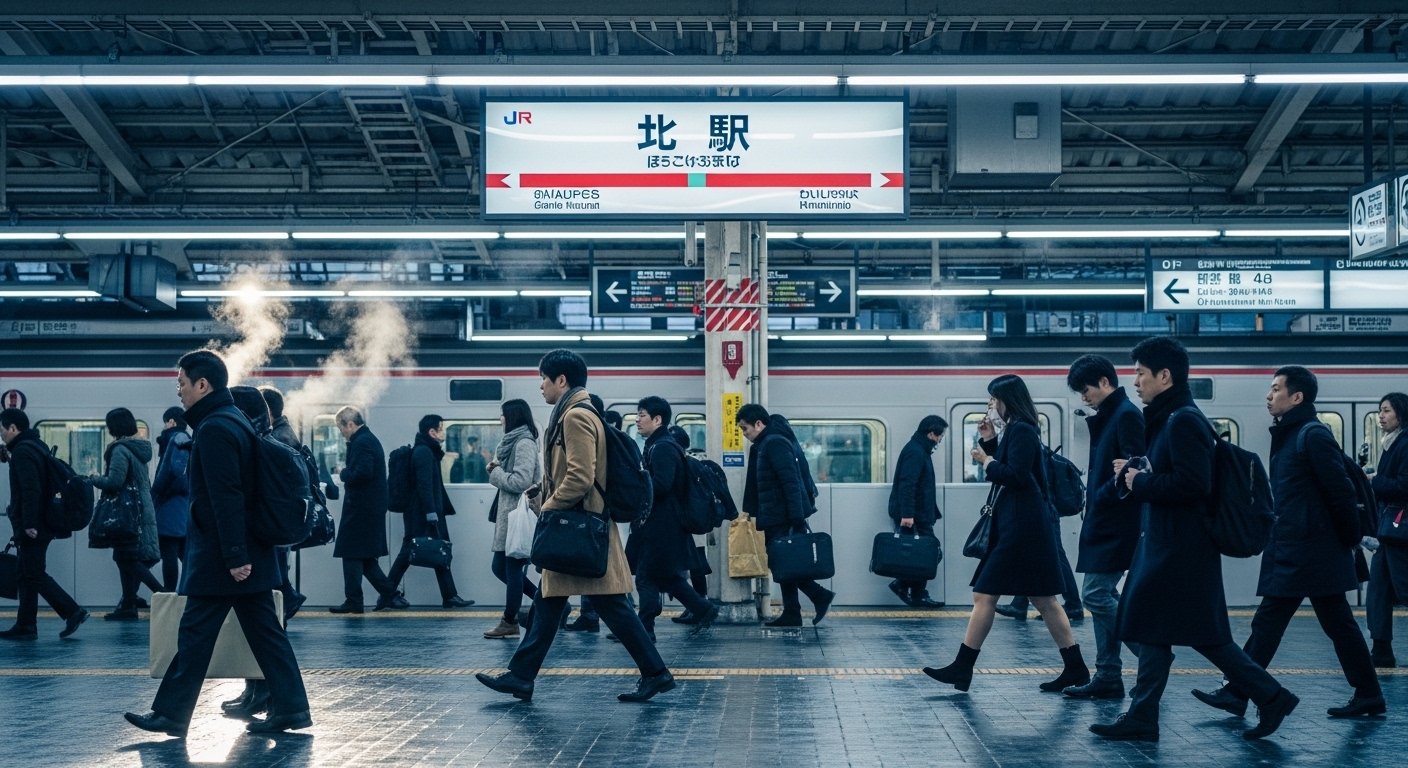
*Images used in this article are for illustration only. They may not be directly related to the content.
Japan Winter Transport Safety: Navigating Snow Delays, Icy Stations & Holiday Crowds
Planning a winter trip to Japan often conjures images of pristine snowscapes and cozy onsens. However, beneath this charm lies the practical reality of navigating potentially disruptive conditions. Unexpected transport delays due to snow or ice, combined with the extreme crowding during peak holiday seasons, can derail even the best-laid itineraries.
As your Japan local fixer, I understand these challenges. This comprehensive guide equips you with actionable strategies to confidently tackle winter transport in Japan. We’ll cover everything from anticipating snow-related disruptions and staying safe on icy surfaces, to mastering crowded stations and understanding real-time updates—even without Japanese language skills. Prepare effectively, and your winter journey through Japan will be smooth and memorable.
Table of Contents
Navigating Winter Transport Delays: Snow and Ice
Japan’s public transport is world-renowned for its punctuality, but winter weather presents a formidable challenge. Snowfall and ice, particularly in certain regions, can significantly impact train and bus services. Understanding where and when these disruptions are likely can help you plan proactively and minimize stress.
Where and When to Expect Disruptions
Heavy snowfall consistently impacts transport in several key regions. Hokkaido, Tohoku, and the Japan Sea coast (including prefectures like Niigata, Toyama, and Ishikawa) are primary zones for significant snow accumulation. Mountainous areas such as Nagano and Gifu also experience severe winter conditions.
Even the Kanto region, encompassing Tokyo, can face substantial disruption from relatively light snow. This is often due to less specialized infrastructure for snow removal compared to northern regions, leading to slower recovery times and widespread delays across commuter lines and even the Shinkansen in rare cases.
Your Action Plan for Snow Delays
While Shinkansen lines are highly resilient and equipped with advanced snow removal technology, heavy snowfall or strong winds can still necessitate speed restrictions, temporary halts, or significant delays. Local train lines and buses are considerably more prone to cancellations or severe service reductions during adverse weather. Being prepared is your best defense:
- Monitor Weather Forecasts: Before and during your trip, regularly check the Japan Meteorological Agency (JMA) for snow warnings and forecasts, especially for your travel route. The JMA website (English) is an authoritative source.
- Check Real-time Service Status: Utilize official railway company websites for immediate updates.
- JR East Service Status (English) – Covers Kanto, Tohoku, Joetsu, Hokuriku Shinkansen.
- JR West Service Status (English) – Covers Hokuriku Shinkansen, Kinki region.
- JR Central Service Status (English) – Covers Tokaido Shinkansen.
- JR Hokkaido Service Status (Japanese) – Use a translation app for this one.
Look for red or yellow text on these sites, often indicating “遅延” (Chien – delay) or “運休” (Unkyu – cancellation).
- Have a Backup Plan: For critical connections (e.g., flight to/from airport, specific events), build in extra travel time. Consider alternative transport options like highway buses (which can also be delayed but might offer different routes) or even taxis for shorter, urgent distances if trains stop.
- Stay Flexible: Be ready to adjust your itinerary. If a major snowstorm is predicted, consider moving your travel day or route if possible.
🎯 Local Pro-Tip: Download the Japan Official Travel App or Google Maps. Both can provide real-time public transport updates and alternative routes, often with English interface support.
Beating the Holiday Crowds: New Year’s Travel
While snow and ice pose physical challenges, Japan’s New Year’s holiday season presents a different kind of hurdle: extreme crowding. This is one of the busiest domestic travel periods, with millions of Japanese residents traveling to visit family or for traditional celebrations. For international visitors, understanding and navigating these crowds is key to maintaining comfort and safety.
Peak Travel Periods and What to Expect
The New Year’s holiday period typically runs from December 28th to January 3rd, though travel surges can begin earlier and extend later. During this time, Shinkansen, limited express trains, and major city transit lines experience severe congestion. Unreserved cars, common on many Shinkansen routes, will fill up quickly, often becoming standing-room-only for entire journeys. Even with reservations, platforms and station concourses can be overwhelmingly crowded.

Strategies for Crowded Stations and Trains
Navigating these throngs requires preparation and patience:
- Book in Advance: For travel during peak holiday seasons, especially on Shinkansen, purchasing tickets and reserving seats up to one month before your travel date is critical. Many routes will sell out. You can reserve through JR company websites or at ticket offices upon arrival (though availability will be limited).
- Utilize Luggage Forwarding (Takuhaibin): Seriously consider sending large luggage ahead to your next hotel via services like Yamato Transport (Kuroneko Yamato) or Sagawa Express. This frees you from heavy bags, which are a major impediment in crowded stations and trains, and significantly improves mobility and safety.
- Travel Off-Peak: If your itinerary allows, try to travel outside the core peak days. Even shifting your travel by a day or two can make a significant difference.
- Observe Crowd Flow: Japanese commuters are generally orderly even in crowds. Observe how people move through gates and onto platforms. Stick to the left on escalators and follow directional signage.
- Prioritize Accessibility: For travelers with mobility issues, strollers, or heavy luggage, crowded stations and icy surfaces present significant challenges. Plan extra time for navigation and consider alternative, less crowded routes if available.
Common Mistakes to Avoid During Peak Travel
- Not Reserving Seats: Relying on unreserved cars during New Year’s is a gamble. You may end up standing for hours, or even be unable to board a particular train.
- Carrying Excessive Luggage: Large suitcases become obstacles for you and others in tight spaces. Embrace luggage forwarding.
- Underestimating Travel Time: Factor in extra time for navigating stations, buying tickets (if not pre-booked), and potential minor delays.
Staying Safe on Icy Surfaces
Winter in Japan often brings freezing temperatures, especially overnight, which can turn melted snow into dangerous ice. Station platforms, stairs, ramps, and surrounding sidewalks are common culprits. A slip or fall can lead to serious injury, so caution is paramount.
Identifying and Avoiding Hazards
Station platforms and their approaches, particularly in shaded areas or after freeze-thaw cycles, can become extremely icy. Look for visual cues:
- Anti-slip measures: Yellow or green rubber mats, sand, or grit spread on walking surfaces indicate areas prone to slipperiness. Use these as a guide to be extra careful.
- Wet-looking patches: These may be black ice, which is nearly invisible but extremely hazardous. Assume any wet patch in freezing temperatures is ice.
- Temporary Hazard Tape/Signage: Yellow or orange hazard tape (立ち入り禁止 – Tachiiri Kinshi / Do Not Enter) or signs around specific slippery or closed areas. Respect these warnings.

Essential Footwear and Cautionary Steps
- Wear Appropriate Footwear: Prioritize winter boots with good grip and water resistance. Avoid smooth-soled shoes, especially leather or fashion boots.
- Walk with Caution: Take smaller steps, shuffle your feet, and avoid sudden movements. Keep your hands free for balance.
- Use Handrails: Always use handrails on stairs and ramps, even if you feel stable.
- Look for Staff: Station staff are often monitoring conditions. If you see them, it’s a good indicator that precautions are in place.
- Report Incidents: If you slip or fall, inform station staff immediately. They can assist you and ensure the area is treated.
Bridging the Language Gap: Real-time Updates
During transport disruptions, real-time updates are critical. However, these often prioritize Japanese announcements and digital displays. Navigating complex delay reasons or understanding alternative routes without language skills can be a major source of confusion and stress. But you’re not without options.
Deciphering Announcements and Displays
While major stations in tourist hubs provide some English, comprehensive understanding of specific delay causes or alternative routes may require more effort. Here’s how to navigate:
- Visual Cues on Digital Displays: Look for large LED display boards. These often show train numbers, destinations, and times. During disruptions, red or yellow text is common, indicating “遅延” (Chien – delay) or “運休” (Unkyu – cancellation). While the details might be in Japanese, the visual alert is universal.
- Translation Apps: Have a reliable translation app (like Google Translate or DeepL) with offline capabilities downloaded on your phone. These can be used to translate signs or even listen to announcements, though live audio translation can be imperfect.
- Seek Staff Assistance: Station staff (駅員 – Ekiin) are identifiable by their dark uniforms, often with hats. At larger stations, look for information counters (案内所 – Annaijo). Be patient, as they may be dealing with many inquiries.
- Polite Inquiry: Approach staff and politely ask for help. Even a few key Japanese phrases can make a big difference.
🇯🇵 Point & Speak
Show this section to staff if you’re stuck. They can read the Japanese.
English: Is the train delayed?
電車は遅れていますか?
(Densha wa okurete imasu ka?)
English: When will the next train arrive?
次の電車は何時ですか?
(Tsugi no densha wa nanji desu ka?)
English: Is there an English announcement?
英語のアナウンスはありますか?
(Eigo no anaunsu wa arimasu ka?)
English: Where is the information counter?
案内所はどこですか?
(Annaijo wa doko desu ka?)
English: I slipped.
滑ってしまいました。
(Subette shimaimashita.)
English: Is it slippery here?
ここは滑りやすいですか?
(Koko wa suberiyasui desu ka?)
English: I need help.
助けてください。
(Tasukete kudasai.)
Essential Preparation & Backup Plans
Proactive planning is your most valuable tool for a smooth winter trip to Japan. Beyond understanding potential disruptions, having practical tools and financial safeguards in place can significantly reduce the impact of unforeseen circumstances.
Pre-trip Checks and Tools
Before you even step on a plane, ensure you have the following:
- Offline Maps & Translation Apps: Download maps of your destinations and key phrases/translation dictionaries to your phone. Internet access might be limited during disruptions or in remote areas.
- Official Transport Apps: Consider downloading specific JR company apps if available, or universal navigation apps that include real-time transport data.
- Power Bank: Keep your phone charged. It’s your lifeline for information, translation, and communication.
- Emergency Contacts List: Store essential numbers (embassy, insurance, hotels, emergency services) both digitally and physically.
- Winter Clothing & Footwear: Pack waterproof, slip-resistant footwear and layered clothing suitable for cold, wet conditions. This is essential for both comfort and safety. (See our guide on winter clothing for Japan here).
Financial Safeguards
Unexpected delays can lead to unbudgeted expenses. Being prepared financially can prevent further stress:
- Travel Insurance: Invest in comprehensive travel insurance that covers trip interruptions, delays, and medical emergencies. This is highly recommended for winter travel in Japan.
- Emergency Fund: Set aside a small buffer in your travel budget for potential unplanned overnight stays, alternative transport (like a taxi if public transit stops), or re-booking fees.
📋 Quick Reference Card: Japan Winter Transport Safety
Screenshot or print this section for easy access:
- ✅ Monitor Weather & Service Status: Check JMA & JR official sites regularly.
- ✅ Book Ahead for Holidays: Reserve Shinkansen seats weeks in advance.
- ✅ Wear Grippy Shoes: Essential for icy platforms & sidewalks.
- ✅ Use Takuhaibin: Forward luggage to avoid heavy lifting in crowds.
- ✅ Translation Apps Ready: For announcements & signs.
- ✅ Travel Insurance: Cover for unexpected delays or changes.
- ✅ Patience is Key: Delays happen, stay calm and observe local customs.
🚨 Emergency Contacts
In case of a severe incident or injury, knowing these numbers is crucial. Japan’s emergency services operate efficiently.
🚨 Emergency Contacts
| Police | 110 |
| Ambulance/Fire | 119 |
All numbers are free and work from any phone, including foreign mobile phones, without needing a country code or special prefix. If you need general assistance for tourists, call the JNTO Tourist Information Center at 050-3816-2787 (open 24/7, English available).
Frequently Asked Questions
How likely is my Shinkansen to be delayed by snow?
While Shinkansen are highly resilient, heavy snowfall or strong winds can cause speed restrictions or delays, especially on routes like Tohoku, Joetsu, and Hokuriku. The Tokaido Shinkansen (Tokyo-Osaka) is less frequently affected by snow, but it’s not immune. Always check official JR service status updates on the day of travel.
What should I do if my train is cancelled due to snow?
First, check official JR websites for alternative routes or next available services. Speak to station staff at an information counter (案内所 – Annaijo). They can advise on rebooking options or alternative transport. Be prepared for potentially long waits and consider if a highway bus or taxi (for shorter distances) is a viable option, though these may also be impacted.
Is it safe to travel during New Year’s in Japan despite the crowds?
Yes, it is generally safe. Japanese crowds are orderly, even when dense. The main challenges are comfort and speed of movement. To ensure a smoother experience, book all tickets and accommodations well in advance, utilize luggage forwarding services, and be mentally prepared for slower transit times and packed spaces.
How can I tell if a station platform is slippery?
Look for visual cues: anti-slip mats (often yellow or green rubber), grit or sand spread on the surface, and “slippery” warning signs. Any wet-looking patches in freezing temperatures should be treated as potential black ice. Walk cautiously and use handrails.
Will my JR Pass still be valid if my train is delayed or cancelled?
Yes, your JR Pass is still valid. If a train is cancelled or severely delayed, you can typically use your pass to board the next available train in the non-reserved section, or get a new seat reservation at the ticket office if seats are available. However, no refunds or extensions are usually given for delays or cancellations due to weather unless the entire service is suspended for an extended period.
Conclusion
Japan’s winter season offers incredible beauty and unique experiences. By understanding the specific challenges of snow delays, icy conditions, and holiday crowding, you can prepare effectively and mitigate potential disruptions. Use this guide as your practical toolkit to navigate the winter transport landscape with confidence and a clear plan.
Stay informed, stay safe, and embrace the adventure. Japan awaits, ready to deliver an unforgettable winter journey, even when the snow falls.
Disclaimer
This information is provided for general guidance and assistance for international visitors. While every effort has been made to ensure accuracy, conditions can change rapidly due to weather, operational circumstances, or policy updates. Always verify real-time information with official sources (e.g., JR company websites, Japan Meteorological Agency) and prioritize personal safety. The Japan Local Fixer is not liable for any incidents or financial losses incurred during travel. Travel insurance is highly recommended.