*Images used in this article are for illustration only. They may not be directly related to the content.
Winter Morning Transit in Japan: Your Expat’s Guide to Icy Stations, Delays, & Crowds (No More Slips!)
“Just gonna grab a coffee and hop on the Yamanote line,” I muttered to myself one frosty January morning, about five years ago. I’d been in Japan long enough to think I knew it all, but winter mornings always found a new way to humble me. That particular day, a light overnight dusting of snow had melted and refrozen in patches, turning the platform edge at Shibuya into a literal skating rink. I was wearing my regular sneakers, completely oblivious. One confident step towards the train doors, and WHOOSH! My feet shot out from under me, my coffee went flying, and I landed squarely on my backside with a sickening thud. My pride was bruised, my tailbone was screaming, and the train, of course, was already pulling away, right on time.
That wasn’t the first time Japan’s winter transit tried to outsmart me, and it certainly wasn’t the last time I learned a lesson the hard way. But after a decade of navigating these same icy stations, battling delays, and squeezing into sardine-can trains, I’ve picked up a few tricks. And today, I’m gonna share them with you, so you don’t end up with a bruised ego (or tailbone) like I did.
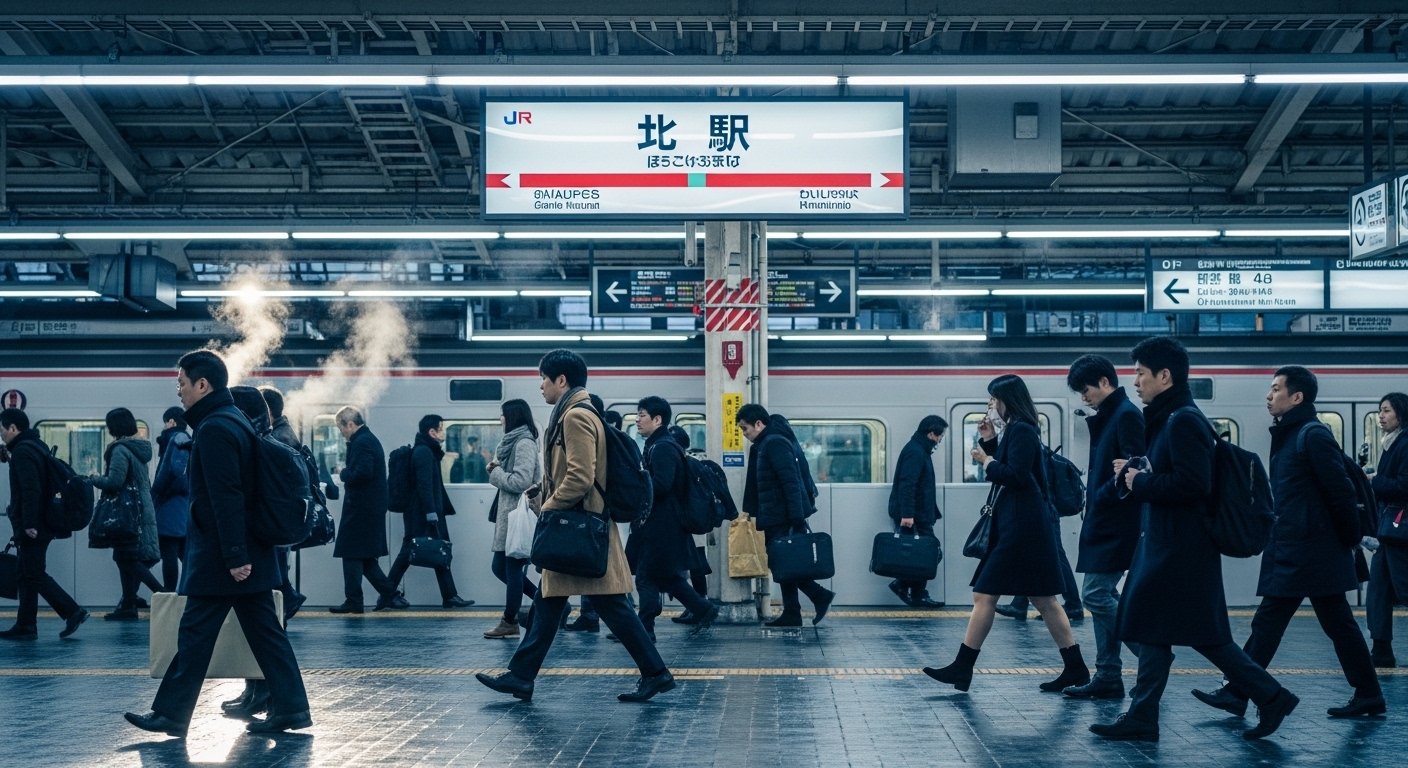
Table of Contents
- The Real Struggle: Why Winter Transit in Japan is a Beast
- Your Step-by-Step Survival Guide for Winter Mornings
- The Winter Kit: A Price Breakdown for Your Peace of Mind
- Common Pitfalls: Don’t Make My Mistakes
- 🇯🇵 Point & Speak: Essential Phrases
- 🎯 Insider Tip
- FAQ: Your Winter Transit Questions Answered
The Real Struggle: Why Winter Transit in Japan is a Beast
You’ve pictured the picturesque snow falling on temples, right? What they don’t show you in the travel brochures is the brutal reality of a Japanese winter morning commute. When you step out into that crisp Japanese winter air, the serene beauty often belies the chaos waiting at the station.
The Ice Trap: My Shibuya incident was just one of many. We frequently encounter icy platforms. It’s not just a thin layer of snow; it’s that insidious black ice, or melted snow that’s refrozen overnight, turning a smooth concrete surface into an unexpected death trap. I’ve seen countless people, both locals and tourists, take spills. The station staff do their best to grit and clear, but sometimes nature wins, especially in the early hours before the full sweep of the cleaning crews. Getting from the ticket gate to your platform, especially on exposed outdoor sections or staircases, becomes a delicate dance. It makes safe movement challenging and, trust me, the risk of slips and falls is very real. I once had to help an elderly lady up after she slipped on a patch of ice near the ticket machine at Shinjuku, feeling utterly useless that I couldn’t prevent it.
The Delay Domino Effect: Japan is famous for its punctuality, and for good reason. But winter throws a wrench in the gears. Early morning winter transit in Japan is prone to delays. A tiny flake of snow or a single frozen switch can have a ripple effect across the entire network. I remember one morning trying to get to an important business meeting in Yokohama from Tokyo. My usual express train was delayed by a mere 15 minutes. “No big deal,” I thought. Wrong. That 15 minutes meant I missed my connection, and the next train was already packed because of the previous delays. I arrived 45 minutes late, flustered and apologetic. Missing connections or appointments due to these delays is a common, incredibly frustrating experience.
The Crushing Crowds: Even without delays, the morning rush hour in Japan is legendary. Add winter weather, and people are even more reluctant to walk or cycle, funneling everyone into the public transport system. Navigating these packed stations, especially while trying to adhere to local etiquette like correct queuing, can be a monumental source of confusion and difficulty for travelers. I’ve had moments where I genuinely felt overwhelmed, squeezed between salarymen and school kids, just trying to figure out which line was mine, let alone where to stand to get on the right car. The floor markings – those arrows and foot outlines – are essential, but in a sea of bodies, they can be hard to spot or even reach.
The Bone-Chilling Wait: And then there’s the cold. Oh, the cold. Waiting for transport during winter mornings can lead to significant discomfort, especially if you’re not dressed properly. Exposed platforms, drafty tunnels, and trains that might not be as warm as you’d like can turn a five-minute wait into an eternity. Add a delay into that mix, and you’re not just uncomfortable; you’re often shivering uncontrollably. I once spent 20 minutes on an outdoor platform at a tiny station in Saitama, waiting for a local line that was delayed due to ice, and I genuinely thought my toes were going to snap off. My “stylish but not warm” coat was a terrible mistake.
Your Step-by-Step Survival Guide for Winter Mornings
After countless slips, missed trains, and freezing waits, I’ve distilled my wisdom into this foolproof guide. Follow these, and you’ll be navigating Japan’s winter transit like a seasoned local fixer.
1. Gear Up: Your Feet Are Your Foundation
My painful Shibuya fall taught me this lesson permanently.
* Prioritize appropriate footwear with good grip. This isn’t just about fashion; it’s about staying upright. Think waterproof boots with deep treads, or at least sneakers with a very grippy sole. I personally swear by my Salomon trail running shoes for winter; they look decent enough for city life but have incredible traction. Avoid smooth-soled shoes at all costs.
* Consider anti-slip add-ons. You can find temporary shoe covers or even sprays at Japanese drugstores (like Matsumoto Kiyoshi) or outdoor stores (like Montbell or Ishii Sports) that create a rougher surface on your shoe soles. They’re often called 滑り止め (suberidome) – anti-slip. I keep a can of spray in my entry cabinet for unexpected icy days.
2. Master the Queue: Your Ticket to Sanity
This is a rite of passage for every expat. You think you know how to queue, then you come to Japan.
* Observe and utilize designated floor markings. When you approach a platform or boarding area, look down. Seriously, just look down. You’ll see arrows, lines, and sometimes even foot outlines painted on the floor. These aren’t just decorative; they show you exactly where to stand to form a queue for the train doors. Typically, you form two lines, one on each side of where the doors will open, allowing passengers to exit first.
* Queue correctly, demonstrating respect. This is crucial for local etiquette. Stand patiently behind the person in front of you. When the train arrives and the doors open, let everyone exit before you attempt to board. Do not push, do not shove. It’s an unspoken ballet, and trying to cut in line or board before others have exited is a huge no-no. I once, in a moment of panic to catch a specific train, tried to squeeze in early. The glare I got from a middle-aged salaryman could have frozen mercury. Never again.
3. Be a Spy: Track Those Delays
“Hope for the best, prepare for the worst” is my winter transit mantra.
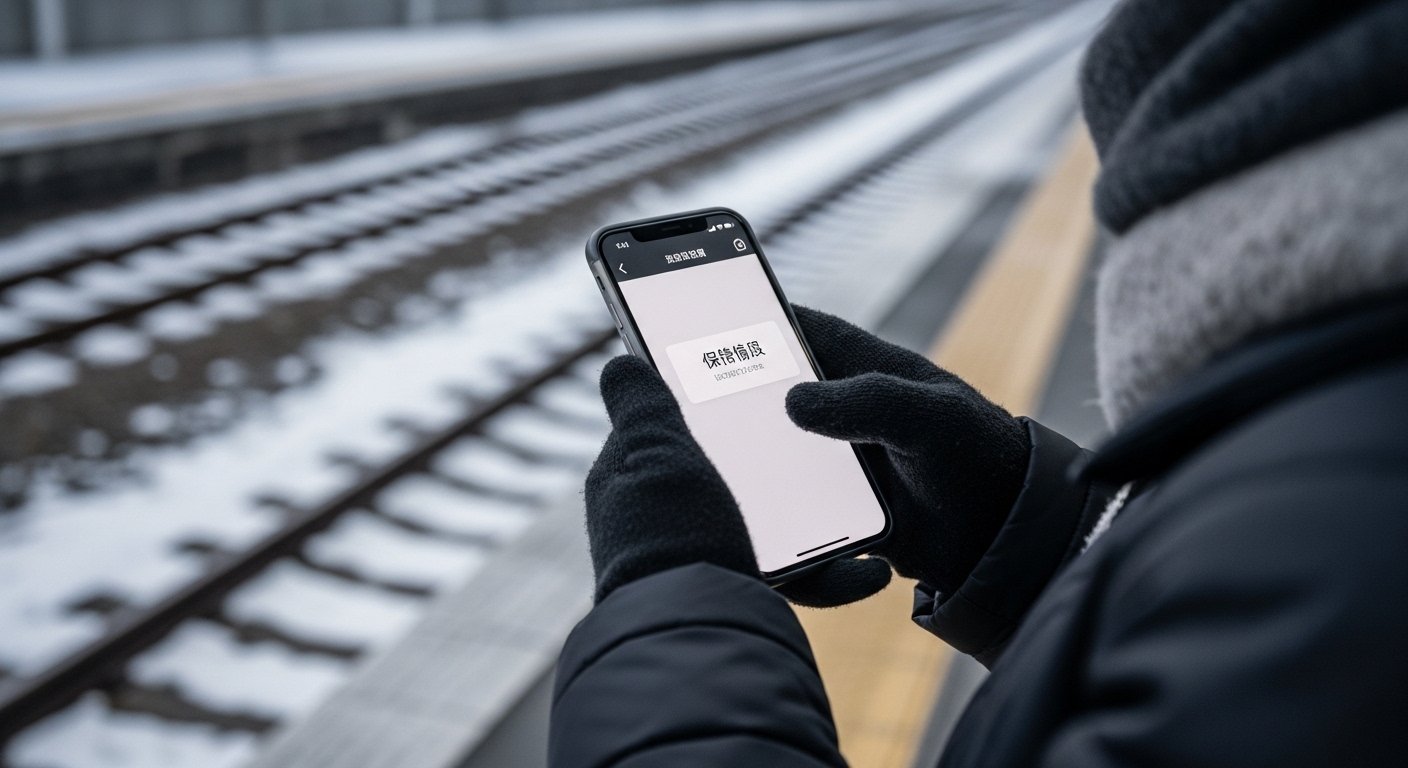
* Proactively check for real-time delay updates. This is your best defense against the “delay domino effect.” Before you even leave your accommodation, and certainly before you head to the station, check online. I use apps like Japan Transit Planner (Jorudan) or Google Maps, which integrate real-time JR and private line delay information. Many railway companies also have dedicated websites or Twitter accounts for delay announcements. For example, JR East’s official website updates instantly.
* Adjust your travel plans. If you see delays, allocate extra time, consider an alternate route, or even push back your appointment if possible. Sometimes, switching to a different train line, or even a different company (e.g., from JR to a subway line), can save you a lot of grief. I’ve often rerouted myself by a few stations on a local line to catch an express from another terminal when my usual line was experiencing major issues.
4. Build in a Buffer: Time is Your Ally
Winter travel isn’t a sprint; it’s a marathon with potential obstacles.
* Allocate extra travel time. Assume things will be slower. I always add at least 15-30 minutes to my planned travel time during winter mornings, especially if I have an important appointment. Icy conditions mean people walk slower, train doors might take longer to close if ice is a problem, and delays, as we discussed, are a fact of life.
* Expect slower movement. The sheer act of walking carefully on potentially icy surfaces, navigating dense crowds, and waiting for potentially delayed trains all add up. Don’t rush; it’s when you rush that you’re most likely to slip or make a mistake.
5. Dress for Success: Layers Are Life
That Saitama platform taught me the importance of proper attire.
* Dress warmly in layers. This is non-negotiable. Start with thermal underwear (Uniqlo’s Heattech is ubiquitous for a reason), add a comfortable mid-layer (fleece or wool), and finish with a windproof and water-resistant outer jacket. Don’t forget a warm hat, gloves, and a scarf.
* Manage discomfort from cold. Layers allow you to adjust. If the train is suddenly super warm, you can shed a layer. If you’re stuck on a freezing platform due to a delay, you’ll be grateful for every single one. I also carry a small, reusable hand warmer (the gel kind you click, or disposable kairo) on particularly frigid days. They are a game changer.
The Winter Kit: A Price Breakdown for Your Peace of Mind
Investing a little upfront can save you a lot of discomfort, stress, and potential hospital bills. Here’s a rough idea of what essential winter transit safety items might cost you in Japan. Remember, these are approximate, and quality varies!
| Item | Description | Approximate Price (JPY) |
| Non-slip Shoe Spray | Creates a rough, grippy surface on shoe soles. Look for ‘滑り止めスプレー’ (suberidome spray). | ¥1,200 – ¥2,000 |
| Thermal Underwear (Set) | A top and bottom set of quality thermal base layers, e.g., Uniqlo Heattech. | ¥3,000 – ¥6,000 |
| Disposable Hand Warmers (Kairo) | A pack of 10-20 ‘ホッカイロ’ (hokkairo) for instant warmth. | ¥300 – ¥800 |
| Waterproof Gloves | Essential for protecting hands from cold and light snow. | ¥1,500 – ¥4,000 |
| Warm, Grippy Boots/Shoes | A good quality pair of waterproof shoes with proper winter tread. | ¥8,000 – ¥20,000+ |
| Portable Phone Charger | To ensure your phone doesn’t die while checking delay apps or maps. | ¥2,000 – ¥5,000 |
Common Pitfalls: Don’t Make My Mistakes
I’ve made them all, so you don’t have to. These are the situations where my ‘Japan Local Fixer’ badge almost got revoked.
- Underestimating Black Ice: That almost invisible sheen on the ground? It’s not just wet. It’s often ice. I’ve seen tourists confidently stride across what looks like a damp patch only to do a full cartoon-style slip. Just because it hasn’t snowed heavily doesn’t mean the ground isn’t treacherous. Assume all damp or shiny-looking surfaces on platforms or sidewalks are potentially icy. My Shibuya incident was exactly this – what looked like a benign wet patch was solid ice.
- Relying Solely on “On Time”: Japan’s trains are famous for punctuality, but winter is the exception. Assuming your train will be on time during a winter morning is a rookie mistake. As I learned missing that Yokohama meeting, a small delay can snowball into a massive problem for your entire schedule. Always check those apps!
- Ignoring the Queue Markings: In a frantic rush, it’s tempting to just barrel towards the train doors wherever they are. But ignoring those floor markings is not just bad etiquette; it actually makes boarding slower and more chaotic. You’ll stick out like a sore thumb, potentially block exiting passengers, and generally make life harder for everyone, including yourself. I once, in my early days, stood directly in front of where the doors were going to open, completely blocking exiting passengers. I was mortified by the collective sigh from the crowd.
- Under-Dressing: “Oh, I’ll just be popping between heated stations and trains,” I told myself once, wearing a light jacket. Then the train got stuck between stations for 10 minutes with the heating off, and I realized my error. Or the long wait on that outdoor platform in Saitama. The cold seeps into your bones, especially if you’re stationary. Being cold is not just uncomfortable; it distracts you, making you less aware of your surroundings and potentially more prone to accidents.
🇯🇵 Point & Speak
Show this to staff:
English: Is this train delayed?
この電車は遅れていますか?
(Kono densha wa okurete imasu ka?)
English: Where is the platform for [Destination]? (e.g., Shinjuku)
[Destination]行きのホームはどこですか?
([Destination]-iki no hōmu wa doko desu ka?)
English: I slipped!
滑りました!
(Suberimashita!)
English: It’s very cold.
とても寒いです。
(Totemo samui desu.)
English: Excuse me, I’m lost.
すみません、道に迷いました。
(Sumimasen, michi ni mayoi mashita.)
🎯 Insider Tip: In particularly snowy or icy regions (like Hokkaido, Tohoku, or areas along the Japan Sea coast), keep an eye out for small, brightly colored boxes – often yellow or red – on station platforms. These boxes contain sand or anti-slip grit, and they’re there for commuters to use on particularly slippery spots. If you see a patch that looks treacherous, feel free to grab a handful and sprinkle it yourself. It’s a small act that can prevent a big fall, and the locals do it.
FAQ: Your Winter Transit Questions Answered
Navigating Japan’s winter morning transit can feel like an Olympic sport at times, but with the right mindset, gear, and a bit of insider knowledge, you’ll be zipping through those stations like a seasoned pro. Forget the slips, the missed connections, and the shivering waits. Take my advice, learn from my blunders, and go out there and enjoy the magic of a Japanese winter without the stress. See you on the platform – safely, of course!


