*Images used in this article are for illustration only. They may not be directly related to the content.
After 9 PM in Japan: Your Cozy, Vegetarian Winter Dinner Survival Guide (Beyond Izakaya)
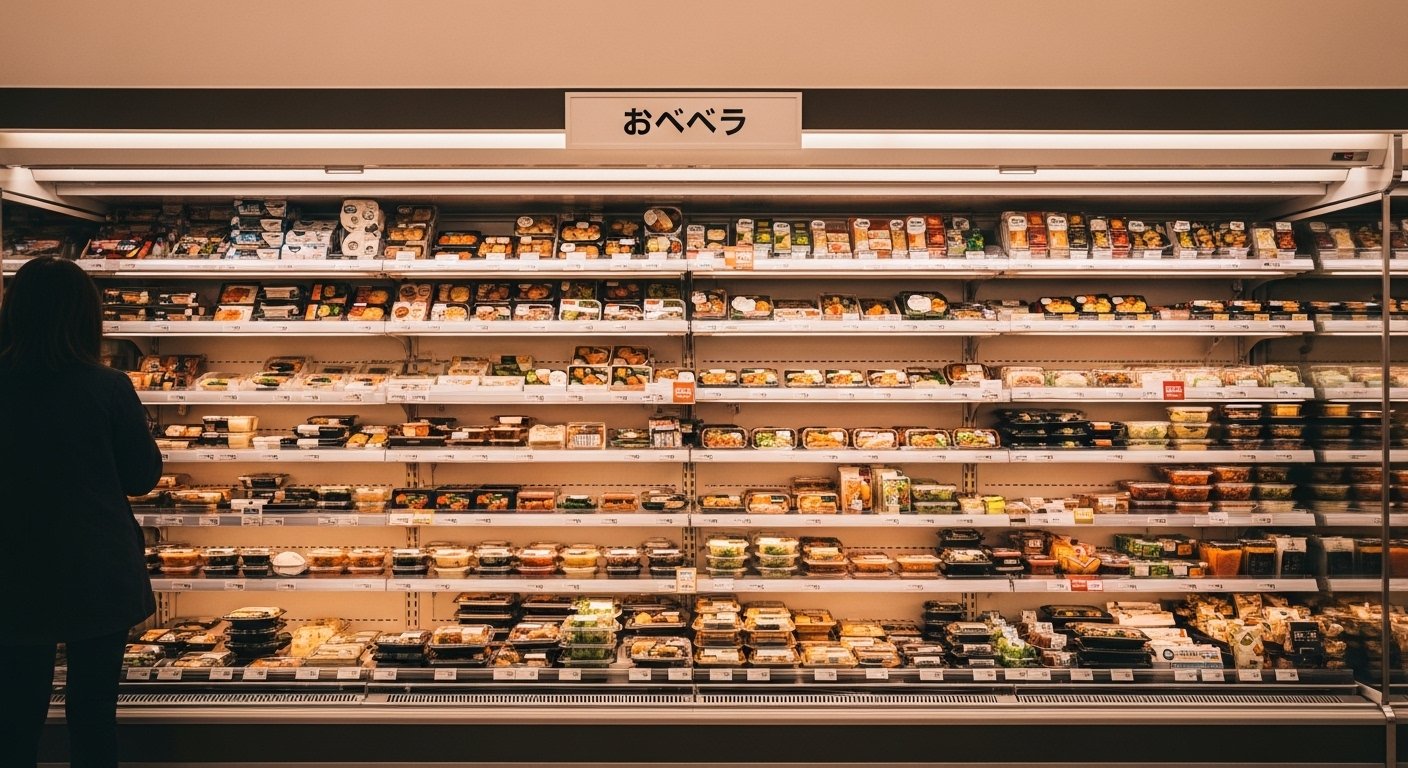
I remember it like it was yesterday: Tokyo, dead of winter, biting wind whipping down the street, and it was pushing 10 PM. My stomach was rumbling like a freight train, but my friend, who was vegetarian, was practically in tears. We’d walked for what felt like miles, past countless izakayas, their boisterous patrons spilling out smoke and laughter, but nothing for us. Every ramen shop had pork bones boiling, every sushi joint was closing, and the few places that looked promising either had no English menu or a blank stare when we asked for “no meat, no fish.” We ended up at a 7-Eleven, shivering, eating sad pre-made onigiri. It was a miserable end to an otherwise fantastic day.
That was ten years ago, when I first moved here. And let me tell you, that struggle? It’s real. Especially in winter. Especially after 9 PM. And especially if you’re looking for something warm, cozy, and vegetarian without the boozy buzz of an izakaya. But don’t you worry. After a decade of navigating these very late-night hunger pangs, I’ve become a Japan Local Fixer for exactly this problem. I’ve learned to spot the hidden gems, decode the subtle clues, and arm myself with the right tools. You won’t have to eat another cold convenience store triangle unless you want to.
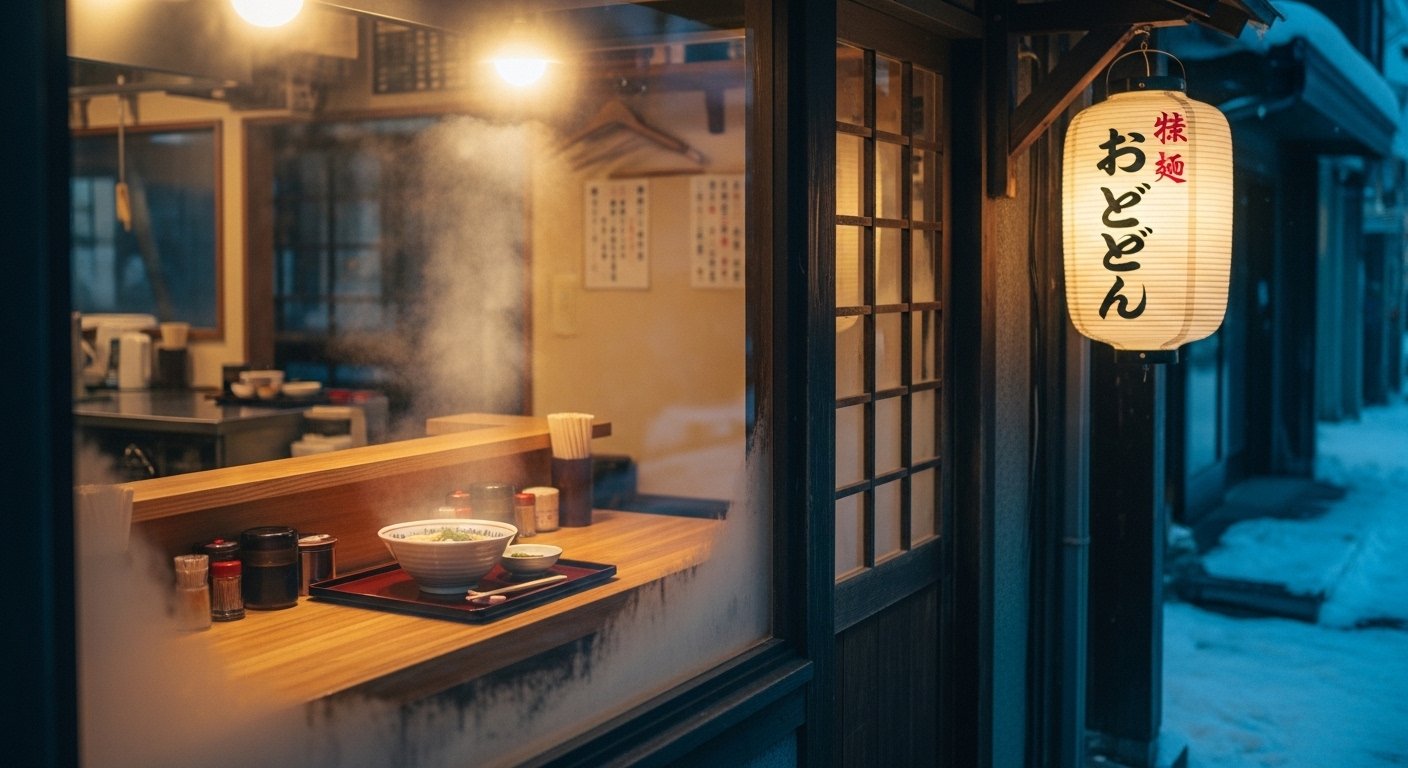
Table of Contents
- The Real Struggle: Why Late-Night Vegetarian Dining in Japan is a Quest
- Finding Your Late-Night Winter Oasis: A Local’s Playbook
- 🇯🇵 Point & Speak: Essential Phrases
- Price Breakdown: What to Expect for a Cozy Winter Meal
- Common Pitfalls & How I (Almost) Fell For Them
- 🎯 Insider Tip
- FAQs: Your Late-Night Winter Hunger Q&A
The Real Struggle: Why Late-Night Vegetarian Dining in Japan is a Quest
Let’s be brutally honest: Japan is not the easiest place to be vegetarian or vegan, especially spontaneously and off-peak. My early years here were a frustrating loop of pointing, guessing, and often, realizing after the fact that my seemingly innocent bowl of noodles was swimming in fish stock (dashi). After 9 PM, this friction intensifies tenfold, turning what should be a simple dinner into a genuine struggle.
First, outside of the major train station hubs or entertainment districts like Shinjuku, Shibuya, or Dotonbori, most smaller, independent restaurants begin their last orders around 8:30 PM to 9 PM. By 9:30 PM, many are already dimming the lights. The places still buzzing are almost invariably izakayas – lively pubs designed for drinking and sharing small plates, where food is often secondary to alcohol, and vegetarian options are typically an afterthought, if they exist at all. I can’t tell you how many times I’ve ended up reluctantly in an izakaya, just to find my friend staring longingly at my edamame while everyone else feasts.
Then there’s the warmth factor. In winter, you don’t just want food; you want comfort. A steaming bowl of something hearty, a warm atmosphere to escape the cold. Fast food joints are plentiful, yes, but they rarely offer that cozy vibe, nor do they typically cater to non-meat eaters beyond a side salad (if you’re lucky). And if you’re trying to avoid repetitive tourist traps or the same old beef bowl chain, your choices narrow to almost nothing.
The biggest hurdle, however, remains the dietary specifics. Vegetarianism, veganism, halal, gluten-free – these concepts are still catching on in mainstream Japanese dining. Even when a menu seems to offer a vegetable dish, there’s a very high chance it contains dashi, made from bonito flakes (fish). It’s not malicious; it’s simply a fundamental part of Japanese cuisine. Trying to explain this late at night, in a foreign language, when staff are tired and just want to close up? It’s a recipe for miscommunication and disappointment. I’ve been there, gesturing wildly, pulling out my phone with translation apps, only to receive a polite but firm “Sumimasen…” (Sorry…). It feels like you’re asking for the moon when all you want is a simple bowl of soup without fish.
Finding Your Late-Night Winter Oasis: A Local’s Playbook
So, you’re cold, it’s late, and your stomach is rumbling. Don’t panic. Here’s how I’ve learned to navigate these waters and find genuinely warm, satisfying, and (mostly) vegetarian-friendly meals after 9 PM. This isn’t just about finding food; it’s about finding a sanctuary from the winter chill and late-night hunger.
Non-Izakaya Heavens After Dark
When izakayas dominate the night, where do you turn for a meal, not just drinks?
-
Family Restaurants (ファミレス – Famiresu): Your Unsung Heroes.
- The Vibe: Think Japanese Denny’s or TGI Fridays, but often cleaner, quieter, and with a surprisingly diverse menu. Chains like Denny’s Japan, Gusto (ガスト), Jonathan’s (ジョナサン), and Saizeriya (サイゼリヤ) are lifesavers. Many are open until late, some even 24/7. They’re warm, well-lit, and offer comfortable booths.
- Vegetarian Potential: This is where they shine. They often have dedicated salad bars, vegetable-focused pasta dishes (ask for no meat/seafood), potato dishes, and even some dedicated vegetarian curries or gratin. Saizeriya, an Italian-inspired chain, is particularly good for affordable vegetarian pasta and pizza options. The menus are usually extensive, often with pictures, and sometimes even have English. I’ve had many a late-night warm vegetable curry at Gusto that hit the spot perfectly.
-
Udon & Soba Shops (うどん・そば): The Noodle Nook.
- The Vibe: These are hit or miss for late hours, but some in larger cities or near train stations stay open. Look for smaller, independent shops. They offer a simple, warm, and often surprisingly speedy meal.
- Vegetarian Potential: This is tricky but possible. The dashi (broth) is the main hurdle. However, you can often find “Zaru Soba” or “Zaru Udon” (cold noodles with a dipping sauce), where the sauce is separate, allowing you to control or skip the dashi. For warm options, look for “Kitsune Udon/Soba” (fox noodles, with fried tofu) or “Tempura Udon/Soba” (with vegetable tempura). Crucially, you need to ask if the dashi is kombu (kelp) based or if they can make it without fish. Many smaller, traditional shops might use only bonito dashi, but it’s always worth asking. I once found a tiny udon shop near Shinjuku Gyoen that proudly advertised their kombu-dashi, and their Kitsune Udon on a freezing night was pure bliss.
-
Ramen Shops (ラーメン): A Careful Approach.
- The Vibe: Often bustling and less “cozy” but incredibly warming. While most ramen is pork or chicken broth based, the rise of “healthy” and diverse ramen means some shops now offer vegetarian or vegan ramen.
- Vegetarian Potential: Look specifically for shops advertising “ベジタリアンラーメン” (vegetarian ramen) or “ヴィーガンラーメン” (vegan ramen). These are becoming more common, particularly in trendy areas of Tokyo and Kyoto. Don’t assume. Always check. If you can’t find a dedicated vegetarian ramen, some miso-based ramens might be made with a vegetable broth, but this is rare and needs confirmation. I’ve had incredible vegetable ramen in Shibuya at 11 PM – creamy, rich, and utterly satisfying.
-
Curry Rice Shops (カレーライス): A Comforting Classic.
- The Vibe: Many independent curry shops close early, but chains like CoCo Ichibanya are widespread and often open late.
- Vegetarian Potential: CoCo Ichibanya is a godsend. They have a specific, clearly marked “Vegetable Curry” option on their menu (sometimes even a vegan one!). You can choose your spice level, rice amount, and add a variety of vegetable toppings. It’s warm, filling, and relatively easy to order. It’s not the most “Japanese” experience, perhaps, but it’s a guaranteed warm, vegetarian meal. I’ve relied on CoCo Ichi more times than I can count when other options failed.
Cracking the Vegetarian Code (Especially Late)
Okay, you’ve found a potential spot. Now, how do you ensure your meal is actually vegetarian?
-
Look for Specific Dishes:
- Salads: Often safe, but check for unexpected meat/fish toppings (e.g., small shrimp, bacon bits). Dressings can also contain non-vegetarian ingredients.
- Vegetable Curries: As mentioned, CoCo Ichibanya is a safe bet.
- Rice Dishes: Onigiri (rice balls) from convenience stores often have ume (plum), kombu (seaweed), or vegetable fillings.
- Tofu Dishes: Agedashi tofu (fried tofu in dashi) is common, but again, the dashi is the issue. Hiyayakko (cold tofu) is usually safe, but often served with katsuobushi (bonito flakes) on top, which you can ask to omit.
- Vegetable Tempura (野菜天ぷら): Usually a safe side, but the dipping sauce (tsuyu) often contains dashi. You can often ask for salt instead.
-
Leverage Technology: Google Translate’s camera function can be a lifesaver for menus. While not always perfect, it can give you the gist. Apps like HappyCow or a quick Google Maps search for “vegan/vegetarian restaurants near me” can also reveal dedicated spots, though late-night filtering is still tough.
🇯🇵 Point & Speak: Essential Phrases
Show this to staff (or try to pronounce it):
English: I am vegetarian (I don’t eat meat or fish).
私はベジタリアンです。(肉と魚は食べません。)
(Watashi wa bejitarian desu. Niku to sakana wa tabemasen.)
English: No meat, no fish, please.
肉と魚なしでお願いします。
(Niku to sakana nashi de onegai shimasu.)
English: Is there dashi (fish stock)?
だしは入っていますか?
(Dashi wa haitte imasu ka?)
English: No bonito flakes (for topping/dashi).
かつおぶし抜きでお願いします。
(Katsuobushi nuki de onegai shimasu.)
English: I am vegan (I don’t eat meat, fish, eggs, or dairy).
私はヴィーガンです。(肉、魚、卵、乳製品は食べません。)
(Watashi wa bīgan desu. Niku, sakana, tamago, nyūseihin wa tabemasen.)
Price Breakdown: What to Expect for a Cozy Winter Meal
Navigating late-night dining doesn’t mean breaking the bank. Here’s a rough guide to costs, based on my personal experience:
| Option | Typical Price Range (per person) | Notes |
| Convenience Store (Emergency) | ¥300 – ¥800 | Onigiri, hot soup cup, small bento, steamed buns. Not cozy, but quick and always available. My first, unfortunate late-night meal was ¥400. |
| Family Restaurant (Famiresu) | ¥800 – ¥1,500 | Meal sets, pastas, curries, salads. Reliable, warm, comfortable. My go-to for a decent, affordable vegetarian option. |
| Udon/Soba Shop | ¥500 – ¥1,200 | Simple bowls of noodles (hot or cold). Watch out for dashi. A basic Kitsune Udon is usually ¥600-¥800. |
| Ramen (Vegetarian/Vegan Specific) | ¥900 – ¥1,500 | Specialty ramen can be pricier, but worth it for a dedicated vegetarian option. My favorite veggie ramen was ¥1200. |
| Curry Rice (CoCo Ichibanya) | ¥700 – ¥1,300 | Vegetable curry with various toppings. Flexible for budget and dietary needs. Base curry is usually around ¥700, toppings add ¥100-¥300. |
| Other Cafes/Restaurants (Rare) | ¥1,500 – ¥2,500+ | Some independent cafes in larger cities might have later hours and veggie options, but they are fewer and often pricier. Research is key here. |
Common Pitfalls & How I (Almost) Fell For Them
Even as a long-term resident, I still occasionally make mistakes. Here are a few traps to watch out for:
- The “It Looks Vegetarian!” Trap: I once ordered what I thought was a simple ‘vegetable soup’ at a small, late-night diner. It came, steaming and delicious, only for me to find tiny pieces of chashu (braised pork) at the bottom. The Japanese concept of “vegetable” can often mean “vegetable-heavy with meat.” Always, always confirm. My friend, the vegetarian, was not amused.
- The “Dashi is Invisible” Trap: You’ve found a ramen or udon place. You confirm no meat, no fish. Great! But then you forget about the dashi. It’s fish stock, often made with bonito flakes, and it’s pervasive. If you’re strict vegetarian, you must ask about dashi specifically. Many places won’t even think to mention it if you just say “no fish.”
- Assuming English Menus: While more common in tourist-heavy areas, many smaller, local spots, especially after 9 PM, will have only Japanese menus. Don’t rely on finding an English one. Have your translation app or phrases ready. I’ve spent awkward minutes squinting at kanji, trying to decipher if that “vegetable” symbol truly meant no animal products.
- Underestimating Closing Times: That cute little ramen shop you saw earlier? It probably shut its doors at 9:30 PM sharp. Don’t procrastinate. If you’re getting hungry and it’s past 8:30 PM, start actively looking. Procrastination is the enemy of the late-night hungry vegetarian.
- The “Hidden Meat in Sauce” Trap: Soy sauce, miso paste, and other condiments can sometimes contain animal products or fish extracts. This is extremely difficult to navigate and, frankly, often impossible to avoid for a strict vegan or even some vegetarians in a traditional setting. For a truly safe, 100% no-animal-product meal, dedicated vegan restaurants or preparing your own food are the only sure bets. For late-night options, you often have to make a slight compromise or stick to the absolute safest choices like plain rice with pickled vegetables from a convenience store.
🎯 Insider Tip: Always scope out your dinner options *before* it gets dark, especially in winter. Even if you’re not planning to eat until later, identify potential family restaurants or 24/7 noodle spots in your area. Use Google Maps and filter by “open now” and search for keywords like “vegetarian” or “vegan.” Also, remember that major train station complexes often have small, late-night eateries in their concourses or nearby, which can be surprisingly good for a quick, warm bite. Look for the yellow or red signs of a “立ち食いそば” (tachigui soba – stand-and-eat soba) for a super quick, cheap fix, but again, confirm the dashi!
FAQs: Your Late-Night Winter Hunger Q&A
What are my absolute safest bets for a warm, vegetarian dinner after 9 PM in Japan?
Your safest bets are typically family restaurants like Gusto, Denny’s, or Jonathan’s, which often have dedicated vegetarian options or dishes that can be easily modified (like vegetable pasta or curry). CoCo Ichibanya, with its clear vegetarian curry menu, is another extremely reliable option. If all else fails, a well-stocked convenience store can provide hot instant noodles (check ingredients carefully), steamed buns, or simple rice balls with vegetable fillings.
How can I avoid getting stuck with only fast food or tourist traps late at night?
The key is proactive planning and knowing what types of establishments to look for. Avoid the bright lights of places exclusively advertising “English Menu!” in tourist areas. Instead, seek out the aforementioned family restaurants, or use Google Maps to search for “vegetarian ramen” or “udon” in your vicinity, specifically checking their opening hours. Local areas slightly off the main drag sometimes have smaller, late-night spots, but they require more effort and Japanese language skills. Always have a backup plan, even if it’s a convenience store.
Is it really that hard to find vegan or gluten-free options late at night in Japan?
Yes, it’s significantly harder than just vegetarian. Veganism, which excludes eggs and dairy, and gluten-free diets, are not widely understood or catered to in standard Japanese restaurants, especially after hours. Many sauces, broths, and even pickled vegetables contain fish stock or soy sauce (which contains wheat). For these specific dietary needs, your best approach is to seek out dedicated vegan/gluten-free restaurants (research well in advance for late hours), or rely heavily on larger supermarkets and convenience stores for packaged foods with clear ingredient labels. Communication will be much more complex, so having specific translated phrases written down is essential.


