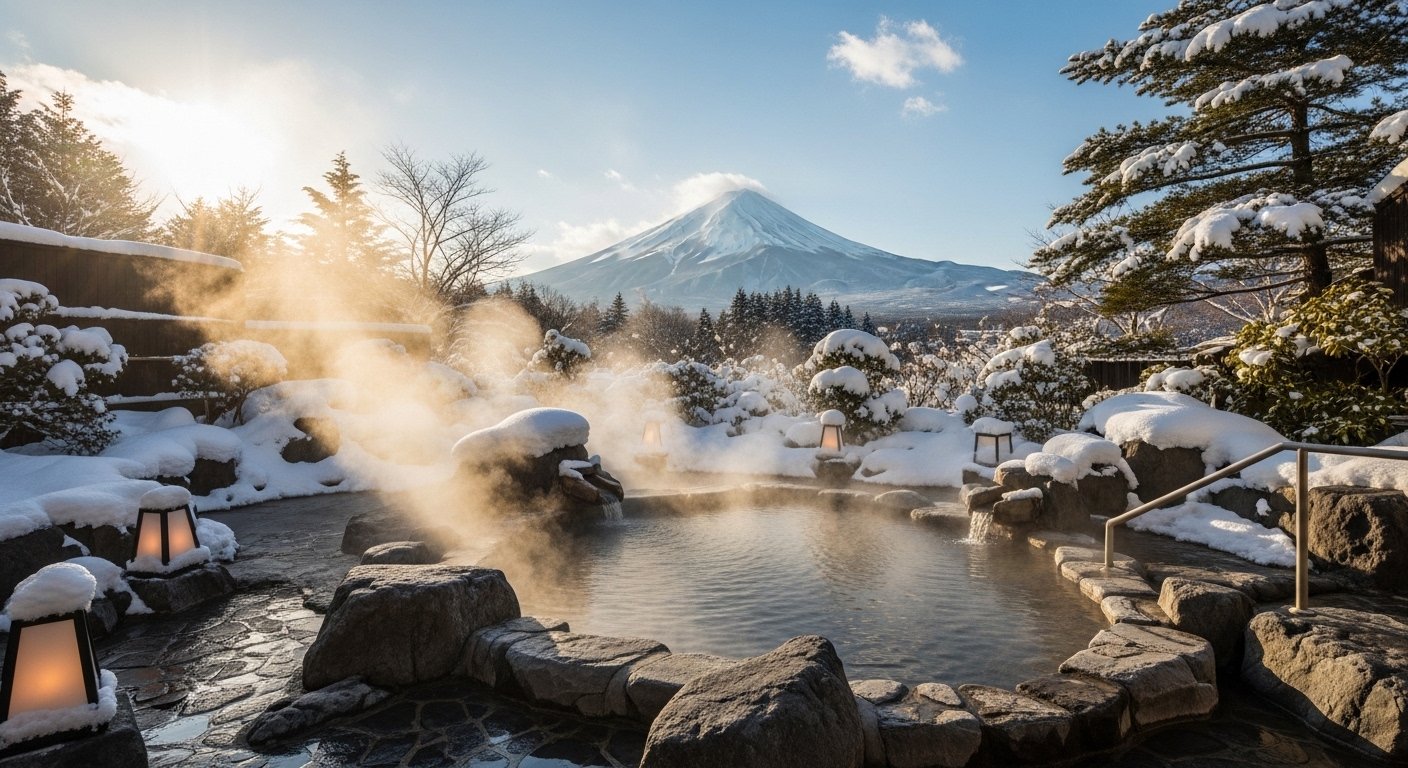
*Images used in this article are for illustration only. They may not be directly related to the content.
Beyond the Slopes: Beginner Snowshoeing & Winter Hiking for New Year’s in Japan
Planning a winter trip to Japan for the New Year’s holiday often means navigating packed ski slopes and bustling cities. You’re looking for a different experience, a way to connect with Japan’s serene winter landscapes without the demands of expert skiing or snowboarding. But how do you find beginner-friendly winter activities like snowshoeing or hiking, especially when dealing with peak season crowds, potential closures, and language barriers?
This guide is designed to remove that friction. As your Japan Local Fixer, I’ll provide the practical steps and insights needed to plan an accessible, safe, and memorable snowshoeing or winter hiking adventure during one of Japan’s busiest travel periods. From gear rentals and English-speaking guides to essential Japanese phrases and managing New Year’s logistics, consider this your blueprint for a unique winter escape.
Table of Contents
- Why Snowshoeing & Winter Hiking? A Fresh Perspective on Japan’s Winter
- Navigating the New Year’s Holiday: Planning Your Winter Adventure
- Finding Your Path: Beginner-Friendly Snowshoeing & Winter Hiking Regions
- Essential Gear & Staying Safe on the Winter Trails
- Overcoming Language Barriers: Key Phrases & Visual Cues
- Price Breakdown: Estimated Costs for Your Snowshoe Adventure
- Quick Reference Card: Your Snowshoeing Checklist
- Frequently Asked Questions
Why Snowshoeing & Winter Hiking? A Fresh Perspective on Japan’s Winter
While Japan is renowned for its world-class powder, not every winter visitor seeks the adrenaline of the slopes. For those looking for a different rhythm, beginner snowshoeing Japan and winter hiking offer an accessible alternative. It’s a chance to explore snow-covered forests, witness frozen waterfalls, and experience the quiet solitude of Japan’s mountains, often inaccessible during other seasons.
This pursuit requires no prior experience beyond basic walking fitness. Snowshoes distribute your weight, allowing you to float on deep snow, while poles provide stability. It’s a low-impact activity suitable for individuals, couples, and families, offering a unique perspective on Japan’s stunning winter landscapes.
Navigating the New Year’s Holiday: Planning Your Winter Adventure in Japan
The New Year’s Holiday Period (年末年始, Nenmatsu Nenshi), typically from December 29th to January 3rd, is a major domestic travel peak in Japan. This means crowded transportation, fully booked accommodations, and potential limited operating hours or complete closures for some local businesses and services, including tour operators or gear rental shops. Planning is crucial for a smooth Japan New Year’s non-ski activities for families experience.
- Book Early: Advance booking (2-3 months prior) is essential for tours, accommodation, and Shinkansen (bullet train) tickets. This period sees high demand, and last-minute options are scarce.
- Confirm Operating Hours: Even if a website is in English, always double-check the specific operating hours for tour operators, rental shops, and local transportation during the New Year’s period. Assume they might be closed or have reduced hours unless explicitly stated otherwise.
- Transportation Strategy: Expect crowded Shinkansen and limited local bus services. Consider a regional rail pass if your itinerary involves extensive train travel, but remember to reserve seats well in advance. Keep digital or printed copies of all bookings accessible.
- Weather Preparedness: New Year’s in Japan can bring heavy snow, extreme cold, or unexpected thaws. Monitor the Japan Meteorological Agency (JMA) website (jma.go.jp/jma/indexe.html) for detailed forecasts in your chosen region.
🎯 Local Pro-Tip: Many larger resorts and tourism hubs cater to international visitors, but don’t assume. Contact tour operators directly with specific questions about New Year’s availability and English support. Use email if phone calls are challenging.
Finding Your Path: Beginner-Friendly Snowshoeing & Winter Hiking Regions
For winter hiking Japan New Year adventures, several regions offer accessible trails and established tour operators that cater to beginners. These areas are known for their reliable snow conditions and infrastructure, making logistics easier.
- Hakuba (Nagano): A popular ski destination with a strong international presence. Operators like Evergreen Outdoor Center (evergreen-outdoors.com) offer diverse easy snowshoeing tours Hakuba for beginners with English-speaking guides.
- Myoko Kogen (Niigata): A less crowded alternative to Hakuba, known for deep snow and peaceful trails. Various local operators offer tours, often found via resort websites or regional tourism boards. For example, Myoko Kogen offers information on myoko-kogen.net/snowshoe.
- Nozawa Onsen (Nagano): Famous for its hot springs and traditional village, Nozawa also has guided snowshoe options that allow you to explore beyond the ski runs.
- Zao Onsen (Yamagata): Home to the famous “snow monsters” (樹氷, Juhyo), Zao offers unique snowshoe tours to witness these natural formations. While some areas are more advanced, beginner tours exist, often incorporating ropeway access.
- Hokkaido (Niseko, Furano): Japan’s northern island is a winter wonderland with extensive options. Niseko has many international operators offering snowshoe tours, while Furano provides access to diverse natural parks.

Guided Tours vs. Self-Guided: Your First Steps Safely
For beginners, especially during the New Year’s holiday, joining a guided snowshoe tours Japan is highly recommended. While no specific license is required for snowshoeing, many national parks or designated wilderness areas may have regulations on where you can go. More critically, guides possess invaluable local knowledge regarding:
- Safety: Identifying avalanche-prone areas, navigating complex terrain, and understanding rapidly changing weather conditions.
- Gear: Often includes snowshoe and pole rental, ensuring you have suitable equipment.
- Logistics: Arranging transportation to trailheads, which can be challenging during peak season.
- Language Support: Many operators in tourist-friendly areas offer English-speaking guides, directly addressing the pain point of finding English resources.
Attempting unguided snowshoeing or winter hiking as a beginner in Japan can expose you to unnecessary risks, particularly during volatile winter conditions. Always prioritize safety and local expertise.
Essential Gear & Staying Safe on the Winter Trails
Proper gear is paramount for a safe and enjoyable Japan outdoor winter activities experience. Even on a beginner trail, you’ll be exposed to cold temperatures, wind, and snow. Here’s a basic breakdown of what you’ll need:
- Layered Clothing:
- Base Layer: Moisture-wicking material (merino wool or synthetic) to keep sweat away from your skin.
- Mid-Layer: Insulating layer (fleece or down) for warmth.
- Outer Layer: Waterproof and windproof jacket and pants (ski or snowboard outerwear is suitable) to protect against elements.
- Footwear: Waterproof hiking boots (mid-to-high cut for ankle support). Gaiters are highly recommended to prevent snow from entering your boots.
- Headwear & Gloves: Warm hat that covers your ears, and waterproof gloves or mittens.
- Sun Protection: Sunscreen, sunglasses, and lip balm with SPF – snow reflects UV rays intensely.
- Backpack Essentials: Water (insulated bottle if very cold), snacks, a small first-aid kit, a fully charged phone, and possibly a portable charger.
Most guided tours include snowshoe rental Japan and poles. Some also offer waterproof boots, gaiters, and outerwear as part of a package or for separate rental. Confirm this when booking your tour.
🚨 Safety First: Common Mistakes to Avoid
- Under-dressing: Hypothermia is a real risk. Always layer and prioritize waterproofs.
- Ignoring Weather Forecasts: Conditions can change rapidly in the mountains. Check JMA frequently.
- Venturing Off-Trail Alone: For beginners, this significantly increases the risk of getting lost, injured, or encountering avalanche hazards. Stick to marked trails or, ideally, guided routes.
- Underestimating Hydration: Even in cold weather, exertion causes fluid loss. Drink plenty of water.

Overcoming Language Barriers: Key Phrases & Visual Cues
While many tour operators catering to international visitors will have English-speaking staff, understanding a few key Japanese phrases can smooth interactions, especially with local businesses or in unexpected situations. Additionally, knowing what visual cues to look for can help you navigate independently.
🇯🇵 Point & Speak
Show this section to staff if you’re stuck. They can read the Japanese.
English: Is it open during New Year’s?
年末年始も営業していますか?
(Nenmatsu nenshi mo eigyō shiteimasu ka?)
English: I’d like to book a snowshoe tour for beginners.
初心者向けのスノーシューツアーを予約したいのですが。
(Shoshinsha muke no sunōshū tsuaa o yoyaku shitai no desu ga.)
English: Do you have English-speaking guides?
英語を話せるガイドはいますか?
(Eigo o hanaseru gaido wa imasu ka?)
English: I want to rent snowshoes and poles.
スノーシューとポールを借りたいのですが。
(Sunōshū to pōru o karitai no desu ga.)
English: Where is the meeting point?
集合場所はどこですか?
(Shūgō basho wa doko desu ka?)
Visual Cues: What to Look For
Even without Japanese, you can often identify services through visual cues:
- Snowshoe & Rental Shops:
Visual cue: Look for signs with ‘スノーシュー’ (snowshoe) or ‘レンタル’ (rental) written in Katakana. These are often accompanied by images of snowshoes or winter equipment. Many shops in resort towns will also have English signage.
- Tour Operator Offices:
Visual cue: In resort towns, offices often display brochures with English text and photos of guides or activities. Look for ‘Guided Tour’ or ‘Snowshoeing’ banners prominently displayed, especially near ski lifts or central village areas.
- Transportation:
Visual cue: JR train ticket machines typically have an ‘English’ button (英語) in the top right or bottom left corner. Bus stop signs often list destinations in English alongside Japanese characters. Look for numbers corresponding to your bus route.


Price Breakdown: Estimated Costs for Your Snowshoe Adventure
Understanding the potential costs helps in planning your New Year’s holidays Japan adventure. Prices can fluctuate, especially during peak season, so these are estimates.
💰 Price Breakdown
| Item | Cost (Approx.) |
| Guided Beginner Snowshoe Tour (Half-Day, per person) | ¥8,000 – ¥15,000 |
| Guided Beginner Snowshoe Tour (Full-Day, per person) | ¥15,000 – ¥25,000 |
| Snowshoe & Pole Rental (per day, without guide) | ¥3,000 – ¥5,000 |
| Waterproof Boots/Gaiters Rental (per day) | ¥1,500 – ¥2,500 |
| Waterproof Outerwear Rental (per day) | ¥3,000 – ¥6,000 |
Prices verified as of December 2025. These are general estimates and can vary by operator and location. Guided tours often include gear rental.
Quick Reference Card: Your Snowshoeing Checklist
Screenshot or print this section for easy access while traveling:
📋 Quick Reference Card
Your essentials for beginner snowshoeing in Japan:
- ✅ Book Early: Tours, accommodation, transport (2-3 months prior for New Year’s).
- ✅ Guided Tours: Highly recommended for beginners (safety, gear, language).
- ✅ Gear Check: Layers (base, mid, waterproof outer), waterproof boots, gaiters, hat, gloves, sunglasses.
- ✅ Safety First: Check JMA weather, stick to guided paths, stay hydrated.
- ✅ Key Phrases: Have “Point & Speak” phrases ready.
- ✅ Regions: Consider Hakuba, Myoko Kogen, Nozawa Onsen, Zao Onsen, Hokkaido.
Frequently Asked Questions
Is beginner snowshoeing Japan suitable for families with children?
Yes, many easy snowshoeing tours Hakuba for beginners and in other regions are designed for families, offering shorter routes and a focus on nature exploration. Confirm age and height requirements with the tour operator when booking.
Can I go winter hiking Japan New Year if I have no prior experience?
Absolutely. Both snowshoeing and winter hiking are beginner-friendly. However, for your first time, especially during winter and the busy New Year’s period, it is strongly recommended to join a guided snowshoe tours Japan. Guides provide equipment, safety instructions, and local knowledge.
Where can I rent snowshoes and other gear in Japan?
Most major ski resorts and areas known for winter activities (like Hakuba, Myoko Kogen, Niseko) have shops offering snowshoe rental Japan. Often, guided tour packages include all necessary gear. It’s best to confirm rental options and availability when booking your tour or accommodation, especially during the New Year’s holiday when demand is high.
What are good alternatives if snowshoeing isn’t possible or I need to relax afterwards?
Japan offers many ways to enjoy winter beyond active sports. Consider visiting an Onsen (hot spring) to relax muscles after your activity. Many areas combine both. Additionally, exploring traditional New Year’s activities, local winter festivals, or illuminations can provide cultural immersion.
How do I minimize avalanche risks as a beginner?
For beginners, minimizing avalanche risk is achieved by strictly staying on marked trails and, most importantly, joining a guided tour. Certified guides are trained in avalanche safety, local terrain assessment, and risk management. Never venture into unmarked or ungroomed backcountry areas without expert guidance and proper avalanche safety equipment (transceiver, shovel, probe) and training.
Conclusion
Embarking on a beginner snowshoeing Japan or winter hiking Japan New Year adventure is a practical way to experience Japan’s winter beauty beyond the ski slopes. With careful planning, particularly around the New Year’s holiday logistics, and by prioritizing guided tours for safety and ease, you can create a truly unique and memorable experience.
Don’t let the logistics deter you. Japan’s winter landscapes are waiting. Secure your bookings, prepare your gear, and get ready to discover a quieter, more reflective side of Japan’s snowy season. Your serene winter adventure begins with a single, well-planned step.
Disclaimer
This guide provides general advice. Weather conditions in Japan’s mountains can be unpredictable and change rapidly. It is your responsibility to assess local conditions, adhere to all safety guidelines, and follow instructions from your guide or local authorities. Always prioritize personal safety. Prices are estimates and subject to change. Verify all information with specific tour operators and transportation providers before making arrangements.