*Images used in this article are for illustration only. They may not be directly related to the content.
Beyond Fukubukuro: Your Late Jan Playbook for Epic Hobby Hauls in Japan
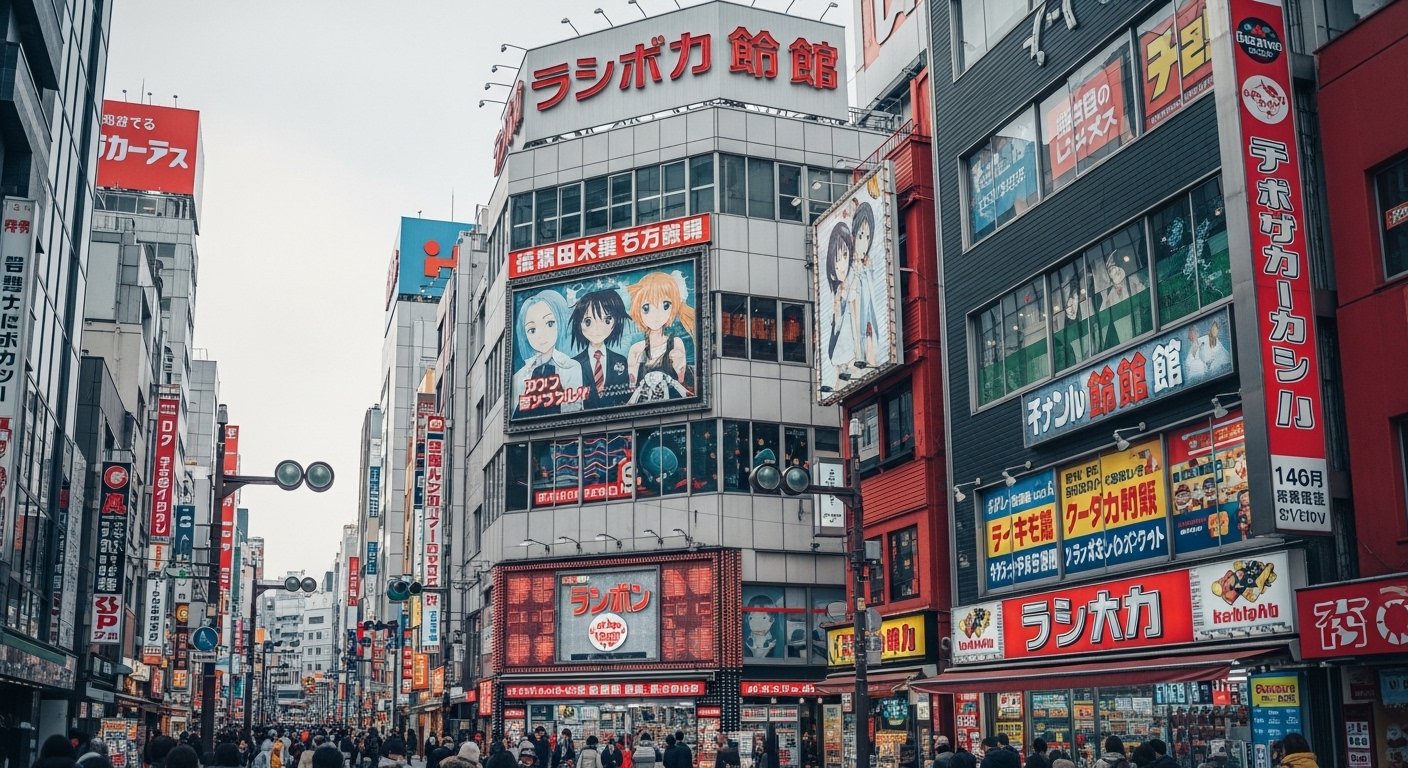
Table of Contents
- The Myth of the ‘Ended’ Sales & My ¥10,000 Misstep
- The Real Struggle: Why Japan’s Hobby Hunt Feels Like a Boss Battle
- Your Late January Treasure Map: A Step-by-Step Guide to Scoring Deals
- Digging for Gold: What to Expect on Prices (and why it’s worth it)
- Common Pitfalls & How I Screwed Up (So You Don’t Have To)
- 🇯🇵 Point & Speak: Your Essential Phrases
- FAQ: Your Burning Questions Answered
The Myth of the ‘Ended’ Sales & My ¥10,000 Misstep
“Ah, New Year’s sales are over,” I sighed to myself, sipping lukewarm vending machine coffee on a particularly chilly Tokyo morning back in my early expat days. It was late January, maybe the 20th or 21st, and I’d missed the initial Fukubukuro frenzy. I just figured all the good stuff, all the discounts on figures, manga, and games, had vanished with the first week of the year. My friends back home kept asking if I’d scored any insane deals, and I’d just shrug, thinking I was too late. I vividly remember walking past a small hobby shop in Akihabara, glancing in, seeing what I assumed were regular prices, and just kept walking.
Big. Mistake.
It took me another year, and a lot of painful observation, to realize that thinking all New Year’s sales wrap up in early January is one of the biggest, most expensive rookie errors you can make. I later found out that the very shop I’d walked past was running a “Winter Clearance” that weekend, slashing prices on perfectly good figures by 30-50% that I would have loved to get my hands on. That was easily a ¥10,000 mistake right there, maybe more. I could have bought at least two good figures, or a stack of manga! Trust me, the disappointment stings. Don’t be like early-ex-pat me, walking away from potential treasures because you think the party’s over. The truth is, late January is still absolutely prime time for incredible winter sales on hobby items in Japan. You just need to know where to look, and how to look without getting completely overwhelmed.
The Real Struggle: Why Japan’s Hobby Hunt Feels Like a Boss Battle
Navigating Japan’s hobby landscape, especially for deals, isn’t for the faint of heart. It’s not like browsing a few aisles at your local Walmart. Oh no. This is a multi-level, sensory overload experience that can turn even the most seasoned collector into a wide-eyed newbie.
First off, there’s the sheer volume. Take Akihabara. It’s not just a street; it’s a district, packed to the gills with shops. I mean, “packed” doesn’t even begin to cover it. Imagine towering buildings where every single floor, from the basement up to the sixth, seventh, or even tenth story, is dedicated to something different: one floor for manga, another for new figures, the next for retro games, then trading cards, then obscure character goods. The visual assault alone is enough to make your head spin. Bright lights, anime character cutouts, flashing signs, background music blending from five different stores – it’s a vibrant, energetic, and often noisy atmosphere that can leave you completely disoriented.
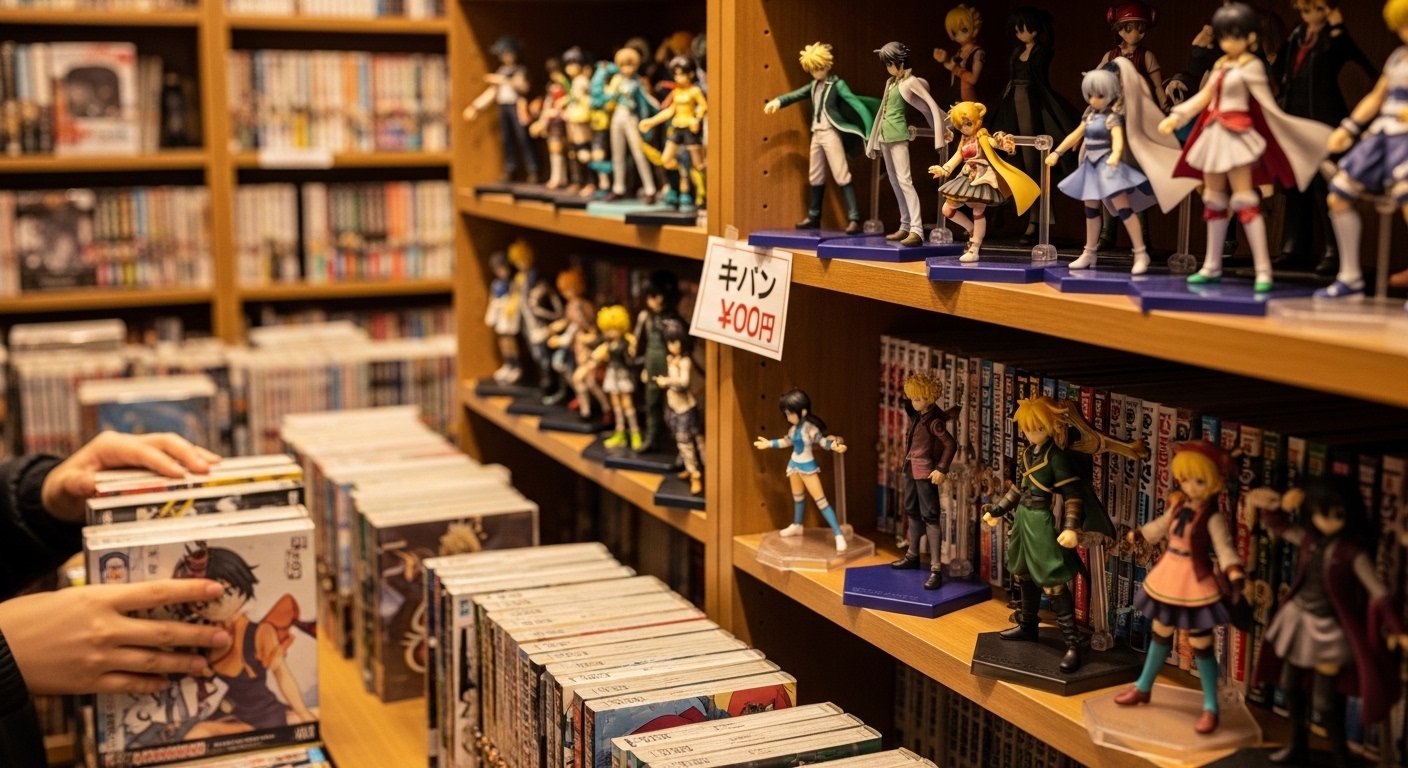
Then there’s the choice paralysis. You walk into a second-hand figure shop in Nipponbashi Denden Town, and it’s a wonderland, but also a nightmare. Shelves upon shelves, absolutely full of second-hand figures. Not neatly organized by series or character, but often crammed together, boxes stacked high, sometimes needing you to literally “dig around” to find something specific. You see a glimmer of a rare figure, but it’s behind three other boxes, and you’re not even sure if it’s the version you want. It’s exhilarating, but also incredibly exhausting.
My biggest frustration early on was always the “is this a good deal?” question. I’d find something I thought was cool, maybe an older anime item, but without a clear strategy or understanding of the local market, I’d just buy it hoping for the best. More often than not, I’d walk a few blocks down, and see the exact same item for ¥500 cheaper, or in better condition. That feeling of buyer’s remorse, knowing I’d just paid more than I should have, really grates on you. It’s hard to find specific or rare hobby items at good value when every shop seems to have a slightly different price, and you’re unsure if you’re even in the “right” shop for what you’re looking for.
And finally, the classic tourist trap. Sticking only to the major, obvious spots, the ones plastered on every guidebook cover. Sure, they’re fine for a quick browse, but they rarely hold the true treasures or the deepest discounts. You need to know where to look beyond these mainstream spots for those niche finds, those obscure anime figures or that specific doujinshi you’ve been dreaming of. It’s a journey, not a sprint, but with a bit of guidance, you can absolutely conquer it.
Your Late January Treasure Map: A Step-by-Step Guide to Scoring Deals
Okay, enough about my past failures. Let’s get you equipped to crush these winter sales and find exactly what you’re looking for. Remember, late January isn’t just “leftovers” from New Year’s; it’s a distinct phase of sales where shops are clearing inventory for spring.
-
Step 1: Know Your Prey (and Your Budget).
Before you even step foot out of your hotel, seriously think about what you want. Are you hunting for new, pristine figures? Craving retro Famicom games? Desperate for that specific BL manga volume? Or maybe just some cool character goods? Pinpointing your targets helps immensely. I learned this the hard way trying to “see everything,” and ending up with nothing because I was overwhelmed.
My Experience: The first time I went to Akihabara with a clear list (“looking for a specific Gundam model and an old PS2 game”), my success rate shot up exponentially. I wasn’t distracted by every shiny object. -
Step 2: Choose Your Battleground Wisely.
Japan’s hobby scene is regionalized, even within Tokyo. Don’t just go to Akihabara for everything if your interest is niche.
-
Akihabara (Tokyo): The Grand Central for All Things Otaku.
This is your go-to for pretty much anything: figures, manga, retro games, electronics, trading cards, gunpla. It’s packed, vibrant, and a must-visit. Think multi-story complexes like Radio Kaikan (seriously, every floor is different – figures, gunpla, cards!), dedicated figure shops like AmiAmi (known for a wide range of new releases and pre-orders, but often has good sales shelves), and high-quality figure specialists like the Tamashii Nations Store. You’ll find new *and* used here.
My Experience: Radio Kaikan is a rabbit hole. I’ve gone in intending to just “browse” and emerged two hours later, ¥8,000 lighter, holding a figure I didn’t even know I needed. It’s worth exploring every floor. -
Ikebukuro (Tokyo): The Otome & BL Paradise.
If your passion leans towards Boy’s Love (BL) or otome merchandise (female-oriented games, anime, goods), Ikebukuro is *the* place. It’s famous for stores specializing in doujinshi and character goods aimed at a female audience. You’ll find many second-hand shops here perfect for older, harder-to-find items. It’s a different vibe from Akihabara – a bit less frantic, more focused on specific fandoms.
My Experience: A friend was desperately seeking a rare doujinshi series, and after striking out in Akiba, we hit Ikebukuro. We spent hours “digging around” in second-hand shops, and she eventually found three volumes of the series she wanted, each for about ¥800. The thrill was palpable! -
Nipponbashi Denden Town (Osaka): Kansai’s Akihabara.
If you’re in the Kansai region, don’t feel left out. Osaka has its own mecca: Nipponbashi Denden Town. It’s a fantastic spot for anime, figures, and video games, with a particular strength in second-hand figure shops. Access is super easy – just head to Nippombashi station and look for the clearly marked “Denden Town” exit. It’s a vibrant area, sometimes a bit more manageable than Akihabara’s intensity.
My Experience: I was in Osaka on a work trip and had a free afternoon. A local colleague pointed me to Denden Town. I snagged a vintage Gundam model kit for ¥2,500 that would have been double the price (if I could even find it) in Tokyo. The second-hand figure shops there are truly excellent.
-
Akihabara (Tokyo): The Grand Central for All Things Otaku.
This is your go-to for pretty much anything: figures, manga, retro games, electronics, trading cards, gunpla. It’s packed, vibrant, and a must-visit. Think multi-story complexes like Radio Kaikan (seriously, every floor is different – figures, gunpla, cards!), dedicated figure shops like AmiAmi (known for a wide range of new releases and pre-orders, but often has good sales shelves), and high-quality figure specialists like the Tamashii Nations Store. You’ll find new *and* used here.
-
Step 3: Embrace the Second-Hand Hunt.
Seriously, this is where the *real* deals and unique finds are. Second-hand shops are ideal for obscure anime figures, retro game finds, and older character goods that are no longer in production. They also often have manga for a fraction of the new price. Be prepared to “dig around” through extensive stock; it’s part of the adventure! The joy of unearthing a forgotten gem is incomparable.
My Experience: I once found a mint-condition, out-of-print art book for ¥1,500 in a dingy second-hand store near Ikebukuro. It was a complete surprise, hidden amongst stacks of less interesting titles. That’s the magic of these places. -
Step 4: The Golden Rule: Compare Prices, Always.
Especially for second-hand figures and games, you *must* compare prices across different shops in the area before committing. I can’t stress this enough. Prices can vary wildly between stores, even for the same item in similar condition. Don’t be afraid to walk out of a shop, check the next one, and then come back if the first one had the best deal.
My Experience: I learned this the hard way, remember? After getting burned, I now make it a game. I’ll take a photo of an item and its price, then check 2-3 other shops before deciding. It’s saved me hundreds, if not thousands, of yen over the years. -
Step 5: Don’t Forget the Multi-Story Wonders.
In places like Akihabara’s Radio Kaikan or similar complexes, dedicate time to exploring every single floor. Each floor can be a completely different shop or a different department of the same chain, offering distinct inventory and potentially different sales.
My Experience: I almost missed an entire floor dedicated to obscure trading card games in Radio Kaikan because I just assumed the escalator went to “more figures.” It’s like a vertical mall of niche interests!
🎯 Insider Tip: In Akihabara, many of the smaller, independent second-hand stores on the side streets, away from the main Chuo-Dori, often have slightly better prices or more unique, less-picked-through stock than the big-name shops. Go off the beaten path!
Digging for Gold: What to Expect on Prices (and why it’s worth it)
So, what kind of deals are we really talking about? It’s tough to give exact numbers because it depends on rarity, condition, and the specific sale, but based on my decade here, here’s a realistic breakdown of what you might typically find and what a good deal in late January could look like. Remember, these are averages, but they’ll give you a solid benchmark for comparison.
| Item Category | Typical New Price Range (¥) | Typical Second-Hand Price Range (¥) | Potential Late Jan Deal Price (¥) | My Hot Take on Value |
|---|---|---|---|---|
| New Figures (Standard scale, Nendoroid/Figma) | 5,000 – 15,000 | 3,000 – 10,000 (condition dependent) | 3,500 – 9,000 (New, 20-40% off) | Fantastic time to grab a desirable figure you missed at release. Look for ‘clearance’ racks. |
| Obscure/Older Figures (Used) | (N/A – out of print) | 2,000 – 8,000 (rarity & condition) | 1,500 – 5,000 (Used, special discounts) | This is where the real treasure hunt begins. Patient digging pays off! |
| Manga (New volume) | 600 – 800 | 100 – 400 | 400 – 600 (New, during sales) | Second-hand manga is *always* a steal. New sales are rarer but exist for older series. |
| Retro Games (Cartridge only, common) | (N/A – vintage) | 500 – 3,000 (popular ones higher) | 300 – 2,000 (Used, clearance bins) | Don’t forget to check the ‘junk’ bins; sometimes a treasure with a fixable flaw. |
| Doujinshi / Character Goods (New/Used) | 500 – 1,500 | 100 – 800 | 300 – 1,000 (New, during event clearances) | Ikebukuro is king here. Look for “¥100 corner” deals in used shops. |
| Gunpla/Model Kits (New) | 1,500 – 8,000 | (Used kits are rare unless pre-built) | 1,000 – 6,000 (New, 20-30% off) | Great deals often found on older or less popular models to clear shelf space. |
The value isn’t just in the money saved, but in the unique finds. Finding that specific manga volume that completes your collection, or an old game that brings back childhood memories, for a killer price? That’s priceless. The late January sales, often labelled as “Winter Clearance” or “Final Sale,” are designed to move inventory, so the discounts can be very real and very deep, sometimes 50% or more on select items.
Common Pitfalls & How I Screwed Up (So You Don’t Have To)
Even with a plan, it’s easy to make mistakes. I’ve made them all.
- The “Only Buying New” Snobbery: When I first moved here, I was a total snob about buying new. I thought second-hand meant damaged or fake. Wrong. Japan’s second-hand market is incredibly robust and regulated. Items are often in near-mint condition, sometimes even unopened, just re-sold. My mistake cost me so many opportunities for rare, older items at fantastic prices. Don’t dismiss the used market; it’s a goldmine.
- Impulse Buying Without Price Comparison: We already talked about this, but it bears repeating. My worst experience was buying a limited edition figure for ¥7,000, only to see it for ¥5,500 a block away. It was a gut punch. Now, I use my phone to quickly search prices online (e.g., on Amazon Japan or specific hobby shop sites) if I’m unsure, or I simply check 2-3 physical stores. A few minutes of extra effort can save you a lot of yen and regret.
- Getting Lost in the Sauce (No Strategy): My first few trips to Akihabara were a chaotic mess. I’d wander aimlessly, get distracted by a maid café, then a gashapon machine, then a giant video screen, and completely forget what I came for. I’d leave exhausted and empty-handed, or with random impulse buys I didn’t truly want. A clear goal (even if it’s just “I want to see what BL manga is on sale in Ikebukuro”) and a rough route plan are critical.
- Ignoring Condition on Used Items: While Japan’s second-hand market is great, it’s not perfect. Sometimes figures might have a tiny scuff, or a manga might have a slight bend in the cover. I’ve bought items I thought were perfect, only to get home and notice a small flaw. Always do a quick visual check, especially for figures. Open the box if you can, or ask a staff member. They’re usually happy to help.
🇯🇵 Point & Speak: Your Essential Phrases
Navigating shops in Japan, even with English-speaking staff, is always smoother if you can manage a few basic phrases. Don’t be shy!
🇯🇵 Point & Speak
Show this to staff:
English: Do you have this in stock?
これ、在庫ありますか?
(Kore, zaiko arimasu ka?)
English: Is this item new or used?
これは新品ですか、中古ですか?
(Kore wa shinpinn desu ka, chūko desu ka?)
English: Can I see this closer?
これ、もっと近くで見てもいいですか?
(Kore, motto chikaku de mite mo ii desu ka?)
English: How much is this?
これはいくらですか?
(Kore wa ikura desu ka?)
English: Do you have a cheaper one?
もっと安いのはありますか?
(Motto yasui no wa arimasu ka?)
FAQ: Your Burning Questions Answered
Are late January sales really worth it after Fukubukuro?
Absolutely, 100%! This is a common misconception that cost me some serious yen in my early years here. While Fukubukuro (lucky bags) typically kick off on January 2nd and are very specific, the broader “Winter Sales” or “Clearance Sales” for hobby items like manga, figures, models, and crafts actually extend well into late January. Shops are clearing out older inventory to make space for spring releases, meaning you can find substantial discounts (20-50% off!) on individual items, not just mystery bags. Don’t miss out on these deals!
What’s the difference between Akihabara and Ikebukuro for hobby shopping, and where should I go?
These two Tokyo districts cater to slightly different fanbases, and knowing the distinction will save you time and maximize your finds. Akihabara is the undisputed “Electric Town” and a general paradise for anime, manga, figures, retro games, electronics, and trading cards. It’s bustling, packed with multi-story complexes like Radio Kaikan, and has a huge variety for all interests. If you’re looking for a broad spectrum of items or specific popular series, Akihabara is your primary target.
Ikebukuro, on the other hand, is known as the “otome road” and specializes heavily in Boy’s Love (BL) merchandise, otome games, doujinshi, and character goods primarily aimed at a female audience. If your interests lean towards these genres or you’re hunting for specific fan-made works or older character items, Ikebukuro will offer a more concentrated and fruitful experience. Many second-hand shops there are perfect for unique, older BL/otome finds.
How can I find specific or rare hobby items at good value, especially in second-hand shops?
Finding specific or rare items at a good value, particularly in second-hand shops, requires strategy and patience. First, clearly define your target item – know its name, series, and any specific versions. Next, prioritize second-hand shops in the relevant districts (Akihabara for general, Ikebukuro for BL/otome, Nipponbashi Denden Town in Osaka). These stores are ‘ideal for unique, older items’ and ‘obscure anime figures and retro game finds.’ Be prepared to ‘dig around’ through crowded shelves; rare finds are often hidden. Most importantly, ‘compare the prices before buying any figures.’ Walk around, check several shops in the same area (e.g., in Nipponbashi Denden Town), and don’t be afraid to take a photo of an item and its price to compare later. Sometimes, a tiny, unassuming shop on a side street will have the best deal or the rarest item. Persistence and careful comparison are your best friends here!


