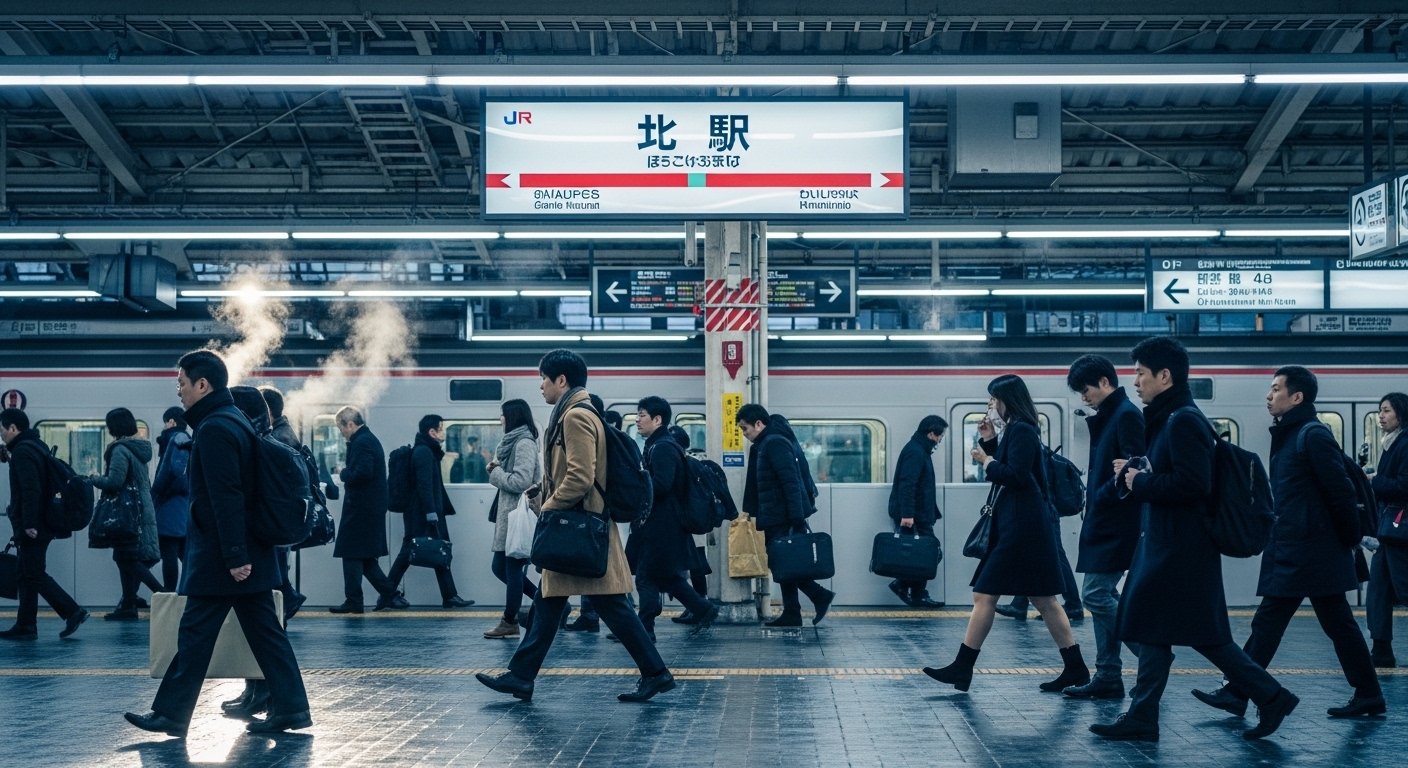
*Images used in this article are for illustration only. They may not be directly related to the content.
Brrr! My Japan Winter Blackout Horror Story & How YOU Can Stay Warm, Safe, and Sane
The first time it happened, I was tucked into my futon in our old Kyoto machiya, thinking I was prepared for anything Japan could throw at me. Ten years here, and I’d seen typhoons, earthquakes, and even a rogue wild boar (true story!). But a winter power outage? That hit different. I woke up to an unfamiliar silence, the hum of the city gone, replaced by an eerie stillness. My breath plumed in front of me. It was inside the house. My phone, usually a lifeline, was at 10%, and the only light came from the faint glow of the snow-covered street outside. Panic started to prickle, a cold not just from the air, but from the fear of being truly stranded, shivering in the dark, wondering how to even find help in a language that suddenly felt very foreign. My ‘Japan Local Fixer’ badge felt a little tarnished that morning, let me tell you.
This isn’t just about an inconvenience; it’s about staying safe, connected, and warm when Japan’s usually impeccable infrastructure decides to take a cold, unexpected nap. Whether you’re a tourist passing through or a long-term resident, underestimating a winter blackout here can turn your dreams of a picturesque snowy landscape into a very chilly nightmare.
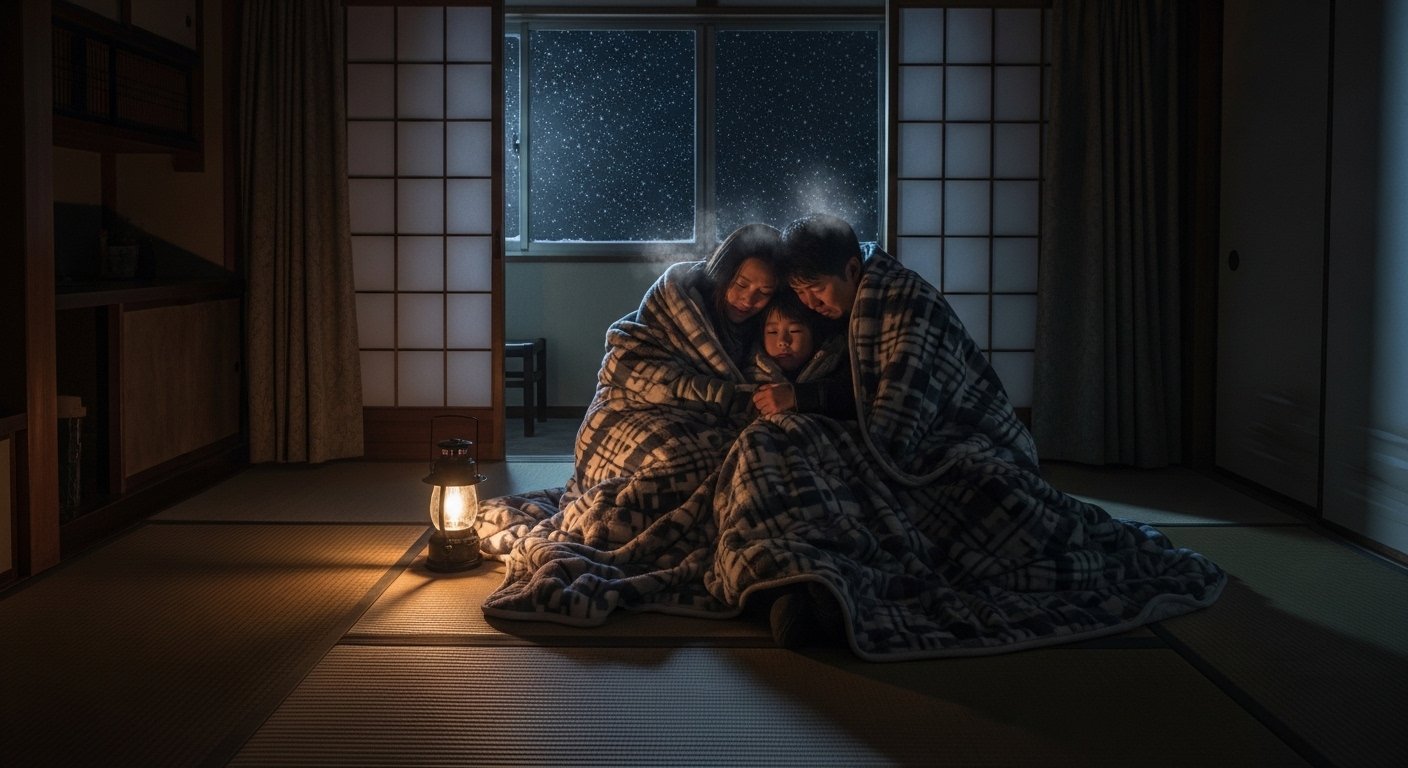
Table of Contents
- The Real Struggle: Why Japan’s Winter Blackouts Are Next Level
- Your Step-by-Step Solution: Before, During, and After the Blackout
- Price Breakdown: Essential Gear for Your Emergency Kit
- Common Pitfalls: Don’t Make My Mistakes!
- 🇯🇵 Point & Speak: Quick Phrases for When You’re in the Dark
- 🎯 Insider Tip: Beyond the Basics
- FAQ: Your Burning Questions Answered
The Real Struggle: Why Japan’s Winter Blackouts Are Next Level
“Japan is so safe!” I hear it all the time. And yes, generally, it is. But that safety perception can sometimes lead to underestimating very specific risks – like a winter power outage. I’ve seen tourists laugh off earthquake drills, thinking “it won’t happen to me.” But when the mercury drops below freezing and the lights go out, that laughter can turn into shivers, fast.
Here’s the thing: Japanese homes, especially older ones or those built with different priorities (hello, earthquake resistance over thermal insulation!), can feel inherently extra cold, even without a power outage. I remember my first winter here, huddled in five layers indoors because the air conditioning (which doubles as a heater) was struggling. So, when the power cuts out and that essential heat source vanishes, the cold becomes an intense, pervasive presence. You feel it seep into your bones, and your breath becomes visible inside your own living room. It’s not just “chilly”; it’s frigid.
And it’s not just the cold. Without electricity, you lose your heating, your lights, and crucially, your connection to the outside world. No Wi-Fi, no charging your phone to check news or contact emergency services. Imagine being in an unfamiliar country, no way to look up information, no way to call for help, just the unfamiliar silence that accompanies a complete power outage, replacing the usual hum of city sounds and electronics. This difficulty in getting information or contacting help without power or internet in an unfamiliar country is one of the biggest pain points, and it can leave you feeling truly stranded.
What triggers these outages? Often, it’s not just a blown fuse. Winter earthquakes are a known culprit, and heavy snow can blanket power lines, knocking them out. Sometimes, due to systemic issues or widespread effects, restoration can take a long, long time. And when the power does finally return, there’s another sneaky risk: power surges. I’ve heard horror stories from friends who’ve had expensive electronics fried because they reconnected everything too quickly. Diesel grids, which power some areas, are particularly notorious for surging on restart. And don’t even get me started on the pipes – a prolonged loss of indoor heat, especially if you’re away, means a real risk of frozen or burst pipes, leading to a whole different kind of costly disaster. Trust me, you do not want to come home to a flooded apartment because your pipes decided to give up the ghost.
This isn’t about fear-mongering. It’s about being honest about the challenges and giving you the tools to be a local fixer yourself, even if it’s just for your own temporary abode.
Your Step-by-Step Solution: Before, During, and After the Blackout
Let’s get practical. Here’s what I’ve learned from my own frosty encounters and what you absolutely need to know.
Before an Outage: The Prep Work That Saves Your Bacon
Being prepared isn’t about expecting the worst; it’s about ensuring you can handle it when it comes. Think of it as insurance for your comfort and safety.
- Understand Your Japanese Home’s Quirks: As I mentioned, Japanese homes can feel surprisingly cold. Don’t assume your rental or hotel will be a fortress of warmth. Familiarize yourself with how it’s heated (usually split-system AC units). Prepare for additional cold by having warm clothing on hand indoors.
- Research Non-Electric Heating & Cooking (Safely!): If you’re in a private residence, consider safe, non-electric heating options like kerosene heaters (use with extreme caution and ventilation!) or portable gas stoves for cooking. If you’re in a hotel, this isn’t an option, but focus on personal warmth. Crucially, always follow manufacturer’s instructions and ensure ample fresh air ventilation to prevent carbon monoxide poisoning. This isn’t a joke; it kills.
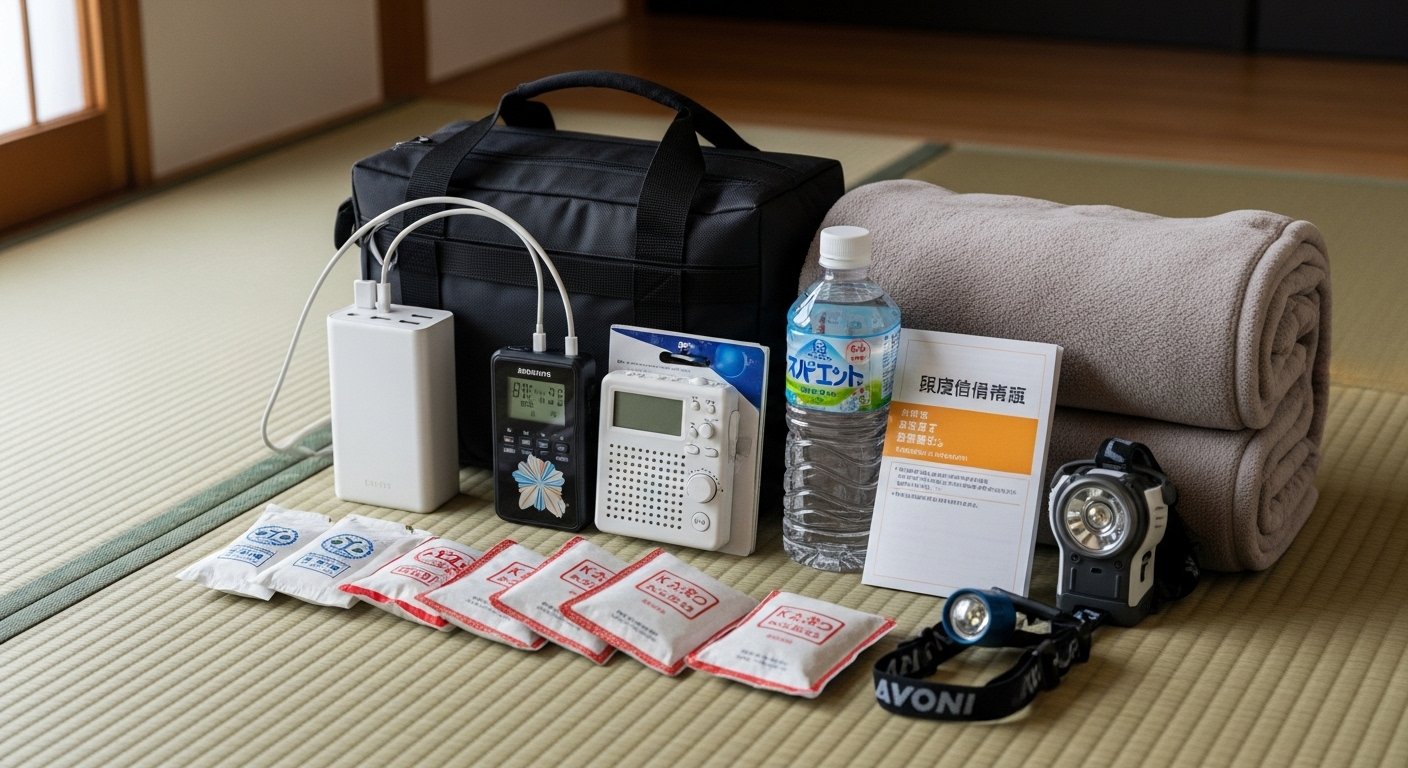
- Assemble Your Warmth Arsenal: My first blackout taught me the hard way. Now, my emergency kit includes:
- Multiple Layers of Warm Clothing: Think thermal underwear, sweaters, wool socks, and a heavy jacket – even for inside.
- Blankets: Thick, wool blankets or even a sleeping bag can be a lifesaver.
- Warm Hat: You lose a lot of heat through your head. A cozy hat makes a huge difference indoors.
- Chemical Heat Packs (Kairo): These little wonders are cheap and provide hours of warmth. Stock up!
- Lighting and Power:
- Flashlights & Headlamps: Multiple, with extra batteries. Your phone’s flashlight will drain its battery too fast.
- Power Banks: Fully charged, for your phone and other small devices.
- Battery-Operated Radio: For news and information if cell towers are down or your phone is dead.
- Water & Food:
- Bottled Water: Enough for 3 days per person.
- Non-Perishable Food: Things that don’t need cooking or refrigeration. Instant noodles (that can be eaten cold if necessary), energy bars, canned goods.
- Manual Can Opener: If you’ve got canned goods.
- First-Aid Kit & Medications: Standard stuff, but extra important when professional help might be delayed.
During an Outage: Immediate Actions for Safety and Comfort
Okay, the lights just flickered out. Don’t panic. Here’s your immediate playbook:
- Protect Your Electronics from Surges: This is a big one. To prevent damage from potential power surges when electricity eventually returns, immediately shut off or unplug major appliances. I’m talking stoves, washing machines, dryers, dishwashers, microwaves. Don’t forget your fancy electronics: TVs, computers, routers, modems, and your heating systems (furnace/boiler, heat pumps, smart thermostats if they don’t have battery backup). I learned this the hard way after a friend lost his fridge to a surge. It’s a common mistake to leave things plugged in!
- The Single Lamp Trick: Leave one low-draw lamp plugged in and switched on. This acts as a silent, solitary signal. When it suddenly illuminates, you’ll know power has been restored without having to stumble around in the dark checking everything. Genius, right? My neighbor taught me this one.
- Preventing Frozen Pipes: This is critical, especially in colder regions or during extended outages. Frozen pipes can lead to burst pipes, and that’s a disaster you absolutely want to avoid.
- Open Cabinet Doors: Under sinks, especially. This allows warmer (or less cold) room air to circulate around your plumbing.
- Drip Faucets: Allow both hot and cold faucets to drip slightly. The moving water makes it much harder for pipes to freeze.
- Longer Outages? Drain the System: If it looks like a prolonged outage (many hours or days), you might need to take more drastic measures. Shut off the main water supply to your accommodation and drain the pipes by opening the lowest faucet in your home. This might sound intimidating, but a plumber can walk you through it if you can reach one. Your landlord or hotel staff should be your first point of contact here.
- Well System Warning: If your accommodation relies on a well system (unlikely for most tourists, but possible for rural residents), do not run water during an outage. Pressure tanks can empty, and you risk damaging the pump.
- Conserve Body Heat: This is where your warmth arsenal comes in.
- Layer Up: Dress in multiple layers of clothing. Start with thermals, add shirts, sweaters, then a jacket.
- Wear a Hat: Seriously, wear a warm hat indoors. It makes a huge difference.
- Huddle: If you’re with others, huddle together under blankets. Body heat is surprisingly effective!
- Use Kairo: Place heat packs on your core (chest, back, stomach) and in your pockets.
- Stay Informed (If Possible): Use your battery-operated radio or fully charged phone (sparingly) to check for updates. Local government websites or news channels will often provide information on estimated restoration times.
After an Outage: The Power’s Back! Now What?
That little lamp just glowed to life. Relief! But don’t rush to plug everything back in just yet.
- Wait for Grid Stability: Exercise caution. Give it a good 10-15 minutes, perhaps even longer if you suspect the local grid (especially if it’s a diesel grid) is prone to surges. I usually wait until I see my neighbors’ lights come on consistently. Then, gradually reconnect your high-draw systems. Start with lights and essential low-power items. Save the fridge, AC/heater, and big electronics for last. This helps prevent overloading the system and protects your devices from those sneaky power surges.
- Check Your Pipes: If you followed the advice about dripping faucets or draining, now is the time to slowly turn water back on and check for any leaks. Look for tell-tale puddles or drips around pipes. If you suspect damage, call your landlord or a plumber immediately.
- Recharge & Restock: Once the power is stable, recharge all your power banks, flashlights, and devices. Restock any used emergency supplies. You never know when the next one will hit.
Price Breakdown: Essential Gear for Your Emergency Kit
Building a solid emergency kit doesn’t have to break the bank. Here’s a rough idea of what you might spend in Japan (prices are approximate and can vary wildly depending on brand and where you buy them). Think Daiso, 100-yen shops, home centers (kohnan, kameyama), and drugstores for most of these.
| Item | Approximate Price Range (JPY) | Notes |
| Heavy Blanket / Sleeping Bag | ¥2,000 – ¥8,000 | Good quality, often found at Nitori or Uniqlo for HeatTech blankets. |
| Chemical Heat Packs (Kairo, 10-pack) | ¥150 – ¥500 | Essential. Drugstores and 100-yen shops. |
| Flashlight / Headlamp | ¥300 – ¥2,000 | Basic ones at 100-yen shops, better ones at hardware stores. |
| Extra Batteries (AA/AAA, 4-pack) | ¥100 – ¥400 | Stock up! |
| Power Bank (10,000 mAh) | ¥1,500 – ¥5,000 | For charging phones. Don Quijote, Bic Camera, Yodobashi Camera. |
| Battery-Operated Radio | ¥1,000 – ¥3,000 | Often includes a hand-crank charger for emergencies. |
| Bottled Water (2L, 6-pack) | ¥300 – ¥600 | Always good to have a stash. |
| Non-Perishable Food (e.g., instant noodles, energy bars) | ¥500 – ¥2,000 | A few days’ supply. |
| Thermal Underwear (top & bottom) | ¥2,000 – ¥5,000 | Uniqlo HeatTech is a cult classic for a reason. |
| Warm Hat & Gloves | ¥500 – ¥2,000 | From 100-yen shops to fashion retailers. |
Common Pitfalls: Don’t Make My Mistakes!
I’ve made a few of these, and seen plenty of others fall into these traps. Learn from us!
- The “It Won’t Happen Here” Mentality: This is the biggest one. Japan is highly developed, but infrastructure can fail, especially during natural disasters or extreme weather. Don’t assume you’re immune to inconvenience or hardship just because you’re in Japan. That assumption will leave you unprepared and very, very cold.
- Instant Reconnection: My friend who lost his fridge taught me this. The moment the power flickers back on, the urge to flip every switch and plug everything back in is strong. Resist! Diesel grids, which are quite common in some areas, are notorious for power surges on restart. Give it time, let the grid stabilize, and then slowly bring things back online.
- Underestimating the Cold: Seriously, don’t. Japanese homes often prioritize other things over robust insulation. When the heat goes out, the cold sets in fast and deep. Just because you’re indoors doesn’t mean you’re warm. My apartment went from a cozy 20°C to a bone-chilling 5°C in just a few hours.
- No Offline Info: Relying solely on your phone for maps, emergency numbers, or even simple advice is a recipe for disaster if your battery dies or cell towers are down. Have physical copies of important numbers (local emergency services, your embassy, your landlord/hotel).
- Ignoring Pipe Warnings: It seems trivial until your pipes burst and you’re faced with a massive repair bill and a temporary relocation. If you’re in a place where you can manage your water supply (i.e., not a hotel where staff handle it), heed the advice on dripping faucets or shutting off water.
🇯🇵 Point & Speak: Quick Phrases for When You’re in the Dark
Even if you don’t speak a lick of Japanese, having a few key phrases written down or in your head can be a lifesaver. Show these to staff, police, or kind strangers if you’re stuck.
English: Is the power out?
停電ですか?
(Teiden desu ka?)
English: It’s very cold.
とても寒いです。
(Totemo samui desu.)
English: Do you have a flashlight?
懐中電灯はありますか?
(Kaichuudentou wa arimasu ka?)
English: Where is the emergency exit?
非常口はどこですか?
(Hijouguchi wa doko desu ka?)
English: Can I charge my phone?
携帯電話を充電できますか?
(Keitai denwa o juuden dekimasu ka?)
🎯 Insider Tip: Don’t just rely on hotel or guesthouse staff during a widespread outage. While they’ll do their best, they might be overwhelmed. Locate your nearest *konbini* (convenience store) or *super* (supermarket) on a map *before* an outage. Many larger konbini are equipped with backup generators and might become temporary hubs for warmth, light, and information during an extended local blackout. They often have charging stations too, if operational. Knowing your local safe havens *before* you need them is crucial.
FAQ: Your Burning Questions Answered
Q1: Why do Japanese homes feel so cold even without a power outage?
A1: From my experience, it often comes down to insulation characteristics. Many Japanese homes, especially older ones, were built with a focus on natural ventilation to combat summer heat and humidity, or for earthquake resistance, which sometimes meant less robust thermal insulation. This leads to heat escaping easily in winter, making rooms feel much colder than in Western houses. So when the power goes out, the cold sets in quickly and intensely.
Q2: What’s the biggest risk to my electronics when power returns after an outage?
A2: The biggest risk is damage from power surges. When electricity is restored, especially on older or less stable grids (like diesel grids often used in more rural areas), there can be a sudden, brief spike in voltage. If your electronics or major appliances are plugged in during this surge, they can get fried. That’s why I always recommend unplugging non-essential items and waiting for grid stability before gradually reconnecting them.
Q3: How can I prevent my pipes from freezing or bursting during a prolonged winter power outage?
A3: Preventing frozen pipes is critical. If your indoor heat is lost for an extended period, open cabinet doors under sinks to allow warmer room air to circulate around the plumbing. More effectively, allow both hot and cold faucets to drip slightly; moving water is less likely to freeze. For very long outages, the safest bet is to shut off the main water supply to your home and drain the pipes by opening the lowest faucet. If you’re staying in a hotel, alert staff immediately for guidance.
Staying warm, connected, and safe during a Japan winter power outage isn’t about being paranoid; it’s about being smart. I’ve been there, shivering in my own apartment, feeling that pang of fear and helplessness. But with a little preparation and knowing these specific Japan-centric tips, you can turn a potentially scary situation into a manageable inconvenience. Go forth, explore Japan, and know that you’re now equipped to handle whatever winter throws your way!