*Images used in this article are for illustration only. They may not be directly related to the content.
Cash is King & Patience is Gold: Your Ultimate Guide to Scoring Japan’s Winter Second-Hand Hobby Deals
Let me tell you, when I first landed in Japan a decade ago, fresh off the plane and starry-eyed, I thought I was ready for anything. I had my debit card, my Google Translate, and an unshakeable belief that every anime figure, every vintage Famicom game, and every obscure manga volume would be mine for the taking. I was wrong. So, so wrong.
My first winter here, I walked into what looked like a treasure trove of Gundam models. I picked out a few, excited about the prices. Got to the counter, beamed at the oba-chan behind it, and confidently presented my international credit card. She looked at me, then at the card, then back at me, shook her head slowly, and said one word: “Genkin.” Cash. My wallet was holding about ¥200. I had to put everything back. The embarrassment was palpable, and I vowed never to be caught off guard again.
That was my initiation into the nuanced, sometimes frustrating, but ultimately incredibly rewarding world of second-hand hobby shopping in Japan. Especially during the winter sales. If you’re here hoping to snag those coveted manga, figures, or retro games without emptying your entire travel budget, listen up. I’ve made all the mistakes so you don’t have to.
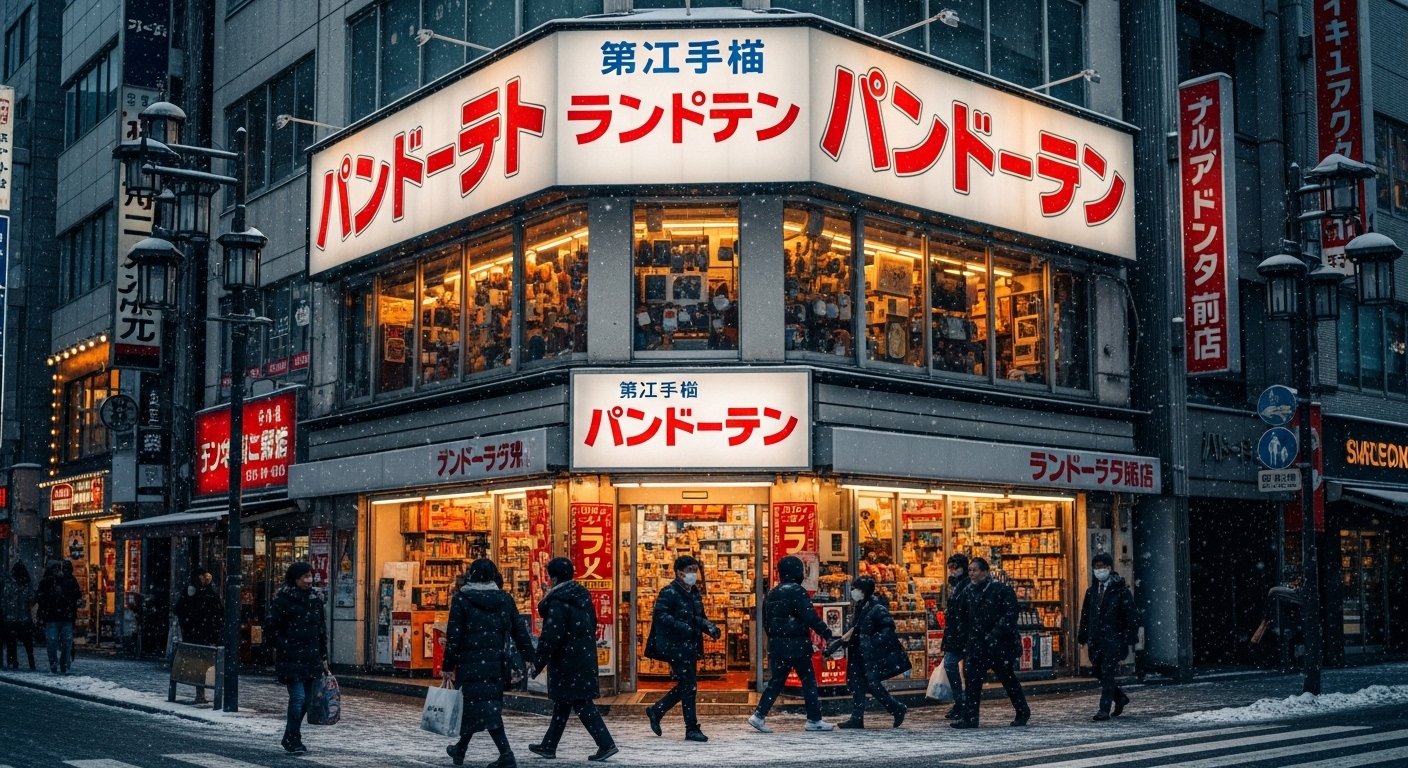
Table of Contents
- The Real Struggle: Why Your Wallet Cries in Japan’s Hobby Heaven (and How Mine Did Too)
- Your Winter Treasure Map: Navigating Japan’s Second-Hand Hobby Scene Like a Pro
- The Yen & The Haul: What You Can Expect to Pay (or Save!)
- Common Pitfalls & How to Dodge Them (Learned the Hard Way)
- 🇯🇵 Point & Speak: Your Secret Weapon
- FAQ: Your Burning Questions Answered
The Real Struggle: Why Your Wallet Cries in Japan’s Hobby Heaven (and How Mine Did Too)
Look, the allure of Japanese anime, manga, and retro games is undeniable. You see all those incredible figures, pristine manga sets, and vintage consoles, and your heart just aches to bring them home. But then you see the price tag on a brand-new figure, or a complete manga series, and your wallet does this sad, deflated whistle. Trust me, I’ve been there. My first year, I blew through my monthly budget on two figures because I didn’t know the ropes of the second-hand market. It felt like I was perpetually just missing the deals.
Finding specific niche items – like that obscure anime figure from a 90s OVA, a particular variant of a Pokémon card, or a rare copy of a Super Famicom game – isn’t just shopping; it’s a genuine, complex quest. It requires dedication, a keen eye, and a willingness to dig through literal mountains of merchandise. The bustling streets of Tokyo are a vibrant world of hobby shopping, but if you don’t know where to look, it can feel overwhelming.
And then there’s the payment dilemma. You’re ready to buy, you’ve found your holy grail, and then… cash only. My incident at the Gundam shop was just one of many. Or, you try to ask a question, and the kind but fast-speaking shop owner just gives you a polite, blank stare. It’s frustrating, I know. Navigating these diverse second-hand stores, especially with language barriers, can feel like trying to solve a puzzle with half the pieces missing.
But here’s the good news: I’ve learned those ropes, found those missing pieces, and I’m here to hand you the completed puzzle. You don’t have to experience the same wallet-crying, head-scratching moments I did.
Your Winter Treasure Map: Navigating Japan’s Second-Hand Hobby Scene Like a Pro
This isn’t just about saving money; it’s about the thrill of the hunt. It’s about feeling like a true urban explorer, unearthing hidden gems amidst the chaos. Let’s get you prepared.
Step 1: Time it Right – The Post-New Year Gold Rush
This is non-negotiable. If you’re serious about scoring deals, you must plan your shopping trip for January. Japan’s post-New Year sales are legendary, and they’re not just for clothes and electronics. This is prime opportunity season for hobbyists. Why? Because people get fukubukuro (lucky bags) for New Year’s, and often, there are items inside they don’t want. These unwanted, sometimes brand-new, components from lucky bags quickly make their way to second-hand shops at seriously competitive prices. I’ve seen figures that were part of a ¥10,000 fukubukuro selling individually for ¥3,000-¥5,000 just a week later. It’s glorious.
Step 2: Cash is King (Sometimes) – Prepare Your Yen
Remember my Gundam incident? Don’t be me. This is probably the most crucial piece of advice for second-hand hunting.
- Larger Chains: Stores like Book-Off, Mandarake, or Lashinbang, and major department stores, are usually fine with credit cards and IC cards (like Suica or Pasmo). Breathe easy here.
- Smaller, Independent Shops & Flea Markets: These are where the true, quirky treasures often hide, especially vintage items. And they overwhelmingly prefer, or only accept, cash. I’ve walked into tiny, cluttered shops filled with decades-old toys and found a pristine, ¥500 Super Famicom game, only to realize my physical wallet was empty. Keep a good stash of ¥1,000, ¥5,000, and ¥10,000 notes on you, especially if you’re venturing off the beaten path. It’s better to have it and not need it, than need it and have to trek to an ATM.
Step 3: Hunt the Giants & Dive into the Dungeons – Where to Find the Goods
Second-hand shops are your absolute best friends. They’re not just charity shops; they’re organized, clean, and often specialized.
- Big Names: Think Book-Off for manga (and often figures/games), Mandarake for figures, manga, doujinshi, and retro games, and Lashinbang for anime merchandise and figures. These are multi-story palaces of nerd culture, offering everything from discounted manga volumes to rare anime merchandise and vintage Japanese toys. You’ll find a wide variety of discounted manga, figures, models, and crafts here.
- Targeted Districts: While Akihabara is the famous big gun, don’t overlook Toshima, Tokyo. I’ve spent countless afternoons there. It’s an absolute gem for anyone who loves anime, video games, and “nerd culture” and wants to find things at a genuinely cheap price. The smaller shops, especially, have that authentic, dusty, treasure-hunt feel. Explore the side streets, dive into basements, and climb narrow staircases. That’s where the magic happens.
🎯 Insider Tip: When in Toshima (or anywhere really), don’t just stick to the main drag. Duck into any building that looks like it might have a second-hand shop on an upper floor or in the basement. I once found a tiny, two-person-capacity shop specializing in 80s arcade PCBs in a building that primarily housed dentistry offices. The best finds are rarely on street level.
Step 4: The Art of the Dig – Patience, My Friend
Finding that specific niche or obscure item is, as the research says, a “complex quest.” It’s not a quick grab-and-go. You’ll need:
- Time: Don’t rush. Allocate an entire afternoon, or even a full day, to a specific area like Toshima.
- A Keen Eye: Scan shelves, look under things, check the “junk” bins (sometimes real treasures hide there, often just needing a wipe down).
- Patience: You might visit three shops and find nothing. The fourth might yield a haul. I’ve spent hours in a Mandarake, just to find one perfect, rare figure for ¥2,000 that would have cost ¥8,000 new. That feeling? Priceless. Be prepared for a dedicated search; it’s part of the adventure.
Step 5: Bridging the Gap – A Little Japanese Goes a Long Way
Yes, you’re in Japan, and yes, there will be language barriers. Especially in those smaller, independent shops where the staff might not speak English. Don’t let it intimidate you. A little effort goes a huge way. Learning a few key phrases, or even just having them written down on your phone to show, can make all the difference. It shows respect and genuine interest, and staff are usually incredibly helpful once you make that first connection.
The Yen & The Haul: What You Can Expect to Pay (or Save!)
Prices are, of course, variable. But here’s a general idea of the kinds of deals you can snag compared to new prices, especially when hitting those winter sales and second-hand shops. These are my real-world observations over the years.
| Item Type | New Price (Approx. ¥) | Second-Hand / Winter Sale Price (Approx. ¥) | Notes |
| Manga Volume (standard) | ¥450 – ¥700 | ¥100 – ¥400 | Commonly find volumes for ¥100-¥200 at Book-Off. Rare editions or complete sets might be higher but still cheaper than new. |
| Anime Figure (Nendoroid/Figma) | ¥7,000 – ¥12,000+ | ¥3,000 – ¥8,000 | Condition is key. Unboxed figures can be significantly cheaper. *Fukubukuro* figures often appear at lower prices. |
| Anime Figure (Scale/PVC) | ¥15,000 – ¥30,000+ | ¥6,000 – ¥20,000 | Highly sought-after, but open-box or slight imperfection can drop prices drastically. Patience pays off here. |
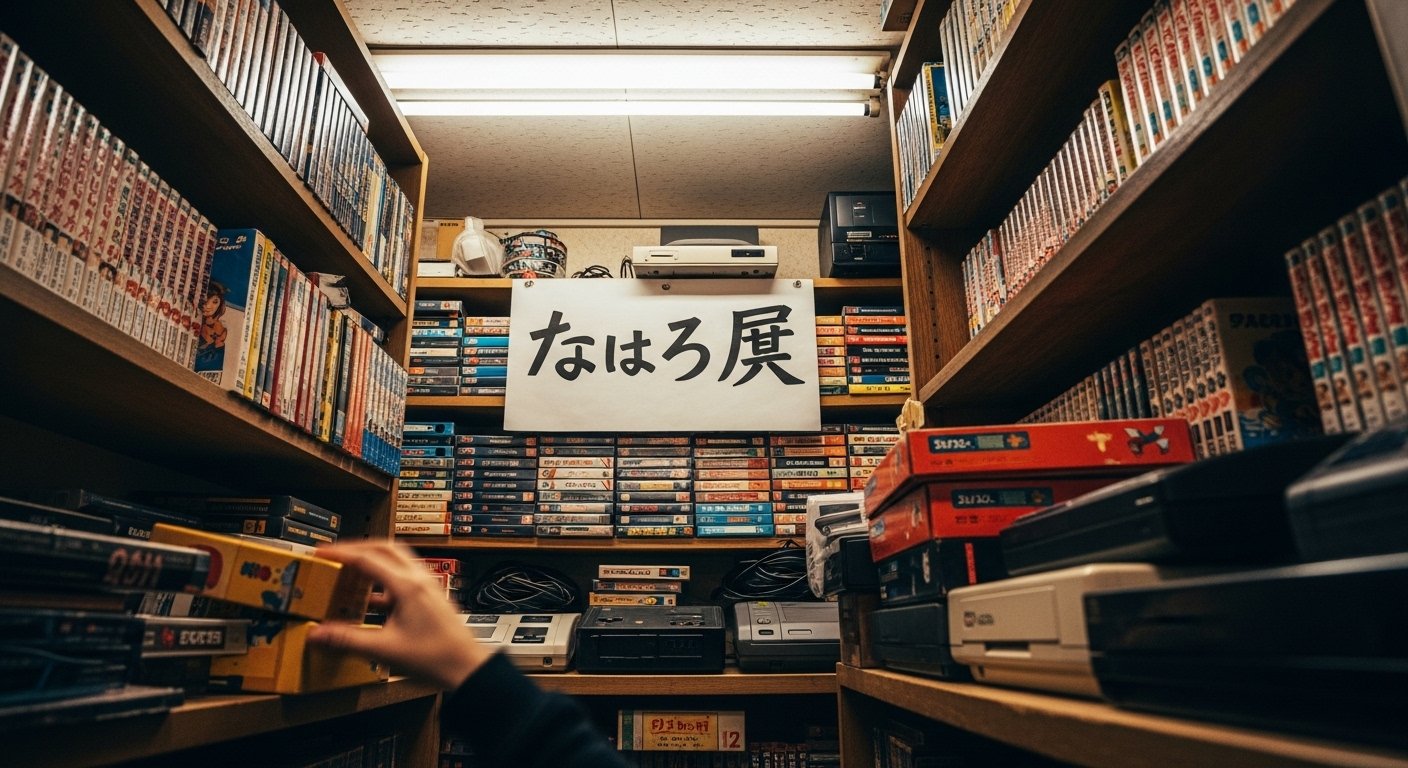
| Retro Game (Cartridge/Disc) | N/A (often only second-hand) | ¥500 – ¥5,000 (common) | Depends wildly on rarity. Common Famicom games can be ¥500-¥1,000. Super Famicom might be ¥1,000-¥3,000. Rare cult classics can go higher. |
| Retro Console (e.g., Famicom) | N/A (only second-hand) | ¥3,000 – ¥10,000 | Condition and accessories matter. Unboxed, uncleaned might be cheaper. Tested and working units are more expensive but worth it. |
| Anime Merchandise (Keychains, etc.) | ¥500 – ¥1,500 | ¥100 – ¥800 | Plenty of these from *gashapon* or *fukubukuro* finds. Often in excellent condition. |
Common Pitfalls & How to Dodge Them (Learned the Hard Way)
- “My Card Will Work Everywhere” Delusion: Nope. Get cash out before you start your hunt, especially in smaller shops or off-the-beaten-path areas. ATMs are widely available, but you don’t want to break your stride mid-treasure hunt.
- Giving Up Too Early: I’ve seen tourists walk into a second-hand shop, do a quick glance, and leave empty-handed. You’re not going to find that specific rare edition in the first five minutes. It’s a marathon, not a sprint. The ‘complex quest’ description is accurate; embrace it.
- Ignoring the January Sales Window: If you’re coming in March expecting the same level of deals as January, you’re going to be disappointed. Timing really is everything for these bigger discounts and the influx of fukubukuro components.
- Shyness Due to Language: Don’t be! Most Japanese shop staff are incredibly kind and willing to try and understand, even if they don’t speak English. A smile and a few key phrases (see below!) go a long way. Don’t let the fear of a language barrier stop you from asking about an item you’re desperate for.
🇯🇵 Point & Speak: Your Secret Weapon
Show this to staff:
English: Do you accept credit cards?
クレジットカードは使えますか?
(Kurejitto kādo wa tsukaemasu ka?)
English: Do you accept IC cards (like Suica/Pasmo)?
ICカードは使えますか?
(Ai-shī kādo wa tsukaemasu ka?)
English: Where are the manga/figures/games?
漫画/フィギュア/ゲームはどこですか?
(Manga / Figyua / Gēmu wa doko desu ka?)
English: Is this item available?
この商品はありますか?
(Kono shōhin wa arimasu ka?)
English: How much is this?
これはいくらですか?
(Kore wa ikura desu ka?)
Go Forth and Conquer Your Winter Hobby Haul!
Look, scoring winter hobby deals in Japan isn’t just about the items you bring home. It’s about the adventure, the hunt, the little victories when you find that obscure manga volume for ¥200, or a figure you thought was long gone. It’s about connecting with a part of Japan that’s passionate, vibrant, and a little bit quirky.
So, arm yourself with cash, plan your January itinerary, and put on your walking shoes. Head to those second-hand shops, especially in places like Toshima. Be patient, be curious, and don’t be afraid to point and speak. You’re not just shopping; you’re embarking on a mission. And trust me, when you finally unearth that perfect, cheap treasure, the feeling is pure gold. Happy hunting!
FAQ: Your Burning Questions Answered
When is the best time to find hobby deals in Japan?
The absolute best time to find significant deals on second-hand manga, figures, and retro games in Japan is during the post-New Year sales in January. This is when many unwanted items from lucky bags (fukubukuro) make their way to second-hand shops, offering competitive prices.
What payment methods should I prepare for in Japanese second-hand hobby shops?
It’s crucial to carry sufficient cash. While larger chain stores (like Mandarake or Book-Off) and department stores widely accept credit cards and IC cards (like Suica or Pasmo), many smaller, independent second-hand hobby shops, especially those specializing in vintage items or found at flea markets, often prefer or exclusively accept cash payments.
Where are the best places in Tokyo to find cheap second-hand anime, video games, and ‘nerd culture’ items?
While Akihabara is famous, Toshima, Tokyo, is specifically highlighted as an excellent area for those who love anime, video games, and ‘nerd culture’ to find items at potentially lower prices. Explore both the well-known larger second-hand stores and the smaller, independent shops hidden away on side streets or upper floors.


