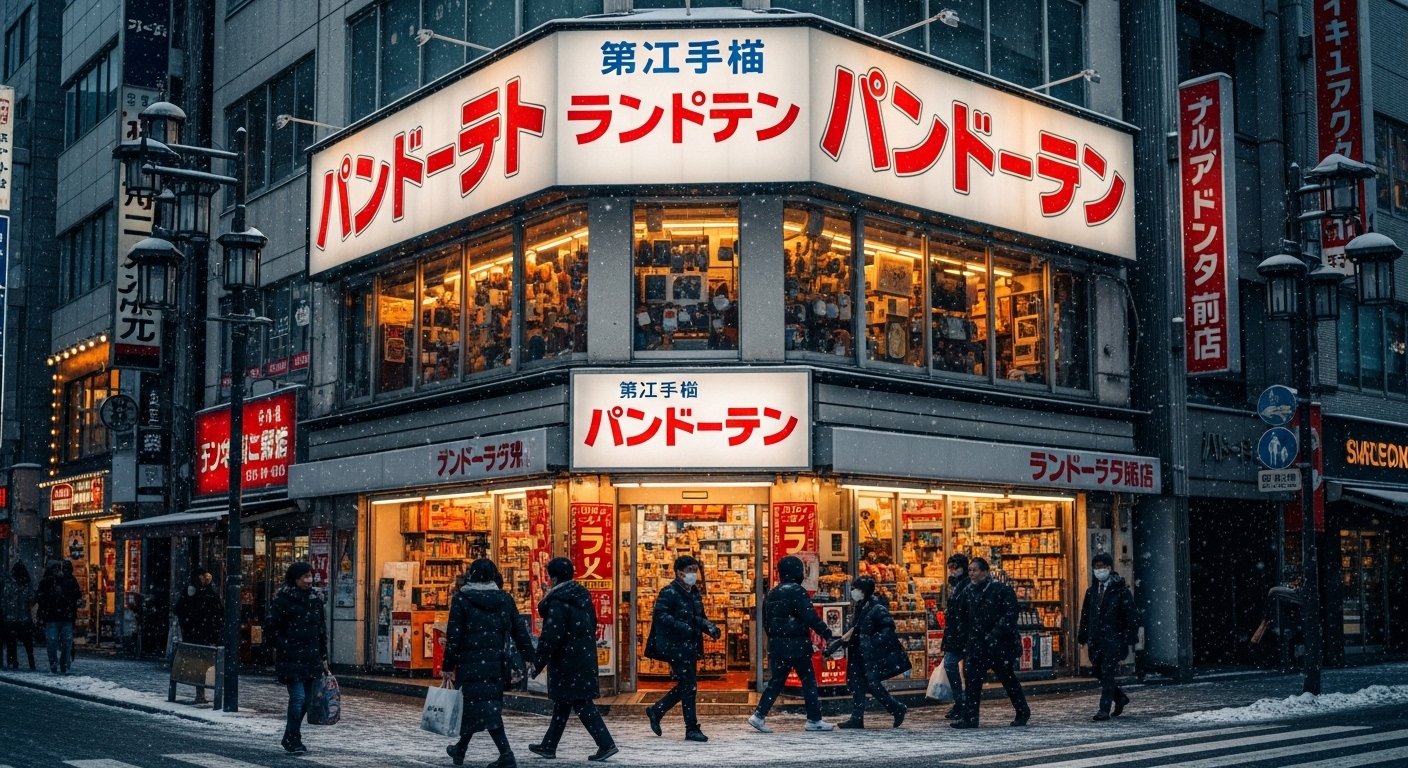
*Images used in this article are for illustration only. They may not be directly related to the content.
Unlock Japan’s Hidden Gems: Your Guide to Niche Hobby Shopping This Winter
Planning a trip to Japan this winter and hoping to bring back more than just standard souvenirs? You’re in the right place. Finding specialized hobby stores beyond the well-trodden tourist paths, securing truly authentic, high-quality Japanese items, and navigating language barriers can feel like a complex quest.
This comprehensive guide is designed to remove that friction. We’ll show you exactly where and how to conduct effective niche hobby shopping in Japan, ensuring you discover unique gifts and premium craft supplies. Prepare to explore Japan’s rich world of specialized crafts, from traditional art materials to cutting-edge model kits, all while maximizing your winter travel experience.
Table of Contents
- The Challenge: Beyond the Mainstream
- Your Blueprint for Finding Niche Hobby Stores in Japan
- Navigating with Confidence: Essential Japanese Phrases
- Ensuring Authenticity and Quality
- Practicalities for Your Winter Hobby Haul
- Pro-Tips for Your Niche Hobby Quest
- Common Mistakes to Avoid
- Your Quick Reference Card
- Frequently Asked Questions
- Conclusion
- Disclaimer
The Challenge: Beyond the Mainstream
Japan is a paradise for hobbyists, yet locating highly specialized items requires effort. Mainstream shops often stock general goods, but your search for a specific traditional pigment, a rare yarn, or a particular scale model kit means venturing deeper. The primary pain points international visitors face include:
- Locating Specialized Stores: These are often tucked away in specific districts or local shopping centers, not always near major tourist landmarks.
- Identifying Authentic, High-Quality Items: Differentiating genuine Japanese craft supplies from mass-produced souvenirs can be difficult without local knowledge.
- Navigating Language Barriers: Many niche shops are family-run or cater primarily to a local clientele, meaning English support might be limited.
Adding to this, the winter season (2025-2026) brings its own considerations, from holiday closures to the quest for unique seasonal gifts. But with the right approach, these challenges become manageable opportunities for discovery.
Your Blueprint for Finding Niche Hobby Stores in Japan
Successful niche hobby shopping in Japan begins with knowing where to look. We’ll guide you through the key categories and specific establishments.
General Starting Points: Mainstream with Depth
While often considered mainstream, large department store chains offer surprisingly extensive and high-quality selections. They serve as excellent initial points for variety and often provide English-speaking staff or clear signage.
- Tokyu Hands: A multi-story haven for everything from stationery and art supplies to craft materials, DIY tools, and unique lifestyle goods. Look for their prominent green logo. They have branches in major cities like Tokyo, Osaka, Kyoto, and Fukuoka. Tokyu Hands Official Website (English)
- LOFT: Similar to Tokyu Hands but with a slightly more trend-focused, modern selection of stationery, lifestyle items, and seasonal crafts. Their yellow and red logo is easily recognizable.
🎯 Local Pro-Tip: Don’t dismiss these larger chains. Their upper floors often house specialist sections rivaling smaller stores, and their staff are generally more accustomed to assisting international visitors.

Dedicated Art & Stationery Havens
For those passionate about pens, paper, paints, or precision tools, Japan’s dedicated art and stationery stores are unparalleled.
- Itoya (Ginza, Tokyo): A multi-building flagship store in Ginza, offering an expansive collection of writing instruments, fine papers, art supplies, and desk accessories. Their selection ranges from everyday essentials to luxury items. Itoya Stationery Official Website (English)
- Sekaido (Shinjuku, Tokyo): Known for its vast inventory and competitive prices, Sekaido is a go-to for professional artists and students. It’s an excellent place to find specific paints, brushes, canvases, and drawing tools. They have multiple branches, with the Shinjuku main store being particularly large.
- Pigment Tokyo: A unique destination for traditional Japanese art materials. This store specializes in rare pigments, antique brushes, and traditional adhesives, presented in an art gallery-like setting. It’s an experience for serious artists.
Fabric & Craft Essentials
If your hobby involves textiles, sewing, knitting, or beadwork, Japan offers dedicated large-scale retailers and even entire districts.
- Yuzawaya: A nationwide chain that is a comprehensive resource for fabric, yarn, sewing notions, beads, craft kits, and various tools. Often located in or near major train stations or shopping malls. Yuzawaya Craft Store Official Website (Japanese – use browser translate)
- Craft Town Tokai: Another large chain offering a wide range of craft supplies, including sewing machines, quilting materials, and accessories for various DIY projects.
- Nippori Fabric Town (Tokyo): This entire district in Tokyo is dedicated to textiles. Hundreds of stores line the street, selling everything from traditional Japanese fabrics (like kimono silk and indigo-dyed cotton) to modern prints, upholstery, and a vast array of notions. It’s a must-visit for anyone serious about fabric arts.

The Art of Tradition: Japanese Handicrafts
For authentic, high-quality traditional items, you’ll need to seek out specialized artisan shops. These are ideal for unique Japanese gifts.
- Kyoto: The cultural heart of Japan, Kyoto boasts numerous specialized shops for traditional handicrafts. Areas like Higashiyama and along Shijo-dori are excellent for finding items like Kiyomizu-yaki pottery, Kyo-yaki ceramics, intricate textiles, exquisite incense, and traditional paper goods. Reddit: Traditional handicrafts in Kyoto
- Regional Specialties: Beyond Kyoto, many regions specialize in particular crafts. For example, Arita (Saga Prefecture) is famous for its pottery, and Gifu Prefecture is renowned for Mino-washi paper. Research specific regional crafts if you’re traveling outside major cities.
- Specialty Stores: Look for shops focusing on specific traditional crafts like woodworking, lacquerware, or tea ceremony utensils. These are often smaller, independent operations.

Navigating with Confidence: Essential Japanese Phrases
Language barriers in niche shops can be easily overcome with a few key phrases. Print or screenshot this section. Staff will understand the Japanese text.
🇯🇵 Point & Speak
Show this section to staff if you’re stuck. They can read the Japanese.
English: Do you have ○○ (e.g., art supplies, craft supplies, stationery)?
○○はありますか?
(○○ wa arimasu ka?)
English: I’m looking for something for a hobby/craft.
趣味の品を探しています。
(Shumi no shina o sagashite imasu.)
English: Can you recommend something authentic/high-quality?
本物/質の高いものをおすすめいただけますか?
(Honmono/Shitsu no takai mono o osusume itadakemasu ka?)
English: Is there anyone here who speaks English?
英語を話せる人はいますか?
(Eigo o hanaseru hito wa imasu ka?)
English: Where is the ○○ (e.g., stationery, art supplies, model kits) section?
○○のコーナーはどこですか?
(○○ no kōnā wa doko desu ka?)
English: Can I get tax-free shopping?
免税できますか?
(Menzei dekimasu ka?)
English: How much is this?
これはいくらですか?
(Kore wa ikura desu ka?)
🎯 Local Pro-Tip: Use a translation app with an offline dictionary. Google Translate’s camera function can also decipher Japanese signs and labels in real-time.

Ensuring Authenticity and Quality
When seeking authentic Japanese hobbies and craft items, distinguishing genuine quality from tourist-grade products is crucial. Here’s how:
- Look for Specialist Shops: True artisans and high-quality retailers don’t usually operate out of souvenir alleys. Their shops are often standalone, or within reputable department stores or dedicated craft districts.
- Examine Materials and Craftsmanship: Authentic items will typically use natural, high-quality materials (e.g., real wood, natural dyes, genuine paper fibers, pure metals). The finish, stitching, and detail will be meticulous.
- Check for Brand Reputation: Japanese brands often have long histories and reputations for quality. A quick online search for a brand name can reveal its standing.
- Ask for Recommendations: Use the “Point & Speak” phrases to ask staff for “honmono/shitsu no takai mono” (authentic/high-quality items). They appreciate your interest in genuine products.
- Consider the Price: While not the sole indicator, true artisan crafts and high-quality niche supplies come at a premium. Be wary of significantly low prices for what purports to be a handmade, traditional item.

Practicalities for Your Winter Hobby Haul
Successfully bringing home your unique finds requires some planning, especially during the winter season.
Timing Your Visit (Winter 2025-2026)
Most specialty shops and department stores operate from approximately 10:00 to 20:00. However, be aware of specific winter closures:
- New Year Holidays: Many smaller, independent artisan shops, and even some larger stores, close from late December (typically around Dec 29-31) through early January (Jan 1-3 or even longer). Plan your significant shopping before or after this period.
- Limited-Edition Items: Winter is peak gift-giving season, meaning you might find special limited-edition items related to Christmas, New Year’s (Shogatsu), or specific seasonal crafts (e.g., knitting supplies for warm garments, materials for New Year’s decorations).

Budgeting for Quality Niche Items
High-quality, niche hobby items can range significantly in price. Budget accordingly for these unique Japanese gifts:
💰 Price Breakdown
| Item Category | Estimated Cost Range |
| Specialty Pen/Ink Bottle | ¥1,000 – ¥5,000+ |
| Artisan Ceramic Piece (small) | ¥3,000 – ¥10,000+ |
| High-Quality Fabric (per meter) | ¥1,500 – ¥5,000+ |
| Premium Craft Tool | ¥2,000 – ¥8,000+ |
| Traditional Washi Paper Pack | ¥500 – ¥3,000+ |
Prices are estimates and can vary significantly based on rarity, craftsmanship, and brand. Verified as of December 2024.
Factor in these costs, recognizing that investing in genuine items means a higher price point than mass-produced souvenirs.
Maximizing Your Budget: Tax-Free Shopping
Temporary visitors can take advantage of tax-free shopping (免税 Menzei) at participating stores. Look for the “Tax-Free” logo or inquire at the counter.
- Eligibility: Purchases totaling over ¥5,000 (excluding consumption tax) for general goods (clothing, electronics, etc.) or consumables (food, cosmetics, etc.).
- Procedure: Present your passport at the dedicated tax-free counter (or main cash register). The store will process the refund and attach a purchase record to your passport. Do not open or use consumable items until you leave Japan.
- Visual Cue: Look for the “免税店” (Menzei-ten) sticker or sign, often blue with white text, near entrances or cash registers.
For more details, consult the official JNTO guide: JNTO Japan Tax-Free Shop Search (Official Site)

Logistics: Transporting Your Treasures
Consider the size, weight, and fragility of your purchases when planning your trip. Many smaller, niche shops do not offer international shipping.
- Packing: For fragile items like ceramics or delicate art supplies, ensure you have adequate padding or purchase protective wrapping materials. Carry fragile items in your carry-on luggage if possible.
- Luggage Allowance: If you anticipate purchasing bulky items, consider an extra luggage allowance with your airline or bring a collapsible extra bag.
- Shipping Services: For larger or heavier items, investigate third-party international shipping services (e.g., Japan Post EMS, Yamato Transport). This can be costly, so factor it into your budget.
🎯 Local Pro-Tip: Major department stores often have dedicated shipping services for international customers, which can simplify logistics for larger purchases made within their premises. Inquire at their information desk.

Pro-Tips for Your Niche Hobby Quest
Make your niche hobby shopping Japan experience more efficient and rewarding with these insider tips:
- Research Specifics: Before you go, pinpoint what you’re looking for. Knowing the Japanese name for your specific craft or item will make searching and asking for help much easier.
- Use Google Maps Effectively: Search for keywords like “画材店” (gazai-ten – art supply store), “手芸用品店” (shugei yōhin-ten – craft supply store), “文房具店” (bunbōgu-ten – stationery store), or “和紙” (washi – Japanese paper) to find local shops.
- Explore Backstreets: Some of the best niche shops are found off the main thoroughfares. Dedicate time to wander and explore local neighborhoods.
- Visit Early in the Day: For smaller, independent shops, visiting earlier helps avoid crowds and gives staff more time to assist you.
- Carry Cash: While many larger stores accept credit cards, smaller artisan shops, especially outside major cities, may prefer or only accept cash.
- Embrace the Experience: Even if you don’t find exactly what you were looking for, the journey through specialized Japanese shops is a hobby in itself.

Common Mistakes to Avoid
To ensure a smooth shopping experience for unique Japanese gifts and craft supplies, be aware of these pitfalls:
- Not Researching Opening Hours: Especially during winter, holiday closures are common. Always check official websites or Google Maps for current hours before visiting, particularly for smaller shops.
- Underestimating Language Barriers: Assuming everyone speaks English will lead to frustration. Always have your “Point & Speak” phrases or a translation app ready.
- Ignoring Tax-Free Opportunities: Failing to ask for tax-free shopping when eligible means missing out on savings. Look for the signs and keep your passport handy.
- Buying Without Inspection: Especially for traditional crafts, always inspect items for quality and authenticity before purchasing.
- Overlooking Regional Specialties: Focusing only on Tokyo or Kyoto limits your exposure to unique local crafts found in other prefectures.
- Not Considering Transport Logistics: Buying large or fragile items without a plan for safe transport back home can lead to difficulties or damage.

Your Quick Reference Card
Screenshot or print this summary for easy access during your niche hobby shopping in Japan trip this winter:
📋 Quick Reference Card
Screenshot or print this section for easy access:
- ✅ Top Stores: Tokyu Hands, LOFT, Itoya, Sekaido, Yuzawaya, Nippori Fabric Town.
- ✅ Key Areas: Ginza (Tokyo for art/stationery), Shinjuku (Tokyo for art/stationery), Nippori (Tokyo for fabric), Higashiyama/Shijo-dori (Kyoto for traditional crafts).
- ✅ Language Help: Use “Point & Speak” phrases (日本語を話せますか? – Nihongo o hanasemasu ka? – Do you speak Japanese? – 英語を話せる人はいますか? – Eigo o hanaseru hito wa imasu ka? – Is there anyone who speaks English?) and translation apps.
- ✅ Tax-Free: Available for purchases over ¥5,000 (excluding tax) at participating stores. Have passport ready. Look for ‘免税店’ signs.
- ✅ Winter Timing: Be aware of New Year closures (late Dec – early Jan). Check specific store hours.
- ✅ Authenticity: Seek specialist shops, inspect craftsmanship, research brands.
- ✅ Transport: Plan for fragile/bulky items. Consider shipping services or extra luggage allowance.

Frequently Asked Questions
Are Japanese craft supplies generally more expensive than in other countries?
For authentic, high-quality, and specialized Japanese craft supplies, expect prices to be comparable to or higher than similar high-end items in other countries. This reflects the craftsmanship, unique materials, and often limited production. However, items from larger chains like Tokyu Hands or Yuzawaya can be competitively priced, especially with tax-free shopping.
Can I find specific Japanese comic (manga) or animation (anime) related craft supplies?
Yes, Japan is the best place for this. Look in areas like Akihabara (Tokyo) for general anime/manga goods, but for specific drawing tools, pens, specialized papers for manga artists, or model kits, stores like Sekaido (art supplies), Tokyu Hands (general craft/model tools), or dedicated model shops (e.g., in Akihabara or Nakano Broadway) are excellent resources. For example, specific screentones or ink types used by professional manga artists are readily available.
How do I know if a shop offers tax-free shopping?
Look for the “Tax-Free” (免税店 / Menzei-ten) logo or sticker, typically displayed near the entrance or at the cash register. These signs are often blue with white text and may include English. If in doubt, ask a staff member using the phrase “免税できますか?” (Menzei dekimasu ka? – Can I get tax-free shopping?). Remember to have your passport ready for verification.
Are there any restrictions on bringing hobby items back home from Japan?
Most hobby items and craft supplies are fine, but it’s crucial to check your home country’s customs regulations. Restrictions might apply to certain natural materials (e.g., specific woods, animal products), chemicals (some paints or glues), or large quantities of certain goods. Always declare unique or high-value items upon re-entry to avoid issues. Fragile items should be hand-carried if possible.
Conclusion
Embarking on niche hobby shopping in Japan this winter is a rewarding experience that extends far beyond typical souvenir hunting. By understanding where to look, how to navigate language, and planning for practicalities, you can uncover truly authentic, high-quality Japanese craft supplies and unique gifts that resonate with your passions.
Utilize these practical strategies and phrases to confidently explore Japan’s specialized markets. May your winter journey be filled with discovery, allowing you to bring home not just items, but pieces of Japanese artistry and culture. Happy hunting!
Disclaimer
This guide provides general information based on current knowledge and typical operating procedures as of December 2024. Store hours, specific product availability, and prices can change. Always verify details with official sources or directly with establishments before your visit, especially during holiday seasons. We are not responsible for any inaccuracies or changes that may occur.