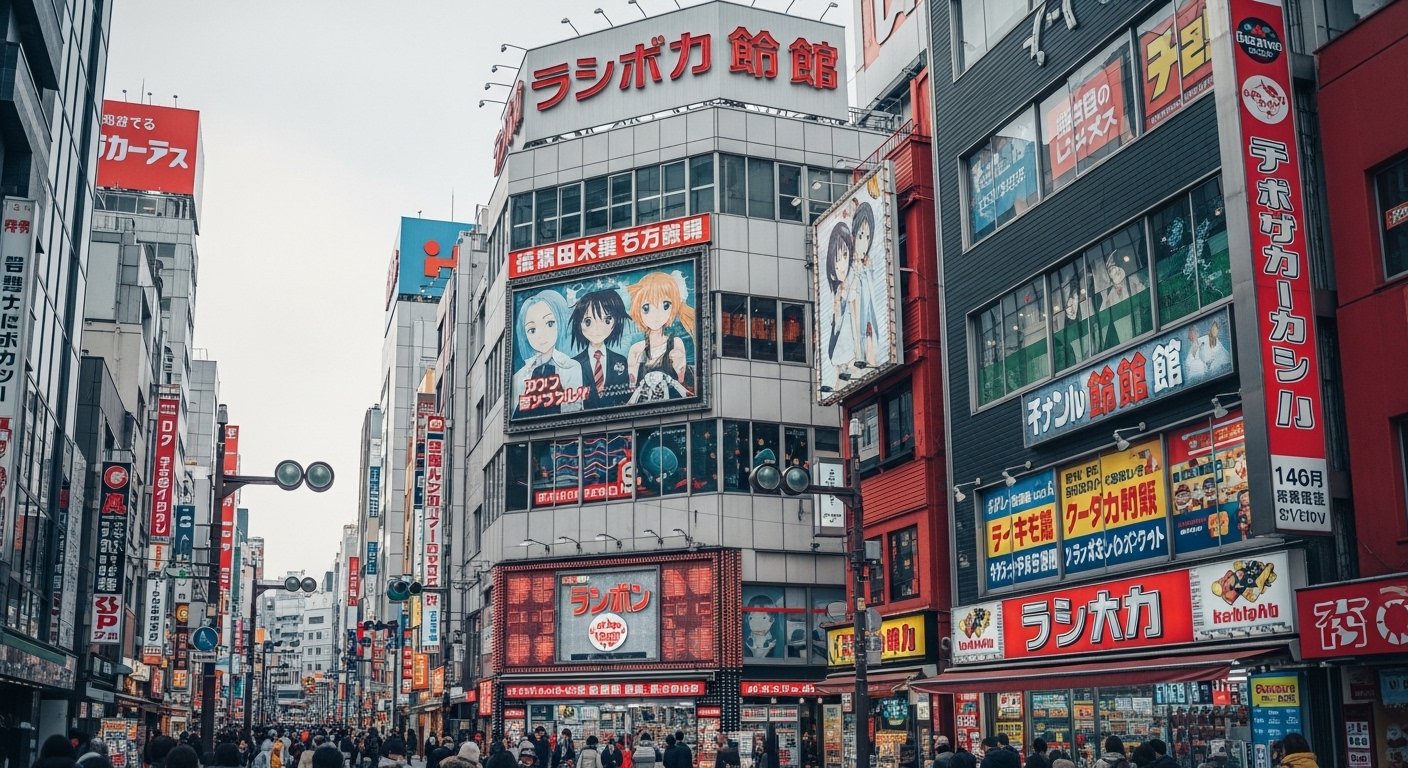
*Images used in this article are for illustration only. They may not be directly related to the content.
New Year’s Outdoor Quest: Master Hatsumode Etiquette & Find Serene Sunrise Spots in Japan
Anticipating Japan’s New Year (Shogatsu) offers a unique blend of excitement and potential logistical hurdles. You want to experience the traditional Hatsumode (first shrine/temple visit) and witness the first sunrise (Hatsuhinode), but uncertainty about local customs, finding less crowded locations, staying warm in winter, and navigating public transport can be daunting. You’re not alone in feeling this.
This guide cuts through the confusion. We’ll provide you with practical, actionable steps to confidently participate in New Year’s outdoor traditions. From specific Hatsumode etiquette to identifying accessible sunrise spots and ensuring your comfort in the cold, we remove the friction so you can focus on the experience. Prepare for a memorable and smooth start to your year in Japan.
Table of Contents
- Navigating Hatsumode: Etiquette for Your First Shrine Visit
- Chasing the First Sunrise (Hatsuhinode): Finding Your Spot
- Beat the Chill: Essential Winter Preparedness
- Seamless Travel: Public Transport & Logistics
- 🇯🇵 Point & Speak
- 💰 Price Breakdown
- 🎯 Local Pro-Tips
- Common Mistakes to Avoid
- Frequently Asked Questions
Navigating Hatsumode: Etiquette for Your First Shrine Visit
Hatsumode, the first visit of the New Year to a shrine or temple, is a pivotal tradition. Many international visitors are unsure how to participate respectfully. This step-by-step guide clarifies the process, ensuring a smooth and meaningful experience.
While Hatsumode traditionally peaks on January 1st, from midnight on New Year’s Eve, you can still experience it comfortably throughout the first week of January (Matsu no Uchi, typically until Jan 7th or 15th depending on the region).
The Hatsumode Ritual: A Step-by-Step Guide
- Approach the Gate & Bow: As you arrive at a Shinto shrine, you’ll see a Torii Gate (鳥居). For a Buddhist temple, it’s a Sanmon Gate (山門). Before passing through, pause and bow once. This signifies entering sacred ground. Bow again as you leave.
- Purify at the Temizuya (手水舎): Located near the entrance, this water pavilion is for ritual purification.
Visual cue: A small pavilion with a water basin and ladles, usually found near the entrance of a shrine or temple. Look for flowing water and a row of bamboo or wooden ladles.
- Scoop water with the ladle in your right hand.
- Pour a small amount over your left hand.
- Switch the ladle to your left hand and pour water over your right hand.
- Switch the ladle back to your right hand, pour a small amount into your cupped left hand, and rinse your mouth. Spit the water into the drain, not back into the basin.
- Hold the ladle vertically, letting any remaining water run down the handle to clean it.
- Return the ladle to its original spot, face down.
- Proceed to the Main Hall (本殿): Walk along the path, often avoiding the very center, which is reserved for the deities.
- Make Your Offering (Osaisen): At the main hall, you’ll find an offering box.
Visual cue: A large, often wooden, slatted box positioned in front of the main hall of a shrine or temple, where offerings are thrown. Often has a mesh screen.
- Gently toss a coin into the offering box (お賽銭箱, osaisenbako). A 5-yen coin (五円, go-en) is customary and considered lucky, as “go-en” phonetically resembles “good connections” or “good fortune.” Any amount is acceptable.
- If there’s a bell rope, ring the bell once or twice to alert the deity to your presence.
- Pray & Bow: This is the core of your visit.
- Bow twice deeply.
- Clap your hands twice.
- With hands clasped, silently make a wish or offer a prayer.
- Bow once deeply again.
- Depart: As you leave the shrine grounds and pass back through the Torii or Sanmon gate, turn around and bow once more towards the main hall.

Purchasing Charms & Fortunes
Most shrines and temples offer various items to bring good luck for the year:
- Omamori (お守り): Good luck charms for specific purposes like health, traffic safety, studies, or general fortune. Typically purchased at a designated counter.
- Omikuji (おみくじ): Fortune slips. Pay a small fee, draw a slip, and read your fortune. If you receive a “bad” fortune, tie it to a designated rack (usually near the Omikuji stand) to leave the bad luck behind.
Visual cue: A small booth or vending machine offering fortune slips, often with slots for 100-300 yen coins. Nearby, look for wooden racks or wires where people tie their ‘bad’ fortunes.
- Ema (絵馬): Wooden plaques where you write wishes or prayers and hang them at the shrine/temple.
Visual cue: A window or small building often staffed by shrine/temple attendants (神職, shinshoku, or 巫女, miko) where charms, plaques, and other religious items are sold.
Returning Last Year’s Charms
If you have Omamori or Omikuji from the previous year, they should be returned to a designated spot at a shrine or temple to be ritually burned (お焚き上げ, otakiage). Look for a collection box or area clearly marked for “old charms” (古いお守り).
Chasing the First Sunrise (Hatsuhinode): Finding Your Spot
Witnessing the first sunrise of the year, Hatsuhinode, is another cherished New Year’s tradition. While popular spots draw immense crowds, finding a more serene location is possible with some planning.
Identifying Less Crowded & Accessible Spots
Avoid the most famous spots like Meiji Jingu (Tokyo) or Fushimi Inari Taisha (Kyoto) for Hatsumode if your priority is to minimize crowds. Instead, consider:
- Local Shrines/Temples: Explore smaller, neighborhood shrines or temples. They offer an authentic experience with fewer people and are often within walking distance from local train stations.
- Coastal Areas: For sunrise, slightly less accessible coastal areas can offer breathtaking views without overwhelming crowds. While popular, locations like Miho no Matsubara (Shizuoka) offer stunning Mt. Fuji views, but expect some company. For truly quiet spots, research specific local beaches in areas like the Izu Peninsula or Chiba’s Boso Peninsula.
- Cable Car-Accessible Peaks: Mountains like Mt. Rokko (Hyogo) or Mt. Kinka (Gifu) offer panoramic views. Verify their New Year’s operating hours well in advance, as special early morning services might be available, but still draw crowds.
- Rural Mountain Worship Sites: For a deeply meaningful experience, areas with significant mountain worship traditions like parts of the Kumano Kodo pilgrimage routes (Wakayama/Mie) or Dewa Sanzan (Yamagata) offer incredible sunrises. However, these require substantial winter preparation, specialized gear, and potentially guided tours due to snow and cold. These are generally not for casual visits on New Year’s Day.
🎯 Local Pro-Tip: Check local city tourism websites or community pages (often in Japanese, use a translation tool) for smaller, regional Hatsumode or Hatsuhinode events. These often highlight spots popular with locals but less known to international visitors, giving you a more authentic and less crowded experience.
Always verify the exact sunrise time for your chosen location using a reliable weather app or the Japan Meteorological Agency (JMA) website. Plan to arrive at least 30-60 minutes prior to secure a good viewing spot, especially if you anticipate any crowds.

Beat the Chill: Essential Winter Preparedness
New Year’s in Japan falls during winter’s peak. Prolonged outdoor exposure, especially for sunrise viewing, can lead to significant discomfort and potential health risks. Proper preparation for warmth is non-negotiable.
Your Winter Survival Kit: What to Wear & Bring
Layering is crucial. Do not underestimate the cold, especially when standing still for extended periods before sunrise or queuing for Hatsumode.
- Base Layers: Thermal underwear like Uniqlo’s Heattech is a game-changer. Opt for their ‘Extra Warm’ or ‘Ultra Warm’ variants if you tend to get cold easily.
- Mid-Layers: Fleece jackets, sweaters, or down vests for insulation.
- Outer Layer: A waterproof and windproof jacket. This is vital to protect against cold winds, which can make temperatures feel much lower.
- Lower Body: Thermal leggings under jeans or thick trousers. Snow pants are an option for highly exposed, snowy mountain areas.
- Extremities:
- Socks: Thick, wool or thermal socks. Consider two pairs.
- Hats: A warm beanie or wool hat to prevent heat loss from your head.
- Gloves/Mittens: Essential for keeping hands warm, especially if using your phone for photos.
- Scarf: Protects your neck and face from the wind.
- Disposable Heat Packs (Kairo): These are widely available and incredibly effective.
Visual cue: Look for compact, often white or silver foil packets with Japanese text ‘カイロ’ (kairo) or ‘貼る’ (haru, for adhesive type) or ‘貼らない’ (haranai, non-adhesive) in convenience stores (コンビニ, konbini) or drugstores (ドラッグストア, drug store).
- Adhesive (貼る kairo): Stick them to the inside of your clothing (not directly on skin) on your lower back, stomach, or shoulders.
- Non-adhesive (貼らない kairo): Keep these in your pockets to warm your hands.
- Warm Drinks: Vending machines for hot drinks are ubiquitous, even in remote areas. Convenience stores (konbini) are generally open 24/7 and provide hot coffee, tea, and warm snacks.
Visual cue: Typically red or black vending machines, with illuminated displays showing bottles/cans. Look for ‘HOT’ or ‘あたたかい’ (atatakai) on the selection buttons.

Seamless Travel: Public Transport & Logistics
Navigating Japan’s public transport during New Year’s can be challenging due to special schedules and peak crowds. Planning ahead is essential.
New Year’s Transport Schedules
- All-Night Services: Many train and subway lines, particularly in major cities like Tokyo, Osaka, and Kyoto, operate all-night services from New Year’s Eve (Dec 31st) into New Year’s Day (Jan 1st) to accommodate Hatsumode visitors. This is key for midnight shrine visits.
- Special Services: Regional lines connecting to popular shrines or scenic spots might offer special “Hatsumode-go” trains or extended hours.
- Verification is Key: Always check official transport websites (e.g., JR East for its network, or individual city subway websites) for specific 2026 schedules. These are usually announced in early to mid-December.
- Crowd Management: Expect peak crowds on New Year’s Eve late night and early morning Jan 1st. If you have mobility issues or are traveling with small children, consider visiting shrines/temples later in the day on Jan 1st or on Jan 2nd/3rd.
Holiday Closures and Openings
- While many smaller shops and some restaurants close from Jan 1st-3rd, convenience stores (konbini), major tourist attractions (shrines/temples), and some chain restaurants/department stores in urban centers typically remain open or have modified hours.
- Always check specific facility websites for their 2026 holiday operating hours before heading out.
🎯 Local Pro-Tip: Keep your phone fully charged. Use Google Maps or other real-time public transport apps for route planning and live updates on delays or peak crowd times. Portable chargers are highly recommended, as cold weather can drain phone batteries faster.
🇯🇵 Point & Speak
Show this section to staff if you’re stuck. They can read the Japanese.
English: Happy New Year!
明けましておめでとうございます!
(Akemashite omedetō gozaimasu!)
English: Excuse me, where is the offering box?
すみません、お賽銭箱はどこですか?
(Sumimasen, osaisenbako wa doko desu ka?)
English: Where can I buy a charm (omamori)?
お守りはどこで買えますか?
(Omamori wa doko de kaemasu ka?)
English: I’m cold.
寒いです。
(Samui desu.)
English: Do you have heat packs (kairo)?
カイロはありますか?
(Kairo wa arimasu ka?)
💰 Price Breakdown
| Item | Cost |
| Hatsumode Offering (Osaisen) | ¥5 – Any amount (voluntary) |
| Omamori (Good Luck Charm) | ¥500 – ¥1,500 |
| Omikuji (Fortune Slip) | ¥100 – ¥300 |
| Heat Packs (Kairo) | ¥50 – ¥150 per pack |
| Hot Drink from Vending Machine | ¥120 – ¥180 |
Prices verified as of December 2025. Costs are approximate and may vary slightly.
📋 Quick Reference Card: Stay Warm Checklist
Screenshot or print this section for easy access:
- ✅ Layered Clothing: Thermal base, mid-layer, windproof/waterproof outer.
- ✅ Extremities Covered: Hat, scarf, thick gloves, wool socks.
- ✅ Kairo Heat Packs: Adhesive for body, non-adhesive for pockets.
- ✅ Hot Drinks & Snacks: Utilize vending machines & convenience stores.
- ✅ Check Weather Forecast: Anticipate temperatures, wind chill, and any precipitation.
Common Mistakes to Avoid
- Underestimating the Cold: Even in cities, standing still outdoors for hours before sunrise can lead to hypothermia if unprepared.
- Not Checking Transport Schedules: Assuming normal operating hours on New Year’s Eve/Day can lead to being stranded or missing special services. Always verify!
- Ignoring Purification Ritual: Skipping the Temizuya, while not strictly “forbidden,” is considered impolite and means missing a key part of the Hatsumode tradition.
- Photography Inside Buildings: Always ask (or observe if others are) before taking photos inside shrine or temple halls. Generally, flash photography is discouraged or prohibited.
- Arriving at Peak Times for Popular Spots: If avoiding crowds is a priority, do not go to Meiji Jingu at midnight on Jan 1st. Plan for slightly later in the day or a smaller location.
- No Digital Backup: A dead phone means no maps, no translation, and no checking transport updates. Bring a portable charger.
Frequently Asked Questions
When is the best time for Hatsumode if I want to avoid massive crowds?
The peak time is from midnight on December 31st to the early morning of January 1st. To avoid the largest crowds, consider visiting a local, smaller shrine or temple on the afternoon of January 1st, or on January 2nd or 3rd. Hatsumode traditions generally extend through the first week of January (Matsu no Uchi).
What should I do with my “bad” fortune slip (Omikuji)?
If you receive an unlucky Omikuji, tie it to the designated racks or wires at the shrine/temple. This tradition symbolizes leaving the bad fortune behind at the sacred site. Keep good fortunes with you for luck.
Are public toilets available at shrines and sunrise spots?
Most larger shrines and temples will have public toilet facilities, though they can be very crowded during New Year’s. For outdoor sunrise spots, facilities may be limited or non-existent, especially in more remote areas. Plan accordingly and utilize convenience stores or train station toilets before reaching your destination.
Is it appropriate to wear specific clothing for Hatsumode?
There’s no strict dress code for visitors, but dressing respectfully is appreciated. This generally means modest clothing. Given it’s winter, warmth should be your priority (layers, hat, gloves). Traditional kimonos are sometimes seen, but are not expected of visitors.
Conclusion
Experiencing Japan’s New Year traditions, Hatsumode and Hatsuhinode, offers a profound cultural insight and a memorable start to your year. By understanding the etiquette, strategizing for less crowded locations, and preparing for the winter cold, you can transform potential challenges into a smooth, enjoyable outdoor quest.
Armed with this practical advice, you are now better equipped to navigate the festive period with confidence. Embrace the unique atmosphere, make your wishes, and welcome the New Year in Japan.
Wishing you a wonderful and well-prepared New Year! Akemashite Omedetō Gozaimasu!
Disclaimer
This guide provides general information based on typical practices and available data as of December 2025. Specific timings, transportation schedules, and facility operating hours for 2026 should always be verified with official sources closer to your travel date. Weather conditions can change rapidly in winter; always consult the latest forecast. Your safety and comfort are your responsibility; prepare adequately for cold weather.