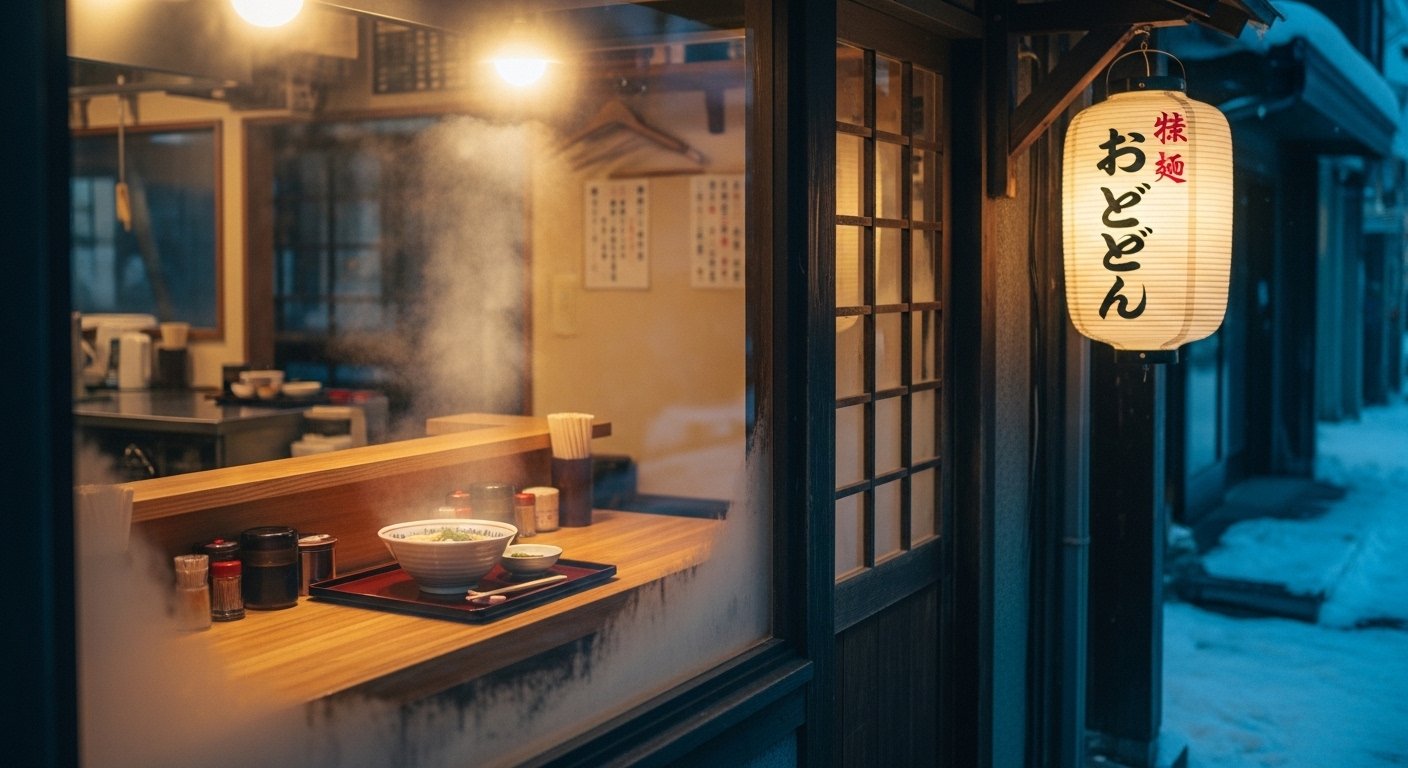
*Images used in this article are for illustration only. They may not be directly related to the content.
Japan Late-Night Dinner After New Year’s: Your Guide to Warm Food & Open Spots Post-Jan 3rd
You’ve navigated the initial excitement of Japan’s New Year’s festivities, but now the real challenge begins: finding a satisfying, authentic late-night dinner after January 3rd. Many desirable restaurants are still closed or operating on irregular hours, leaving you searching for a warm, comforting meal in the cold winter evening. This isn’t just an inconvenience; it’s a common point of frustration for international visitors.
You’re not alone in this challenge. This comprehensive guide is designed to remove that friction. We’ll show you exactly how to navigate post-holiday closures, identify reliable late-night dining options, and discover delicious, warming Japanese dishes. Our goal is to ensure your evenings are filled with good food, not the struggle of searching for an open door.
Table of Contents
- The New Year’s Dining Challenge: Why Finding Dinner is Tricky
- Your Strategy for Finding Open Late-Night Spots After January 3rd
- Embrace Warming Winter Dishes: Your Go-To Comfort Food
- 🇯🇵 Point & Speak: Essential Japanese Phrases for Dining
- Visual Cues & Local Insights for On-the-Ground Navigation
- Beyond Restaurants: Reliable Late-Night Alternatives
- Common Mistakes to Avoid When Dining Post-New Year’s
- Frequently Asked Questions
- 📋 Quick Reference Card
The New Year’s Dining Challenge: Why Finding Dinner is Tricky
Japan’s New Year period, known as Shogatsu (正月), is a significant holiday, often extending beyond the traditional “sanganichi” (三が日) or first three days of January. While many businesses reopen by January 4th or 5th, irregular hours and extended closures can persist. For visitors, this means that the bustling restaurant scene you might expect can become surprisingly quiet, especially for late-night meals (21:00 JST and beyond).
Independent restaurants, high-end establishments, and smaller local eateries are most likely to observe longer closures, with some not resuming normal operations until the second Monday of January (Coming of Age Day). This limited availability directly impacts your ability to find authentic Japanese dinner options. You’re left with fewer choices, and the clock ticking towards late evening can add pressure to your search for a warm, comforting meal.
Your Strategy for Finding Open Late-Night Spots After January 3rd
Successfully navigating the post-New Year’s dining landscape requires a proactive approach. Don’t rely on assumptions; verification is key. Here’s a step-by-step guide to finding open restaurants for your late-night, warm meal.
1. Leverage Digital Tools First for Real-Time Updates
- Google Maps: Your first stop. Search for restaurants near your location. Crucially, check the listed operating hours, read recent reviews, and look at user-uploaded photos. Pay attention to reviews from late December or early January for insights into holiday operations.
- Tabelog (tabelog.com) & Gurunavi (gurunavi.com/en/): These are Japan’s most comprehensive restaurant review and search sites. Tabelog is excellent for user reviews and detailed hours. Gurunavi often allows for English searches and reservations. Cross-reference hours on these platforms with Google Maps, as local updates can sometimes be more current here.
- Restaurant Official Websites: If a restaurant catches your eye, quickly check its official website. Look for an “お知らせ” (oshirase – notice) section or holiday hours specifically mentioned (年末年始の営業時間 – nenmatsu nenshi no eigyō jikan).
- Call Ahead: If you’re staying at a hotel, your concierge can be an invaluable resource. Provide them with the restaurant’s name and address, and they can call to confirm hours and availability for you. This overcomes any language barriers you might face.
🎯 Local Pro-Tip: Always cross-reference hours. While online tools are useful, a quick call (via hotel concierge or translation app) or checking physical signs can save you a wasted trip, especially during volatile holiday periods.

2. Prioritize Reliable Restaurant Types for Late Hours
Certain categories of eateries are inherently more likely to be open late and during holiday periods:
- Chain Restaurants: These are your most reliable bets. Think popular ramen chains like Ichiran or Ippudo, gyudon (beef bowl) chains such as Yoshinoya and Sukiya, and family restaurants like Denny’s or Gusto. They often have standardized operating hours, including late nights, and are less affected by individual owner holiday plans.
- Izakayas: Many izakayas, especially larger ones in entertainment districts, are designed for late-night patronage. They offer a diverse menu of small dishes, drinks, and a lively atmosphere. While some smaller, independent izakayas might close, larger chains or those catering to business districts often remain open.
- Hotel Restaurants and Bars: As mentioned in the multi-angle integration, hotel dining options generally operate on more consistent schedules, regardless of national holidays. While potentially pricier, they offer a guaranteed late-night option.

3. Understanding Operating Hours: ‘Open All Year Round’ vs. ‘Late Night’
Be aware that signage stating “年中無休” (nenjū mukyū), meaning “open all year round,” does not automatically imply late-night service. This simply means the business does not take regular closing days throughout the year or for holidays. Their typical operating hours might still be 9:00 to 18:00, as seen in some souvenir shops or specific food product stores. Always confirm the specific closing time, especially if you’re aiming for after 21:00 JST.
Embrace Warming Winter Dishes: Your Go-To Comfort Food
When the cold winter air bites, nothing beats a hot, hearty meal. Japan offers a fantastic array of warming dishes perfect for a late-night dinner, especially when options are otherwise limited.
Oden: The Quintessential Winter Comfort Food
Oden (おでん) is a highly recommended and popular winter dish in Japan, known for its ability to warm you from the inside out. It’s a simple, savory stew where various ingredients are simmered slowly in a light, soy-flavored dashi broth. Common ingredients include:
- Daikon (大根): Large white radish, often sliced thick and incredibly tender.
- Tamago (卵): Hard-boiled eggs.
- Konnyaku (こんにゃく): A gelatinous block made from konjac yam, known for its unique texture.
- Chikuwa (ちくわ) & Satsuma-age (さつま揚げ): Various types of fried fish cakes.
- Atsuage (厚揚げ): Deep-fried tofu.
- Mochi Kinshaku (餅きんちゃく): A pouch of fried tofu filled with mochi (rice cake).
Oden is typically served piece by piece, allowing you to choose your favorites. It’s available at specialty Oden restaurants, izakayas, and famously, at convenience stores. The steaming pots are often visible, making them easy to spot on a cold night.

Other Hearty Japanese Winter Options
- Ramen (ラーメン): A perennial favorite. Its rich, hot broth, chewy noodles, and various toppings (pork, egg, seaweed) make it an ideal late-night warmer. Look for tonkotsu (pork bone) or miso ramen for especially rich flavors.
- Udon (うどん) & Soba (そば): These noodle soups offer lighter but equally comforting options. Hot udon noodles are thick and chewy, while soba noodles are thin and made from buckwheat. Both are typically served in a hot dashi broth with toppings like tempura, green onions, or sliced meat.
- Nabe (鍋 – Hot Pot): While often a communal dish, some izakayas or specialized restaurants might offer smaller, individual nabe sets. These simmering pots of broth, vegetables, meat, and tofu are the epitome of warming winter dining.
💰 Price Breakdown (Estimates)
| Item/Meal Type | Cost Range |
| Oden (per piece) | ¥100-300 |
| Bowl of Ramen/Udon/Soba | ¥800-1,200 |
| Gyudon (Beef Bowl) | ¥400-800 |
| Izakaya Meal (per person, 2-3 dishes + drink) | ¥2,000-4,000 |
| Family Restaurant Meal (main + drink) | ¥1,000-2,000 |
| Convenience Store Hot Snacks | ¥150-500 |
Prices verified as of January 2026. Note: Izakaya costs can vary greatly depending on ordering habits.
🇯🇵 Point & Speak: Essential Japanese Phrases for Dining
Show this section to staff if you’re stuck or need to confirm details. They can read the Japanese directly.
English: Is this restaurant open now?
今、開いていますか?
(Ima, aite imasu ka?)
English: What time do you close?
何時に閉まりますか?
(Nanji ni shimarimasu ka?)
English: Do you have Oden?
おでん、ありますか?
(Oden, arimasu ka?)
English: Do you have any warm dishes?
何か温かい料理はありますか?
(Nanika atatakai ryōri wa arimasu ka?)
English: Are you open today?
今日は開いていますか?
(Kyō wa aite imasu ka?)
Visual Cues & Local Insights for On-the-Ground Navigation
When you’re walking the streets, particularly in smaller towns or less tourist-heavy areas, visual cues are your primary indicators of a restaurant’s status. Knowing what to look for can save you time and cold wandering.
1. Spotting an Open Restaurant: The ‘営業中’ Sign
Visual cue: Look for a sign, often hanging or standing near the entrance, displaying the characters ‘営業中’ (eigyōchū). These signs are commonly red, green, or brightly lit, sometimes rotating. They definitively mean “Open for Business.”

2. Recognizing Temporary Closures: ‘準備中’ or ‘閉’
Visual cue: If you see ‘準備中’ (junbichū), typically on a white or blue sign, it means the restaurant is “preparing” or currently closed for a break between meal services (e.g., between lunch and dinner). A simpler ‘閉’ (hei) kanji, or the English word “CLOSED,” clearly indicates the establishment is not open.

3. Decoding Paper Notices: ‘お知らせ’
Visual cue: Many smaller, independent establishments will tape handwritten or printed paper signs, often marked ‘お知らせ’ (oshirase – notice), to their doors or windows. These are critical during holidays as they announce special opening hours (年末年始の営業時間 – nenmatsu nenshi no eigyō jikan), temporary closures, or reopening dates. Use a translation app’s camera function to quickly decipher these.

4. Identifying Oden Availability
Visual cue: For Oden, look for restaurants or convenience stores displaying large, steaming pots near the entrance. You’ll often see the various ingredients simmering, along with labels or prices. This is a direct invitation to warm up with some Oden.

Beyond Restaurants: Reliable Late-Night Alternatives
Even with the best planning, there might be nights where traditional restaurants remain elusive. Thankfully, Japan offers highly dependable alternatives for late-night sustenance, especially comforting when you’re seeking warm food.
1. Convenience Stores (Konbini): The 24/7 Savior
Japan’s ubiquitous convenience stores (7-Eleven, Lawson, FamilyMart) are a lifeline. Most operate 24/7, even during New Year’s, and offer a surprisingly extensive range of hot food options:
- Oden: As mentioned, many convenience stores feature a dedicated Oden counter during winter. You can choose your items and have them served hot.
- Fried Chicken & Hot Snacks: Look for Lawson’s “Karaage-kun,” 7-Eleven’s “Nanachiki,” or various fried items and steamed buns (manju) kept warm at the counter.
- Instant Noodles & Bentos: An enormous selection of instant ramen, udon, and soba awaits, which can be prepared instantly with hot water available in-store. Freshly made bentos (lunch boxes) and various prepared meals can be heated in their microwaves.
- Coffee & Tea: Hot coffee, tea, and other beverages are readily available to warm your hands and your spirits.
While not a traditional restaurant experience, convenience stores are unbeatable for reliability, affordability, and a quick, warm bite at any hour.

2. Karaoke Boxes
Many large karaoke chains (e.g., Big Echo, Karaoke Kan) are open very late, often until the early morning. They typically offer a full menu of food and drinks, including warm options like ramen, udon, fried foods, and small meals. It’s an entertaining alternative for a late meal, even if you’re not planning to sing for hours.
3. Department Store Food Halls (Depachika)
While not typically a late-night option (most close around 20:00-21:00), department store basements (depachika) offer an incredible selection of prepared foods, including delicious bentos, salads, and gourmet items. If you’re planning an early evening and want high-quality, authentic food to take back to your accommodation, this is an excellent choice. Always check their specific holiday hours, as these can also be adjusted.
Common Mistakes to Avoid When Dining Post-New Year’s
Even with the right strategy, certain pitfalls can lead to frustration. Being aware of these common mistakes can further smooth your late-night dining experience after January 3rd.
- Assuming All Chain Restaurants Are 24/7: While many major chains operate late, some, especially during holidays, may revert to earlier closing times. Always double-check their specific branch hours.
- Relying on a Single Source for Opening Hours: Online listings, even on Google Maps, can sometimes be outdated or generalize holiday hours. Cross-referencing with Tabelog, Gurunavi, or the official website is always recommended.
- Ignoring Physical Signs on Restaurant Doors: Those paper notices (お知らせ) are crucial. They contain the most current information directly from the establishment. A quick photo and translation app scan can prevent a wasted trip.
- Not Carrying Some Cash: While card payments are increasingly common, smaller, independent izakayas or local Oden stalls might still be cash-only. Always have some yen on hand.
- Underestimating the Cold: January nights in Japan can be quite cold. If you’re out searching for food, dress warmly. Being comfortable makes the search less stressful.
Frequently Asked Questions
How long do New Year’s closures typically last for restaurants in Japan?
Generally, from January 1st to 3rd (Sanganichi) is when most businesses close. However, for smaller, independent shops and restaurants, closures can extend to January 5th or even the second Monday of January (Coming of Age Day). Chain restaurants and major izakayas are more likely to resume normal or near-normal hours earlier.
What is Oden and why is it recommended for winter late-night dining?
Oden is a traditional Japanese winter stew featuring various ingredients (like daikon, eggs, fish cakes) simmered in a savory dashi broth. It’s recommended because it’s inherently warming, relatively inexpensive, and widely available at izakayas, specialty shops, and convenience stores, making it a reliable and comforting choice on cold evenings.
Are hotel restaurants always open late during the post-New Year’s period?
Hotel dining options, including restaurants and bars, tend to operate on more consistent schedules than external establishments, even during national holidays. This makes them a more reliable option for late-night meals. However, it’s always prudent to confirm their specific hours, especially for popular spots where a reservation might be advisable.
Can I rely solely on Google Maps for the most accurate restaurant hours during January?
Google Maps is an excellent starting point and often has accurate information. However, due to the unique nature of New Year’s holiday hours, it’s best to cross-reference with other sources like Tabelog, Gurunavi, or the restaurant’s official website. Crucially, always check for physical “oshirase” (notice) signs on the restaurant door for the very latest updates, as these override any online listings.
📋 Quick Reference Card: Your Late-Night Dining Cheat Sheet
Screenshot or print this section for easy access:
- ✅ Digital First: Use Google Maps, Tabelog, Gurunavi to verify hours.
- ✅ Prioritize Chains & Izakayas: More likely to be open late.
- ✅ Warm Food Focus: Seek Oden, Ramen, Udon, Soba, Nabe.
- ✅ Learn Key Phrases: “Ima, aite imasu ka?” (Are you open now?) is essential.
- ✅ Spot Cues: Look for ‘営業中’ (eigyōchū) signs. Avoid ‘準備中’ (junbichū).
- ✅ Backup Plan: Convenience stores are always open with hot food.
- ✅ Cash Ready: Have yen for smaller establishments.
Conclusion
Navigating Japan’s dining scene immediately after the New Year’s holiday requires a bit of strategy, but it’s entirely manageable. By utilizing digital tools, prioritizing specific restaurant types, understanding local cues, and knowing what warming dishes to look for, you can overcome holiday closures and enjoy authentic late-night meals. The key is preparation and flexibility.
Don’t let post-holiday hours dim your experience. With this guide, you’re equipped to find delicious, comforting food, even on the chilliest January evenings. Enjoy your Japanese winter culinary adventure, and may your late-night searches always lead to a warm, satisfying meal.
Planning a trip to Japan this winter? Share your experiences or questions about finding late-night food in the comments below!
Further Reading:
- JNTO Official Website (General Japan travel information)
- Tabelog (Japanese restaurant review site)
- Gurunavi (Japanese restaurant search and reservation)
- Google Maps (For real-time hours and user reviews)
Disclaimer
The information provided in this guide is based on typical operating patterns and research available at the time of writing (January 2026). Restaurant hours, especially during holiday periods, can change without notice. Always verify information directly with establishments or through real-time online sources before making plans. We cannot be held responsible for any inconvenience caused by changes in operating hours.