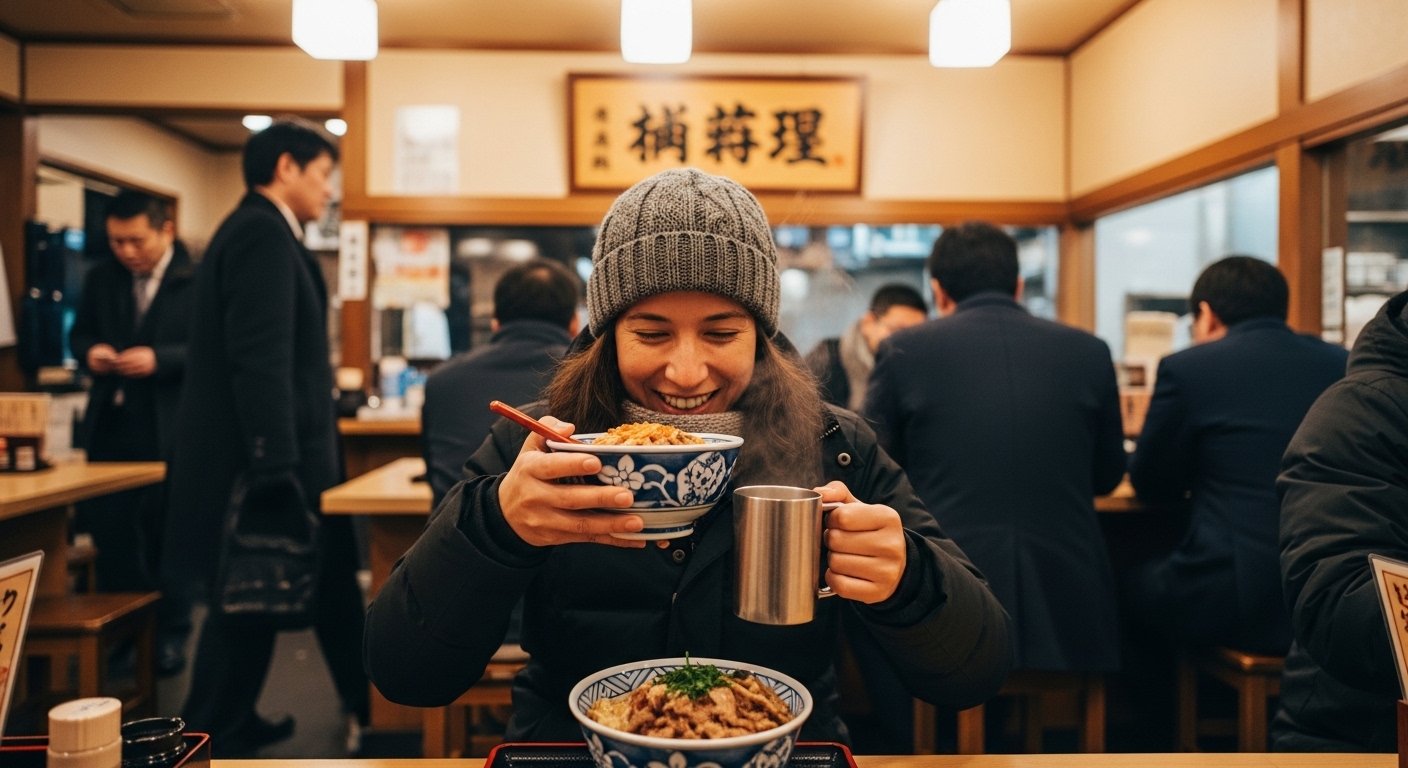
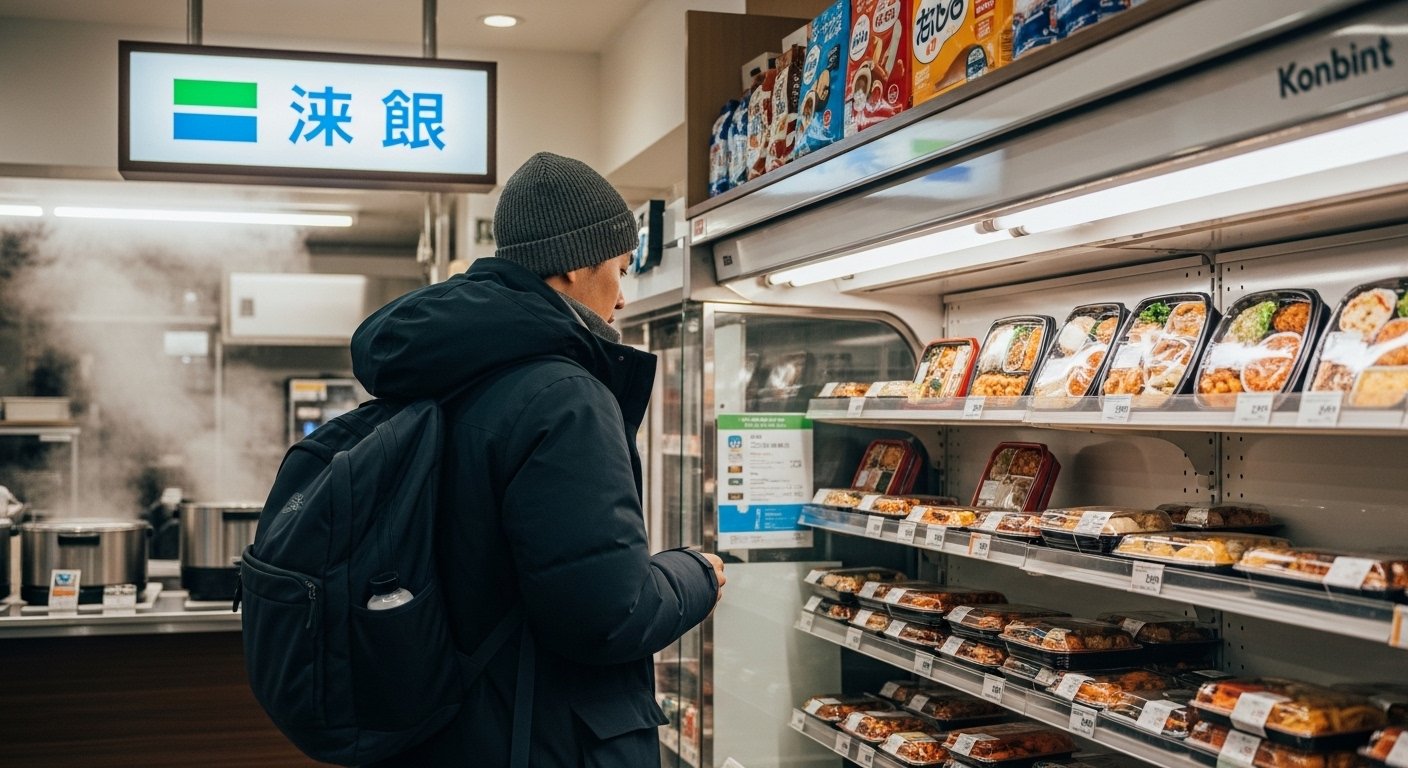
*Images used in this article are for illustration only. They may not be directly related to the content.
Japan Late-Night Dinner: Finding Open & Affordable Holiday Eats After 9 PM
You’ve just finished a long day exploring Japan, the clock has passed 9 PM, and a rumbling stomach signals it’s time for dinner. But in Japan, especially during the year-end and New Year’s holidays (年末年始 – Nenmatsu Nenshi), finding an open, quality, and affordable meal after this hour can feel like a mission. Many independent establishments close early, some shut down entirely for the holidays, and language barriers can add to the uncertainty of checking schedules or navigating unfamiliar menus. You are not alone in this frustration.
This guide is your practical companion to navigating Japan’s late-night holiday dining landscape. As your local fixer, we’ll cut through the confusion, equipping you with concrete strategies, reliable restaurant types, essential Japanese phrases, and visual cues to ensure you always find a satisfying meal, even when most others are closed. Stop worrying about where to eat and start enjoying your evenings, no matter the hour or the season.
Table of Contents
The Late-Night & Holiday Dining Challenge in Japan
Understanding why finding a late-night, affordable dinner during the holiday season in Japan can be difficult is the first step to overcoming it. Japan’s year-end and New Year’s holidays, known as 年末年始 (Nenmatsu Nenshi), typically run from around December 29th/30th to January 3rd/4th. This period is significant for family gatherings and traditions, leading to widespread closures that can surprise international visitors.
Widespread Holiday Closures
During Nenmatsu Nenshi, many smaller, independent restaurants, family-run eateries, and even some mid-sized businesses will close their doors. Owners and staff often return to their hometowns or celebrate with family. This means that charming local spots you might have relied on during regular travel periods could be unexpectedly shut down for several days, sometimes with little advance notice posted online.
Reduced Operating Hours
Even establishments that choose to remain open during the holiday period frequently operate on reduced hours. They might open later in the day, close significantly earlier than usual, or take longer breaks between lunch and dinner services. Relying on standard operating hours listed on general review sites can lead to wasted trips and disappointment.
Geographical Limitations
Your location plays a major role. In major metropolitan areas like Tokyo, Osaka, or Kyoto, and within their primary entertainment districts (e.g., Shinjuku, Shibuya, Dotonbori, Susukino), you’ll have more late-night options. However, venture into quieter residential neighborhoods, smaller cities, or rural areas, and the number of available restaurants dwindles dramatically after 9 PM, even on non-holiday nights. During Nenmatsu Nenshi, this challenge is compounded, with even fewer choices.
Affordability and Quality Concerns
The perception of limited choices often brings concerns about inflated prices. While explicit “holiday surcharges” on menu items are rare, some establishments, particularly izakayas or bars, might more consistently apply a mandatory お通し (otoshi – appetizer charge) or a サービス料 (sābisu-ryō – service charge) during peak holiday periods. This can add an unexpected ¥300-¥800 per person to your bill. Finding quality food that doesn’t break your budget when options are scarce is a genuine concern.
The Language Barrier
Language can be a significant hurdle. Checking official websites for holiday hours often requires navigating Japanese text. Asking staff directly about closing times or holiday schedules can be difficult without basic Japanese phrases or a reliable translation tool. This makes proactive planning or on-the-spot inquiries challenging for many visitors.
Understanding these challenges allows you to anticipate issues and employ effective strategies, ensuring your holiday evenings in Japan remain enjoyable and well-fed.
Your Reliable Late-Night & Holiday Dining Arsenal
While many places might be closed, a few categories of establishments consistently offer late-night and holiday dining options. These are your go-to choices for dependable, often affordable, and quality meals when other doors are shut. Prioritizing these types of venues will significantly reduce your dining friction.
1. 24-Hour Convenience Stores (Konbini)
Visual Cue: Look for the distinct logos of 7-Eleven (green/red/orange stripes), Lawson (blue/white milk carton), and FamilyMart (green/blue/white stripes). They are ubiquitous, often brightly lit, and easily recognizable.
Why they’re reliable: Convenience stores are a cornerstone of Japanese daily life and are almost universally open 24/7, even during Nenmatsu Nenshi. They are a guaranteed option for food, no matter the time or day.
What to expect:
- ✅ Bento Boxes: Freshly prepared rice meals with various toppings (chicken, fish, vegetables).
- ✅ Onigiri: Rice balls with fillings like salmon, tuna mayo, or pickled plum. Easy, portable, and affordable.
- ✅ Sandwiches & Salads: Surprisingly good quality, often with local ingredients.
- ✅ Hot Food: Fried chicken (Familymart’s FamiChiki, Lawson’s L-Chiki), oden (seasonal stew), steamed buns (manju).
- ✅ Instant Ramen & Cup Noodles: A vast selection, and most stores provide hot water.
- ✅ Drinks & Snacks: Full range of beverages, sweets, and savory snacks.
Many konbini also have microwaves available for heating bento boxes, and some even have small seating areas. This is your ultimate backup plan for any late-night or holiday meal requirement.

2. Major Gyudon Chains (Beef Bowl Restaurants)
Visual Cue: Look for distinctive logos: Yoshinoya (orange bowl), Sukiya (red and white logo), Matsuya (yellow logo). These are often standalone restaurants with bright signage.
Why they’re reliable: Yoshinoya, Sukiya, and Matsuya are highly efficient, affordable, and numerous. Many of their locations, particularly in urban areas and near train stations, operate 24 hours a day, 365 days a year. They are a strong contender for a hot, fast, and budget-friendly meal.
What to expect:
- ✅ Gyudon (Beef Bowl): Thinly sliced beef and onions simmered in a savory sauce, served over rice. Available in various sizes.
- ✅ Other Donburi: Pork, chicken, or curry bowls are also common.
- ✅ Set Meals: Often include miso soup and a small salad.
- ✅ Fast Service: Order at a counter or from a ticket machine, and your food arrives quickly.
English menus are increasingly common, and the process is straightforward, minimizing language friction.
3. Family Restaurants (Famiresu – ファミレス)
Visual Cue: Large, brightly lit signboards with their English names (e.g., Denny’s, Gusto, Saizeriya, Jonathan’s, Joyfull). They often have spacious interiors and prominent roadside locations or are found in shopping complexes.
Why they’re reliable: Family restaurants like Gusto, Saizeriya, and Japan’s version of Denny’s often have extended operating hours, with some branches operating 24/7. They are designed for diverse palates and offer a comfortable, casual dining experience.
What to expect:
- ✅ Extensive Menus: Japanese, Western, and fusion dishes. Expect everything from pasta and steak to hamburg steak, fried rice, and seasonal specials.
- ✅ Drink Bars: Many offer all-you-can-drink soft drink bars for a fixed price.
- ✅ Desserts: Parfaits, cakes, and ice cream are standard.
- ✅ Comfortable Seating: Ideal for groups, families, or those seeking a relaxed environment.
Famiresu are excellent choices if you’re looking for variety, comfort, and dependable late-night service during the holidays.

4. Chain Izakayas
Visual Cue: Look for large, often multi-story buildings with prominent signs displaying names like Watami, Shirokiya, Uomaru, or Kin no Kura. They tend to be in entertainment districts or near major stations, identifiable by their lively atmosphere and numerous Japanese banners.
Why they’re reliable: Large izakaya chains are more likely to maintain late operating hours during the holiday season than smaller, independent pubs. They cater to a bustling nightlife, making them a good option for dinner and drinks after 9 PM.
What to expect:
- ✅ Diverse Menu: A wide range of small plates (yakitori, sashimi, fried foods, salads) designed for sharing.
- ✅ Alcohol Selection: Extensive drink menus including beer, sake, shochu, and cocktails.
- ✅ Focus on Ramen: Specialized in various types of ramen (tonkotsu, shoyu, miso, shio).
- Add-ons: Extra toppings like chashu pork, egg, or nori seaweed are common.
A hot bowl of ramen is a satisfying and relatively affordable late-night meal, perfect for a cold holiday evening.

Mastering the Search: How to Find What’s Open
Finding a restaurant in Japan, particularly during the holiday season and late at night, requires a proactive and strategic approach. Don’t rely solely on what you might normally do in your home country.
1. Leverage Digital Tools (Pre-Trip & On-The-Go)
Your smartphone is your best friend for navigating holiday dining.
- Google Maps: This is your primary tool.
- Check Hours: Search for “restaurants” in your area. Click on individual listings. Google Maps usually shows “Holiday Hours” (年末年始の営業) if an establishment has provided them. This is the most up-to-date public information.
- Call Ahead: If hours are unclear, Google Maps provides phone numbers. While calling requires Japanese, you might find a staff member who speaks English, or you can use a translation app to prepare your question.
- Photos and Reviews: Look at recent photos and reviews for clues. A recent review mentioning “late dinner” or photos from New Year’s can be helpful.
- Official Websites: Many Japanese businesses have their own websites.
- Use Browser Translation: Your browser’s built-in translation feature (e.g., Chrome’s “Translate to English”) can provide a rough but understandable translation of opening hours.
- Look for Keywords: Search for “年末年始営業” (Nenmatsu Nenshi Eigyō – Year-end/New Year’s Business Hours) or “営業時間” (Eigyō Jikan – Business Hours) on their site.
- Travel Forums (e.g., Reddit’s r/JapanTravel): While not official, community discussions can provide anecdotal evidence or recent experiences from other travelers during the holiday season. Search for threads related to “New Year’s food Japan” or “late night Tokyo holidays.”
2. Trust Visual Cues
When you’re walking around, especially in bustling areas, keep an eye out for these visual indicators:
- “営業中” (Eigyōchū – Open): This sign is commonly displayed on the door or window of an open establishment.
- “24時間営業” (Nijūjikan Eigyō – 24-hour operation): This is your clear indicator for round-the-clock service. Common on convenience stores, gyudon chains, and some family restaurants.
- Lights and Activity: A brightly lit interior, visible staff, and customers inside are strong signs that a place is open. If the lights are dim and no one is inside, it’s likely closed or closing.
- Chain Logos: As mentioned in the previous section, recognize the distinct logos of reliable chains (7-Eleven, Lawson, FamilyMart, Yoshinoya, Sukiya, Matsuya, Gusto, Denny’s). These are safe bets.
- Noren (暖簾): These traditional fabric dividers hung in doorways signify that a business is open. If the noren is down, the shop is usually closed or about to open.

3. Ask Politely with Key Japanese Phrases
Don’t hesitate to ask if you’re unsure. A polite inquiry, even with minimal Japanese, is usually well-received. Have the following phrases ready, or simply point to the “Point & Speak” section below.
🇯🇵 Point & Speak
Show this section to staff if you’re stuck. They can read the Japanese.
English: What time do you close?
何時まで開いていますか?
(Nanji made aite imasu ka?)
English: Are you open during the New Year’s holidays?
お正月も営業していますか?
(Oshōgatsu mo eigyō shite imasu ka?)
English: Is it okay for one person?
一人でも大丈夫ですか?
(Hitori demo daijōbu desu ka?)
English: English menu, please.
英語のメニューをお願いします。
(Eigo no menyū o onegai shimasu.)
English: Takeout, please.
持ち帰りでお願いします。
(Mochikaeri de onegai shimasu.)
💰 Price Breakdown: Late-Night Holiday Eats (Approximate)
Here’s what you can expect to pay for a satisfying late-night meal during the holiday season:
| Establishment Type | Example Meal | Cost Range |
| Convenience Store | Bento box + drink + snack | ¥600-1,000 |
| Gyudon Chain | Standard Gyudon bowl + miso soup | ¥500-800 |
| Ramen Shop | Standard bowl of ramen | ¥800-1,200 |
| Family Restaurant (Famiresu) | Main dish + drink bar | ¥1,000-1,800 |
| Chain Izakaya | 2-3 small dishes + 1 drink (incl. otoshi) | ¥2,000-3,500+ |
Prices verified as of December 2024. Exact costs vary by location and specific menu items. Note that izakayas can become significantly more expensive with more drinks and dishes.
Pro-Tips for Seamless Late-Night Holiday Dining
Benefit from local knowledge to make your late-night holiday dining experience in Japan as smooth as possible.
🎯 Local Pro-Tip: Have a “Konbini Contingency”. No matter how much you plan, always know the location of the nearest 24-hour convenience store. It’s your ultimate reliable fallback for food, drinks, and even quick snacks if all other options fail or close unexpectedly.
- Eat Slightly Earlier: If your schedule allows, consider having dinner between 6 PM and 8 PM. This is when most restaurants are still fully operational and before the mass closures or reduced hours kick in.
- Focus on Major Hubs: Your chances of finding open restaurants after 9 PM, especially during holidays, are significantly higher in major train station areas, large entertainment districts (like Shinjuku in Tokyo or Dotonbori in Osaka), and tourist-heavy zones. These areas often have a higher concentration of chain restaurants and 24-hour options.
- Consider Takeaway: Many convenience stores and some gyudon/ramen shops offer food to go (持ち帰り – mochikaeri). If you find something open but prefer to eat elsewhere, asking for takeout is a viable option.
- Download Translation Apps: Apps like Google Translate or DeepL can be invaluable for translating menus, website information, or formulating questions to ask staff. Download offline language packs before you arrive.
- Carry Cash: While many larger chains accept credit cards, smaller independent ramen shops or local eateries might still be cash-only. Having yen on hand is always a good idea for flexibility.
- Book Ahead for Special Occasions: If you’re looking for a specific, higher-end dining experience on New Year’s Eve or New Year’s Day, pre-booking well in advance (weeks to months) is essential. These establishments often have special holiday menus and limited seating.

Common Mistakes to Avoid
Being aware of common pitfalls can save you time, frustration, and unexpected expenses during your late-night holiday dining experience in Japan.
- Assuming Regular Hours Apply: This is the most frequent mistake. Japan’s holiday periods are unique, and normal operating hours almost never apply. Always verify.
- Waiting Until the Last Minute: Don’t start your food search at 10 PM with no plan. Have a few backup options in mind, especially during Nenmatsu Nenshi, when even reliable spots might be busier than usual.
- Overlooking Chain Restaurants: While exploring local, independent eateries is part of the Japan experience, during late nights and holidays, chain establishments are your most consistent and affordable friends. Don’t dismiss them prematurely.
- Ignoring the Otoshi/Service Charge: For izakayas, the otoshi is standard. Don’t be surprised by this small additional charge, and understand it’s part of the dining culture, not an attempt to overcharge you.
- Venture Too Far Off the Beaten Path: While charming, quiet residential areas or less-trafficked locales will have fewer (if any) late-night options during holidays. Stick to well-known commercial and entertainment zones for convenience.
- Not Carrying Physical Yen: Relying solely on credit cards can leave you stranded if a small ramen shop or local eatery is cash-only. Keep some yen in your wallet.
📋 Quick Reference Card: Late-Night Holiday Dining in Japan
Screenshot or print this section for easy access:
- ✅ Reliable Options: Convenience stores (24/7), Gyudon chains (24/7), Family Restaurants (extended hours), Chain Izakayas, some Ramen Shops.
- ✅ Key Dates: Nenmatsu Nenshi (Dec 29/30 – Jan 3/4) brings closures and reduced hours.
- ✅ Best Locations: Major train stations, entertainment districts, tourist zones.
- ✅ Check Hours: Use Google Maps (Holiday Hours), official websites (年末年始営業), or ask (何時まで開いていますか?).
- ✅ Visual Cues: Look for “営業中” (Open), “24時間営業” (24-hour), bright lights, chain logos.
- ✅ Budget Smart: Konbini, Gyudon are cheapest. Izakayas can incur otoshi/service charges.
- ✅ Backup Plan: Always know where your nearest 24-hour convenience store is located.
Frequently Asked Questions
Are all restaurants closed during New Year’s in Japan?
No, not all restaurants close, but many independent and smaller establishments do, especially from December 29th/30th to January 3rd/4th. Your best bet for finding open restaurants are major chain establishments like gyudon shops (Yoshinoya, Sukiya, Matsuya), family restaurants (Gusto, Saizeriya), chain izakayas, and 24-hour convenience stores. Many of these will maintain regular or slightly adjusted hours.
Is it expensive to eat late at night in Japan during holidays?
Generally, it doesn’t have to be. Convenience stores and gyudon chains remain highly affordable, with meals typically costing ¥500-¥1000. Family restaurants offer mid-range prices (¥1000-¥1800 for a main dish). While specific holiday ‘surcharges’ on menu items are rare, be aware that some izakayas or bars might consistently apply a mandatory ‘otoshi’ (appetizer charge) or a service charge, which can add ¥300-¥800 to your bill. Planning for these common and reliable options helps manage costs.
Can I find vegetarian or vegan options late at night during the holidays?
Finding dedicated vegetarian/vegan restaurants late at night, especially during the holidays, can be particularly challenging. Your most reliable options are often convenience stores, where you can find salads, fruit, some pre-packaged snacks, and onigiri (check ingredients carefully for fish flakes/broth). Family restaurants might have salads or specific vegetarian pasta dishes. Using translation apps to communicate dietary restrictions is highly recommended, as Japanese cuisine often uses dashi (fish broth) even in seemingly vegetarian dishes.
What’s the best way to check restaurant hours during the holidays?
The most effective methods are using Google Maps for “Holiday Hours” (年末年始の営業) information, checking official restaurant websites (using browser translation), and looking for visual cues like “営業中” (open) or “24時間営業” (24-hour) signs when you’re walking around. If all else fails, a polite inquiry using a simple Japanese phrase or a translation app can clarify hours directly with staff.
Conclusion
Navigating late-night dining in Japan during the year-end and New Year’s holidays doesn’t have to be a source of stress. By understanding the challenges and equipping yourself with the right knowledge—from identifying reliable chain establishments to utilizing digital tools and basic Japanese phrases—you can consistently find open, quality, and affordable meals after 9 PM. Japan’s hospitality extends even to its quietest hours, provided you know where to look.
Use this guide as your practical framework for seamless holiday dining. Enjoy the unique experience of Japan, knowing your next satisfying meal is always within reach, no matter the time of night or the season.
Disclaimer
While this guide provides verified general information and practical advice, specific restaurant operating hours, menu availability, and pricing can change without prior notice, especially during peak holiday seasons. Always confirm details directly with establishments or through up-to-date online resources. Travel conditions and local customs may vary. This information is provided for guidance and planning purposes only.