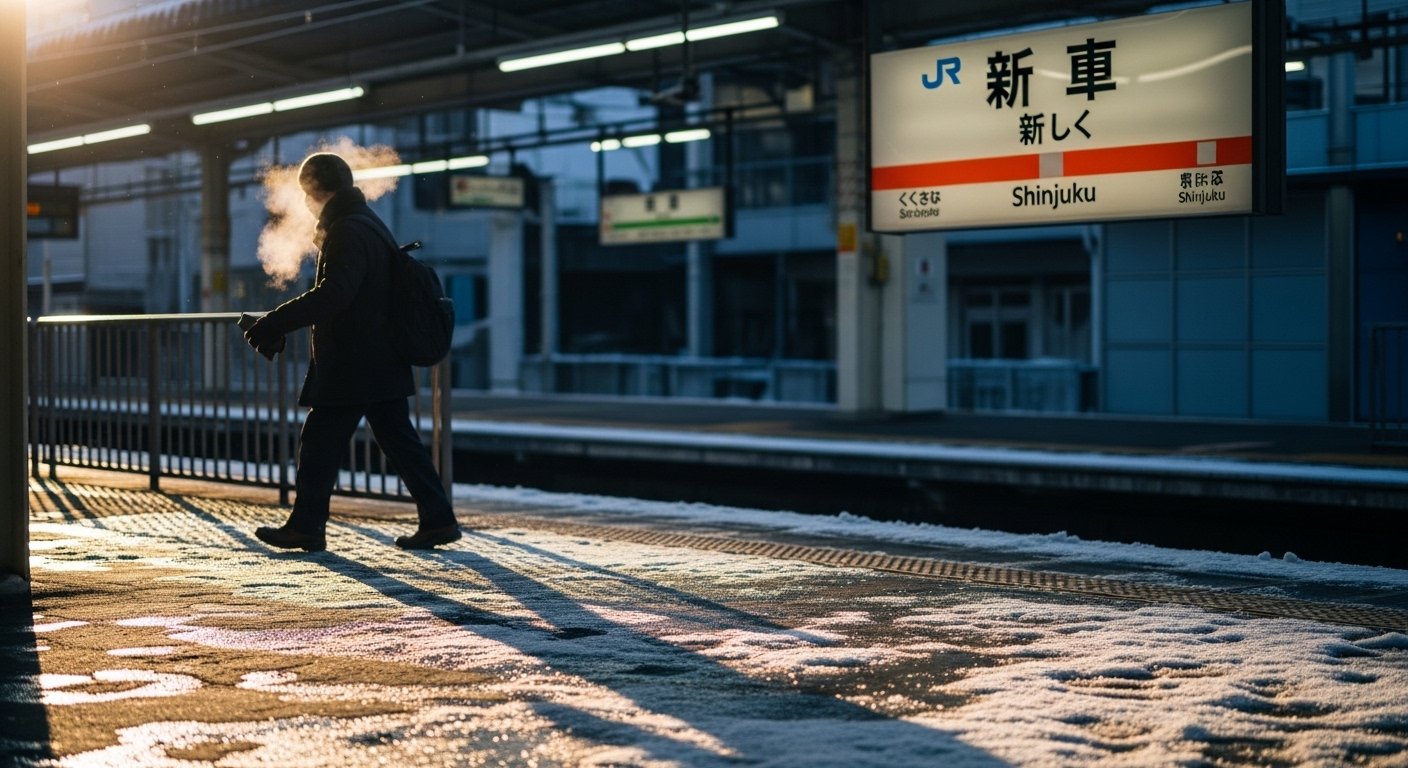
*Images used in this article are for illustration only. They may not be directly related to the content.
Japan Medical Emergency: Hospitals & Urgent Care for Tourists During Winter Holidays
Anticipating a winter holiday in Japan? The thought of falling ill or getting injured in a foreign country, especially during peak holiday periods like New Year’s, can be daunting. The fear of language barriers, confusion about healthcare systems, and anxiety over finding an open facility are valid concerns for any international visitor facing a Japan medical emergency.
This comprehensive guide is designed to remove that friction. We’ll provide clear, actionable steps on how to access urgent care in Japan as a tourist, navigate the healthcare system, find hospitals in Japan with English-speaking staff, understand potential costs, and ensure you have peace of mind, even during the quietest holiday periods.
Table of Contents
- Understanding Japan’s Healthcare System for Tourists
- Immediate Steps in a Japan Medical Emergency
- Overcoming the Language Barrier: Your Key Resources
- 🇯🇵 Point & Speak: Essential Japanese Phrases
- Managing Medical Costs & Travel Insurance in Japan
- Finding Open Medical Facilities During Winter Holidays
- Common Mistakes to Avoid in a Medical Situation
- 🚨 Emergency Contacts for Japan Travelers
- 📋 Quick Reference Card: Medical Emergencies in Japan
- Frequently Asked Questions
Understanding Japan’s Healthcare System for Tourists
Japan’s medical system is efficient but operates differently from many Western models. Clinics (個人病院 – kojin byōin or 診療所 – shinryōjo) are common for minor ailments and specialized care, while general hospitals (総合病院 – sōgō byōin) handle more complex conditions and emergencies. For international visitors, understanding this distinction, especially during the quiet winter holidays, is crucial.
Most private clinics close on Sundays, national holidays, and notably, during the extended New Year’s holiday period (typically December 29th to January 3rd). This can make finding a holiday doctor in Japan challenging. General hospitals, however, usually maintain 24/7 emergency departments (救急外来 – kyūkyū gairai). While their outpatient services may be severely limited or closed during these times, their emergency rooms remain operational for severe, urgent conditions. Using an ER for minor ailments can lead to long wait times and higher “after-hours” fees, so it’s best reserved for true emergencies.
Immediate Steps in a Japan Medical Emergency
Knowing what to do when a medical situation arises can reduce panic and ensure timely treatment. Here’s a step-by-step guide:
-
Assess the Severity
For life-threatening emergencies (e.g., severe injury, unconsciousness, chest pain), your immediate action is to call for an ambulance. For less severe but urgent conditions (e.g., high fever, broken bone, deep cut), you may need to find an urgent care clinic or hospital emergency room. For minor issues (e.g., cold, upset stomach), a regular clinic during business hours or a pharmacy might suffice, but during holidays, options are limited.
-
Call 119 for Ambulance (Life-Threatening Emergencies)
Dial 119 from any phone in Japan. This service is free of charge for legitimate emergencies. Be prepared for dispatchers and ambulance staff to have limited English proficiency. Clearly state “Kyuukyuu desu!” (緊急です!- Emergency!) and your exact location (address, nearby landmarks, hotel name). If you are at a hotel, ask staff to make the call for you.
🎯 Local Pro-Tip: If you are physically able and it is safe, meeting the ambulance crew at the nearest street intersection can save valuable time, especially in densely packed areas or if your exact building is hard to find.
-
Contact AMDA-IMIC or JNTO Hotline (Non-Life-Threatening Urgent Care)
For urgent but non-life-threatening situations, or if you need to locate an English-speaking hospital in Tokyo during New Year or any other region, these hotlines are invaluable resources for tourists:
- AMDA International Medical Information Center (AMDA-IMIC): Provides free telephone interpretation and medical facility referrals in multiple languages. They are your primary resource for finding foreign-language support. Visit www.amda-imic.com for contact details.
- Japan National Tourism Organization (JNTO) Japan Visitor Hotline: Offers 24/7 assistance in English, Chinese, Korean, and Japanese for tourist information, including medical advice. Dial 050-3816-2787 (from Japan) or +81-50-3816-2787 (from overseas). More info: www.japan.travel/en/plan/hotline/.
-
Call Ahead to the Medical Facility
If you have identified a potential hospital or clinic, call them directly before arriving. Confirm their operating hours (especially critical during winter holidays), whether they can treat your specific condition, and if they have any English-speaking staff or access to translation services. Many hospitals list their kyūkyū gairai (emergency outpatient) phone numbers separately.
-
Prepare for Your Visit
Gather your passport, travel insurance documents, any relevant medical history (e.g., allergies, current medications), and enough cash or a credit card for potential upfront payments. Have a translation app ready on your phone, and consider writing down your symptoms in simple English for staff to use with a translation tool.

Overcoming the Language Barrier: Your Key Resources
The language barrier is a significant concern when seeking medical care in Japan. While major international hospitals in large cities may have English-speaking doctors, it’s not a guarantee, especially in smaller towns or local clinics. Proactive planning can bridge this gap.
- AMDA International Medical Information Center (AMDA-IMIC): As mentioned, AMDA-IMIC is invaluable. They provide free phone interpretation and can help you find medical facilities with foreign language support. Save their number to your phone.
- Prefectural Medical Information Services: Many prefectural governments offer services to help foreign residents and tourists find medical institutions with language support. For instance, Tokyo offers the “Himawari” service. It’s advisable to research such local resources for your specific travel region in advance. These online databases or hotlines can be a lifesaver when you’re sick in Japan during New Year and need to find an open facility.
- Translation Apps: Download offline translation apps like Google Translate or DeepL. Learn how to use their voice or camera translation features.
- Hotel Staff: Don’t hesitate to ask your hotel front desk for assistance. They can often call a taxi, explain your situation to the driver, or even call the hospital on your behalf to confirm services.
🇯🇵 Point & Speak: Essential Japanese Phrases
Show this section to staff if you’re stuck. They can read the Japanese.
English: Emergency! I need an ambulance!
緊急です!救急車をお願いします!
(Kinkyuu desu! Kyuukyuusha o onegai shimasu!)
English: I don’t feel well. / I am sick.
気分が悪いです。/具合が悪いです。
(Kibun ga warui desu. / Guai ga warui desu.)
English: I have a fever. / I have pain (here).
熱があります。/(ここに)痛みがあります。
(Netsu ga arimasu. / (Koko ni) itami ga arimasu.)
English: Do you have an English-speaking doctor?
英語を話せる医者はいますか?
(Eigo o hanaseru isha wa imasu ka?)
English: I have travel insurance.
旅行保険に入っています。
(Ryokō hoken ni haitte imasu.)
English: Where is the nearest hospital?
一番近い病院はどこですか?
(Ichiban chikai byōin wa doko desu ka?)
English: Is there an emergency room here?
ここに救急外来はありますか?
(Koko ni kyūkyū gairai wa arimasu ka?)
Managing Medical Costs & Travel Insurance in Japan
One of the primary concerns for international visitors is the cost of medical care. Japan has a high-quality healthcare system, but for those without Japanese National Health Insurance (which typically excludes tourists), you are responsible for the full cost of treatment. Fees can be significantly higher than domestic rates, sometimes 100% to 200% more.
This is why comprehensive travel insurance with robust medical coverage is not just recommended, but essential. Before your trip, thoroughly review your policy’s terms regarding medical emergencies, hospitalization, evacuation, and the claims process. Keep your insurance policy number, emergency contact details for your provider, and any required forms easily accessible.
Be prepared for upfront payment, especially at smaller clinics or for initial consultations. Many facilities, particularly clinics, may only accept cash. Even hospitals that accept credit cards might require immediate payment for a portion of the cost. Keep receipts and detailed medical reports for your insurance claim when you return home.
💰 Price Breakdown (Estimates for Uninsured Foreign Visitors)
| Service | Estimated Cost |
| Initial Doctor’s Consultation (General Clinic) | ¥5,000 – ¥10,000+ |
| Initial Emergency Room Visit (Hospital) | ¥10,000 – ¥30,000+ (plus after-hours surcharge) |
| Basic Blood Test / X-ray | ¥3,000 – ¥15,000+ per test |
| Ambulance Service (for non-emergencies or misuse) | Free for legitimate emergencies, but charges can apply if misused. |
| Over-the-Counter Medications (e.g., cold medicine) | ¥1,000 – ¥3,000+ |
| Hospitalization per night (basic room) | ¥30,000 – ¥100,000+ |
Prices are estimates and can vary widely based on facility, time of day, severity, and specific treatments. Prices verified as of December 2025

Finding Open Medical Facilities During Winter Holidays
The winter holidays, particularly the New Year’s period (December 29th to January 3rd), present unique challenges for finding medical care. Many smaller clinics and even some larger outpatient departments close for several days. This is when your pre-planning and reliance on specific resources become critical.
- General Hospitals with 24/7 ERs: Your primary target for any urgent or emergency care during the holidays should be larger general hospitals (総合病院 – sōgō byōin). While their non-emergency outpatient services may be closed, their emergency rooms (救急外来 – kyūkyū gairai) typically remain open.
- AMDA-IMIC & JNTO Hotline: These services are specifically designed to help foreigners locate open facilities, including those with foreign language support, regardless of the holiday schedule. They can identify the nearest available hospital or clinic that can address your specific needs.
- Local Government Websites: Before or upon arrival, search for your specific prefecture’s medical information website. Many, like Tokyo’s Himawari, update their listings to reflect holiday operating hours for participating institutions.
- Pharmacies (薬局 – yakkyoku): For minor ailments like colds, flu, or digestive issues, pharmacies might be your first stop. Look for the green cross symbol. While some may have reduced hours during holidays, major drugstore chains in bustling areas might remain open. Pharmacists can offer advice on over-the-counter medications, but cannot diagnose or prescribe.
Common winter illnesses like the flu, severe colds, and norovirus are prevalent, as are increased risks of slips and falls due to snow and ice in colder regions. Be especially cautious and prepared during these months.
Common Mistakes to Avoid in a Medical Situation
Being aware of potential missteps can save you time, money, and stress:
- Assuming English will be Spoken: Even in major tourist hubs, English fluency among medical staff is not guaranteed. Always anticipate a language barrier and have translation tools or services ready.
- Using an ER for Minor Ailments: Emergency rooms are for genuine emergencies. Presenting with a common cold or a minor scrape will lead to long waits, frustration, and higher fees, and can divert resources from critical cases.
- Neglecting Travel Insurance: Traveling without comprehensive medical insurance in Japan is a significant financial risk. Medical bills for uninsured foreign visitors can quickly escalate into thousands of dollars.
- Not Calling Ahead: Showing up at a clinic or hospital without calling first, especially during holidays, risks finding it closed, being unable to get an appointment, or discovering they can’t handle your specific condition.
- Lack of Documentation: Not having your passport, insurance details, or a summary of your medical history (allergies, medications) readily available can delay treatment and complicate administrative processes.
- Panic and Impoliteness: While stressful, maintaining composure and politeness is important in Japanese cultural settings. Even under duress, respectful communication facilitates better assistance.

🚨 Emergency Contacts for Japan Travelers
| Police | 110 |
| Ambulance/Fire | 119 |
| AMDA International Medical Information Center (English/Multilingual) | 03-5285-8088 (check website for operating hours) |
| JNTO Japan Visitor Hotline (English/Multilingual) | 050-3816-2787 (24/7) |
All numbers are free and work from any phone in Japan. For AMDA, always verify their latest operating hours online.
📋 Quick Reference Card: Medical Emergencies in Japan
Screenshot or print this section for easy access:
- ✅ Call 119 for life-threatening emergencies (say “Kinkyuu desu! Kyuukyuusha o onegai shimasu!”).
- ✅ Call AMDA-IMIC (03-5285-8088) or JNTO Hotline (050-3816-2787) for urgent but non-life-threatening issues, or to find English-speaking facilities.
- ✅ Always call ahead to any hospital or clinic to confirm hours and English support, especially during winter holidays.
- ✅ Carry Travel Insurance documents, passport, and cash/credit card for upfront payments.
- ✅ Download offline translation apps and have essential Japanese phrases ready.
- ✅ General hospitals (総合病院) are your best bet for emergency care during holidays.
Frequently Asked Questions
What should I do if I get sick in Japan during the New Year’s holiday?
During the New Year’s holiday (Dec 29 – Jan 3), many clinics close. For urgent care, your best bet is a general hospital’s 24/7 emergency room (救急外来). For non-life-threatening issues, call AMDA-IMIC (03-5285-8088) or the JNTO Hotline (050-3816-2787) to find an open facility with foreign language support.
Will my travel insurance cover medical costs in Japan?
Comprehensive travel insurance with medical coverage is highly recommended. International visitors without Japanese National Health Insurance are responsible for the full cost of treatment, which can be significantly higher than domestic rates. Confirm your policy’s coverage and claims process before your trip. Be prepared for upfront payments, as you’ll typically claim reimbursement later.
How can I find an English-speaking doctor or hospital in Japan?
The AMDA International Medical Information Center (AMDA-IMIC) is your primary resource; they offer free multilingual telephone interpretation and can refer you to facilities with foreign language support. Many prefectural governments also have online databases, such as Tokyo’s Himawari. Additionally, major international hotels may be able to recommend hospitals with English-speaking staff.
What if I need an ambulance but don’t speak Japanese?
Dial 119 for emergencies. Clearly state “Kinkyuu desu!” (緊急です!- Emergency!) and your location. While dispatchers may have limited English, they will try to assist. If at a hotel, ask staff to make the call. Having key phrases written down or a translation app ready can also help convey your situation.
Are emergency rooms in Japan free for tourists?
No, emergency rooms are not free for tourists. While ambulance services are free for legitimate emergencies, you will be charged for the medical treatment received at the hospital. As an uninsured international visitor, you will pay the full cost, which often includes higher after-hours or foreign patient surcharges. Travel insurance is crucial for covering these expenses.
Conclusion
Navigating a potential medical emergency in Japan, especially during the festive but quiet winter holidays, requires preparedness. By understanding the system, knowing your key resources like AMDA-IMIC, securing comprehensive travel insurance, and having essential Japanese phrases, you can significantly reduce stress and ensure access to appropriate care.
Don’t let these concerns overshadow your trip. With these practical steps, you can explore Japan’s winter wonders with confidence, knowing you have a plan for your safety and well-being. Stay vigilant, stay informed, and have a safe journey.
Disclaimer
This guide provides general information for international visitors to Japan. Medical advice and procedures are subject to change. Always consult with medical professionals for specific health concerns. The information regarding medical costs and facility availability is an estimate and should be verified with the respective institutions or your travel insurance provider. This article does not constitute medical or legal advice. Your safety and health are paramount; always prioritize seeking immediate professional help in emergencies.