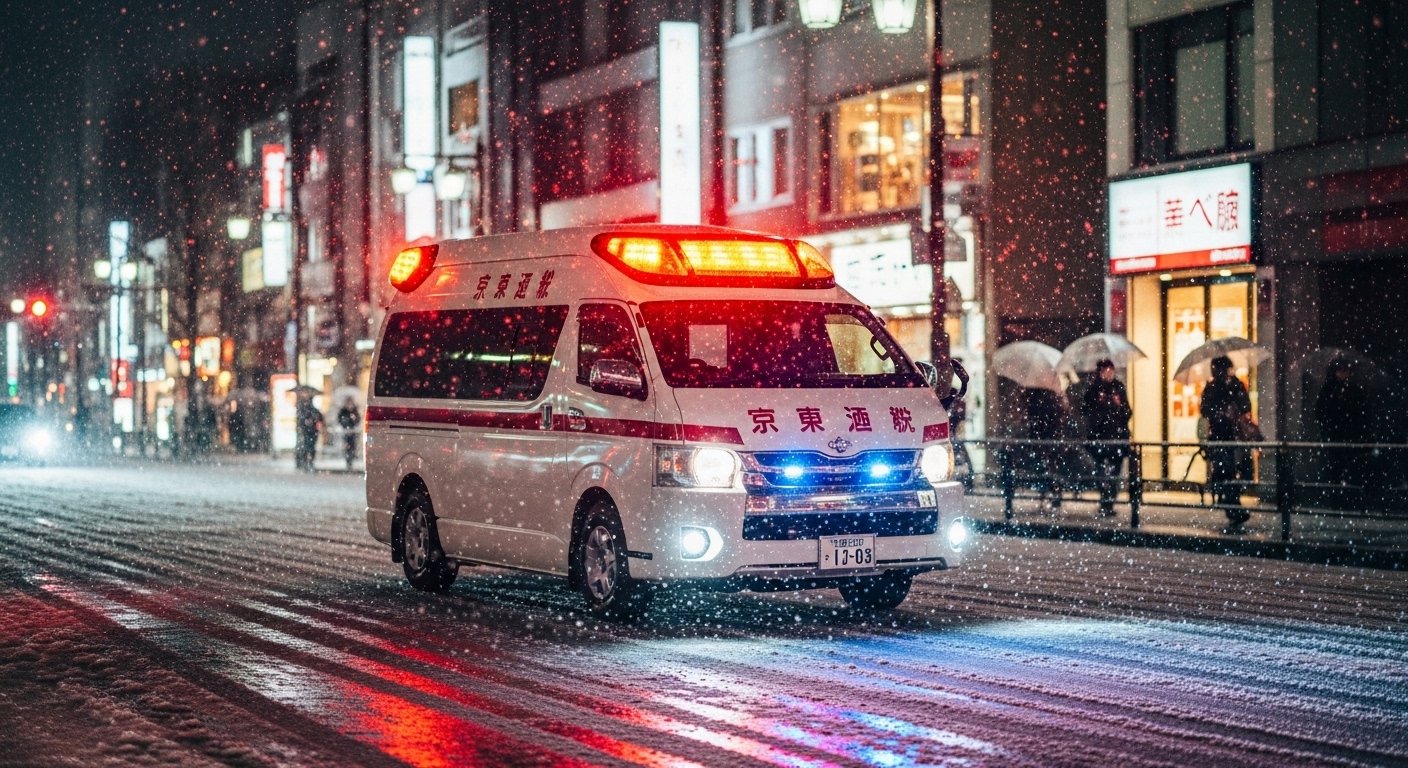
*Images used in this article are for illustration only. They may not be directly related to the content.
Winter Medical Emergencies in Japan: Your English Guide to Clinics, Apps & What To Do
Facing a medical emergency or a serious illness while traveling can be unsettling, especially in a foreign country with a language barrier. When winter arrives in Japan, the risk of influenza, colds, slips on icy paths, and other seasonal ailments increases. This guide is designed to remove the friction and provide you with clear, practical steps to navigate Japan’s medical system, find English-speaking assistance, understand emergency protocols, and manage potential costs. Stay prepared, stay safe.
Table of Contents
- Navigating Japan’s Medical System as a Tourist
- When to Call 119: Understanding Japan’s Emergency Protocol
- Finding English-Speaking Medical Care for Non-Emergencies
- Managing Medical Costs: Travel Insurance is Non-Negotiable
- Winter-Specific Health Concerns & Prevention
- 📋 Quick Reference Card
- Common Mistakes to Avoid
- Frequently Asked Questions
Navigating Japan’s Medical System as a Tourist
Japan boasts a high-quality healthcare system, but for international visitors, several factors can make accessing it challenging. The primary difficulties often stem from language barriers, understanding the distinction between emergency and non-emergency services, and the financial implications for those without Japanese national health insurance. During winter, these challenges are compounded by the prevalence of seasonal illnesses and potential weather-related injuries.
Unlike some Western countries, Japan doesn’t widely use a “general practitioner” (GP) gatekeeper model. Instead, individuals typically go directly to specialized clinics (e.g., Internal Medicine for colds/flu, Orthopedics for injuries). This can be confusing if you’re unsure which type of clinic to visit.
When to Call 119: Understanding Japan’s Emergency Protocol
Knowing when and how to contact emergency services is crucial. Japan’s emergency number, 119, is strictly reserved for life-threatening situations. Using it for non-emergencies can delay assistance for others in critical need.
Life-Threatening vs. Non-Urgent: When 119 is for You
Call 119 for severe medical emergencies such as:
- Severe chest pain or suspected heart attack.
- Unconsciousness or sudden collapse.
- Major trauma, severe bleeding, or suspected broken bones from an accident.
- Difficulty breathing, severe allergic reactions.
- Symptoms of stroke (sudden weakness, facial drooping, speech difficulty).
Do NOT call 119 for:
- Common cold, flu symptoms (unless severe and rapidly worsening).
- Minor cuts, sprains, or bruises.
- Toothaches or chronic conditions without acute worsening.
- Requests for medical advice or clinic information.
For non-emergencies, you should seek out an appropriate clinic or hospital on your own. Using 119 inappropriately not only wastes valuable emergency resources but can also lead to longer wait times for genuinely critical cases.
The Solution: Calling 119 – Step-by-Step
If you find yourself in a genuine emergency, dial 119. While not all operators may speak fluent English, many can connect you with an interpreter service.
- Dial 119: From any phone, free of charge.
- State Your Emergency Type: The first thing you’ll be asked is if it’s a fire (火事 desu – Kaji desu) or an ambulance (救急 desu – Kyukyu desu). Clearly state “Kyukyu desu” for a medical emergency.
- State Language: If possible, immediately say “Eigo o hanasemasen” (I don’t speak Japanese) or “English speaker, please.”
- Provide Location: Be ready to give your exact address. If you don’t know it, provide nearby landmarks (e.g., hotel name, train station, major intersection, store names). Look for street signs or ask someone nearby.
- Describe the Situation: Explain what happened and the patient’s condition. Use simple words. The operator may connect an interpreter to assist.
- Stay on the Line: Do not hang up until the operator tells you to.
🎯 Local Pro-Tip: Before you travel, save the name and address of your accommodation in both English and Japanese (kanji) on your phone. This is invaluable if you need to call 119 or explain your location to a taxi driver or passerby.
🇯🇵 Point & Speak: 119 Call Essentials
Show this section to a Japanese speaker nearby if you’re stuck, or try to say them.
English: It’s an emergency! / Ambulance, please.
救急です!救急車をお願いします。
(Kyūkyū desu! Kyūkyūsha o onegai shimasu.)
English: I don’t speak Japanese. (Please connect to an English interpreter.)
日本語が話せません。英語の通訳をお願いします。
(Nihongo ga hanasemasen. Eigo no tsūyaku o onegai shimasu.)
English: My chest hurts.
胸が痛いです。
(Mune ga itai desu.)
🚨 Emergency Contacts
| Police | 110 |
| Ambulance/Fire | 119 |
All numbers are free and work from any phone, including public phones.

Finding English-Speaking Medical Care for Non-Emergencies
For common winter illnesses like a bad cold, influenza, or a minor injury, calling 119 is not appropriate. Instead, you’ll need to locate a clinic or hospital that can cater to your needs, ideally with English-speaking staff.
Your First Step: Consult Official Directories
Official medical information services are your most reliable resource for finding English-speaking medical professionals. These services often provide lists of hospitals and clinics with foreign language support or interpreter services.
- Tokyo Himawari (東京都医療機関案内サービス): For visitors in Tokyo, this service is invaluable. Call 03-5285-8181 daily from 9:00 to 20:00. They provide information on medical institutions with foreign language support (English, Chinese, Korean, Thai, Spanish).
Official Website: Tokyo Metropolitan Government: Tokyo Himawari - Japan National Tourism Organization (JNTO): JNTO provides a comprehensive guide for when you’re feeling ill and lists medical institutions with foreign language support across Japan.
Official Website: JNTO – Guide for when you are feeling ill - Local Prefectural/City Government Websites: If you are outside Tokyo, check the local prefectural or city government websites. Many areas have services similar to Tokyo Himawari, offering lists of clinics with foreign language support. For example, Osaka has the Osaka Medical Information System:
Official Website: Osaka Medical Information System

Understanding Clinic Types & What to Expect
General clinics (診療所 – shinryojo or 医院 – iin) are typically open during standard business hours (e.g., 9:00-12:00 and 14:00-17:00), often closing on evenings, weekends, and public holidays. Larger hospitals with emergency departments (救急病院 – kyūkyū byōin) are open 24/7, but should still be reserved for more severe conditions.
When seeking care, know the common clinic types:
- Internal Medicine (内科 – Naika): For general illnesses like colds, flu, fever, stomach issues, and fatigue. This is your most likely stop for typical winter ailments.
- Orthopedics (整形外科 – Seikeigeka): For bone, joint, muscle, or ligament issues, such as sprains, fractures, or back pain, common after slips on ice.
- Pediatrics (小児科 – Shounika): For infants and children.
- Dentistry (歯科 – Shika): For dental problems.
Pharmacies (薬局 – yakkyoku) are usually separate from clinics and require a prescription (処方箋 – shohousen) for most medications. Over-the-counter drugs are available at drugstores (ドラッグストア – doraggusutoa) or directly from pharmacies for common ailments.

Bridging the Language Gap at the Clinic
Even with official lists, you might encounter situations where English proficiency is limited. Preparedness is key.
🎯 Local Pro-Tip: Download offline translation apps like Google Translate or DeepL before your trip. These can be lifesavers for describing symptoms or understanding instructions. Type out your symptoms in English, translate, and show the Japanese text to the medical staff.
🇯🇵 Point & Speak: At the Clinic/Hospital
Show this section to reception staff or doctors if you’re struggling to communicate.
English: I don’t speak Japanese. Do you have an English-speaking doctor?
日本語が話せません。英語を話せる医者はいますか?
(Nihongo ga hanasemasen. Eigo o hanaseru isha wa imasu ka?)
English: I have a fever.
熱があります。
(Netsu ga arimasu.)
English: I have a cough.
咳が出ます。
(Seki ga demasu.)
English: It hurts here. (point to the area)
ここが痛いです。
(Koko ga itai desu.)
English: I am allergic to [allergy item].
[アレルギー項目] のアレルギーがあります。
([Arerugī kōmoku] no arerugī ga arimasu.)
Managing Medical Costs: Travel Insurance is Non-Negotiable
One of the biggest concerns for tourists facing a medical emergency in Japan is the cost. Japan does not have a reciprocal healthcare agreement with most countries, meaning international visitors are typically required to pay 100% of medical costs out-of-pocket, upfront.
💰 Price Breakdown: Potential Medical Costs
| Item/Service | Estimated Cost (without insurance) |
| Basic Clinic Visit (e.g., cold/flu) | ¥5,000 – ¥15,000 |
| Emergency Room (ER) Visit (non-admission) | ¥10,000 – ¥50,000+ |
| X-ray / Basic Diagnostic Test | ¥5,000 – ¥20,000 per test |
| Overnight Hospitalization (per night) | ¥50,000 – ¥150,000+ |
| Major Surgery / Extended Stay | Hundreds of thousands to millions of yen |
Prices are estimates and can vary significantly based on the facility, treatments, and time of day. Prices verified as of January 2026.
The essential takeaway: Purchase comprehensive travel insurance with strong medical coverage before you depart for Japan. Ensure your policy covers:
- Emergency medical treatment and hospitalization.
- Medical evacuation, if necessary.
- Repatriation of remains.
- Any pre-existing conditions (if applicable, confirm specific coverage).
Keep your insurance policy number, emergency contact details, and a copy of your policy documents (digital and physical) easily accessible. Familiarize yourself with your insurer’s claims process and emergency contact procedures.

Winter-Specific Health Concerns & Prevention
Winter in Japan brings unique health considerations. Awareness and simple preventive measures can help you avoid a medical incident.
- Influenza and Common Colds: These are highly prevalent. Consider getting a flu shot before you travel. Wear a mask in crowded areas, wash your hands frequently, and avoid touching your face.
- Pneumonia: A more severe respiratory infection, especially if a cold worsens. Seek medical attention if you experience persistent high fever, severe cough, or difficulty breathing.
- Norovirus (Winter Vomiting Bug): Highly contagious, causing severe vomiting and diarrhea. Practice rigorous hand hygiene, especially before eating.
- Slips and Falls: Snow and ice are common in many parts of Japan during winter, especially ski resorts and northern regions. Wear appropriate footwear with good grip. Walk carefully and be aware of your surroundings. Fractures and sprains are common winter injuries.
- Hypothermia/Frostbite: If engaging in winter sports or spending extended time outdoors in very cold conditions, dress in layers and be aware of symptoms.

📋 Quick Reference Card: Japan Medical Essentials
Screenshot or print this section for easy access:
- ✅ Life-Threatening Emergency: Dial 119 (Ambulance/Fire).
- ✅ Police: Dial 110.
- ✅ Non-Emergency Medical Info (Tokyo): Tokyo Himawari 03-5285-8181 (9:00-20:00).
- ✅ General Medical Info (Nationwide): JNTO Guide jnto.go.jp/emergency.
- ✅ Crucial Phrases: “Kyūkyū desu!” (Emergency!), “Nihongo ga hanasemasen.” (I don’t speak Japanese.), “Eigo o hanaseru isha wa imasu ka?” (English-speaking doctor?).
- ✅ Travel Insurance: Absolutely essential. Keep policy details accessible.
- ✅ Clinic Types: Naika (Internal Med for cold/flu), Seikeigeka (Orthopedics for injuries).
- ✅ Translation Apps: Google Translate, DeepL (offline downloaded).
- ✅ Pharmacy vs. Drugstore: Prescriptions for pharmacies (薬局), OTC for drugstores (ドラッグストア).
Common Mistakes to Avoid
Being aware of common pitfalls can prevent unnecessary stress and expenses:
- Calling 119 for Minor Issues: This is the most common mistake. Japanese emergency services are not a general health advice line or a taxi service to the hospital for a mild cold. Use Himawari or JNTO resources for non-urgent care.
- Neglecting Travel Insurance: Assuming your regular health insurance covers international travel, or skipping it entirely, is a significant financial risk. Japanese medical costs for tourists can be exorbitant.
- Expecting 24/7 Clinic Access: Most small clinics operate during daytime hours and close on weekends and public holidays. Plan accordingly for minor issues. Only large hospitals have 24/7 ERs.
- Not Having Key Information Handy: Your hotel address (in Japanese), insurance details, and a list of any allergies or medications should be easily accessible.
- Underestimating Winter Risks: Don’t dismiss the severity of winter illnesses or the potential for injury on icy surfaces. Prevention is always better than cure.

Frequently Asked Questions
Can I use my home country’s health insurance in Japan?
Generally, no. Your standard health insurance from your home country likely does not cover you in Japan, or only provides minimal coverage. You will almost certainly be required to pay 100% of the medical costs upfront. This is why comprehensive travel insurance with strong medical coverage is absolutely critical for visitors to Japan.
What if I need medication or a specific prescription?
For prescription medications, you will need to see a doctor at a clinic or hospital. They will issue a prescription (処方箋 – shohousen) that you then take to a pharmacy (薬局 – yakkyoku) to get your medication. Keep in mind that some medications available over-the-counter in your home country may require a prescription in Japan, or might not be available at all. Bring a sufficient supply of any essential personal medications with you, along with a doctor’s note, if possible.
Are there any specific medical apps recommended for Japan?
While there isn’t one universal “medical app” for finding English doctors across Japan, general translation apps like Google Translate or DeepL (with offline dictionaries downloaded) are highly recommended for communication. For finding facilities, rely on official websites like Tokyo Himawari or the JNTO medical guide.
What if I only have mild symptoms and don’t want to go to a doctor?
For very mild cold symptoms or minor aches, you can visit a drugstore (ドラッグストア – doraggusutoa) to purchase over-the-counter medications. Many drugstores have staff who can point you to general cold medicine (風邪薬 – kazegusuri), pain relievers (痛み止め – itamidome), or fever reducers (解熱剤 – genetsuzai). If symptoms persist or worsen, however, it’s always best to consult a medical professional.
Conclusion
Navigating a winter medical emergency in Japan as an international visitor requires preparation, awareness, and knowing the right resources. By understanding the emergency system, knowing where to find English-speaking medical assistance, securing comprehensive travel insurance, and learning a few key Japanese phrases, you can significantly reduce stress and receive appropriate care.
Stay proactive, stay informed, and enjoy your winter journey in Japan with the confidence that you’re prepared for any unexpected health challenges. Your safety is paramount.
Disclaimer: This guide provides general information and practical advice for medical situations in Japan. It is not a substitute for professional medical advice, diagnosis, or treatment. Always seek the advice of a qualified healthcare provider for any medical concerns. Information on medical facilities, services, and costs can change; always verify current details with official sources.