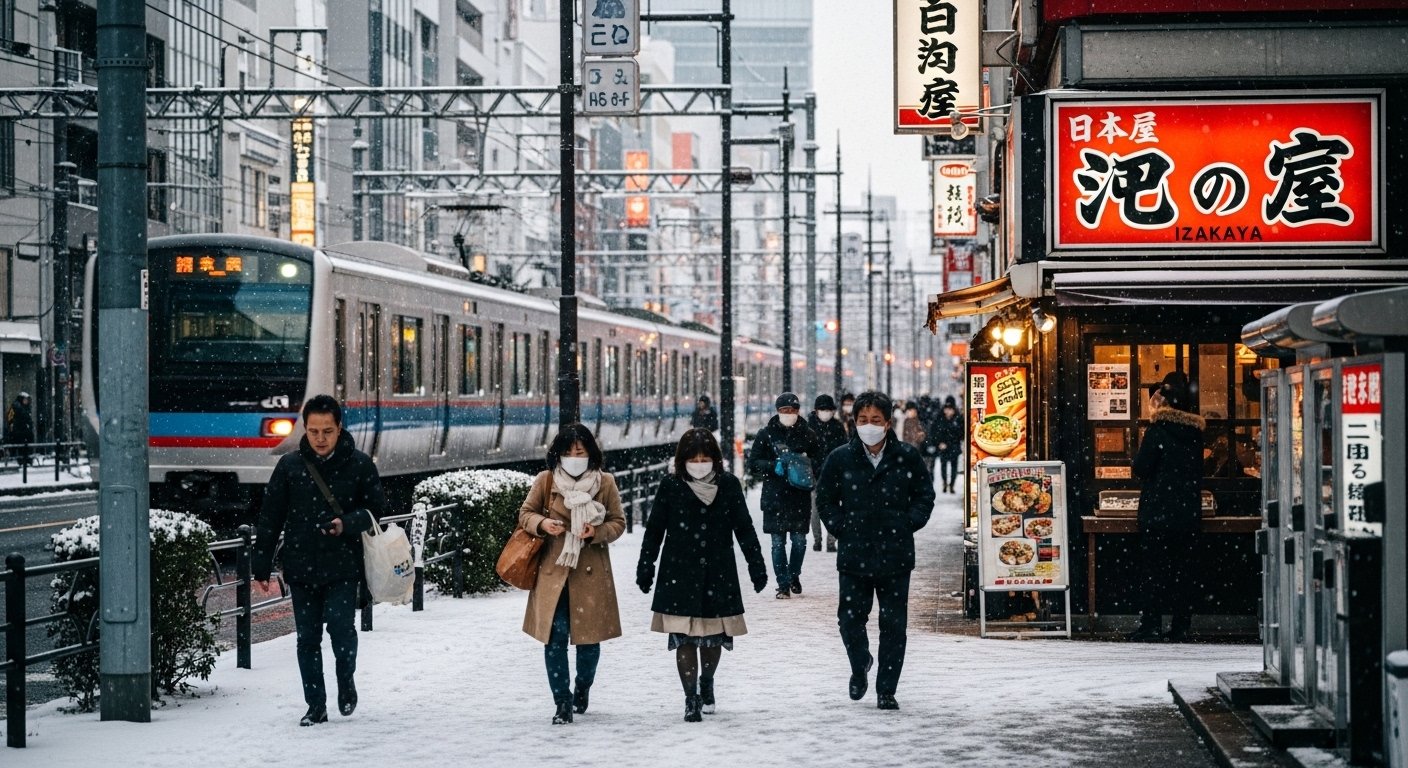
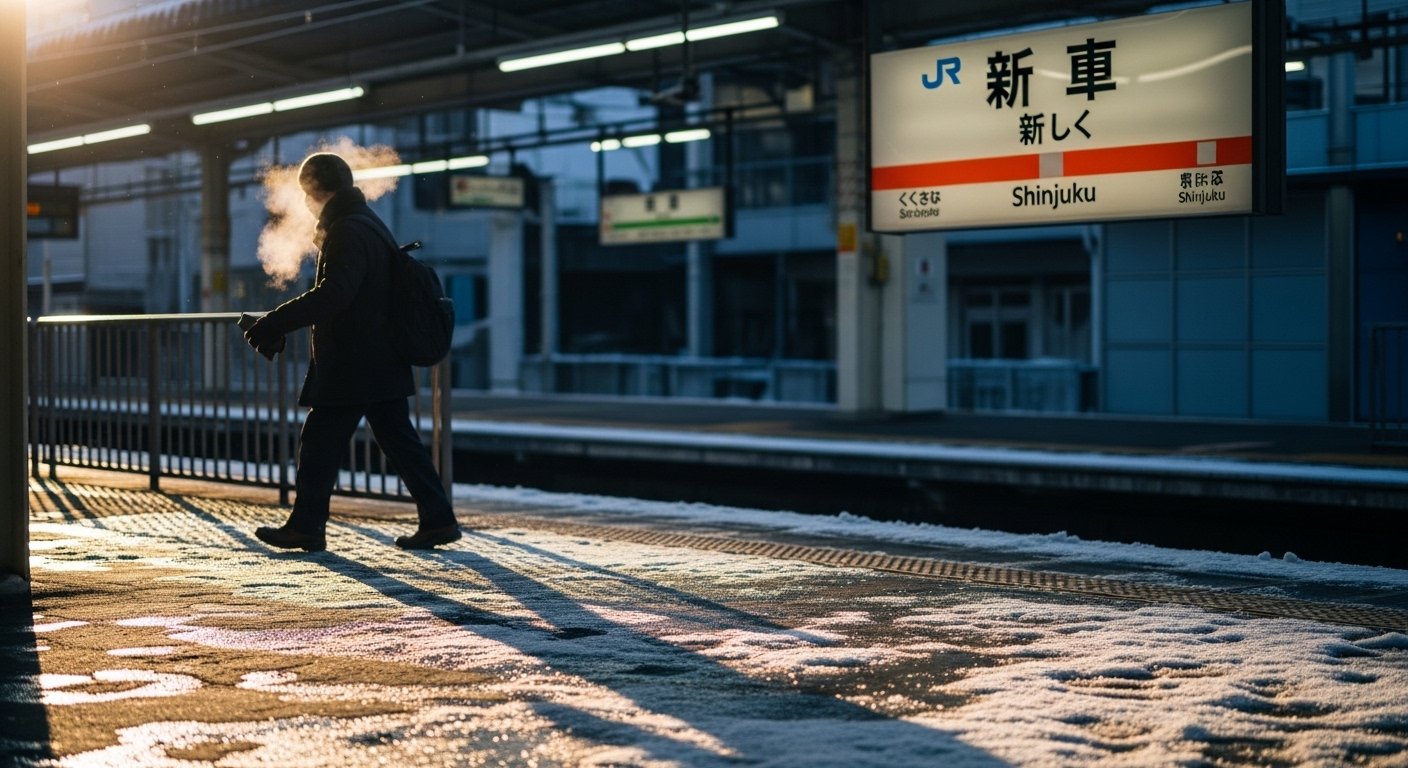
*Images used in this article are for illustration only. They may not be directly related to the content.
Beat the Freeze: Navigating Japan’s Early Morning Winter Transport Delays & Avoiding Stranding
Picture this: you’ve planned your dream winter trip to Japan. You’re ready for snowy landscapes and cozy evenings. But then, an unexpected blanket of snow or ice arrives overnight, and your early morning train to the airport or your connection to a distant city grinds to a halt. Suddenly, you’re facing missed flights, an unfamiliar language, and the biting cold, feeling stranded and helpless. This is a common pain point for international visitors, especially during Japan winter transport delays.
Unexpected early morning transport delays due to snow or ice can quickly turn your travel plans into a stressful ordeal. The challenge intensifies when real-time information is primarily in Japanese, leaving you guessing about your next move. Our goal is to remove this friction, providing you with actionable strategies to proactively prepare for, and effectively manage, these disruptions. You’ll learn how to find real-time English information, identify alternative transport, and ultimately avoid the dreaded feeling of being stranded in the cold.
Table of Contents
- Understanding the Winter Travel Landscape in Japan
- Your Proactive Winter Travel Toolkit
- Real-Time Information: Your Lifeline
- When Disruption Hits: On-the-Ground Action Plan
- 🇯🇵 Point & Speak: Essential Japanese Phrases
- 💰 Price Breakdown: The Cost of Disruption
- 📋 Quick Reference Card: Your On-the-Go Checklist
- 🎯 Local Pro-Tips for Winter Travel
- Common Mistakes to Avoid
- Frequently Asked Questions
- Conclusion: Navigate Japan’s Winter With Confidence
- Disclaimer
Understanding the Winter Travel Landscape in Japan
Winter in Japan offers unique beauty, but it also brings specific travel challenges. Knowing when and where to expect snow-related transport issues is your first step in preparedness. Early morning snow Japan can significantly impact daily operations.
Why Early Mornings are Critical
Major winter transport disruptions are most common from December to March, with peak severity in January and February. The critical period for first impact and delays is usually early morning, between 05:00 and 09:00. This is when overnight snowfall or ice accumulation becomes apparent, affecting train lines, bus routes, highways, and even airport operations as staff work to clear the infrastructure.
The Japan Meteorological Agency (JMA) issues warnings that are crucial to monitor. Look for terms like 大雪警報 (ōyuki keihō), which means ‘heavy snow warning,’ or 着雪注意報 (chakusetsu chūihō), a ‘snowfall adhesion advisory,’ in your travel area. These warnings indicate potential for significant travel disruption.
Where Disruptions Hit Hardest
While regions like Hokkaido, Tohoku, the Japan Sea coast (e.g., Niigata, Toyama, Ishikawa), and mountainous areas (e.g., Nagano, Gifu) are known for heavy snowfall, it’s a mistake to assume major cities are immune. Even Tokyo and Osaka can experience unexpected heavy snow, causing widespread disruption. The infrastructure in these areas, less accustomed to severe winter conditions, can quickly become overwhelmed, leading to significant Japan winter transport delays and affecting everything from local trains to Shinkansen.
The “Force Majeure” Reality
A key point to understand is Japanese transport regulations. Train operators, including JR and private lines, generally do not compensate passengers for additional costs like hotel stays, alternative transport, or missed flights due to delays or cancellations caused by “force majeure” events. Snow and ice fall under this category. While you are typically eligible for a refund on the affected segment of your train ticket, expect no further financial assistance from the transport company. This underscores the importance of robust travel insurance and personal contingency planning when dealing with Japan travel disruption.
Your Proactive Winter Travel Toolkit
Preparation is your strongest defense against early morning snow Japan. Equipping yourself with the right tools and information can significantly reduce stress and financial impact.
Before You Depart: Essential Preparations
- Travel Insurance: This is non-negotiable. Ensure your policy explicitly covers travel delays, cancellations, and emergency accommodation due to weather events. Review the fine print carefully.
- Winter Packing: Layers, waterproof outerwear, thermal underwear, and waterproof footwear are essential. If you become stranded, you might be waiting in cold conditions.
- Emergency Fund: Have readily accessible funds, both cash (yen) and a credit card, to cover unexpected expenses like emergency taxi fares or last-minute hotel bookings.
- Flexible Itinerary: If your schedule allows, build buffer days into your itinerary, especially around crucial travel days like flying in or out of the country.
- Download Essential Apps: Ensure you have Google Maps, a Japan Transit Planner (Jorudan or Navitime), and a robust translation app (like Google Translate or DeepL) downloaded and working offline.
Daily Weather Check-ins
Make checking the weather part of your daily routine, especially the night before early morning travel. Don’t just rely on a general forecast; dig deeper:
- Japan Meteorological Agency (JMA) English Website: This is the most reliable source for official weather warnings and forecasts. Visit jma.go.jp/jma/indexe.html.
- Local Weather Apps: Many smartphones have built-in weather apps that provide localized, hourly forecasts, which can be critical for early morning conditions.
- Understand Warnings: Familiarize yourself with the terms like 大雪警報 (ōyuki keihō – heavy snow warning) and 着雪注意報 (chakusetsu chūihō – snowfall adhesion advisory). If these are issued for your area, prepare for delays.
Proximity is Key: Pre-flight Strategy
For an early morning international flight during winter, consider staying at an airport hotel the night before. This eliminates the risk of missing your flight due to unexpected Japan winter transport delays on your commute to the airport. While an extra night’s stay might seem like an added cost, it’s often far less expensive and stressful than rebooking a missed international flight, especially when dealing with stranded Japan airport scenarios.
🎯 Local Pro-Tip: Always check your flight status directly with the airline AND the airport website. Third-party sites can sometimes be slower to update. Airport websites (Narita, Haneda, Kansai, Sapporo New Chitose) are the most accurate for airport closure snow information.
Real-Time Information: Your Lifeline
When delays strike, knowing where to find real-time info Japan snow English is paramount. Navigating Japan’s transport system during disruption requires quick access to accurate updates.
Official Online Sources
Bookmark these before you travel. They are your primary resources for Japan train delays English and airport updates:
- JR East Train Operations Information: traininfo.jreast.co.jp/en/ (Covers Tokyo, Tohoku, etc.)
- JR West Train Operations Information: trafficinfo.westjr.co.jp/en/kinki_area.html (Covers Kyoto, Osaka, Hiroshima, etc.)
- JR Central Train Operations Information: jr-central.co.jp/english/info/ (Covers Tokaido Shinkansen, etc.)
- Narita International Airport Flight Status: narita-airport.jp/en/flight/today
- Haneda Airport (Tokyo International Airport) Flight Status: tokyo-haneda.com/en/flight/index.html
- Japan Road Traffic Information Center (JARTIC): jartic.or.jp/ (Primarily Japanese, but map-based, so visual understanding is possible for road closures/traffic conditions.)
Check these sites frequently for 運行情報 (unkō jōhō – service status) and 交通遅延 (kōtsū chien – traffic delay) updates.
Leveraging Technology
Beyond official websites, your smartphone is a powerful tool:
- Google Maps: Use it for real-time transit updates. It often shows delays or cancellations and can suggest alternative routes if available.
- Japan Transit Planner Apps: Apps like Jorudan or Navitime (both have English functionality) are excellent for finding alternative transport Japan ice. They can recalculate routes based on current service disruptions.
- Translation Apps: For Japanese-only announcements or paper notices (`貼紙 – harigami`) at bus stops, quickly use Google Translate’s camera function.
Visual Cues & On-Site Observation
When you’re physically at a station or airport, knowing what to look for can provide immediate clues:
- Electronic Display Boards: At train stations, these boards often show 遅延 (chien – delay) or 運休 (unkyū – cancellation) in red or yellow text. Many major stations also provide English scrolling text below the Japanese.
- Information Counters: Look for the green rectangular sign with みどりの窓口 (Midori no Madoguchi). This indicates the JR ticket office and information counter where staff can assist you, often with limited English.
- Airport Terminal Information Screens: These will display flight status (Delayed/Cancelled) usually in both Japanese and English. Look for the ‘Flight Status’ section.
- Hazard Signs & Staff Presence: Orange/yellow hazard signs, police presence, or an unusually large number of station staff can indicate closures or dangerous conditions.
- Paper Notices: Bus stop signs may have paper notices (`貼紙 – harigami`) in Japanese announcing delays or cancellations. Use a translation app if no English is available.
🎯 Local Pro-Tip: Observe what locals are doing. If everyone is looking at their phones, queueing at an information counter, or leaving the station, these are strong indicators of significant disruption.
When Disruption Hits: On-the-Ground Action Plan
You’ve checked the forecasts, monitored the news, and now you’re facing a real-time disruption. What to do when train delayed Japan winter? Your actions in the immediate aftermath are crucial to managing the situation and avoiding feeling stranded Japan airport.
At the Station/Airport: Communicate
Even with a language barrier, effective communication is possible:
- Approach Staff: Find a staff member (station attendant, airport staff, or police officer). Even if they don’t speak fluent English, showing them your destination on a map or using simple phrases from our “Point & Speak” section can help.
- Be Patient and Polite: Staff are likely dealing with many frustrated travelers. A calm, polite demeanor will yield better results.
- Show Your Ticket/Itinerary: Presenting your physical ticket or digital itinerary can clearly indicate your planned route and destination.
Exploring Alternative Transport
Once your primary transport is confirmed disrupted, explore other options:
- Local Buses: Check if local bus services are still running. They might be slower but can sometimes bypass train line issues, especially if the problem is specific to train tracks. Use Google Maps or local transport apps to check routes.
- Taxis: Taxis are an option, but be aware of the cost. Emergency taxi fares for long distances can be extremely high (e.g., ¥20,000+ for 50km). This is where your emergency fund comes in. Only consider this for critical, shorter distances or if sharing with others.
- Alternative Train Lines/Shinkansen: Can you reach your destination via a different train line or a Shinkansen route? While Shinkansen can also be affected by snow (operating at reduced speeds or facing delays), they are generally more resilient than local lines.
- Ride-Sharing/Private Cars: While not as prevalent as in some Western countries, services like Uber or local taxi-hailing apps might be available, though demand will be high during disruptions.

Securing Emergency Accommodation
If alternative transport is not an option and you are truly stranded, your next priority is accommodation:
- Online Booking Apps: Use apps like Booking.com, Agoda, Rakuten Travel, or Jalan (Japanese, but often with English options) to search for nearby hotels. Last-minute hotel bookings in affected areas can range from ¥8,000 to ¥30,000+ per night depending on location and availability.
- Ask Staff: While train operators don’t typically arrange accommodation for force majeure, station or airport staff might know of nearby hotels with vacancies or have access to information on emergency shelters if the situation is severe.
- Consider Capsule Hotels/Manga Cafes: These can be a budget-friendly, if less comfortable, last-minute option in urban areas.
🇯🇵 Point & Speak: Essential Japanese Phrases
A few key phrases can make a significant difference. Show this section to staff if you’re stuck. They can read the Japanese.
🇯🇵 Point & Speak
Show this section to staff if you’re stuck. They can read the Japanese.
English: Is the train delayed?
電車は遅れていますか?
(Densha wa okurete imasu ka?)
English: Is it cancelled?
運休ですか?
(Unkyū desu ka?)
English: Where can I find real-time information?
リアルタイムの情報はどこで確認できますか?
(Riarutaimu no jōhō wa doko de kakunin dekimasu ka?)
English: I need to go to [Airport Name] Airport.
[空港名]空港へ行きたいのですが。
([Kūkō-mei] kūkō e ikitai no desu ga.)
English: Is there an alternative route/bus?
代替ルート/バスはありますか?
(Daitai rūto/basu wa arimasu ka?)
English: I’m looking for a hotel nearby.
近くのホテルを探しています。
(Chikaku no hoteru o sagashite imasu.)
💰 Price Breakdown: The Cost of Disruption
Unexpected delays can quickly become expensive. Understanding potential costs helps you budget for an emergency fund and evaluate your travel insurance.
💰 Price Breakdown
| Item | Estimated Cost (per incident) |
| Emergency Taxi (e.g., 50km) | ¥20,000 – ¥35,000+ |
| Last-Minute Hotel (per night) | ¥8,000 – ¥30,000+ |
| Rebooking Domestic Flight | ¥5,000 – ¥20,000+ (if not fully flexible) |
| Rebooking International Flight | ¥30,000 – ¥100,000+ (significant fees or new ticket) |
| Food & Drink (while waiting) | ¥1,000 – ¥3,000+ |
Prices verified as of January 2026. Costs can fluctuate based on location, availability, and specific circumstances. Travel insurance is highly recommended to mitigate these potential expenses.
📋 Quick Reference Card: Your On-the-Go Checklist
Screenshot or print this card. It’s a concise guide for when you’re caught in a Japan travel disruption.
📋 Quick Reference Card
Screenshot or print this section for easy access:
- ✅ Check JMA for weather warnings (jma.go.jp/jma/indexe.html).
- ✅ Official JR & Airport Sites for real-time service status.
- ✅ Google Maps/Transit Apps for alternative routes.
- ✅ Phone Charged, Portable Charger Ready.
- ✅ Emergency Cash & Card.
- ✅ Know Key Japanese Phrases (use Point & Speak).
- ✅ Dress Warmly (layers, waterproofs).
- ✅ Travel Insurance Details Accessible.
- ✅ Stay Calm & Seek Staff.
🎯 Local Pro-Tips for Winter Travel
🎯 Local Pro-Tip: Always carry a fully charged power bank. Japanese train stations and airports do offer charging points, but during mass disruptions, these will be in high demand. Your phone is your lifeline for information and communication.
🎯 Local Pro-Tip: Download offline maps for your planned routes. Even with a reliable data connection, cell towers can get overloaded during emergencies, making it difficult to access online resources. Google Maps allows you to save areas for offline use.
🎯 Local Pro-Tip: Keep small bills and coins (yen) on hand. While many places accept cards, smaller shops or vending machines (essential for warmth or a quick snack during a wait) may be cash-only, and ATMs can be scarce in some areas, or out of service during power disruptions.
🎯 Local Pro-Tip: Pack snacks and a reusable water bottle. During prolonged delays, access to food and drink might be limited or require long waits. Having some energy bars or a quick bite can make a significant difference to your comfort.
Common Mistakes to Avoid
Learning from others’ missteps can save you significant trouble when ice Japan transport problems arise.
- Underestimating Winter’s Impact: Don’t assume that because Tokyo or Osaka doesn’t always have deep snow, they won’t be affected. Even light snowfall can cause major delays due to lack of specialized snow-clearing equipment and infrastructure.
- Relying on a Single Transport Method: Always have a mental (or actual) backup plan. If trains are down, can you take a bus? What about a taxi as a last resort?
- Not Checking Forecasts Until Travel Day: Proactive weather checks the night before, and even several days out, are crucial. Early morning cancellations often stem from overnight conditions.
- Assuming Compensation: As noted, train operators rarely compensate beyond ticket refunds for force majeure events. Don’t expect a free hotel or a rebooked flight from JR.
- Panicking or Getting Angry: This is rarely productive. Japanese staff are doing their best under pressure. Staying calm and polite will help you get the information and assistance you need.
- Ignoring Regional Differences: Hokkaido and the Japan Sea coast areas are designed for heavy snow, but disruptions still occur. Pacific side cities (like Tokyo) are less prepared for significant snowfall and can see greater chaos from less snow.
Frequently Asked Questions
Can I get compensation for missed flights or connections due to snow-related transport delays in Japan?
Generally, no. Japanese train and bus operators consider heavy snow or ice a “force majeure” event, meaning they are not legally obligated to provide compensation for missed flights, alternative transport, or accommodation costs. You are typically only eligible for a refund on the affected portion of your ticket. This is why comprehensive travel insurance covering delays and cancellations is highly recommended.
What’s the best way to check train and flight status in English during a winter disruption?
For trains, use the official English websites of JR East, JR West, and JR Central (links provided above). For flights, check the official websites of Narita, Haneda, or your specific airport, and your airline’s website. Google Maps and apps like Jorudan or Navitime can also provide real-time transit updates and alternative routes.
Is it safe to travel to snowy regions like Hokkaido or Tohoku in winter?
Yes, it is generally safe, as these regions are well-equipped for heavy snow. However, you must be prepared for potential delays. Always check the Japan Meteorological Agency (JMA) for heavy snow warnings (大雪警報) before and during your travel. Dress warmly in layers, ensure your transport plans are flexible, and have an emergency fund.
What if I’m stranded at a remote train station with no English-speaking staff?
First, remain calm. Use a translation app (like Google Translate’s camera function) on any posted notices. Approach staff, show them your destination on a map, and use the “Point & Speak” phrases provided in this guide. Check Google Maps for nearby buses or accommodation. If truly stuck, contact your travel insurance emergency line or your embassy for assistance, though they may only offer limited practical help.
How much extra time should I allow for early morning travel to the airport in winter?
During winter, especially in January and February, always add a significant buffer. For an early morning international flight, aim for an additional 1-2 hours on top of your usual recommended travel time. This extra time accounts for potential speed restrictions on trains, de-icing at airports, or slower traffic on roads due to ice Japan transport conditions.
Conclusion: Navigate Japan’s Winter With Confidence
Winter in Japan is a unique experience, offering beauty that makes the journey worthwhile. By understanding the potential for early morning winter transport delays and taking proactive steps, you can significantly reduce stress and minimize the impact of disruptions. Preparation is your most valuable tool against unexpected snow or ice.
Arm yourself with real-time information sources, learn a few key Japanese phrases, and pack a robust emergency kit. With these practical strategies, you’re not just hoping for the best; you’re prepared for anything. Travel smart, stay safe, and enjoy your winter adventure in Japan.
Disclaimer
Weather conditions in Japan, particularly in winter, can be unpredictable and change rapidly. This guide provides general advice for preparedness and managing disruptions. While every effort has been made to ensure accuracy, specific situations may vary. Always prioritize personal safety and follow local authority instructions. It is highly recommended to secure comprehensive travel insurance that covers unforeseen events.