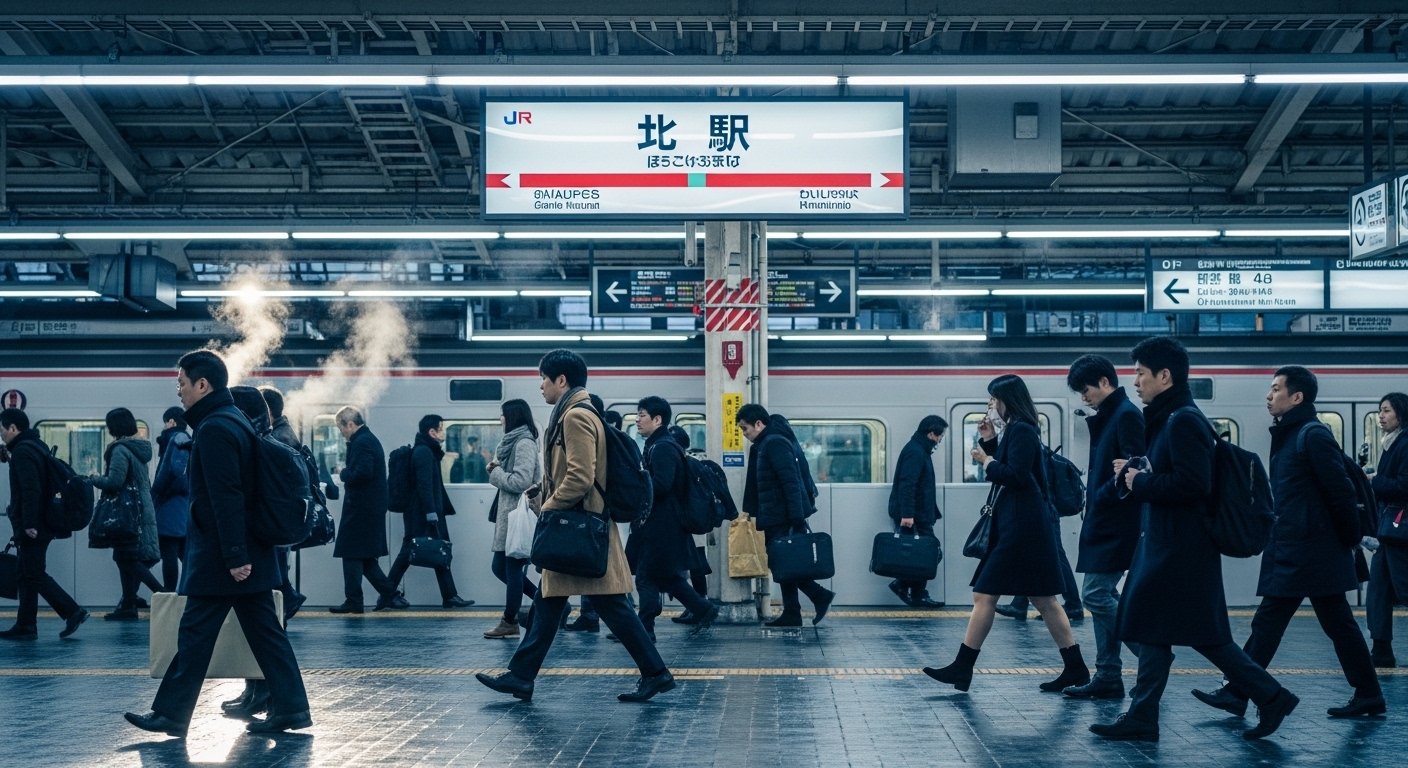
*Images used in this article are for illustration only. They may not be directly related to the content.
Navigating Icy Platforms & Snow Delays: Essential Japan Winter Transport Safety
Traveling through Japan during winter promises unique experiences, from snowy landscapes to cozy onsen. However, the season also introduces specific challenges, especially when using public transport. The fear of slipping on an icy platform or being stranded by an unexpected snow delay is a real concern for many international visitors, particularly without strong Japanese language skills. This guide aims to remove that friction, equipping you with practical knowledge to ensure your Japan winter transport safety, keep you informed during delays, and maintain your comfort.
You’ll learn how to proactively prepare for winter travel, understand station safety measures, access real-time delay information, and communicate effectively when disruptions occur. Our goal is to empower you to navigate Japan’s efficient, yet winter-affected, public transport system with confidence and peace of mind.
Table of Contents
- Understanding Winter’s Impact on Japan’s Transport
- Staying Safe on Icy Platforms: Your Personal Toolkit
- Managing Snow Delays: Staying Informed & Flexible
- Proactive Winter Travel Preparation
- Common Mistakes to Avoid During Winter Travel
- Emergency Contacts
- Quick Reference Card: Winter Transport Safety
- Frequently Asked Questions
Understanding Winter’s Impact on Japan’s Transport
Japan’s public transport system is renowned for its punctuality and efficiency. However, winter weather, particularly heavy snowfall, can challenge even this advanced infrastructure. Understanding how the system responds is key to navigating it safely.
Why Japan’s System Prioritizes Safety Above All
Railway companies in Japan operate with a strong emphasis on passenger safety. When conditions compromise safe operation—such as heavy snow, strong winds, or even fallen trees—services may be suspended or significantly reduced. This prioritization of safety over convenience is a core operational policy.
In snowy regions like Hokkaido, Tohoku, or Hokuriku, major train stations are actively managed. Staff are deployed to clear snow and de-ice platforms regularly. High-traffic areas often feature anti-slip mats or heated platforms to mitigate the risk of slips and falls.
🎯 Local Pro-Tip: While major routes like the Shinkansen are designed for resilience, no line is entirely immune to extreme weather. Always factor in extra travel time during winter, especially when connecting to flights or important appointments.
Common Winter Transport Challenges
Beyond icy platforms, expect potential challenges:
- Delays & Cancellations: Local lines and inter-city buses are highly susceptible to delays or cancellations during heavy snowfall or blizzards. Even express services can be affected.
- Equipment Limitations: While JR trains in snowy regions are equipped with snowplows and other resistant features, accumulated snow on tracks or iced-over overhead lines can still cause disruptions.
- Information Overload (or Lack Thereof): Information about delays is typically displayed on electronic boards and announced over loudspeakers. While major stations may offer English translations, this isn’t always guaranteed, creating a language barrier for visitors.
Staying Safe on Icy Platforms: Your Personal Toolkit
Slipping on ice or snow is a primary concern. Equipping yourself with the right gear and knowledge can significantly reduce this risk, enhancing your Japan winter transport safety.
Essential Footwear for Winter Travel
Your choice of shoes is critical. Opt for:
- Waterproof Boots: Keep your feet dry, which is essential for warmth and comfort.
- Non-Slip Soles: Look for deep treads or rubber soles designed for traction on wet or icy surfaces. Consider adding detachable ice grips if your existing boots lack sufficient grip.
- Ankle Support: Taller boots provide better ankle support, reducing the risk of sprains if you do lose your footing.
Avoid smooth-soled fashion boots or sneakers, as these offer minimal grip on ice and packed snow.
Identifying and Avoiding Slippery Zones
Be aware of your surroundings using these visual cues:
- Anti-Slip Mats: Look for yellow or black and yellow striped anti-slip mats. These are deliberately placed on platforms, especially near stairs, escalators, and platform edges, where slipping risk is highest.
- Warning Signs & Cones: Orange cone signs or ‘slippery surface’ (滑りやすい, suberi yasui) warning signs will be placed near icy or wet areas. Pay attention to these visual warnings.
- Staff Activity: Station staff (駅員, Eki-in) in uniforms actively clearing snow or de-icing indicates an area requires extra caution.
- Heated Platforms: Some platforms, particularly in colder regions, are heated. These areas will show a lack of visible ice or snow compared to surrounding unheated sections. They might even have subtle signs of steam.

Safe Movement on Platforms
- Watch Your Step: Constantly observe the ground in front of you.
- Short, Shuffling Steps: On visibly icy or snowy surfaces, walk with smaller, shuffling steps, keeping your center of gravity low.
- Use Handrails: Always use handrails on stairs and escalators. Do not rush.
- Maintain Distance: Keep a safe distance from the platform edge, especially when trains are approaching or departing. The suction and wind can destabilize you.
- Avoid Distractions: Put away your phone. Your full attention is needed for safe navigation.
Managing Snow Delays: Staying Informed & Flexible
Delays are an inconvenience, but with the right tools and mindset, you can navigate them effectively. The key to Japan train delays due to snow is information and flexibility.
Real-Time Information Sources
Knowing where to get reliable, up-to-date information is crucial during disruptions. Bookmark these links before your trip:
- JR East Service Status (English): For routes primarily in Eastern Japan, including Tokyo and surrounding regions.
- JR West Service Status (English): For routes in Western Japan, including Kyoto, Osaka, and Kobe.
- Japan Meteorological Agency (JMA) Weather Warnings (English): Essential for understanding current and upcoming weather conditions.
- Google Maps: Provides real-time public transport updates, often integrating official delay information.
- Japan Transit Planner (Jorudan): Offers alternative routes and real-time updates for various transport modes.
Check these sources frequently during active snowfall or if delays are announced. These resources are your first line of defense against uncertainty.

Deciphering Announcements and Signage
Language barriers can make understanding delay announcements challenging. Here’s how to manage:
- Electronic Display Boards (電光掲示板, Denkō Keijiban): These boards are your primary visual source of information. They typically show train status, destinations, and delay information. While often in Japanese, major stations frequently cycle through English translations. Look for keywords like “遅延” (chien – delay) or “運休” (unkyū – suspension).
- Loudspeaker Announcements: At major stations, bilingual (Japanese/English) announcements are common, especially during significant disruptions. Listen for phrases related to delays or safety warnings.
- Seek Staff Assistance: If you are unsure, approach station staff (駅員, Eki-in). They are there to help. Look for staff wearing uniforms, often with caps. Pointing to your destination on a map or using simple phrases can initiate communication.
🇯🇵 Point & Speak: Essential Phrases for Delays & Safety
Show this section to staff if you’re stuck. They can read the Japanese.
English: Is the train/bus delayed?
電車/バスは遅れていますか?
(Densha/Basu wa okurete imasu ka?)
English: How long will the delay be?
どのくらい遅れますか?
(Dono kurai okuremasu ka?)
English: Is this platform/area slippery?
このホーム/あたりは滑りやすいですか?
(Kono hōmu/atari wa suberi yasui desu ka?)
English: Please be careful (of slipping).
お足元にご注意ください。
(O-ashimoto ni go-chūi kudasai.)
English: Is there an alternative route?
代わりのルートはありますか?
(Kawari no rūto wa arimasu ka?)
English: Where can I get a delay certificate?
遅延証明書はどこで貰えますか?
(Chien shōmeisho wa doko de moraemasu ka?)
Planning for Disruptions: Budget and Flexibility
Snow delays in Japan can impact your budget and itinerary. Here’s how to prepare:
- Budget for Contingencies: Delays can lead to unexpected expenses. This might include extra taxi fares if public transport is suspended, or last-minute accommodation if you’re stranded overnight. Factor this into your travel budget.
- Travel Insurance: Invest in comprehensive travel insurance that covers delays, disruptions, and unexpected accommodation costs due to severe weather. Read the policy carefully to understand its coverage limits.
- Flexible Tickets/JR Pass: If your itinerary involves extensive train travel, a Japan Rail Pass or flexible tickets might offer more options for re-routing without additional cost during disruptions. Always check the specific conditions for changes or refunds due to weather.
What to Do When Stranded by Snow Delays
If you find yourself in a significant delay or service suspension:
- Stay Calm & Gather Information: Panic helps no one. Check official websites and apps first. Listen for announcements.
- Consult Station Staff: Approach staff. Show them your destination on a map or use the “Point & Speak” phrases. They can often advise on the latest situation, alternative routes (代わりのルート, kawari no rūto), or whether replacement bus services are being arranged. Be prepared for queues.
- Use Online Route Planners: Google Maps and Jorudan are excellent for finding alternative train lines, bus services, or even indicating if taxis are a viable option for shorter distances. Look for real-time updates.
- Consider Accommodation: If re-routing is impossible and the delay is long, consider finding nearby accommodation. Station areas often have hotels. Booking sites can be your friend here.
- Delay Certificates (遅延証明書, chien shōmeisho): If you need proof of delay for work, school, or insurance, ask station staff for a delay certificate. These are typically small paper slips.
Remember, Japanese staff are dedicated to helping, but patience and clear communication on your part are essential.
Proactive Winter Travel Preparation
Being prepared before you even step foot on a platform can save you significant hassle.
Essential Gear Beyond Footwear
Beyond non-slip footwear, consider:
- Warm, Layered Clothing: Japan’s winters can be cold, especially in the north and mountainous areas. Layers allow you to adapt to varying indoor and outdoor temperatures.
- Waterproof Outerwear: A waterproof jacket and pants are crucial for staying dry in snow or sleet.
- Hat, Gloves, Scarf: Essential for retaining body heat.
- Portable Charger: Keep your phone charged, especially if you’re relying on it for maps, translation, and communication during delays.
- Snacks and Water: If stranded, having some sustenance can make a difference.

Daily Weather Checks
Make checking the Japan Meteorological Agency (JMA) website or a reliable weather app a daily habit. Pay attention to snow forecasts, wind warnings, and temperature drops, especially for regions you plan to visit or travel through.
🎯 Local Pro-Tip: Major weather events, like heavy snow, are often forecasted days in advance. If a significant storm is predicted on your travel day, consider adjusting your plans proactively. Rebooking tickets or changing accommodation ahead of time is usually less stressful and costly than scrambling last-minute.
Common Mistakes to Avoid During Winter Travel
Minimize your risk and maximize your comfort by sidestepping these common pitfalls:
- Underestimating the Cold and Snow: Even cities like Tokyo can experience significant snowfall and freezing temperatures. Don’t assume urban areas are immune.
- Wearing Inappropriate Footwear: This is the single biggest cause of slips and falls. Prioritize grip over style.
- Ignoring Warning Signs: Those orange cones or “slippery surface” signs are not suggestions; they are critical safety warnings.
- Not Checking Service Status: Before heading to the station, especially on snowy days, always check for delays or suspensions. This saves you wasted travel time and potential frustration.
- Relying Solely on English: While major stations offer some English, be prepared for situations where Japanese is the only language available. Have translation tools ready and know basic phrases.
- Not Having Contingency Plans: Assume delays might happen. Have a Plan B for transport, accommodation, and budget.
🚨 Emergency Contacts
🚨 Emergency Contacts in Japan
| Police | 110 |
| Ambulance/Fire | 119 |
| Emergency Medical Interpreter Service | Refer to JNTO Guide (Numbers vary by region/time) |
All numbers are free and work from any phone (including foreign mobile phones). If you are injured on a platform, seek assistance from station staff first.
📋 Quick Reference Card: Japan Winter Transport Safety
📋 Screenshot or Print This for Quick Access
- ✅ Footwear: Waterproof, non-slip boots.
- ✅ Awareness: Watch for yellow mats, orange cones, “滑りやすい” (slippery) signs.
- ✅ Movement: Small, shuffling steps; use handrails; avoid distractions.
- ✅ Info Sources: Check JR East/West, JMA, Google Maps, Jorudan for delays.
- ✅ Communication: Use “Point & Speak” phrases; seek staff (駅員).
- ✅ Preparation: Layers, portable charger, snacks, travel insurance, contingency budget.
- ✅ Daily Check: Always check weather forecasts for your route.
Frequently Asked Questions
What are the best shoes for walking on icy platforms in Japan?
The best shoes are waterproof winter boots with robust, non-slip rubber soles and deep treads. Prioritize ankle support and avoid footwear with smooth soles. Consider adding detachable ice grips for extra traction if needed.
How can I find out if my train is delayed in Japan due to snow?
Check official railway websites (e.g., JR East/West Service Status in English), real-time transit apps like Google Maps or Jorudan, and electronic display boards at stations. Listen for announcements; at major stations, these are often bilingual. Station staff (駅員) can also provide direct information.
What should I do if I get stranded by a snow-related transport disruption?
First, stay calm and gather information from official sources or station staff. Ask about alternative routes or replacement services. Use online planners to find other options. If delays are extensive, be prepared to seek nearby accommodation and keep your phone charged for communication and information.
Do I need travel insurance for winter travel in Japan?
Yes, comprehensive travel insurance is highly recommended. It can cover unexpected costs from transport delays, cancellations, emergency medical treatment for injuries (like a slip on ice), and lost luggage, providing financial protection and peace of mind.
Are Japanese train platforms usually cleared of snow and ice?
Yes, major train stations in snowy regions actively employ staff to clear snow and de-ice platforms. Anti-slip mats are common, and some high-traffic areas feature heated platforms. However, conditions can change rapidly during active snowfall, so always exercise caution.
Conclusion
Japan’s winter landscapes are captivating, and its transport system remains remarkably efficient, even under snow. By understanding potential challenges and equipping yourself with the right knowledge—from appropriate footwear to knowing how to access real-time information—you can confidently navigate icy platforms and manage snow delays.
Prioritizing your Japan winter transport safety means being prepared and informed. Embrace the journey, stay vigilant, and enjoy the unique beauty of Japan in winter, knowing you’re ready for whatever the weather brings.
Disclaimer
This guide provides general information for safety during winter travel in Japan. Weather conditions can change rapidly, and individual situations may vary. Always prioritize local official warnings and instructions from transport staff. This information is not a substitute for professional travel advice or emergency services. While we strive for accuracy, service statuses and website links may change. Always verify information with official sources.