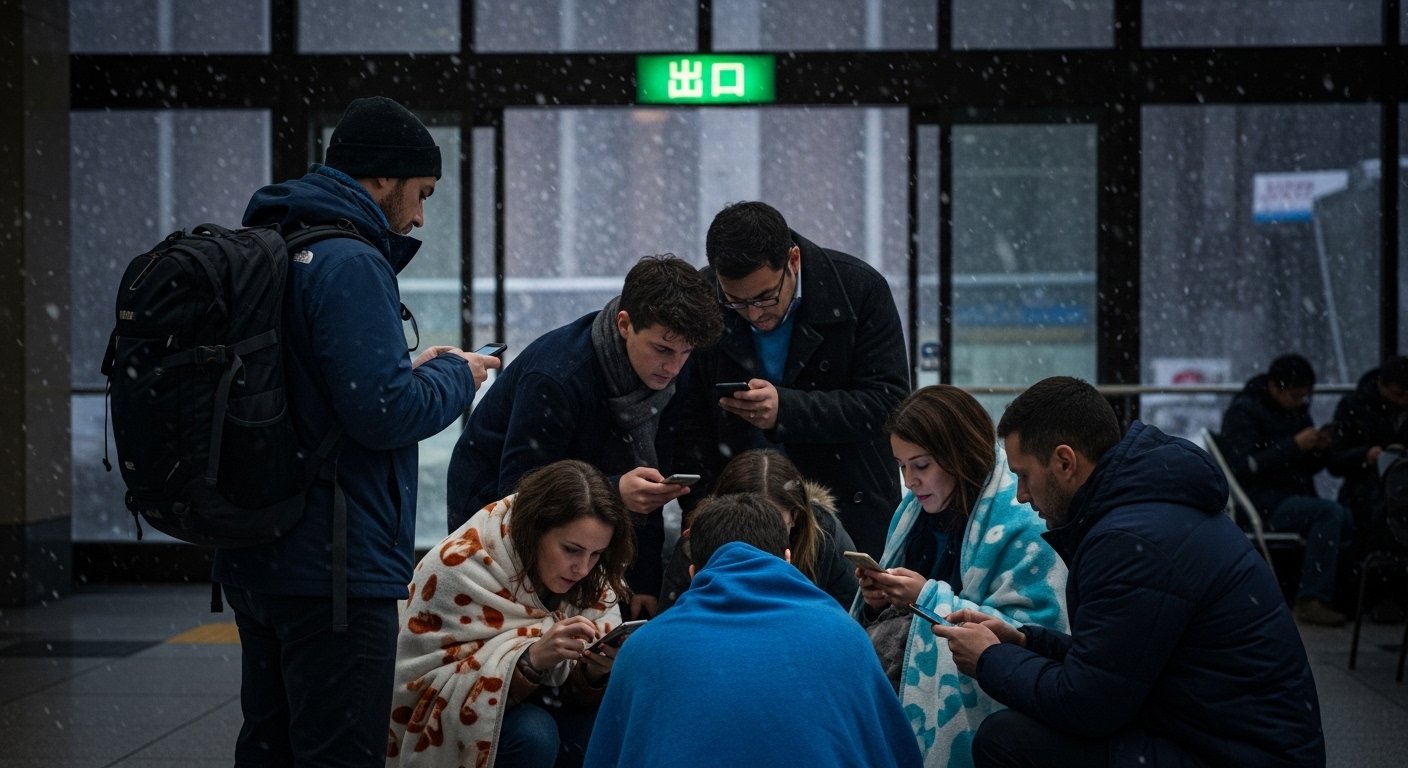
*Images used in this article are for illustration only. They may not be directly related to the content.
Don’t Get Stranded: Navigating Japan’s Winter Transport with Real-Time Snow Alerts & Safety
Planning a winter trip to Japan promises stunning snowscapes, world-class skiing, and cozy onsen. However, unfamiliarity with local snow warnings and transport disruption protocols can quickly turn anticipation into uncertainty. You’re not alone if you’re concerned about accessing real-time updates in English, the risk of getting stranded, or personal safety in heavy snow.
This comprehensive guide is your practical toolkit for navigating Japan’s winter transport. We’ll cut through the confusion, provide direct access to crucial English resources, and equip you with actionable steps to ensure your personal safety and informed travel decisions, even during rapidly changing winter weather conditions.
Table of Contents
- Understanding Japan’s Winter Weather Landscape
- Real-Time Transport Updates in English: Your Digital Toolkit
- Proactive Safety Measures for Winter Travel
- What to Do When Disruptions Strike: A Step-by-Step Guide
- 🇯🇵 Point & Speak: Essential Phrases for Snow Disruptions
- 📋 Quick Reference Card: Your Winter Travel Checklist
- Common Mistakes to Avoid During Winter Travel
- 🚨 Emergency Contacts
- Frequently Asked Questions
Understanding Japan’s Winter Weather Landscape
Japan experiences significant snowfall, particularly in specific regions. Knowing when and where to expect heavy snow is the first step in preparing for potential travel disruptions and ensuring your Japan winter transport safety.
When and Where to Expect Snow
Japan’s heavy snow season typically runs from December to March, with peak intensity in January and February. While even Tokyo can see snow, certain regions are renowned for exceptional snowfall and consequently, more frequent transport disruptions.
- Hokkaido: Japan’s northernmost island, known for deep powder snow and consistent cold.
- Tohoku Region: (e.g., Aomori, Akita) experiences heavy snow, especially along its Japan Sea coast.
- Japan Sea Coast (Hokuriku Region): (e.g., Niigata, Toyama, Ishikawa) receives immense snowfall due to Siberian winds.
- Mountainous Areas: Regions like Nagano and Gifu (around Shirakawa-go) are prone to heavy accumulation.
🎯 Local Pro-Tip: If your itinerary includes Hokkaido, the Hokuriku region, or major ski resorts in January/February, factor in extra time and be prepared for potential delays or cancellations. Your flexibility is your best asset.
Decoding JMA Snow Warnings: Japan’s Official Alerts
The Japan Meteorological Agency (JMA) is the official body responsible for issuing weather warnings and advisories. Understanding these is crucial for anticipating snow alerts in English and their potential impact on your journey.
Look for these key warnings:
- 大雪警報 (Ōyuki Keihō) – Heavy Snow Warning: Indicates a high probability of significant snowfall that could cause widespread disruptions, traffic bans, and danger to life and property. This is your primary alert for severe travel impact.
- 暴風雪警報 (Bōfūsetsu Keihō) – Blustery Weather Warning: Signals strong winds and heavy snow, leading to whiteout conditions and severe transport issues.
- 着雪注意報 (Chakusetsu Chūihō) – Snow Accumulation Advisory: Less severe than a warning, but advises caution for potential snow on power lines or trees.
Visual Cue: JMA warnings are typically displayed prominently on news channels, station screens, and official websites. On digital displays, “警報” (Keihō – Warning) will often appear in red or orange text, signaling urgent information.
Real-Time Transport Updates in English: Your Digital Toolkit
Accessing accurate, up-to-the-minute information is paramount when navigating Japan’s winter transport. While Japanese announcements can be rapid, several resources offer real-time train status Japan winter updates in English.
Official Railway & Airport Information Sources
Your primary sources for immediate updates are the official operators themselves. Bookmark these before you travel:
- Japan Meteorological Agency (JMA) English: https://www.jma.go.jp/jma/indexe.html
Reliability: Official. Essential for overall weather outlooks. - JR East Train Operation Info (English): https://traininfo.jreast.co.jp/en/
Reliability: Official. Covers Eastern Japan, including Tokyo, Tohoku, and parts of Nagano. - JR West Train Operation Info (English): https://trafficinfo.westjr.co.jp/en/kinki.html
Reliability: Official. Covers Western Japan, including Kyoto, Osaka, and Hokuriku. - JR Hokkaido Train Operation Info (English): https://www.jrhokkaido.co.jp/global/traffic/t_info/index.html
Reliability: Official. Crucial for travel within Hokkaido. - Other JR Companies: JR Central, JR Kyushu, JR Shikoku also have English sites, usually linked from their main Japanese portals. A quick search for “JR [region] English” will typically lead you there.
- Airport Websites: For flight information, always check the official website of the specific airport (e.g., Narita, Haneda, New Chitose, Kansai) directly. They provide real-time flight status updates.
Essential Travel Planning Apps
While not always providing real-time delay minutes, these apps are excellent for planning alternate routes and understanding train networks.
- HyperDia: https://www.hyperdia.com/en/
Reliability: Commercial. Good for planning, sometimes indicates known major disruptions. - Japan Transit Planner (Jorudan): https://world.jorudan.co.jp/mln/en/
Reliability: Commercial. Similar to HyperDia, useful for route planning. Many users find its interface intuitive.
🎯 Local Pro-Tip: Always cross-reference information from planning apps with official railway websites during winter. Apps may not reflect rapidly changing, hyper-local conditions as quickly as the operators themselves.
Visual Cues at Stations: What to Look For
Even without English announcements, stations provide clear visual indicators of disruption:
- Digital Display Boards: These show train numbers, destinations, and departure times. Look for red text, flashing messages, or characters like ‘遅延’ (chien – delay) or ‘運休’ (unkyū – cancellation). Sometimes a small English translation will scroll.
- Printed Announcements: Posters or printouts taped to ticket gates or information counters often detail service changes. Look for ‘お知らせ’ (oshirase – announcement) at the top. While in Japanese, the visual context (e.g., a train line diagram with a cross through it) can convey information.
- Staff Activity: Increased numbers of station staff, especially near ticket gates or platforms, often signal a disruption. They are there to manage crowds and provide information.
- Safety Markings: Orange or yellow safety cones and caution tape mark slippery areas. Signs reading ‘足元注意’ (ashimoto chūi – Caution: Slippery) or ‘除雪区域’ (josetsu kuiki – Snow Removal Area) indicate hazardous spots.
Proactive Safety Measures for Winter Travel
Minimizing Japan travel delays snow impact starts with adequate preparation. This includes appropriate gear and understanding regional specificities.
Essential Winter Gear: Stay Safe, Stay Warm
Personal safety concerns like slips, falls, and exposure are real in heavy snow.
- Non-Slip Footwear: This is non-negotiable. Sidewalks and station platforms can become extremely slippery due due to compacted snow and ice. Invest in waterproof boots with excellent grip.
- Layered, Waterproof Clothing: Japan’s winter can be surprisingly cold and wet. Layers allow you to adapt to indoor heating and outdoor conditions. A waterproof outer shell is essential.
- Warm Accessories: Hat, gloves, scarf are critical to prevent hypothermia, especially if you get stranded or spend unexpected time outdoors.
- Portable Charger: Your smartphone is your lifeline for updates. Keep it charged.

Driving in Snowy Regions: Essential Considerations
If you plan to drive, especially in Hokkaido, Tohoku, or mountain areas:
- Winter Tires (スタッドレスタイヤ – studless tires): Many roads in snowy regions legally require winter tires during winter months. Rental cars in these regions typically come equipped, but always confirm.
- Tire Chains (チェーン – chains): In extreme conditions or on specific mountain passes, tire chains may be mandatory. Familiarize yourself with how to install them, or avoid driving in such conditions.
- Check Road Conditions: Use online maps and local traffic advisories (often linked from prefectural websites) to check road closures or restrictions before departure.
Budgeting for Contingencies
Unforeseen delays can lead to unexpected accommodation costs, taxi fares, or rebooking fees. Consider these points:
- Flexible Bookings: If possible, choose flights and accommodations with flexible cancellation or change policies.
- Emergency Fund: Budget an additional 10-15% of your travel funds for unexpected expenses.
- Travel Insurance: Comprehensive travel insurance that covers trip delays, cancellations, and medical emergencies due to weather is highly recommended. Verify its terms regarding natural disasters.
What to Do When Disruptions Strike: A Step-by-Step Guide
When getting stranded Japan winter becomes a possibility, clear, actionable steps reduce helplessness.
-
Step 1: Check Official Sources Immediately
Your first move should be to consult the official railway company websites (JR East, West, Hokkaido, etc.) or airport websites. These provide the most accurate, real-time information on delays, suspensions, and resumption estimates.
Visual Cue: Look for “運行状況” (unkō jōkyō – operation status) or “遅延情報” (chien jōhō – delay information) sections on Japanese sites, or the English equivalents on the translated pages.
-
Step 2: Communicate Effectively with Staff
If online resources are unclear or unavailable, seek out station staff. They are your best direct source of information. Even with language barriers, they are generally highly professional and focused on safety. Use translation apps or the “Point & Speak” phrases below.
Visual Cue: Station staff wear distinctive uniforms (e.g., JR green). They are typically at ticket gates, information counters, or on platforms.
-
Step 3: Explore Alternatives, But Prioritize Safety
If your intended service is cancelled, ask about alternative routes (代替ルート – daitai rūto) or modes of transport (e.g., bus, taxi). Be aware that alternative transport will also be impacted by severe weather.
Important: If advised to stay put, do so. Trying to navigate unfamiliar, snow-bound areas on foot or finding alternative transport in whiteout conditions can be dangerous.
-
Step 4: Prioritize Safety & Warmth
If stuck for an extended period, focus on staying warm. Stations often have heated waiting areas. If outside, find shelter. Stay hydrated and fed. Convenience stores inside or near stations are usually well-stocked.
Cultural Context: While delays are frustrating, public displays of anger are rare in Japan. Patience and understanding are key when dealing with disruptions. Staff are doing their best in challenging circumstances.

🇯🇵 Point & Speak: Essential Phrases for Snow Disruptions
🇯🇵 Point & Speak
Show this section to staff if you’re stuck or need information. They can read the Japanese.
English: Is this train/bus delayed?
この電車/バスは遅れていますか?
(Kono densha/basu wa okurete imasu ka?)
English: When will it resume?
運行再開はいつですか?
(Unkō saikai wa itsu desu ka?)
English: Is there information in English?
英語の情報はありますか?
(Eigo no jōhō wa arimasu ka?)
English: I am stuck.
立ち往生しています。
(Tachiōjō shite imasu.)
English: Is it safe to walk?
歩いて安全ですか?
(Aruite anzen desu ka?)
📋 Quick Reference Card: Your Winter Travel Checklist
📋 Quick Reference Card
Screenshot or print this section for easy access:
- ✅ Monitor JMA Warnings: Check JMA English site regularly for “Heavy Snow Warning.”
- ✅ Bookmark Official JR Sites: Have JR East, West, Hokkaido links ready.
- ✅ Essential Apps: HyperDia/Jorudan for planning, translation apps for communication.
- ✅ Wear Proper Gear: Waterproof, non-slip footwear and warm layers are critical.
- ✅ Carry Portable Charger: Keep your phone alive for updates.
- ✅ Flexible Bookings: Consider changeable tickets/accommodation.
- ✅ Emergency Fund & Insurance: Be financially prepared for unforeseen expenses.
- ✅ Key Japanese Phrases: Use “Point & Speak” to communicate with staff.
- ✅ Be Patient & Polite: Japanese staff are working to resolve issues safely.
Common Mistakes to Avoid During Winter Travel
Being aware of common pitfalls can prevent stress and improve your Japan winter transport safety.
- Underestimating Snow Impact: Do not assume Shinkansen are immune to delays. While resilient, extreme conditions can cause speed restrictions or temporary suspensions. Local lines and buses are much more prone to cancellations.
- Ignoring Local Warnings: Even if you don’t understand Japanese, visual cues or translation apps can help you grasp the severity of a warning. Pay attention.
- Relying Solely on Google Maps for Real-Time: Google Maps is excellent for navigation but can sometimes be slow to update specific, immediate train/bus delays or cancellations in Japan compared to official operator sites.
- Wearing Inappropriate Footwear: Many tourists arrive with fashion boots or sneakers, which offer insufficient grip and waterproofing, leading to dangerous slips.
- Not Having Emergency Cash: While Japan is increasingly cashless, some small local businesses or alternative transport options (e.g., a local bus service taking a detour) might prefer or only accept cash.
- Over-scheduling: Packing too many destinations into a winter itinerary, especially across heavily snowy regions, leaves no buffer for delays. Build in flexibility.
🎯 Local Pro-Tip: If traveling to an isolated area like Shirakawa-go in peak winter, have backup plans. Access can be cut off for days. Consider booking accommodation with meals included, so you’re not forced to venture out for food if stranded.
🚨 Emergency Contacts
Knowing these numbers is essential for any emergency, especially when you might be feeling vulnerable due to severe weather or transport issues. The JNTO “Safety tips for travelers in Japan” app is also a recommended download for general emergency info.
🚨 Emergency Contacts
| Police | 110 |
| Ambulance/Fire | 119 |
| JNTO Hotline | 050-3816-2787 |
Police (110) and Ambulance/Fire (119) are free and work from any phone. JNTO Hotline is for tourist information in multiple languages, including emergencies.
Further general safety information can be found on the JNTO Staying Safe in Japan page or via the JNTO Safety Tips app.
Frequently Asked Questions
How reliable are Shinkansen bullet trains during heavy snow in Japan?
Shinkansen are designed to be highly resilient to snow. They often continue operating at reduced speeds during heavy snowfall. However, in extreme conditions, or for safety inspections, temporary suspensions or significant delays can occur. Always check official JR websites for real-time train status Japan winter updates.
What should I do if my train or flight is cancelled due to snow?
First, check official railway or airline websites for updates. If available, seek out staff at the station or airport. They can provide guidance on rebooking or alternative transport. If stranded, prioritize finding warm shelter and consider booking local accommodation for the night. Use your emergency fund and inform your travel insurance provider.
Are there specific apps for Japan snow alerts English?
The official Japan Meteorological Agency (JMA) website has an English version with detailed weather warnings and advisories. For transport, individual JR company websites (e.g., JR East, JR West, JR Hokkaido) offer English sections for operation status. While not exclusively snow alerts, these are your most reliable sources.
What kind of shoes are best for winter travel in Japan?
Waterproof boots with excellent traction are essential. Snow-covered sidewalks and platforms can quickly become icy and extremely slippery. Avoid smooth-soled fashion boots or sneakers, as these greatly increase the risk of falls and injury.
Should I consider travel insurance for my winter trip to Japan?
Yes, comprehensive travel insurance is highly recommended. It can cover costs associated with trip delays, cancellations, unexpected accommodation due to being stranded, and medical emergencies. Review policy details to ensure it covers natural disaster-related disruptions.
Conclusion
Navigating Japan’s winter transport during snowfall requires proactive preparation and access to reliable information. By understanding JMA warnings, utilizing official English-language resources, equipping yourself with appropriate gear, and knowing actionable steps for disruptions, you significantly reduce friction.
Stay informed, stay safe, and embrace the unique beauty of Japan’s winter landscapes with confidence. Your journey through Japan’s winter wonderland can be both safe and memorable.
Disclaimer
This guide provides general information based on current knowledge and verified data. Weather conditions and transport protocols can change. Always refer to official Japanese government and transport operator websites for the most current and specific information regarding your travel plans. Personal safety is paramount; always follow local advisories and instructions from authorities.