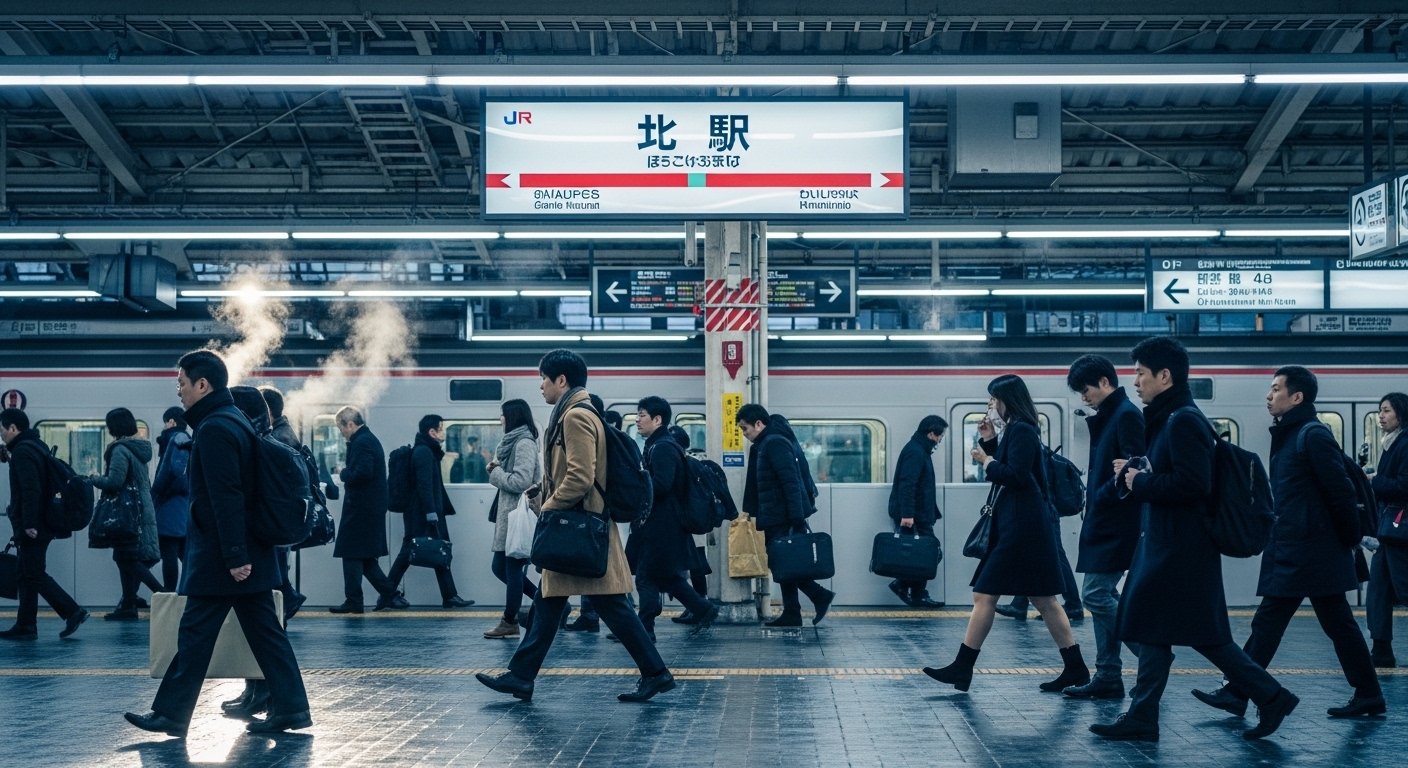
*Images used in this article are for illustration only. They may not be directly related to the content.
Japan Winter Transport Safety: Navigating Snow & Ice Delays with Real-Time Updates
Planning a winter trip to Japan often conjures images of pristine snowscapes and cozy onsen. However, navigating the country’s otherwise world-renowned transport system when snow and ice hit can introduce unexpected challenges. Unexpected delays, difficulty finding information in English, and slippery conditions are common pain points for international visitors.
This guide from your Japan Local Fixer provides practical strategies and essential resources to help you stay informed, safe, and minimize disruptions during Japan’s winter season. We’ll equip you with the knowledge to handle snow and ice-related transport issues, find real-time updates, and ensure your journey remains smooth.
Table of Contents
- Understanding Japan’s Winter Transport Challenges
- Proactive Strategies for Safe Winter Travel
- Your Real-Time Information Toolkit
- Navigating Icy Conditions: Safety First
- 🇯🇵 Point & Speak: Essential Japanese Phrases
- What to Do if Stranded or Facing Major Delays
- 📋 Quick Reference Card
- Common Mistakes to Avoid
- 🚨 Emergency Contacts
- Frequently Asked Questions
- Conclusion
Understanding Japan’s Winter Transport Challenges
Japan’s winter season, from roughly December to March, significantly increases the risk of transport disruptions. While major railway companies like the JR Group are highly efficient, even their robust operations can be affected.
Regional Differences in Snow Impact
Northern Japan (Hokkaido, Tohoku), the Japan Sea coast, and mountainous areas face the highest risk of heavy snowfall and blizzard conditions. In these regions, local train lines and bus services are particularly susceptible to extensive delays and outright cancellations. This means alternative transport might be severely limited or unavailable.
Even major cities like Tokyo, though less prone to heavy snow, can experience significant system-wide disruptions with even light accumulation. This is often due to a lack of specialized snow equipment and the sheer volume of daily commuters.
The Shinkansen vs. Local Lines
Shinkansen lines often feature advanced snow-clearing plows and track heating systems. However, severe snowfall, strong winds, or ice can still necessitate speed restrictions or temporary halts for safety. Local lines, especially older ones or those in rural areas, lack these sophisticated measures, making them more vulnerable to prolonged delays and cancellations.
The primary pain points for international visitors remain the unexpected nature of these disruptions and the struggle to find timely, English-language information.
Proactive Strategies for Safe Winter Travel
Preparation is your best defense against winter transport disruptions in Japan. A proactive approach can mitigate stress and unexpected costs.
Before You Travel: Research & Preparation
- Monitor Weather Forecasts: Regularly check the Japan Meteorological Agency (JMA) for snow warnings and advisories. Understanding the forecast for your travel days is crucial.
- Build Buffer Time: Always factor in significant extra time, especially for travel days. This is critical if you have connecting flights or tight schedules.
- Book Flexibly: Where possible, choose accommodation and transport options that offer flexible cancellation or rebooking policies. This provides peace of mind if plans change.
- Pack Appropriately: Invest in waterproof, non-slip footwear. Icy platforms and sidewalks are a major safety concern. Layered clothing and warm outerwear are also essential.
- Consider Travel Insurance: Ensure your travel insurance covers delays and cancellations due to extreme weather. Review policy details carefully for specific exclusions.
- Emergency Essentials: Always carry a fully charged phone, a portable power bank, some emergency cash (especially in rural areas), basic snacks, water, and any necessary medications.
🎯 Local Pro-Tip: For multi-day trips involving significant regional travel, a Japan Rail Pass might be cost-effective. However, for shorter, regional trips in snow-prone areas, consider point-to-point tickets or regional passes. They can sometimes offer more flexibility if a specific line is completely shut down, as refunds or alternative routes for JR Passes can be complex.
During Your Journey: Real-Time Information & Navigation
Once your journey begins, staying informed is paramount. Utilize the available tools and don’t hesitate to seek assistance.
- Check Official Websites: Major railway companies provide real-time operational status updates on their English websites. These are your most reliable sources.
- Utilize Travel Apps: Google Maps, Jorudan, and HyperDia offer public transport layers that often integrate delay information, though this can sometimes lag behind official sources.
- Observe Station Visuals: Digital display boards and paper notices at stations are key indicators of delays or cancellations. Learn to recognize the common Japanese terms.
- Engage Station Staff: If in doubt, approach station staff. Even with a language barrier, pointing to your destination or using simple phrases can often get you the information you need.
Your Real-Time Information Toolkit
Accessing accurate, up-to-the-minute information is critical when snow and ice affect transport. Here are your go-to resources in English.
Essential Online Resources
- JR East Operation Info (English): jreast.co.jp/train_info/e/index.aspx
Reliable updates for services primarily in the Kanto (Tokyo) and Tohoku regions. - JR West Operation Info (English): trafficinfo.westjr.co.jp/en/kinki.html
Covers services in the Kansai (Osaka, Kyoto) and Chugoku regions. - JR Hokkaido Operation Info (English): jrhokkaido.co.jp/global/traffic/index.html
Crucial for travel within Hokkaido, Japan’s snowiest major island. - Japan Meteorological Agency (JMA) Weather Warnings (English): jma.go.jp/jma/indexe.html
The official source for weather forecasts, warnings, and advisories across Japan. - Google Maps (with public transport layer): maps.google.com
Useful for visualizing routes and sometimes displays real-time delays, especially in major cities. - Japan Transit Planner (Jorudan): jorudan.co.jp/english/
Comprehensive route searches, including transfer information and occasional delay notices. - HyperDia: hyperdia.com/en/
Another popular route planner, though some advanced features may require a subscription.
Decoding Station Announcements & Visual Cues
Understanding what to look for at a station can provide immediate insights into transport status, even before checking your phone.
Step 1: Scan Digital Display Boards
Visual cue: Large electronic screens usually above ticket gates, on platforms, or near information counters. They cycle through train status updates.
What to do: Look for key Japanese words: 遅延 (chien) means “delay” and 運休 (unkyū) means “cancellation” or “service suspended.” Major boards often show these in English as well.
Step 2: Check for Paper Notices (お知らせ)
Visual cue: Printed signs, often red or yellow, posted on walls, pillars, or glass at ticket gates and platforms. These are labeled お知らせ (oshirase).
What to do: These notices detail significant disruptions. For major issues, they may include English translations. Look for your line or destination.

Step 3: Locate Station Staff
Visual cue: Staff wearing dark blue or gray uniforms with the company logo. They are typically at ticket gates, information counters (案内所, annaijo – often marked with a green ‘Information’ sign), or patrolling platforms.
What to do: Approach staff for direct assistance. Use a translation app or the Japanese phrases provided later in this guide.

Step 4: Identify Safety Warnings on the Ground
Visual cue: Yellow or orange hazard signs on the ground, often with the text 足元注意 (ashimoto chūi – watch your step). You might also see bags of sand (砂, suna) with scoops near exits or on platforms.
What to do: These indicate slippery surfaces. Walk slowly and deliberately. If available, apply sand to improve traction.

Navigating Icy Conditions: Safety First
Winter conditions aren’t just about transport delays; they also pose significant personal safety risks, especially on station platforms and sidewalks.
- Wear Appropriate Footwear: Your shoes should have good grip and be waterproof. Smooth-soled shoes are dangerous on ice.
- Walk Slowly and Deliberately: Take smaller steps and focus on maintaining your balance. Avoid rushing, especially when carrying luggage.
- Watch for Black Ice: This invisible ice layer is treacherous. Assume all wet-looking surfaces might be icy.
- Use Handrails: Whenever available, utilize handrails on stairs, escalators, and ramps.
- Be Mindful of Surroundings: Japan’s platforms can be crowded. Be aware of others, especially when navigating slippery areas.
- Don’t Hesitate to Ask: If a surface looks questionable, use a phrase like “Is it slippery here?” to staff.
🇯🇵 Point & Speak: Essential Japanese Phrases
Show this section to staff if you’re stuck. They can read the Japanese.
English: Is this train/bus delayed?
この電車/バスは遅れていますか?
(Kono densha/basu wa okurete imasu ka?)
English: Is this train/bus cancelled?
この電車/バスは運休ですか?
(Kono densha/basu wa unkyū desu ka?)
English: Is there an alternative route to [Destination]?
〜(行き先)〜までの代替ルートはありますか?
(~ (ikisaki) ~ made no daitai rūto wa arimasu ka?)
English: Where can I find real-time information in English?
英語のリアルタイム情報はどこで見られますか?
(Eigo no riaru taimu jōhō wa doko de miraremasu ka?)
English: Is it slippery here?
ここは滑りやすいですか?
(Koko wa suberiyasui desu ka?)
English: I’m stranded. Is there accommodation nearby?
立ち往生しています。近くに宿泊施設はありますか?
(Tachiōjō shite imasu. Chikaku ni shukuhaku shisetsu wa arimasu ka?)
What to Do if Stranded or Facing Major Delays
Even with the best preparation, severe winter weather can sometimes leave you stranded or cause significant disruption to your plans. Knowing how to react is key.
Stay Informed & Patient
First, continuously monitor official information channels. Japanese transport staff are known for their dedication and will do their best to assist. Patience and understanding are important, as options might be limited during extreme weather events. Avoid confrontational behavior, which is not culturally appropriate and will not expedite a solution.
Seek Assistance
- Station Staff: Your primary resource. They can provide updates, suggest alternative routes (if any), and sometimes assist with rebooking. Larger stations may have staff who speak some English, or they can use translation tools.
- Tourist Information Centers: Found in major stations and cities, these centers often have multilingual staff who can help with re-planning itineraries, finding accommodation, or offering advice.
- Translation Apps: Tools like Google Translate (especially its camera function for signs) can be invaluable for understanding notices or communicating with staff.
Accommodation & Alternatives
If you are truly stranded and overnight travel is impossible:
- Nearby Accommodation: Ask station staff if there are any hotels or guesthouses nearby. Use the “I’m stranded. Is there accommodation nearby?” phrase. Major transport hubs often have business hotels within walking distance.
- Taxis: Taxis are an option for shorter distances, but they can be expensive, especially during a snow event. They may also be scarce.
- Flexibility is Key: Be prepared to adjust your itinerary significantly. This might mean an unexpected overnight stay or a complete change of plans.
- Refunds/Alternative Routes: For major disruptions, JR companies may offer partial refunds or guide you toward alternative routes. This is typically handled on a case-by-case basis at station ticket counters. Keep your tickets.
📋 Quick Reference Card: Japan Winter Transport Safety
Screenshot or print this section for easy access:
- ✅ Always check JMA Weather Warnings.
- ✅ Use official JR company websites for real-time updates (English available).
- ✅ Look for 遅延 (Delay) & 運休 (Cancelled) on station boards.
- ✅ Wear waterproof, non-slip shoes. Walk slowly on platforms.
- ✅ Carry charged phone, power bank, some cash, basic snacks.
- ✅ Have key Japanese phrases ready for staff.
- ✅ Allow significant buffer time in your itinerary.
- ✅ Police: 110 / Ambulance/Fire: 119
Common Mistakes to Avoid
Preventing issues often comes down to avoiding common pitfalls many travelers experience during Japan’s winter.
- Underestimating Winter’s Impact: Japan’s efficiency is legendary, but extreme weather is an exception. Do not assume minor snow won’t cause delays.
- Ignoring Real-Time Updates: Relying solely on your original itinerary without checking current conditions is risky. Active monitoring is essential.
- Rigid Itineraries: Scheduling back-to-back connections or critical appointments on heavy travel days during winter months can lead to significant stress and missed opportunities.
- Lack of Emergency Supplies: Going out without a charged phone, power bank, or some cash can leave you vulnerable if stranded.
- Inappropriate Footwear: Slipping on ice is a common, avoidable injury. Proper shoes are non-negotiable for winter travel.
🚨 Emergency Contacts
| Police | 110 |
| Ambulance/Fire | 119 |
All numbers are free and work from any phone. For non-emergencies or general travel help, contact your embassy or consulate.
Frequently Asked Questions
Can Shinkansen (bullet trains) be cancelled due to snow in Japan?
While Shinkansen are highly resilient, severe snowfall, strong winds, or icy conditions can cause speed restrictions, significant delays, or, in rare cases, temporary cancellations. Always check official JR websites for the latest status.
How can I check train status in English during winter in Japan?
The most reliable sources are the official English-language operation information pages for JR East, JR West, and JR Hokkaido. Google Maps, Jorudan, and HyperDia can also provide updates, but official sources are best for critical information.
What should I do if I miss a connecting flight due to a snow-related train delay?
Contact your airline immediately. Depending on your ticket type and travel insurance, you might be eligible for rebooking or compensation. Gather documentation of the train delay from station staff (e.g., a “delay certificate” if available in Japanese).
Is travel insurance necessary for winter travel in Japan?
Yes, highly recommended. Travel insurance that specifically covers weather-related delays, cancellations, and unexpected overnight stays can save you significant money and stress if your plans are disrupted by snow or ice.
What if I get stuck in a rural area in Japan due to heavy snow?
Seek assistance from local station staff or at the nearest facility. Use translation apps for communication. Rural areas may have limited accommodation, so prepare for the possibility of a longer wait or needing to adapt your plans significantly. Local tourist information centers can also be helpful.
Conclusion
Japan’s winter landscapes are beautiful, and with proper planning, your travel can be just as rewarding. By understanding potential challenges, utilizing real-time information sources, prioritizing personal safety, and preparing for the unexpected, you can minimize friction and enjoy your winter adventure.
Stay informed, stay safe, and embrace the unique experience of winter travel in Japan.
Planning is your greatest tool. Ensure you have the right information at your fingertips, and you’ll navigate any snow or ice delays with confidence.
Consider linking to related Safety articles like: “Essential Winter Clothing for Japan Travel” or “Understanding Japanese Train Stations: A First-Timer’s Guide”
Disclaimer: This guide provides general advice. Weather conditions can change rapidly, and transport situations are dynamic. Always refer to official sources for the most current information. Personal safety is your responsibility; exercise caution in icy conditions.