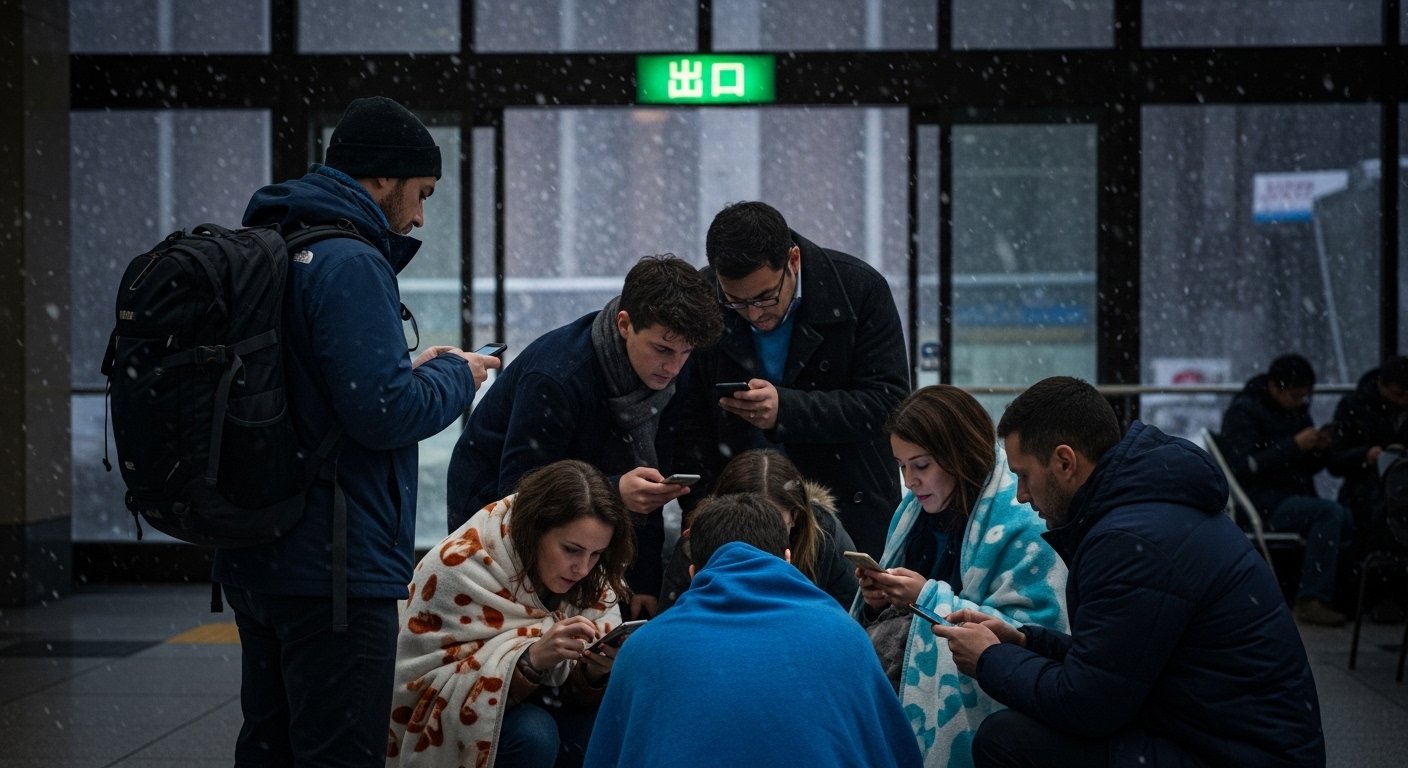
*Images used in this article are for illustration only. They may not be directly related to the content.
Japan Winter Transport Safety: Real-time Updates, Ice Hazards & Backup Plans
Planning winter travel in Japan promises breathtaking landscapes, from snowy Hokkaido vistas to serene Gifu villages. However, the beauty of winter also introduces transport challenges. Unexpected snow or ice can lead to delays, cancellations, and disruptions that impact your travel plans. Accessing real-time information in English and knowing how to react is crucial for a smooth journey.
This guide is designed to remove that friction. We’ll provide you with practical strategies to proactively manage winter transport disruptions in Japan. You’ll learn how to check real-time status updates, navigate icy conditions safely, and build robust backup plans to avoid getting stranded or missing critical connections. Prepare for Japan’s winter with confidence.
Table of Contents
Navigating Japan’s Winter Transport Challenges
Japan’s winter season, generally from December to March, increases the risk of transport disruptions due to snow and ice. While Japan is renowned for its efficiency, even moderate snowfall or ice accumulation can impact services, especially in specific regions. Understanding these challenges is the first step in effective preparation for your Japan winter transport safety.
Why Winter Disruptions Hit Hard
Unlike some countries, Japan’s railway operators, including the JR Group and private lines, prioritize safety above all else. This means services are frequently suspended or significantly delayed if conditions are deemed unsafe. This preventative approach, while ensuring passenger safety, can lead to unexpected itinerary changes for travelers.
Regions most susceptible to these disruptions include northern Honshu (Tohoku), Hokkaido, and mountainous areas such as Nagano, Gifu, and along the Sea of Japan coast. Specific Shinkansen lines like the Hokuriku Shinkansen (Nagano to Kanazawa/Fukui), Tohoku Shinkansen, and Hokkaido Shinkansen are particularly prone to snow delays. Local lines in these heavy snow areas often experience frequent cancellations.
The Language Barrier in Crisis
When delays or cancellations occur, real-time status updates are primarily disseminated through official railway company websites, dedicated apps, and station announcements. The most comprehensive information is always in Japanese. While major JR companies (JR East, JR West, JR Hokkaido) offer limited English status pages during significant disruptions, these may not be as immediate or detailed as their Japanese counterparts. This language barrier can make understanding your situation and finding alternative solutions challenging.

Navigating Icy Conditions Safely
Beyond transport delays, physical safety is a significant concern. Icy platforms, sidewalks, and stairs, especially outside major city centers, pose a real risk of slips and falls. Japan takes safety seriously, with staff often clearing snow and ice, but vigilance is still required. Appropriate footwear with good grip is not merely a comfort item; it is a critical safety essential.

Your Proactive Winter Transport Strategy
Mitigating the impact of winter transport disruptions in Japan requires a multi-faceted approach. Here’s a step-by-step guide to help you stay informed, safe, and flexible.
Step 1: Monitor Weather & Warnings
Visual cue: Check weather apps on your phone or local news channels.
What to do: Before and during your trip, make it a habit to check weather forecasts for your travel regions. The Japan Meteorological Agency (JMA) provides official weather warnings and advisories for heavy snow, blizzards, and freezing rain in English. These warnings often precede transport disruptions by several hours or a day, serving as an early indicator. Pay attention to sudden drops in temperature, as freezing rain can be particularly dangerous.

Step 2: Access Real-time Transport Updates (English Links)
Visual cue: Look for staff with “案内” (annai – information) signs or digital display boards at stations.
What to do: Bookmark these official English-language resources. While they might lag Japanese versions slightly, they are your primary source for updates.
- JR East Service Status (English)
- JR West Service Status (English)
- JR Hokkaido Train Status (English)
For broader route planning and some integrated real-time data, utilize commercial apps:
- Japan Transit Planner (Jorudan)
- Google Maps (can integrate some real-time data)
At stations, digital display boards will often flash ‘遅延’ (chien – delay) or ‘運休’ (unkyū – cancelled) in red or yellow. Sometimes, English translations are provided. Paper notices at ticket gates or platform entrances will detail disruptions; look for keywords like ‘雪の影響’ (yuki no eikyō – snow impact) or ‘大雪’ (ōyuki – heavy snow).

🎯 Local Pro-Tip: Always download offline maps for your planned routes, especially in rural areas. Cell service can be spotty, and a charged power bank is indispensable. Consider a portable Wi-Fi device or eSIM for consistent connectivity.
Step 3: Plan for Physical Safety
Visual cue: Observe locals’ footwear and watch for ‘滑りやすい’ (slippery) warning signs.
What to do: Prioritize appropriate footwear. Opt for boots with good grip and waterproof properties. Be extra vigilant when navigating station platforms, stairs, and pedestrian areas. Carry minimal luggage on slippery surfaces if possible. Use handrails on stairs and escalators. Take smaller, shuffling steps on potentially icy patches to maintain balance.

Step 4: Develop Backup Plans
Visual cue: Identify alternative transport methods or nearby accommodation options on a map.
What to do:
- Flexibility is Key: Avoid tight connections during winter, especially for long-distance travel or when transiting through snow-prone regions. Build buffer time into your itinerary.
- Alternative Routes: Research alternative routes to your destination in advance. Sometimes, a different Shinkansen line, a local train, or even a highway bus might be less affected.
- Accommodation Options: Have a list of nearby hotels or ryokans at major transit hubs. If you’re stranded overnight, knowing where to go saves time and stress.
- Travel Insurance: This is highly recommended for winter travel. Ensure your policy specifically covers transport delays, cancellations, emergency accommodation, and rebooking fees due to ‘weather events’ or ‘natural disasters.’ Review policy details carefully before your trip.
Consider the potential for unexpected overnight stays. Last-minute accommodation can be expensive and fully booked during disruptions. A quick search for hotels near major stations in your itinerary can be a valuable pre-trip exercise.

Step 5: What to Do If Stranded
Visual cue: Look for station staff (white caps) or information counters.
What to do: If your train or bus is cancelled or severely delayed, remain calm.
- Approach Staff: Seek out station staff immediately. They are your primary resource. Use the Japanese phrases provided below if language is a barrier.
- Check Official Updates: Use the official railway apps/websites mentioned above for the latest information.
- Rebooking: If a ticket is cancelled, you are typically entitled to a full refund. Staff can assist with rebooking for the next available service or suggest alternatives. Be prepared for potentially long queues.
- Accommodation: If an overnight stay is required, ask staff if the railway company provides assistance (rare, but possible in extreme cases) or recommendations for nearby accommodation.
- Inform Contacts: Let your hotel, next destination, and travel companions know about your situation.
Be aware that during widespread disruptions, alternative transport like taxis or buses will also be heavily impacted or unavailable. Patience and preparedness are your best assets.

Essential Japanese Phrases for Winter Delays
When communication is critical, these phrases can help bridge the language gap. Show this section to staff if you’re stuck.
🇯🇵 Point & Speak
Show this section to staff if you’re stuck. They can read the Japanese.
English: Is this train/bus delayed?
この電車/バスは遅れていますか?
(Kono densha/basu wa okurete imasu ka?)
English: Is it cancelled?
運休ですか?
(Unkyū desu ka?)
English: When is the next train/bus?
次の電車/バスは何時ですか?
(Tsugi no densha/basu wa nanji desu ka?)
English: Are there alternative routes?
代替ルートはありますか?
(Daitai rūto wa arimasu ka?)
English: It’s slippery here.
ここ、滑りやすいです。
(Koko, suberi yasui desu.)
Staying Safe on Icy Surfaces
Physical safety is paramount when traveling in Japan during winter. Icy conditions are a genuine hazard, leading to slips, falls, and potential injuries. Being prepared and vigilant can prevent accidents.
- Footwear is Critical: Invest in waterproof boots with excellent traction. Look for soles with deep treads or materials designed for ice grip. Avoid smooth-soled shoes.
- Walk with Caution: On icy platforms, stairs, or sidewalks, take small, deliberate steps. Avoid rushing, especially when carrying luggage.
- Use Handrails: Always use handrails on stairs, escalators, and ramps.
- Observe Your Surroundings: Watch where locals walk. They often know the safest paths. Look for areas that have been cleared or gritted.
- Report Hazards: If you notice an unusually dangerous icy patch, especially in a high-traffic area, discreetly inform station staff.

Common Mistakes to Avoid in Japan’s Winter
Being aware of common pitfalls can significantly reduce travel stress during Japan’s colder months.
- Underestimating Winter’s Impact: Don’t assume Japan’s efficiency overrides natural phenomena. Snow and ice cause disruptions, even for the Shinkansen.
- Ignoring Weather Forecasts: Failing to check JMA warnings can lead to being caught off-guard by heavy snow or freezing rain.
- Tight Itineraries: Scheduling back-to-back train connections, especially in snow-prone regions, is a recipe for missed connections and frustration.
- Lack of Proper Footwear: Wearing fashionable but impractical shoes can lead to painful slips and falls, particularly on icy platforms.
- No Travel Insurance: Neglecting to purchase comprehensive travel insurance that covers weather-related disruptions can lead to significant out-of-pocket expenses for rebookings or emergency accommodation.
- Solely Relying on English Info: While English resources exist, they may not be as immediate or comprehensive as Japanese versions. Have a translation app ready or be prepared to ask staff for help.

Emergency Contacts for Peace of Mind
Knowing who to call in a crisis is fundamental for your Japan winter transport safety. Save these numbers in your phone.
🚨 Emergency Contacts
| Police | 110 |
| Ambulance/Fire | 119 |
| Emergency Translation/Help (JNTO) | 050-3816-2787 |
All numbers are free and work from any phone. The JNTO line offers assistance in English, Chinese, Korean, and Thai.
For non-emergencies but needing assistance, Japan National Tourist Organization (JNTO) offers Safety Tips for Travelers which includes a hotline number for tourist information and basic assistance (different from the emergency translation service).
Frequently Asked Questions (FAQ)
How reliable are English updates for Japan train delays?
English updates on official JR websites are reliable but may experience a slight delay compared to Japanese versions. For the most immediate information, check Japanese sites (using translation tools if needed) or ask station staff directly.
What regions in Japan are most affected by winter transport disruptions?
Hokkaido, northern Honshu (Tohoku region), and mountainous areas like Nagano and Gifu, particularly along the Sea of Japan coast, are most prone to heavy snowfall and ice-related transport delays and cancellations. Specific Shinkansen lines like Hokuriku, Tohoku, and Hokkaido Shinkansen are also susceptible.
(
Should I buy travel insurance for winter travel in Japan?
Yes, travel insurance is highly recommended. Ensure your policy explicitly covers transport delays, cancellations, and associated costs (e.g., emergency accommodation, rebooking fees) due to ‘weather events’ or ‘natural disasters.’ Review the policy’s terms carefully.
What should I do if my Shinkansen is cancelled due to snow?
If your Shinkansen is cancelled, proceed to the ticket counter. You are generally entitled to a full refund or can rebook your ticket for the next available service. Be prepared for potential queues and consider alternative transport options if available and practical. Always ask staff for guidance.
Are taxis a good backup option if trains are cancelled in winter?
Taxis can be an option for short distances, but during heavy snow or widespread cancellations, they will also be difficult to find and very expensive for longer journeys. Roads may also be impacted by snow and ice, making taxi travel slow or unsafe. They are not a reliable primary backup for long-distance travel in severe winter conditions.
Conclusion
Navigating Japan’s winter transport system requires preparation and vigilance. By proactively monitoring weather, utilizing real-time information sources, prioritizing physical safety, and developing robust backup plans, you can significantly mitigate the challenges posed by snow and ice. While disruptions can be inconvenient, being informed and ready allows you to adapt and continue your journey safely.
Travel smart, stay safe, and enjoy the unique beauty of Japan’s winter wonderland.
Disclaimer
This guide provides general information based on current knowledge and common practices as of January 2026. Transport conditions, policies, and available services can change. Always verify information with official sources and local authorities, especially during rapidly evolving weather events. Your safety is your responsibility; exercise caution and judgment at all times.