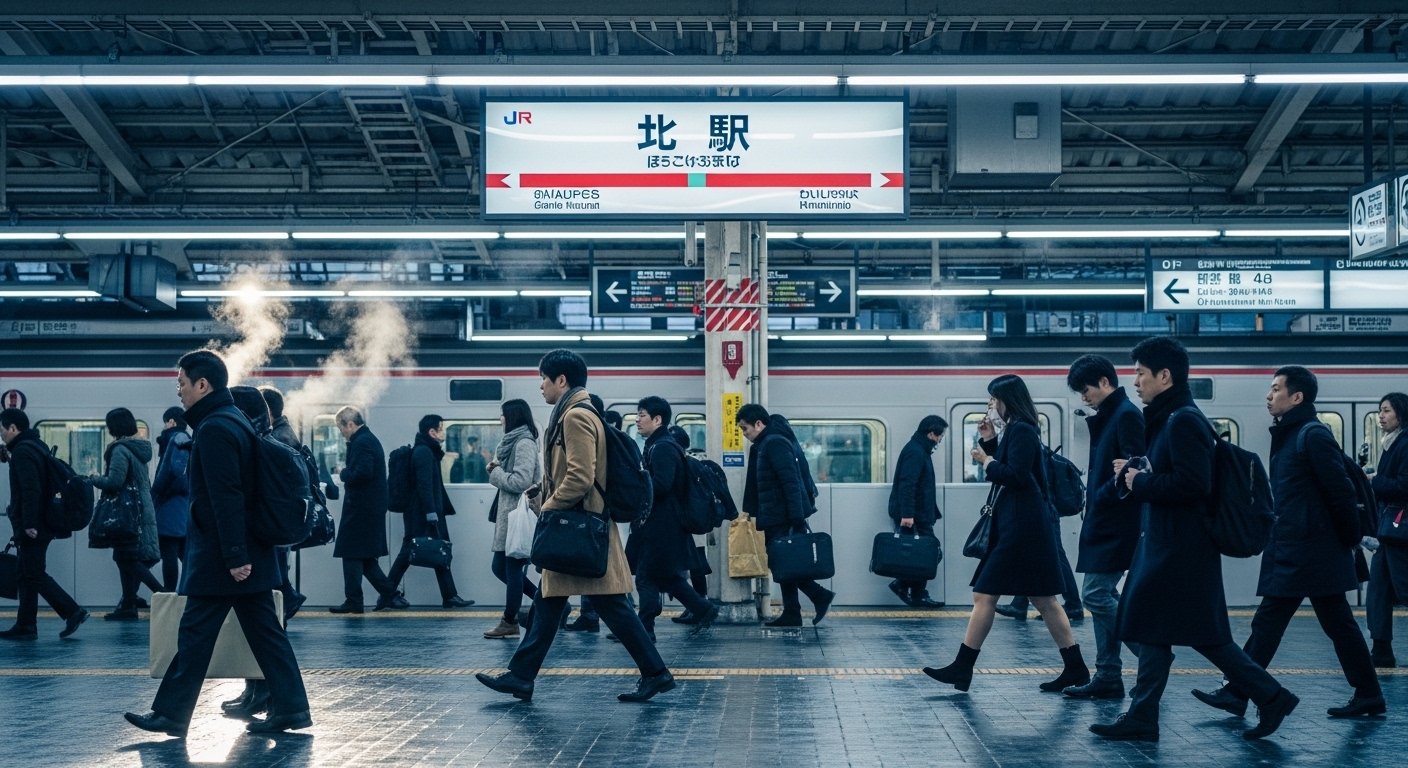
*Images used in this article are for illustration only. They may not be directly related to the content.
Japan Winter Travel Safety: Real-Time Transport Updates & Backup Plans
Winter in Japan offers stunning landscapes and unique experiences, but unexpected snow and ice can disrupt travel. Feeling anxious about potential itinerary changes, struggling to find real-time transport information in English, or worrying about what to do if you’re stranded are common concerns for international visitors. This guide cuts through the uncertainty, providing you with practical strategies, essential resources, and clear backup plans to ensure your winter journey through Japan remains smooth and safe.
You’ll learn how to proactively monitor conditions, access up-to-date information for trains, flights, and buses, and execute contingency plans like finding alternative routes or emergency accommodation. Equip yourself with the knowledge to navigate Japan’s snowy transport system with confidence, transforming potential stress into manageable challenges.
Table of Contents
- Understanding Winter Travel Challenges in Japan
- Proactive Planning: Your First Line of Defense
- Real-Time Updates: Your Key to Staying Informed
- Developing Backup Plans for Disruptions
- What to Do If You Are Stranded
- 🇯🇵 Point & Speak: Essential Japanese Phrases for Disruptions
- 🚨 Emergency Contacts for Japan Travelers
- Common Mistakes to Avoid During Japan Winter Travel
- 📋 Quick Reference Card for Winter Travel Disruptions
- Frequently Asked Questions
Understanding Winter Travel Challenges in Japan
Japan’s winter, primarily from December through March, brings heavy snow, blizzards, and freezing rain, especially in regions like Hokkaido, Tohoku, Hokuriku, and along the Japan Sea coast. While Japan’s transport network is robust, these conditions can lead to significant delays and cancellations.
The primary challenge for international visitors is often the accessibility of real-time information. While major operators like JR (Japan Railways) offer English updates, many smaller regional lines and local bus services may not. This language barrier can create significant friction when trying to re-plan on the fly.
Unexpected disruptions also carry budget concerns. Emergency accommodation, rebooked tickets (especially with budget airlines or specific fare types), or resorting to more expensive alternative transport like taxis can quickly add up. Understanding these potential challenges allows you to plan more effectively for a smoother trip.
🎯 Local Pro-Tip: Always assume winter travel to snow-prone regions may incur delays. Factor in extra buffer days, especially if you have tightly scheduled connections or international flights. Flexibility is your most valuable asset.
Proactive Planning: Your First Line of Defense
Mitigating winter travel risks starts before you even leave home. Thorough preparation can prevent stress and unexpected costs.
1. Purchase Comprehensive Travel Insurance
Travel insurance that specifically covers delays, cancellations, and emergency accommodation due to weather is highly recommended for winter travel in Japan. Review policy details carefully to understand what is covered.
2. Download Essential Apps and Tools
Equip your smartphone with these critical resources:
- Japan Transit Planner (Jorudan) & NAVITIME Transit: These apps aggregate data from multiple operators, offering real-time delays, cancellations, and alternative routes. While generally reliable, very local bus lines might have limited integration.
- Translation Apps: Google Translate or DeepL can assist with Japanese text on signs or when communicating with staff who may not speak English. Download offline language packs.
- Japan Meteorological Agency (JMA): The official source for weather warnings and forecasts in English. Check this regularly before and during your trip. JMA English Website

3. Secure a Data-Enabled Phone
Having consistent internet access is non-negotiable for real-time updates. Consider a local SIM card, eSIM, or portable Wi-Fi device. Many Japanese airports offer rental options.
4. Pack Appropriately
Winter in Japan can be very cold, especially in snowy regions. Pack warm layers, waterproof outer clothing, insulated boots with good grip, hats, gloves, and scarves. Being comfortable makes any delay more bearable.
Real-Time Updates: Your Key to Staying Informed
Knowing where to look for current operational information is crucial when facing winter disruptions. Prioritize official sources and reliable aggregator apps.
For Train Travel (Shinkansen & Local Lines)
Major disruptions often lead to cancellations or significant delays. Shinkansen lines are generally robust but can be affected by heavy snow or high winds.
- Official JR Websites: These are the most reliable. Look for a section titled ‘運行情報’ (unko jouhou – operation information). Most major JR companies provide English versions:
- JR East: Train Operation Information (English)
- JR West: Train Operation Information (English)
- JR Central (Tokaido Shinkansen): Train Operation Information (English)
- JR Hokkaido: Train Operation Information (English)
Visual cue: On websites, during disruptions, a prominent red or yellow banner with “運行情報” is usually displayed at the top or on the homepage.
- Transit Apps (NAVITIME / Jorudan): These apps often show delays and cancellations aggregated from various train companies, including private railways. They can also suggest alternative routes automatically.
Visual cue: Look for red text or exclamation marks next to train lines or departure times within the app.
- Station Information Boards: Large electronic display boards at stations show departure/arrival times. During disruptions, look for red text or symbols indicating ‘遅延’ (chien – delay) or ‘運休’ (unkyū – cancelled).
Visual cue: These boards are typically bright, centrally located, and cycle through multiple languages, sometimes including English.

For Air Travel
Flight cancellations due to snow are common in northern Japan, especially at airports like New Chitose (Sapporo).
- Airline Official Websites: Check your specific airline’s flight status page.
- Japan Airlines (JAL): Flight Status
- All Nippon Airways (ANA): Flight Status
- Airport Official Websites: These provide overall airport status and flight information for all carriers operating there.
- New Chitose Airport (CTS – Hokkaido): Flight Information
Visual cue: Airport departure/arrival screens will update with ‘Delayed’, ‘Cancelled’, or ‘On Time’ statuses for specific flights.

For Bus Services (Intercity & Local)
Bus services are highly susceptible to road conditions; highway closures can cause significant delays or cancellations.
- Highway Bus Company Websites: Major companies like Willer Express offer online updates, often in English.
- Willer Express: Service Alerts
- Local Bus Services: These are the most challenging for English updates. You may need to rely on station staff, your accommodation provider, or a translation app to interpret local website notices or physical signs.

Developing Backup Plans for Disruptions
Even with real-time updates, disruptions happen. Having a backup strategy minimizes stress.
1. Rebooking and Refunds
- Trains: For major train cancellations, passengers may be eligible for refunds or alternative tickets for the same route. Inquire at ticket counters. Note that this usually doesn’t cover entirely different routes or modes of transport (e.g., train to flight).
- Flights: Rebooking options vary by ticket type and airline policy. Budget airlines often have less flexible options or charge fees for changes. Always check with your airline directly.
- Buses: Policies vary. Major operators may offer rebooking or refunds for cancellations.

2. Alternative Transport Options
If your primary mode of transport is cancelled, consider alternatives:
- Other Train Lines: Check if a different railway company serves a similar route. For example, some areas have both JR and private railway lines.
- Highway Buses: If trains are down but roads are clear, highway buses might be an option, but check conditions.
- Taxis: An expensive last resort, especially for long distances, but an option for shorter hops if conditions allow.
- Rental Cars: In rural areas, a rental car might seem appealing, but be aware of winter driving requirements (snow tires, 4WD) and your comfort level driving in snowy, icy conditions on unfamiliar roads. Japanese roads can be challenging in winter.
3. Emergency Accommodation
If you’re stranded overnight, finding accommodation becomes the priority.
- Hotels Near Stations: Your most reliable immediate backup. Use booking apps (Booking.com, Agoda) to check availability in the vicinity.
- Station Staff Assistance: In major incidents, station staff may provide information, or even facilitate emergency accommodation (e.g., directing passengers to a local school or community center, or providing basic amenities on a stuck train). English support may be limited.
- Travel Insurance: This is where your travel insurance can cover emergency hotel stays due to weather-related cancellations.
What to Do If You Are Stranded
Getting stuck in an unfamiliar location without communication or support is a top concern. Here’s a practical guide:
- Stay Calm and Assess Your Situation: Panic makes things worse. Evaluate where you are, what resources you have (phone battery, food, water), and local conditions.
- Seek Official Information: Prioritize information from station or airport staff. Look for designated information counters (‘案内所’ – annaijo) first. Even if English is limited, they are the primary point of contact for official advice.
Visual cue: Staff wearing railway uniforms (e.g., JR dark blue) at ticket gates or information counters. They may be holding signs or speaking loudly to direct passengers.
- Utilize Your Apps: Continuously check your transit apps (NAVITIME, Jorudan) for updated routes or estimated restoration times.
- Communicate Your Status: Inform your family or friends about your situation. If you have bookings (hotel, next train), contact them to explain delays or cancellations.
- Find Accommodation: If it’s clear you’ll be stranded overnight, use booking apps to secure a hotel room near your current location. If immediate hotels are full, ask staff for suggestions for local inns or emergency shelters.
- Stay Warm and Hydrated: Japanese stations and airports are generally heated. Purchase food and drinks from convenience stores or kiosks while waiting.
- Patience and Politeness: Japanese service providers strive for punctuality. In case of delays, staff will do their best to assist. Maintaining patience and politeness, even in frustration, will lead to better interactions.

🇯🇵 Point & Speak: Essential Japanese Phrases for Disruptions
Show this section to staff if you’re stuck. They can read the Japanese.
🇯🇵 Point & Speak
Show this section to staff if you’re stuck. They can read the Japanese.
English: Is the train delayed?
電車は遅れていますか?
(Densha wa okurete imasu ka?)
English: Is it cancelled?
運休ですか?
(Unkyū desu ka?)
English: Are there alternative routes/transportation?
代替の交通手段はありますか?
(Daitai no kōtsū shudan wa arimasu ka?)
English: Where is the information counter?
案内所はどこですか?
(Annaijo wa doko desu ka?)
English: I’d like to change my ticket.
切符を変更したいです。
(Kippu o henkō shitai desu.)
English: Where can I find accommodation?
宿泊施設はどこで探せますか?
(Shukuhaku shisetsu wa doko de sagasemasu ka?)
English: I can’t speak Japanese.
日本語が話せません。
(Nihongo ga hanasemasen.)
English: Is there someone who can speak English?
英語を話せる人はいますか?
(Eigo o hanaseru hito wa imasu ka?)
🚨 Emergency Contacts for Japan Travelers
These numbers are free and connect you directly to emergency services across Japan. Use them only in genuine emergencies.
🚨 Emergency Contacts
| Police | 110 |
| Ambulance/Fire | 119 |
All numbers are free and work from any phone, including public phones.
For non-emergency tourist information or assistance, consider contacting the Japan National Tourism Organization (JNTO) hotline (available in English): 050-3816-2787

Common Mistakes to Avoid During Japan Winter Travel
Learning from common pitfalls can save you time, money, and stress:
- Not Checking Forecasts Proactively: Relying on same-day checks is too late. Monitor JMA forecasts several days in advance, especially for travel between regions.
- Overly Rigid Itineraries: Packing too many destinations into a short winter trip leaves no room for delays. Build in buffer days, particularly for travel to or from major airports.
- Ignoring Local Warnings: Japanese news channels and local station announcements provide critical information. Even without understanding Japanese, visual cues or translation apps can help you grasp the severity.
- Lack of Emergency Supplies: Always carry a power bank for your phone, some cash (not everywhere accepts card), and basic snacks/water, especially if traveling to rural areas.
- Underestimating Driving Conditions: While rental cars offer flexibility, driving in heavy snow or on icy mountain roads without experience can be dangerous. Consider hiring professional drivers or using public transport if unsure.
- Not Informing Someone of Your Plans: Share your itinerary with a trusted contact back home. In case of stranding or emergency, they know where you are expected to be.
🎯 Local Pro-Tip: In Japan, if an incident is major, local government websites or social media (Twitter/X) can sometimes offer localized information. While English updates are not guaranteed, a quick copy-paste into a translation app can provide crucial context.
📋 Quick Reference Card for Winter Travel Disruptions
Screenshot or print this section for easy access – a handy “Japan winter travel safety” checklist:
📋 Quick Reference Card
Screenshot or print this section for easy access:
- ✅ Pre-Trip: Travel insurance, essential apps (transit, translation), power bank, warm clothing.
- ✅ Before Travel Day: Check JMA weather, specific transport operator websites for ‘運行情報’.
- ✅ During Disruption: Check official websites first, then transit apps (NAVITIME/Jorudan).
- ✅ At Station/Airport: Look for ‘運行情報’ banners/signs, use digital boards, approach information counters (‘案内所’).
- ✅ Stranded? Stay calm, communicate, find accommodation using booking apps, use Point & Speak phrases.
- ✅ Emergency? Dial 110 (Police) or 119 (Ambulance/Fire).
Frequently Asked Questions
What regions in Japan are most affected by heavy snow and potential transport disruptions during winter?
Regions most affected include Hokkaido (Sapporo, Niseko), Tohoku (Aomori, Akita, Yamagata, Niigata), Hokuriku (Kanazawa, Toyama), the Japan Alps region (Nagano, Gifu), and the San’in region (Tottori, Shimane). Travel to these areas during winter should always include backup options and flexibility.
Will my Shinkansen ticket be refunded if my train is cancelled due to snow?
Yes, if a Shinkansen (or other JR train) is cancelled, you are generally eligible for a full refund for that specific ticket or can change it for another service on the same route. This usually applies at any JR ticket counter. However, it typically does not cover rebooking onto a different mode of transport (e.g., flight) or a completely different route, nor any consequential costs like missed connections or emergency accommodation (unless specifically covered by your travel insurance).
Are real-time updates for local bus services in Japan usually available in English?
Unfortunately, real-time updates for very local bus lines are less likely to be fully integrated into English-language apps like NAVITIME or Jorudan, and local bus company websites often lack English versions. For these services, direct inquiry at a bus station or with your accommodation provider, aided by translation apps, may be necessary.
What should I do if I get stranded in a rural area in Japan due to heavy snow?
If stranded in a rural area, first prioritize finding shelter. Seek assistance from any available staff at smaller stations or bus stops. Local convenience stores or community centers might offer temporary refuge. Use your phone to search for nearby accommodation, even if it’s a small local inn. If you have active bookings, contact them immediately. Your travel insurance provider may also offer emergency assistance hotlines. Having some Japanese phrases (like those in our Point & Speak section) and a translation app will be essential.
Is travel insurance truly necessary for winter travel in Japan?
Yes, travel insurance is highly recommended for winter travel in Japan. Unexpected weather can lead to costly delays, cancellations, and the need for emergency accommodation or medical care due to accidents on ice. A comprehensive policy that covers these eventualities provides financial protection and peace of mind, making it an essential component of your Japan winter travel safety plan.
Conclusion
Navigating Japan’s winter transport system requires preparation, vigilance, and flexibility. By understanding potential challenges, leveraging official real-time information sources, and having robust backup plans, you can minimize friction and ensure your journey remains safe and enjoyable. Embrace the beauty of Japan’s winter with the confidence that you’re equipped for any situation.
Stay safe, stay informed, and enjoy your adventure in the Land of the Rising Sun.

Disclaimer
This guide provides general information and practical advice based on publicly available data and common travel scenarios. Weather conditions, transport operator policies, and emergency protocols can change. Always verify the latest information from official sources and consider your personal comfort level and travel insurance coverage. Japan Local Fixer is not responsible for any incidents or losses incurred during your travels.