*Images used in this article are for illustration only. They may not be directly related to the content.
Late Dinner in December Japan: Navigate Bōnenkai & Find Restaurants Open Past 9 PM
Planning a relaxing late dinner in Japan during December can feel like a challenge. You might find restaurants closing earlier than expected, or popular spots fully booked. This guide provides practical strategies to secure authentic meals past 9 PM, even amidst the busy Bōnenkai (year-end party) season. We’ll show you how to identify late-night options, overcome language barriers, and navigate booking complexities, ensuring your evening dining experiences are smooth and enjoyable.
Table of Contents
- The December Dilemma: Why Late Dining is Difficult
- Your Fixer Strategy: Finding Late Dinner in Japan
- 🇯🇵 Point & Speak: Essential Phrases for Dining
- 💰 Price Breakdown: What to Expect for Late Dining
- 🎯 Local Pro-Tips for December Dining
- Common Mistakes to Avoid
- 📋 Quick Reference Card: December Late Dining Checklist
- Frequently Asked Questions
The December Dilemma: Why Late Dining is Difficult in Japan
You’ve had a busy day exploring. Now, past 9 PM, your stomach rumbles, but restaurant doors are closing. This scenario is common for international visitors in Japan, especially in December. Several factors combine to make finding an authentic late dinner challenging.
The Early Closing Conundrum
Contrary to perceptions of bustling cities, many Japanese restaurants, particularly non-izakaya types like ramen shops, sushi bars, and standard teishoku (set meal) eateries, adhere to earlier closing times. Most often, they take their “last order” between 8:30 PM and 9:30 PM and close their doors by 10 PM. This applies even in major hubs like Tokyo or Osaka, outside of specific nightlife districts.
Last order is crucial: it’s not the closing time, but the deadline for your final food and drink requests. Arriving at 9:30 PM only to find last order was at 9 PM can be frustrating.
The Bōnenkai Blockade: Year-End Parties
December is peak Bōnenkai season. From mid-November through the third week of December, popular izakaya and more formal dining establishments are frequently reserved for corporate and social year-end parties. These parties typically involve set courses and specific reservation times, occupying most tables for the evening. This means walk-in availability is severely limited, and even making a reservation weeks in advance can be difficult for popular spots.

Beyond Konbini & Fast Food
While convenience stores (konbini) and fast-food chains like Sukiya or Yoshinoya are ubiquitous and open late, you likely seek a more authentic Japanese dining experience. Finding late-night options that offer quality, local cuisine beyond these convenient, but less cultural, choices requires specific knowledge and strategy.
Language & Booking Hurdles
Language barriers complicate matters further. Inquiring about last orders, table availability, or making reservations can be challenging without Japanese proficiency. Many local booking platforms are entirely in Japanese, making it difficult to check real-time availability for late slots or Bōnenkai-induced bookings.

Your Fixer Strategy: Finding Late Dinner in Japan
Don’t despair. With the right approach, you can navigate December’s dining landscape. Here’s a step-by-step guide to securing your late dinner.
Step 1: Target the Right Type of Restaurant
Not all restaurants are created equal when it comes to late hours. Focus your search on establishments known for operating later:
- Izakaya (Japanese Pubs): These are your best bet for authentic Japanese food and drinks open late. Many operate until 11 PM, midnight, or even later, with last orders around 10:30 PM to 11:30 PM. They offer a diverse menu from grilled skewers (yakitori) to sashimi, fried chicken (karaage), and various small dishes.
- Ramen Shops: Particularly in entertainment districts, many independent ramen shops cater to late-night crowds and can be open very late. Look for smaller, often older shops that might not look overtly fancy but have a steady stream of local customers.
- Specific Nightlife-Oriented Eateries: Areas known for nightlife (e.g., Shinjuku Golden Gai, Kabukicho, Dotonbori) will have more options, including some specialized restaurants, bars with food service, or karaoke establishments with full menus.
- Chain Restaurants: Beyond fast-food, some larger chains like Gyoza no Ohsho (餃子の王将) or more casual family restaurants (ファミレス – famiresu) in certain locations might have extended hours.

Step 2: Utilize English-Friendly Booking Platforms & Tools
Leverage online resources designed for international visitors or with English interfaces.
- Google Maps: This is your most versatile tool. Search “restaurants open now” and filter by cuisine type. Importantly, check the listed closing times and “last order” notes. Reviews often mention peak times or English menu availability.
- Tabelog (English), Gurunavi (English), & Hot Pepper Gourmet (English): These are Japan’s most popular dining guides. While some listings might still direct to Japanese booking pages, they often provide accurate opening hours, last order times, and indicate if English menus are available. Use the search filters for “late night” or specific closing times.
- Concierge Services: If staying at a mid-to-high-end hotel, their concierge can be invaluable. They can make direct calls, navigate Japanese booking sites, and find establishments that fit your criteria, often securing difficult reservations.

Step 3: Leverage Location for Later Hours
Certain areas naturally offer more late-night options:
- Major Train Station Areas: Large stations (e.g., Tokyo Station, Shinjuku, Osaka Station, Hakata Station) often have attached or nearby shopping and dining complexes. Restaurants here cater to commuters and travelers, sometimes with extended hours, though many still close by 10 PM. Check ‘Eki-naka’ (inside the station) and ‘Eki-chika’ (underground shopping malls near stations).
- Entertainment Districts: Areas known for bars, clubs, and nightlife will have a higher concentration of izakaya and ramen shops open much later. Examples include Shinjuku, Shibuya, Roppongi, Ginza in Tokyo; Dotonbori, Umeda, Namba in Osaka; Susukino in Sapporo.

Step 4: Understand “Last Order” Timing
Always prioritize “last order” (ラストオーダー – rasuto ōdā) over “closing time” (閉店 – heiten). Many restaurants will take their final orders 30-60 minutes before closing. Plan to arrive at least 60-90 minutes before the stated closing time to ensure you have ample time to order and enjoy your meal without feeling rushed.

Step 5: Master Key Phrases & Visual Cues
Even basic Japanese can significantly improve your chances. Supplement this with visual observations.
🎯 Local Pro-Tip: Look for ‘ラストオーダー’ (rasuto ōdā) signs. If there’s a specific time, you know your deadline. Also, ‘営業中’ (eigyō-chū) means ‘Open,’ while ‘準備中’ (junbi-chū) means ‘Preparing/Closed’ and ‘本日終了’ (honjitsu shūryō) means ‘Closed for today.’
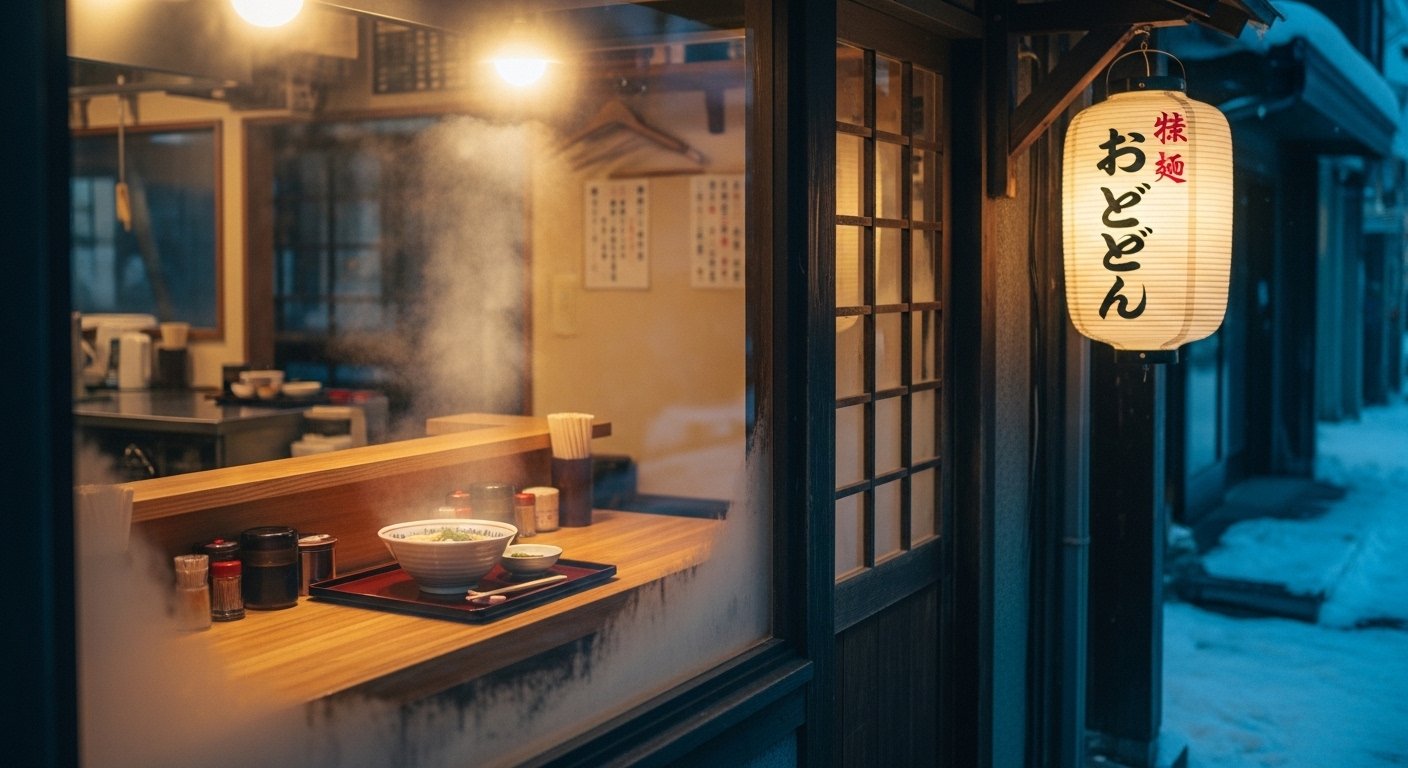
Lanterns (提灯 – chōchin) or ‘noren’ curtains at the entrance are common for izakaya and often indicate later hours. For ramen, look for steam from inside the restaurant or a simple ‘ラーメン’ (ramen) sign.
Step 6: Consider Later Arrival for Walk-ins (During Bōnenkai)
During peak Bōnenkai season, popular izakaya might be fully booked from 6 PM to 9 PM. If you’re a solo traveler or a pair, arriving slightly later, around 9:30 PM or 10 PM, might coincide with the winding down of early Bōnenkai parties. Tables might free up, or counter seats may become available. It’s a gamble but can pay off.

🇯🇵 Point & Speak: Essential Phrases for Dining
🇯🇵 Point & Speak
Show this section to staff if you’re stuck. They can read the Japanese.
English: Is this restaurant open now?
お店は開いていますか?
(Omise wa aite imasu ka?)
English: What time is your last order?
ラストオーダーは何時ですか?
(Rasuto ōdā wa nanji desu ka?)
English: What time do you close?
閉店は何時ですか?
(Heiten wa nanji desu ka?)
English: Do you have space for [number] people?
〇人ですが、席はありますか?
(〇-nin desu ga, seki wa arimasu ka?)
English: Are you fully booked tonight?
今夜は満席ですか? / 予約でいっぱいですkか?
(Kon’ya wa manseki desu ka? / Yoyaku de ippai desu ka?)
English: Do you have an English menu?
英語のメニューはありますか?
(Eigo no menyū wa arimasu ka?)
💰 Price Breakdown: What to Expect for Late Dining
Late-night dining options cater to various budgets. Here’s a general guide to costs:
💰 Price Breakdown
| Dining Type | Estimated Cost (Per Person) |
| Convenience Store / Supermarket Meal | ¥500-1,000 |
| Fast Food Chains (e.g., Sukiya, Yoshinoya) | ¥600-1,200 |
| Casual Late-Night (Ramen, Udon, Curry) | ¥1,000-2,000 |
| Izakaya (Food & a Few Drinks) | ¥3,000-6,000+ |
| Upscale Bars with Food Service | ¥5,000-10,000+ |
Prices verified as of December 2024. Costs can vary based on location and specific orders.
For budget-friendly options, convenience stores (7-Eleven, FamilyMart, Lawson) offer pre-made meals, sandwiches, and hot snacks 24/7. Fast-food chains like Sukiya and Yoshinoya are also reliable. For authentic ramen, Ichiran is a popular late-night choice with an efficient system and individual booths.
🎯 Local Pro-Tips for December Dining
🎯 Local Pro-Tip: Prioritize Reservations, Even for Small Groups. While walk-ins can sometimes work, if you have a specific restaurant in mind, particularly an izakaya or mid-range establishment, try to book ahead. This is especially true for groups of three or more during December. Use English booking platforms or ask your hotel concierge for assistance.
🎯 Local Pro-Tip: Be Aware of Smoking Rules. Japan has stricter smoking laws now, with most indoor dining areas being non-smoking. However, some smaller, older izakaya or bars might still allow smoking, or have designated smoking rooms. If smoke is a concern, check ahead on booking sites or Google Maps, which often note “Non-smoking” or “Smoking section available.”
🎯 Local Pro-Tip: Don’t Overlook Hotel Restaurants. Many hotels, even moderately priced ones, have restaurants or cafes that operate with extended hours. These are often reliable for a decent meal past 9 PM and are less likely to be impacted by Bōnenkai bookings.
Common Mistakes to Avoid
Understanding these pitfalls can save you time and frustration:
- Assuming All Major City Restaurants Are Open Late: Even in Tokyo, many non-izakaya restaurants close by 10 PM. Don’t assume a general restaurant will be open just because you’re in a big city.
- Ignoring “Last Order” Times: Arriving 15 minutes before closing time is often too late to be served a full meal. Always confirm the last order time and arrive at least an hour before it.
- Relying Solely on Walk-Ins During Bōnenkai: This is a high-risk strategy, especially for groups. While solo diners or pairs might get lucky, expecting a table at a popular spot without a reservation in December is optimistic.
- Underestimating Crowds in Entertainment Districts: While these areas have more late-night options, they will also be very busy and potentially crowded with Bōnenkai groups. Factor in extra time for navigation and waiting.
- Forgetting About Public Transport Last Service: If you plan to dine very late, check the last train or subway times. Services typically end around midnight to 1 AM in major cities. Factor in taxi costs or a longer walk if you miss the last train. (Related: Navigating Japanese public transport late at night)

📋 Quick Reference Card: December Late Dining Checklist
Screenshot or print this section for easy access on the go.
📋 Quick Reference Card
Screenshot or print this section for easy access:
- ✅ Identify Restaurant Type: Prioritize Izakaya, Ramen shops, and dedicated nightlife eateries.
- ✅ Use Digital Tools: Google Maps, Tabelog EN, Gurunavi EN for current hours & “last order.”
- ✅ Focus on Key Areas: Major train stations, entertainment districts.
- ✅ Check “Last Order”: Always plan to arrive at least 1 hour before it.
- ✅ Have Phrases Ready: Utilize the Point & Speak section for communication.
- ✅ Consider Reservations: Essential for groups, especially during Bōnenkai season.
- ✅ Have a Backup: Konbini or fast food are reliable emergency options.
- ✅ Mind Your Transport: Check last train times if dining very late.
Frequently Asked Questions
Can I find authentic Japanese food open past 10 PM?
Yes, but you need to be strategic. Your best bets are izakaya (Japanese pubs) and many ramen shops, especially in entertainment districts or near major train stations. Most other restaurant types will have taken their last order by 9:30 PM and close by 10 PM. Use online booking sites or Google Maps with “open now” filters to verify hours.
What is Bōnenkai and how does it affect my dinner plans?
Bōnenkai (忘年会) are year-end parties, commonly held by companies and social groups throughout December. This makes many popular restaurants, especially izakaya, fully booked with pre-arranged party courses. It significantly reduces walk-in availability and makes reservations more challenging for international visitors. Consider dining earlier or later (after 9:30 PM) for better chances, or choose less popular spots.
Is it rude to walk into a restaurant late in Japan?
It’s not considered rude if the restaurant is officially open and still accepting customers. However, arriving very close to ‘last order’ time might mean you’re rushed or unable to order everything you want. Always aim to arrive with ample time before last order, typically at least an hour for a full meal. If a restaurant displays a ‘準備中’ (junbi-chū – preparing) or ‘本日終了’ (honjitsu shūryō – closed for today) sign, do not enter.
What are the best apps for finding late-night food in Japan?
Google Maps is highly recommended for its “open now” filter and user reviews. For more dedicated restaurant searches, Tabelog (English), Gurunavi (English), and Hot Pepper Gourmet (English) are useful. These platforms provide detailed information on opening hours, last orders, and often indicate English menu availability or online booking options.
Conclusion
Finding a late dinner in December Japan, especially past 9 PM, requires planning and an understanding of local customs and peak seasons. By targeting the right types of restaurants, utilizing English-friendly digital tools, and being mindful of “last order” times and Bōnenkai bookings, you can successfully navigate the dining scene. Don’t let early closures or crowded restaurants derail your evening; with these practical strategies, you’re equipped to enjoy authentic Japanese cuisine late into the night.
Enjoy your meals in Japan!
Disclaimer
Information on opening hours and pricing is subject to change. Always verify details with the restaurant directly or through up-to-date online resources. Be aware of local smoking regulations, as some smaller establishments may still permit smoking or have designated areas. Prices are estimates and can vary based on location, specific menu items, and seasonal demand. This guide is for informational purposes only and does not constitute a guarantee of availability or specific dining experience.