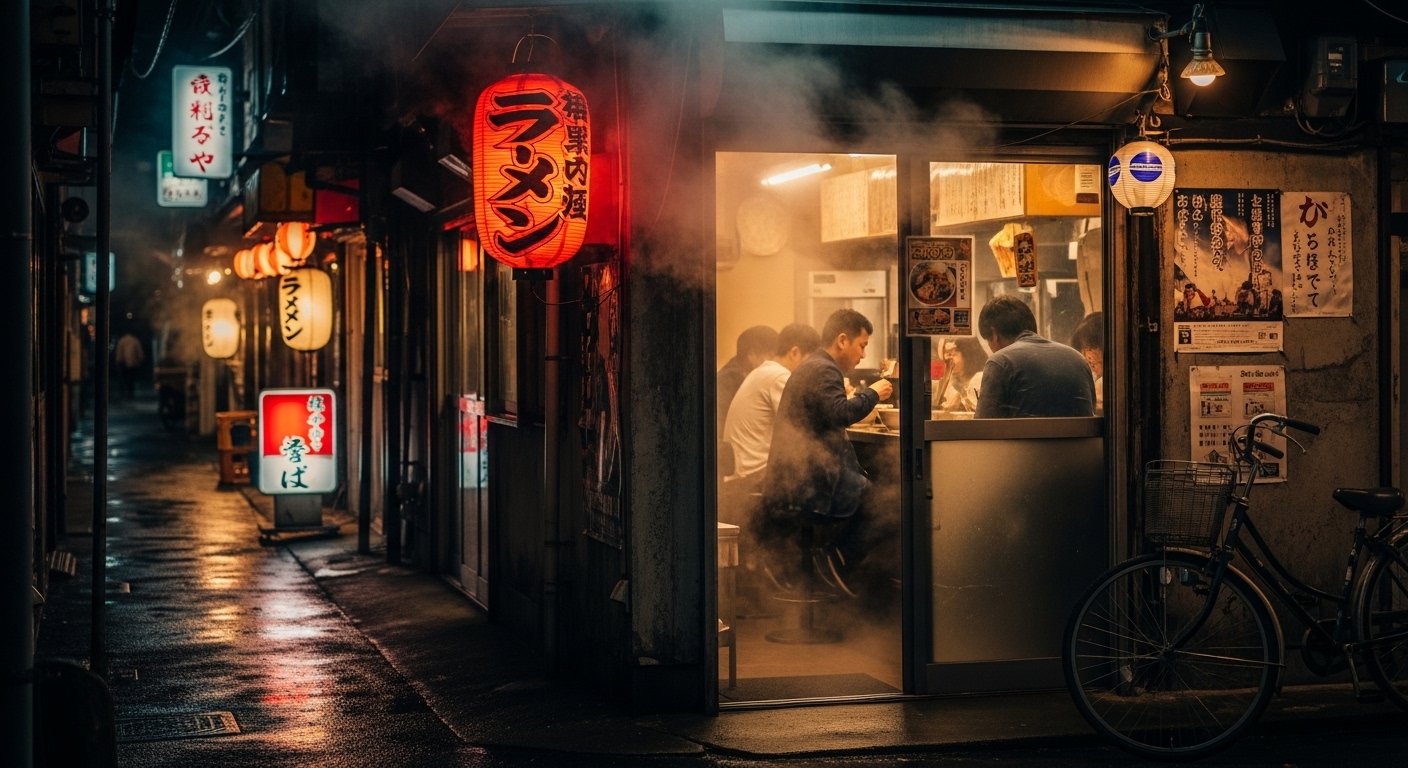
*Images used in this article are for illustration only. They may not be directly related to the content.
Late-Night Vegan Tokyo: Finding Warm Bowls & Hot Pots Past 9 PM
You’ve spent the day exploring Tokyo’s vibrant districts, seen the sights, and now the clock is ticking past 9 PM. Your stomach rumbles for a warm, comforting winter meal—a hearty ramen, a steamy hot pot (nabe), or any substantial vegan dish. But a familiar frustration sets in: finding an open restaurant that reliably caters to a vegan diet, especially this late, feels like an uphill battle.
This is a common pain point for international visitors and residents in Japan. Traditional dining hours often end earlier than expected, and navigating dietary restrictions, particularly for vegans, adds another layer of complexity. Coupled with the omnipresent dashi (fish stock) in Japanese cuisine and potential language barriers, a simple late-night meal can turn into a significant challenge.
But it doesn’t have to be. This guide will equip you with practical strategies, essential phrases, and reliable spots to ensure you find a satisfying, warm, and genuinely vegan meal in Tokyo, even after 9 PM. We’ll cut through the noise, providing actionable advice to banish late-night hunger and avoid accidental animal products. Let’s make your Tokyo winter dining experience smooth and delicious.
Table of Contents
The Challenge: Late-Night Vegan Dining in Tokyo
Understanding why late-night vegan dining in Tokyo can be difficult is the first step to overcoming it. You’re not alone in feeling this way. Here’s why it often feels like a puzzle:
Restaurant Closing Times
Most independent restaurants in Japan, particularly outside of the busiest tourist areas, typically close their doors between 9:00 PM and 10:30 PM. This is significantly earlier than in many Western cities. If you haven’t planned your dinner by 8 PM, your options narrow considerably. Even dedicated vegan establishments, while growing in number, often adhere to these earlier closing times.
The “Vegan” Concept and Dashi Dilemma
While awareness of “vegan” (ヴィーガン) is increasing, it’s not universally understood or practiced. Traditional Japanese cuisine heavily relies on dashi, a flavorful stock made from bonito flakes (fish) and/or kombu (seaweed). Even dishes that appear vegetarian, like vegetable ramen or clear soups, almost always contain dashi. Mirin, a sweet cooking sake, can also contain alcohol, and some seemingly simple dishes may have hidden dairy or eggs.
🎯 Local Pro-Tip: The term “vegetarian” (ベジタリアン – bejitarian) in Japan often implies a diet that includes fish or seafood, or at least fish-based dashi. Always be explicit about avoiding ALL animal products, including fish, dairy, and eggs.
Language Barriers
Trying to communicate specific dietary needs, especially complex ones like “no meat, fish, dairy, eggs, or dashi,” can be challenging, particularly at late hours when staff may be less patient or English-speaking staff are scarce. This fear of misunderstanding often leads to anxiety and limits dining choices.
Lack of Reliable, Up-to-Date Information
Restaurant hours and menu offerings can change, and online information isn’t always current. Relying on outdated blog posts or general search results can lead to disappointment, particularly when seeking a specific late-night vegan meal.
Your Strategy: Finding Warm Vegan Bowls After 9 PM
Despite the challenges, a late-night vegan winter dinner in Tokyo is achievable. Here’s a practical breakdown of where to look and what to do.
Dedicated Vegan Establishments
Your safest bet for a guaranteed vegan meal. Tokyo’s major hubs are your primary hunting grounds.
- ✅ Major Hubs: Shinjuku, Shibuya, Ginza, Akihabara, and Ikebukuro have the highest concentration of dedicated vegan restaurants. A limited number of these stay open past 9 PM.
- ✅ T’s TanTan: This is a highly reliable vegan ramen chain, found primarily in JR train stations (e.g., Tokyo Station, Ueno Station, Ikebukuro Station, Narita Airport). Their hours often align with station operating times, making them an excellent choice for late-night vegan ramen. They offer various warm, hearty ramen bowls perfect for winter.
Action: Always check their specific location’s operating hours via Google Maps or HappyCow before heading out. Websites like HappyCow and VegJaPan are invaluable resources for verifying current information.

The Izakaya Approach
Izakayas (Japanese pubs) are a common late-night dining option, with many open until midnight or later. While not explicitly vegan, they offer shared plate dining where careful ordering can yield a meal.
- ✅ Look for: ‘Yasai’ (vegetable) dishes, ‘tofu ryori’ (tofu dishes), and ‘salad’ sections on the menu.
- ✅ Potential dishes: Edamame, plain rice, grilled vegetables (yak野菜 – yasai), cold tofu (hiyayakko), some pickles (tsukemono), plain French fries (check oil).
- ❌ Caution: Cross-contamination is a risk in a busy izakaya kitchen. Many vegetable dishes will use dashi, and dressings often contain animal products.
Action: This is where communication is critical. Be prepared to clearly state your dietary needs. Focus on specific phrases to request dishes without meat, fish, dairy, eggs, or dashi. Stick to simple, unambiguous items.

Family Restaurants (Famiresu)
Chains like Gusto, Denny’s Japan, and Saizeriya are open late, sometimes 24/7, and offer a broad menu. Their strength lies in consistency and often, English menus.
- ✅ Potential dishes: Salads (ask for no dressing or specify vegan dressing if available), plain pasta (if sauce can be omitted/substituted), bread (check ingredients), plain rice.
- ❌ Caution: Vegan options are very limited and usually require significant modification. Expect to eat more simply.
Action: Check their allergen menus (アレルゲン情報) which list common allergens like egg (卵) and dairy (乳). This can help confirm ingredients, but still be aware of dashi or other animal products not covered by allergen labeling. Use your “Point & Speak” phrases.
Convenience Stores (Konbini): Your 24/7 Back-Up
When all else fails, or if you prefer a budget-friendly and hassle-free option, Japanese convenience stores (7-Eleven, FamilyMart, Lawson) are lifesavers. They operate 24/7 and have significantly expanded their plant-based offerings.
- ✅ Look for: Labels explicitly stating ‘プラントベース’ (plant-based) or ‘動物性原料不使用’ (no animal-derived ingredients).
- ✅ Warm Options: Instant ramen (many brands now offer vegan versions, check for ‘プラントベース’ or specific certification), microwaveable vegan curries/rice dishes, steamed sweet potatoes (baked in-store, check for butter/oil if unsure, but usually plain).
- ✅ Other Staples: Onigiri (rice balls, usually plum (梅), konbu (seaweed), or plain salt versions are safest; avoid salmon, tuna mayo), pre-cut fruits, salads (check dressing), soy milk, various plant-based snacks, and often hot coffee or tea from the counter.
Action: Be prepared to read labels carefully. Even some “vegetable” branded items may contain animal products. If you can’t read Japanese, use a translation app or look for the ‘プラントベース’ symbol.

💰 Price Breakdown: Late-Night Vegan Options
| Item/Option | Estimated Cost (JPY) |
| Vegan Instant Ramen (Konbini) | ¥200-400 |
| Vegan Onigiri (Konbini, per piece) | ¥120-180 |
| Microwaveable Vegan Meal (Konbini) | ¥400-700 |
| T’s TanTan Vegan Ramen | ¥900-1300 |
| Izakaya (selected vegan dishes) | ¥1500-3000+ (for a full meal) |
| Dedicated Vegan Restaurant (after 9 PM) | ¥2000-5000+ |
Prices verified as of December 2025. Costs are estimates and can vary.
Using Technology to Your Advantage
Before you even step out, leverage these tools:
- ✅ HappyCow & VegJaPan: These platforms (HappyCow, VegJaPan) are specifically for vegan/vegetarian dining. Filter by “open now” and check user reviews for late-night experiences.
- ✅ Google Maps: Search “vegan Tokyo” and apply the “open now” filter. Read recent reviews for mentions of vegan options and updated hours.
- ✅ Food Delivery Apps: Uber Eats, Demae-can, or Wolt often have a wider selection of late-night vegan-friendly restaurants in major cities, especially if you’re staying in a hotel or accommodation with delivery service. Search for “vegan” or “plant-based” within the app.
Navigating Menus & Communicating Effectively
The key to successful late-night vegan dining in Japan, especially outside dedicated vegan spots, is clear communication and understanding visual cues.
🇯🇵 Point & Speak
These phrases are crucial. Prepare them on your phone, or better yet, print them out and keep them handy. Showing staff the Japanese text is often more effective than attempting pronunciation, especially in a rush.
🇯🇵 Point & Speak
Show this section to staff if you’re stuck. They can read the Japanese.
English: Is this vegan? (Does not contain meat, fish, dairy, eggs, or dashi.)
これはヴィーガンですか?(肉、魚、乳製品、卵、出汁は入っていませんか?)
(Kore wa vīgan desu ka? (Niku, sakana, nyūseihin, tamago, dashi wa haitte imasen ka?))
English: I am vegan. (Meaning: ‘I cannot eat meat, fish, dairy, eggs.’)
すみません、ヴィーガンです。(肉、魚、乳製品、卵は食べられません。)
(Sumimasen, vīgan desu. (Niku, sakana, nyūseihin, tamago wa taberaremasen.))
English: No dashi (fish stock), please.
出汁抜きでお願いします。
(Dashi nuki de onegai shimasu.)
English: Is there a plant-based option?
プラントベースのオプションはありますか?
(Puranto bēsu no opushon wa arimasu ka?)
English: Can I have the menu in English?
英語のメニューはありますか?
(Eigo no menyū wa arimasu ka?)
Visual Cues: What to Look For
Beyond language, visual cues can quickly guide you to vegan-friendly options:
- ✅ Green Leaf/V Logos: Many establishments, especially cafes and dedicated vegan spots, will display green leaf symbols, a ‘V’ for vegan, or explicit ‘ヴィーガン’ (vegan) / ‘プラントベース’ (plant-based) stickers on their doors, windows, or menu boards.
- ✅ Allergen Menus (アレルギー表示 / アレルゲン情報): These are often available upon request, especially in chain restaurants. They typically list 7 or 28 specified allergens, including egg (卵) and dairy (乳). While not a complete vegan guide (it won’t mention dashi), it helps rule out major conflicts.
- ✅ Convenience Store Labels: On packaged goods, look for ‘プラントベース’ (plant-based) or ‘動物性原料不使用’ (no animal-derived ingredients). These are your clearest indicators for pre-made vegan items.

Winter Warmers: Vegan Nabe & Ramen Specifics
Winter in Tokyo calls for warm, hearty dishes. Finding vegan versions of traditional Japanese comfort foods like ramen and nabe requires specific strategies.
Vegan Ramen
While many ramen shops are popping up, few explicitly offer vegan options. Your best bet remains dedicated vegan ramen shops:
- ✅ T’s TanTan: As mentioned, this chain is your most reliable source for late-night vegan ramen. Their broth is entirely plant-based, and toppings are clearly marked.
- ✅ Specialized Vegan Ramen Shops: Some independent vegan ramen shops exist (e.g., Kyushu Jangara Vegan Ramen in Harajuku, though their late hours should be verified). These usually have clear signage. Use HappyCow or Google Maps with “vegan ramen Tokyo” to find them.
Challenge: Asking a regular ramen shop for “dashi nuki” (no dashi) ramen is usually not feasible. Their broths are pre-made, and the entire culinary process is built around meat or fish stock.

Vegan Nabe (Hot Pot)
Nabe is a communal hot pot dish, very popular in winter. Finding a truly vegan nabe, especially late at night, is one of the trickiest tasks.
- ✅ Dedicated Vegan Restaurants: Your only reliable option for a guaranteed vegan nabe is a specialized vegan restaurant that explicitly offers it. These are rare and may require advance booking.
- ❌ The Dashi Hurdle: Virtually all traditional nabe bases use dashi. While a kombu-only dashi is technically vegan, it’s rarely offered as a standard option without explicit request and understanding from staff.
- Alternative: Consider making your own if you have access to a kitchen and Japanese supermarkets, which carry vegan dashi powders and fresh vegetables.
Action: If you crave nabe, prioritize research for specific vegan nabe restaurants in advance. Otherwise, embrace a warm vegan ramen bowl or a collection of konbini warm dishes as your late-night alternative.

Planning Ahead for Peace of Mind
The best strategy for avoiding late-night vegan dinner stress in Tokyo is always preparation.
Early Dining or Stocking Up
- ✅ Dine Earlier: If you’re particular about dining at dedicated vegan restaurants, aim to have your dinner between 6 PM and 8 PM, before most places start closing.
- ✅ Supermarket Runs: Before 9 PM, visit a local supermarket (e.g., Maruetsu, Seijo Ishii, Aeon). They often have a wider selection of fresh produce, tofu, vegan instant meals, and sometimes plant-based deli items than convenience stores.
Digital Preparation
- ✅ Offline Maps & Phrases: Download Google Maps for offline use and save the “Point & Speak” phrases to your phone’s photo gallery for quick access without internet.
- ✅ Translation Apps: Google Translate’s camera feature can be invaluable for deciphering ingredient lists on packaging or menu items.
📋 Quick Reference Card: Late-Night Vegan Tokyo
Screenshot or print this section for easy access:
- ✅ Best Bet After 9 PM: T’s TanTan (in JR stations) & Convenience Stores (Konbini).
- ✅ Key Japanese Phrases: Use our “Point & Speak” section.
- ✅ Look For: ‘ヴィーガン’ (vegan) / ‘プラントベース’ (plant-based) labels/signs.
- ✅ Essential Apps: HappyCow, Google Maps, Uber Eats/Demae-can.
- ✅ Plan B: Stock up on instant vegan ramen & snacks at konbini earlier.
- ✅ Cultural Note: “Vegetarian” (ベジタリアン) often includes dashi (fish stock). Always clarify.
Common Mistakes to Avoid
To reduce friction, be aware of these common pitfalls:
- ❌ Assuming “Vegetarian” Means Vegan: This is the biggest and most frequent mistake. Always specify no meat, fish, dairy, eggs, and crucially, no dashi.
- ❌ Not Checking Operating Hours: Never assume a restaurant is open late just because it’s a major city. Always verify current hours online before you go.
- ❌ Underestimating Dashi Prevalence: Dashi is in almost everything. Assume it’s present unless explicitly confirmed otherwise.
- ❌ Only Relying on English Menus: While helpful, English menus may not always highlight vegan options or fully explain ingredients. Always be prepared to ask.
- ❌ Ignoring Convenience Stores: They are not just for emergencies; they are a legitimate and growing source of diverse plant-based meals, especially late at night.
Frequently Asked Questions
Is it really that hard to find vegan food in Tokyo late at night?
It can be challenging compared to Western cities. Many restaurants close by 10 PM, and traditional Japanese cuisine frequently uses dashi (fish stock) and other animal products even in vegetable dishes. However, with planning and knowing where to look (like dedicated vegan spots or convenience stores), it’s manageable.
What is the safest late-night vegan option in Tokyo?
Hands down, convenience stores (konbini) like 7-Eleven, FamilyMart, and Lawson are the safest and most reliable 24/7 option. Look for items clearly labeled ‘プラントベース’ (plant-based) or ‘動物性原料不使用’ (no animal-derived ingredients). Dedicated vegan ramen chains like T’s TanTan, found in major JR stations, are also excellent reliable choices if open.
Can I get a vegan hot pot (nabe) in Tokyo after 9 PM?
Finding a truly vegan nabe after 9 PM is exceptionally difficult. Most traditional nabe broths use dashi. Your best chance is a specialized vegan restaurant that explicitly offers nabe, but these are rare and may require reservations and tend to close earlier. Convenience stores offer microwaveable warm meals as a simpler alternative.
How can I communicate my vegan diet if I don’t speak Japanese?
Prepare key Japanese phrases in advance (see our “Point & Speak” section). Show the written Japanese text to staff. Focus on stating “no meat, fish, dairy, eggs” (肉、魚、乳製品、卵は食べられません) and “no dashi” (出汁抜きでお願いします). Translation apps like Google Translate with a photo feature are also useful for menu items.
Are there any vegan-friendly chain restaurants open late?
Family restaurants (famiresu) like Gusto or Denny’s Japan are open late, but their vegan options are very limited and often require modifications. You might find plain salads (without dressing), plain rice, or simple vegetable sides. Always confirm ingredients and be prepared for simple choices. T’s TanTan is a dedicated vegan ramen chain and a better choice if available.
Conclusion
Navigating Tokyo’s late-night dining scene as a vegan, especially in winter when warm, hearty meals are desired, presents unique challenges. However, with the right information and preparation, you can confidently find satisfying options.
By leveraging dedicated vegan establishments like T’s TanTan, understanding how to cautiously approach izakayas and family restaurants, and embracing the 24/7 reliability of convenience stores, you can overcome common hurdles. Remember to utilize our essential Japanese phrases and look for clear ‘plant-based’ labeling to ensure a friction-free experience.
Don’t let dietary restrictions or late hours prevent you from enjoying Tokyo’s culinary landscape. Plan smart, communicate clearly, and discover the warm, comforting vegan meals awaiting you. Happy late-night dining!
Disclaimer
While efforts have been made to ensure the accuracy of this information, restaurant hours, menu items, and ingredient lists can change without notice. Always verify details with the establishment directly and communicate your dietary needs clearly. This guide provides general advice and should not be considered a substitute for personal due diligence or professional dietary advice. We are not responsible for any allergic reactions or health issues arising from dining experiences.