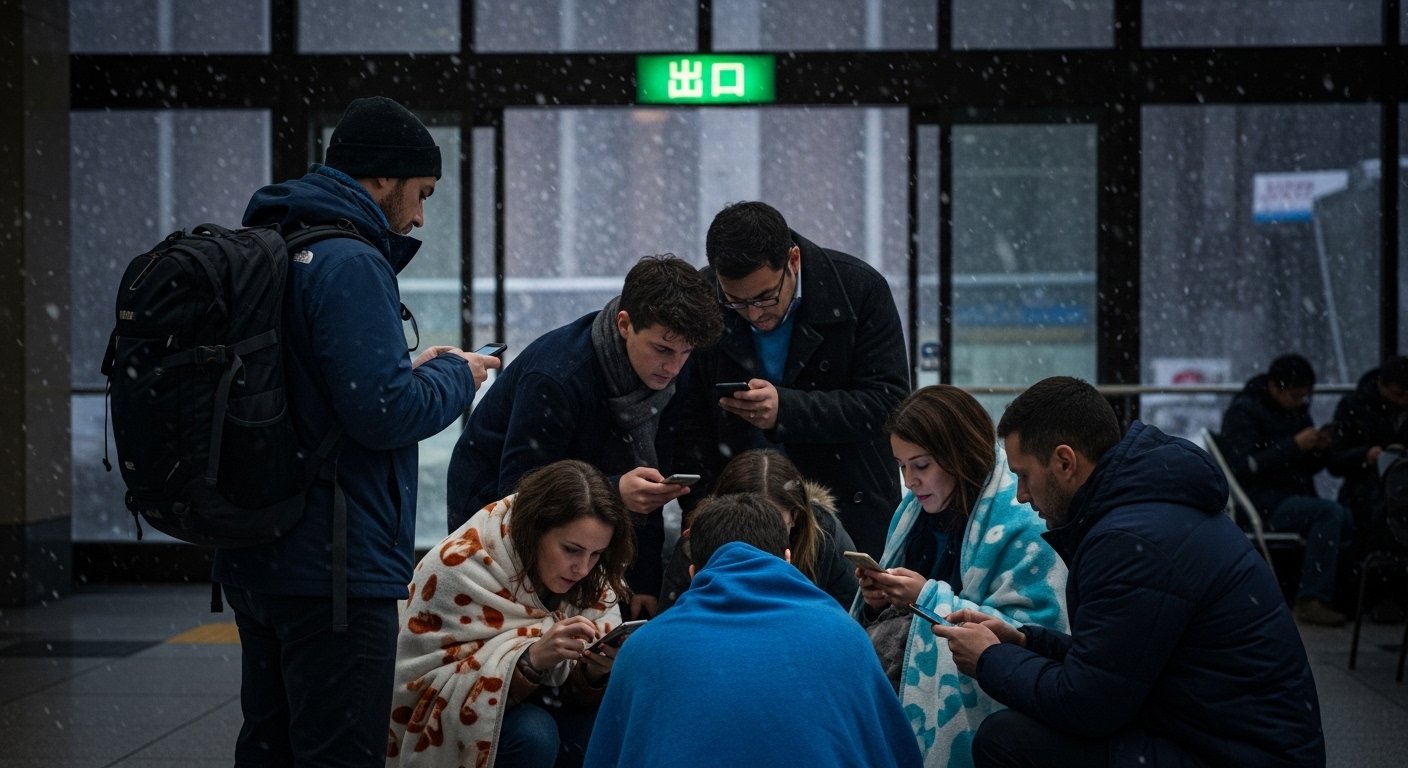
*Images used in this article are for illustration only. They may not be directly related to the content.
Lost or Injured in Japan’s Snowy Night? Your Emergency Guide
Finding yourself lost or injured in Japan’s vast, beautiful, but sometimes unforgiving snowy outdoors after dark can be a daunting experience. The unfamiliar environment, the biting cold, and potential language barriers amplify the challenge. This comprehensive guide provides actionable steps and crucial information for international visitors, removing friction from a critical situation. We cover everything from making an emergency call to essential first aid, ensuring you’re prepared to navigate a Japan winter emergency with confidence and practicality.
Understanding Japanese emergency protocols (110 for police, 119 for fire/ambulance) is paramount. Coupled with effective communication strategies and preparedness for severe cold, this information can be the difference in a critical situation. You’ll learn how to overcome language barriers, pinpoint your location, and manage cold-related health risks until help arrives. This guide is your practical resource for survival and assistance when lost in snow Japan or facing an Japan injury outdoors.
Table of Contents
- The Reality of Winter Emergencies in Japan’s Outdoors
- Immediate Action: Your First 60 Minutes When Lost or Injured
- 🇯🇵 Point & Speak: Essential Japanese Phrases for Emergencies
- Pinpointing Your Location: Guiding Rescuers to You
- Battling the Cold: Preventing & Treating Hypothermia and Frostbite
- The Cost of Rescue: Why Travel Insurance is Non-Negotiable
- Proactive Safety: Preparing for Japan’s Winter Wilderness
- Visual Cues: What to Look For in an Emergency
- Common Mistakes to Avoid in a Winter Emergency
- 📋 Quick Reference Card
- Frequently Asked Questions
The Reality of Winter Emergencies in Japan’s Outdoors
Japan’s winter landscapes, particularly in regions like Hokkaido, Tohoku, Nagano, Niigata, and Gifu, offer breathtaking beauty. However, they also present unique, severe challenges after dark. Freezing temperatures, heavy snowfall, and limited visibility can quickly turn a scenic outing into a life-threatening Japan winter emergency.
The primary pain points for international visitors include the language barrier, unfamiliarity with local emergency protocols, and the immediate risk of cold-related health issues like hypothermia and frostbite. In remote, snowy areas, emergency response times can be significantly longer than in urban centers, sometimes taking several hours or even until daylight. This means self-sufficiency for an extended period is not just advisable, but critical.
Feeling isolated and helpless in a harsh, unfamiliar, and dark environment is a common experience. Understanding these realities upfront allows you to prepare adequately and act effectively, should an emergency arise. Your preparation can mitigate many of these risks.
Immediate Action: Your First 60 Minutes When Lost or Injured
When you realize you are lost or injured, your immediate actions are crucial. Remain calm, assess your situation, and prioritize safety and communication. Do not panic; clear thinking is your most valuable asset.
- Assess Your Safety and Condition:
First, check yourself and anyone with you for injuries. Evaluate your immediate surroundings for hazards like steep drops, unstable snow, or avalanche risks. If you are injured, try to administer basic first aid if possible. If you are lost, confirm you are indeed off track.
- Seek or Create Immediate Shelter:
Exposure is your biggest enemy. If you can, find natural shelter like a rock overhang or dense trees. If no natural shelter is available, try to create one. Digging a snow trench or snow cave can provide surprising warmth and protection from wind. Get out of any direct wind and away from falling snow.
- Conserve Warmth and Energy:
Put on all available layers of clothing, prioritizing your core. Use an emergency blanket if you have one. Stay as dry as possible; remove any wet clothing if you have dry replacements. Avoid strenuous activity that might cause sweating, as wet clothing will accelerate heat loss. Huddle together with companions for shared body heat if applicable.
- Prioritize Communication:
Check your mobile phone for reception. Even if you don’t have data, you might be able to make emergency calls. Conserve your battery; switch to airplane mode when not actively using the phone, and keep it warm (e.g., in an inner pocket). If you have a headlamp or flashlight, prepare it for signaling. Three short, three long, three short flashes is a universal SOS signal.
- Locate Yourself Using GPS:
Even without data, your smartphone’s GPS can often pinpoint your location. Open a map application (like Google Maps or Apple Maps, especially if you’ve downloaded offline maps previously) and check for GPS coordinates (latitude and longitude). Note any visible landmarks.
- Stay Put and Signal:
Once you have established contact with emergency services and provided your location, stay put unless immediate danger (e.g., avalanche, rockfall) forces you to move. Moving around makes it harder for rescuers to find you. Continue to signal periodically with light or sound (whistle) once you hear or see signs of rescuers.

How to Make an Emergency Call in Japan (110 & 119)
Knowing the correct emergency numbers and how to use them is paramount. In Japan, these calls are free and accessible from any phone, including public phones, and even mobile phones without a SIM card.
🚨 Emergency Contacts
| Police | 110 |
| Ambulance/Fire | 119 |
All numbers are free and work from any phone, even without a SIM card.
- For Police (Theft, Crime, Lost Person): Dial 110
When you call 110, clearly state “Keisatsu” (Police). You can then immediately state your need for an English speaker.
- For Ambulance/Fire (Medical Emergency, Fire): Dial 119
When calling 119, clearly state “Kyūkyū” (Ambulance) if you need medical help, or “Kaji” (Fire) if reporting a fire. Again, prioritize requesting an English speaker.
Be prepared to state your language, as multilingual support (English, Chinese, Korean, etc.) is often available but may take time to connect. Speak slowly and clearly. Provide your exact location (GPS coordinates are best), a description of your injury or situation, and any landmarks you can see.
For more detailed information, consult the official guides: National Police Agency of Japan (110 Guide) and Tokyo Fire Department (119 Guide).
🇯🇵 Point & Speak: Essential Japanese Phrases for Emergencies
A few key Japanese phrases can bridge the language gap during an emergency. Write these down or screenshot this section for quick access. Immediately state your need for an English speaker, then use these phrases if necessary.
🇯🇵 Point & Speak
Show this section to staff or use these phrases if you’re stuck. They can read the Japanese.
English: Help!
助けて!
(Tasukete!)
English: I need an ambulance.
救急車をお願いします。
(Kyūkyūsha o onegaishimasu.)
English: I need the police.
警察をお願いします。
(Keisatsu o onegaishimasu.)
English: I am lost.
道に迷いました。
(Michi ni mayomashita.)
English: I am injured.
怪我をしました。
(Kega o shimashita.)
English: I am very cold.
とても寒いです。
(Totemo samui desu.)
English: My location is…
私の場所は…
(Watashi no basho wa…)
English: I don’t speak Japanese. Do you have an English speaker?
日本語が話せません。英語を話せる人はいますか?
(Nihongo ga hanasemasen. Eigo o hanaseru hito wa imasu ka?)
English: Can you hear me?
聞こえますか?
(Kikoemasu ka?)
Pinpointing Your Location: Guiding Rescuers to You
Providing accurate location information is perhaps the most critical step after making contact with emergency services. Without it, rescuers cannot find you, especially in a vast, snowy landscape at night. Your smartphone is a powerful tool for this, even in remote areas without data.
Step 1: Activate GPS on Your Smartphone
Visual cue: Ensure your phone’s location services are enabled. Look for the GPS icon in your status bar or settings.
What to do: Open your phone’s map application (Google Maps, Apple Maps, or a dedicated offline mapping app like Maps.me or Gaia GPS). Even if you have no cellular data signal, the GPS chip in your phone often still functions, showing your current position as a blue dot on the map. It might take a minute or two to acquire a fix.

Step 2: Extract Your Coordinates
Visual cue: On most map apps, tapping and holding your blue dot or tapping a location will reveal its latitude and longitude coordinates. Look for numbers like “36.2250, 138.2580”.
What to do: Clearly state these coordinates to the emergency operator. This is the most precise way to communicate your location. Write them down if possible to avoid mistakes.

Step 3: Describe Visible Landmarks
Visual cue: Look around for distinctive features: a specific mountain peak, a frozen lake, a unique rock formation, a specific type of tree, or any man-made structures like a hut, power lines, or ski lift towers.
What to do: After giving coordinates, describe what you see. “I am near a large, lone cedar tree next to a frozen stream,” or “I see a ski lift tower numbered 5 in the distance.” The more details, the better, as they provide context for rescuers on the ground.

Step 4: Note Your Direction of Travel (If Known)
Visual cue: If you know the general direction you were heading before getting lost, mention it. A compass app on your phone can help confirm general directions (North, South, East, West).
What to do: “I was heading generally north from the ski resort base when I lost the trail.” This can help rescuers narrow down search areas.
Remember, staying put once you’ve made contact and provided your location data is generally the safest course of action unless forced to move by immediate danger. Conserve your energy and warmth while awaiting rescue.
Battling the Cold: Preventing & Treating Hypothermia and Frostbite
In Japan’s snowy mountains, hypothermia and frostbite are serious risks, especially at night. Recognizing symptoms and knowing basic first aid can be life-saving.
Hypothermia: When Your Body Loses Heat Faster Than It Produces It
- Symptoms:
- Mild: Shivering, mild confusion, sluggishness, mumbling.
- Moderate: Intense shivering, severe confusion, slurred speech, clumsy movements, drowsiness, bluish lips/fingers.
- Severe: Shivering stops, unconsciousness, slow and shallow breathing, weak pulse, rigid muscles. This is a critical emergency.
- First Aid & Prevention:
Move to shelter immediately. Remove any wet clothing and replace with dry layers. Insulate the person from the cold ground. Share body heat through skin-to-skin contact with a conscious rescuer, if appropriate and safe. Provide warm (non-alcoholic, non-caffeinated) drinks if the person is conscious. Seek immediate medical attention. Prevention includes wearing layered, moisture-wicking clothing, a waterproof outer shell, a hat, gloves, and insulated footwear.
Frostbite: Freezing of Body Tissues
- Symptoms:
- Superficial: Numbness, tingling, aching. Skin may appear waxy, white, or grayish-yellow. Skin feels firm or rubbery.
- Deep: Complete numbness, waxy and hard skin. Blistering may occur, and skin can appear white, blue, or blackened.
- First Aid & Prevention:
Do NOT rub affected areas, as this can cause further tissue damage. Gently rewarm the affected area, preferably in an armpit or with warm (not hot) water (around 37-40°C). If rewarming is not possible without risk of refreezing, it’s better to keep the area frozen until medical help arrives. Protect the area from further exposure. Seek medical attention immediately. Prevention is key: wear appropriate layered clothing, ensure extremities are well-covered with insulated gloves, socks, and footwear, and take breaks to warm up indoors.

The Cost of Rescue: Why Travel Insurance is Non-Negotiable
While ambulance service in Japan is free, the subsequent hospital treatment is not. For international visitors, medical costs can quickly escalate without proper coverage. This is especially true for emergency situations like mountain rescues, which might involve specialized teams or helicopter services.
A robust travel insurance policy that specifically covers adventure sports, backcountry rescue, medical treatment, and potential emergency evacuation/repatriation is not just a recommendation—it’s an absolute necessity. Without it, you could face bills running into hundreds of thousands, or even millions, of Japanese Yen.
💰 Price Breakdown (Estimated)
| Service | Cost without Insurance |
| Ambulance Service | Free |
| Hospital Consultation (initial) | ¥5,000-¥15,000 |
| Overnight Hospital Stay (per night) | ¥50,000-¥200,000+ |
| Fracture Treatment / Minor Surgery | ¥100,000-¥500,000+ |
| Helicopter Rescue (mountain areas) | ¥500,000-¥1,000,000+ |
| International Medical Repatriation | ¥1,000,000-¥5,000,000+ |
Prices verified as of January 2026. These are estimates and actual costs may vary significantly.
Always review your policy thoroughly before your trip. Ensure it covers all the activities you plan to undertake, especially if you venture into backcountry skiing, snowboarding, or winter hiking. This peace of mind is invaluable.

Proactive Safety: Preparing for Japan’s Winter Wilderness
Prevention is always better than cure, especially in challenging winter conditions. Taking proactive steps before you head out can dramatically reduce your risk of a Japan winter emergency.
🎯 Local Pro-Tip: Always inform someone of your detailed itinerary. Share your route, expected return time, and the names of those in your party with hotel staff, a friend, or family. Leave a physical copy if possible. If you don’t return as planned, this information is vital for search efforts.
- Check Weather Forecasts Religiously:
Before and during your outing, constantly check the Japan Meteorological Agency (JMA) for warnings and forecasts. Mountain weather can change rapidly and dramatically. Look for heavy snow warnings, high winds, and sudden temperature drops.
- Dress Appropriately in Layers:
Wear moisture-wicking base layers, insulating mid-layers (fleece, down), and a waterproof/windproof outer shell. Include insulated gloves or mittens, a warm hat that covers your ears, and waterproof, insulated boots. Carry spares of critical items like socks and gloves.
- Carry Essential Gear:
This includes a fully charged mobile phone with a power bank, a headlamp or flashlight with spare batteries, an emergency blanket, a whistle, a basic first-aid kit, high-energy snacks, sufficient water (insulated to prevent freezing), and a reliable map (physical and/or offline digital) and compass.
- Know Your Route and Limitations:
Familiarize yourself with your planned route. Understand the terrain, potential hazards, and bailout points. Do not attempt trails or activities beyond your skill level, especially in winter conditions or if you are unfamiliar with the area.

Visual Cues: What to Look For in an Emergency
When lost or injured, every detail in your environment can be a clue to your location or a sign of potential help. Familiarize yourself with these visual cues:
- Emergency Signs: Look for red and white signs, often with “110” or “119” displayed prominently. These are common near public areas, trailheads, or ski resorts.
- Emergency Public Phones: In more remote areas or at trailheads, look for green, grey, or yellow public phones. They often have clear instructions and direct lines to emergency services. Look for a phone symbol or the characters ‘緊急電話’ (kinkyū denwa).
- Uniforms: Familiarize yourself with Japanese police uniforms (typically dark blue, sometimes white in summer) and fire/rescue uniforms (often orange, blue, or dark blue with reflective strips). Knowing what rescuers look like helps you identify them quickly.
- Snow Poles/Marker Flags: On ski fields, designated winter trails, or in areas prone to deep snow, you might see tall snow poles or marker flags. These indicate safe routes or boundaries.
- Emergency Shelters/Huts: If marked on maps, emergency shelters (‘避難小屋’ – hinan goya) are sturdy structures that can offer vital protection. They might have a red cross symbol or specific signage.
Common Mistakes to Avoid in a Winter Emergency
When faced with a difficult situation, it’s easy to make errors that can worsen your predicament. Avoid these common pitfalls:
- Panicking: Panic leads to irrational decisions and wastes precious energy. Take a few deep breaths, assess the situation, and then act.
- Moving Unnecessarily: Unless there’s immediate danger, do not move around after making contact with emergency services. You risk getting more lost, expending vital energy, and making it harder for rescuers to pinpoint your changing location.
- Not Informing Anyone of Your Plans: Assuming you’ll be fine and skipping the step of telling someone your itinerary is a significant risk. If something goes wrong, no one will know where to start looking.
- Underestimating the Cold: Even on seemingly mild winter days, temperatures can drop drastically at night. Always be prepared for colder conditions than expected, especially in snowy regions.
- Relying Solely on Your Phone Signal: Cell service is often unreliable in Japan’s remote mountain areas. A fully charged phone is important, but have alternative signaling methods (whistle, headlamp) and a physical map.
- Ignoring Symptoms of Cold Stress: Do not dismiss shivering, numbness, or confusion. These are early signs of hypothermia or frostbite and require immediate attention.
📋 Quick Reference Card
Screenshot or print this section for easy access – it summarises the critical actions.
📋 Quick Reference Card
Screenshot or print this section for easy access:
- ✅ Stay Calm & Assess: Check self/others, immediate hazards.
- ✅ Shelter & Warmth: Seek or create shelter, layer up, stay dry.
- ✅ Call 110 (Police) or 119 (Ambulance/Fire): Free calls, state “Nihongo ga hanasemasen. Eigo o hanaseru hito wa imasu ka?”
- ✅ Locate Yourself: Use phone GPS for coordinates (even without data). Describe landmarks.
- ✅ Stay Put: Do not move after making contact unless immediate danger.
- ✅ Conserve Phone Battery: Use airplane mode, keep warm.
- ✅ Prevent Cold Injuries: Watch for hypothermia/frostbite symptoms; provide first aid.
- ✅ Signal for Help: Use headlamp (SOS), whistle.
- ✅ Travel Insurance: Crucial for rescue and medical costs.
Frequently Asked Questions
Can I call 110 or 119 in Japan if my phone doesn’t have a SIM card or service?
Yes, emergency calls to 110 (Police) and 119 (Fire/Ambulance) are free and can be made from any mobile phone, even without a SIM card or active cellular plan. They also work from public phones. This is a crucial safety feature.
Is there English support available when calling Japanese emergency numbers?
Yes, multilingual support (including English, Chinese, Korean, and other languages) is often available for 110 and 119 calls. It’s essential to immediately state “Nihongo ga hanasemasen. Eigo o hanaseru hito wa imasu ka?” (I don’t speak Japanese. Is there an English speaker?) to be connected to appropriate assistance. Be patient as it may take a moment to connect.
Is mountain rescue free in Japan?
While the ambulance service itself is free, specialized mountain rescue operations (e.g., involving police, fire department, private rescue teams, or helicopters) are generally not free and can be very expensive. Any subsequent medical treatment in a hospital will also incur significant costs. Comprehensive travel insurance that specifically covers adventure activities and rescue is highly recommended.
What should I do to prevent getting lost in Japan’s snowy outdoors?
Always inform someone of your detailed itinerary, including your route and expected return time. Check the Japan Meteorological Agency (JMA) for weather warnings, dress in appropriate layers, carry essential gear (charged phone, power bank, headlamp, first-aid, physical/offline maps), and stick to marked trails. Do not underestimate the rapidly changing winter conditions.
Conclusion
Navigating a winter night emergency in Japan’s snowy outdoors is a serious situation, but with the right knowledge and preparation, you can significantly improve your chances of a positive outcome. Remember to stay calm, prioritize warmth and communication, and utilize the emergency services effectively. Your preparedness is your strongest tool against the unpredictable elements.
We hope this guide removes friction and empowers you to travel safely and confidently in Japan’s stunning winter landscapes. Stay safe, stay warm, and enjoy your adventure.
Disclaimer
This information is provided for general guidance only and is not a substitute for professional medical advice, rescue training, or comprehensive travel insurance. Always exercise caution, prepare thoroughly, and prioritize your safety in outdoor environments. Conditions in snowy mountainous areas can change rapidly and unexpectedly. Always consult official local advisories and experienced guides before venturing into remote or challenging terrain.