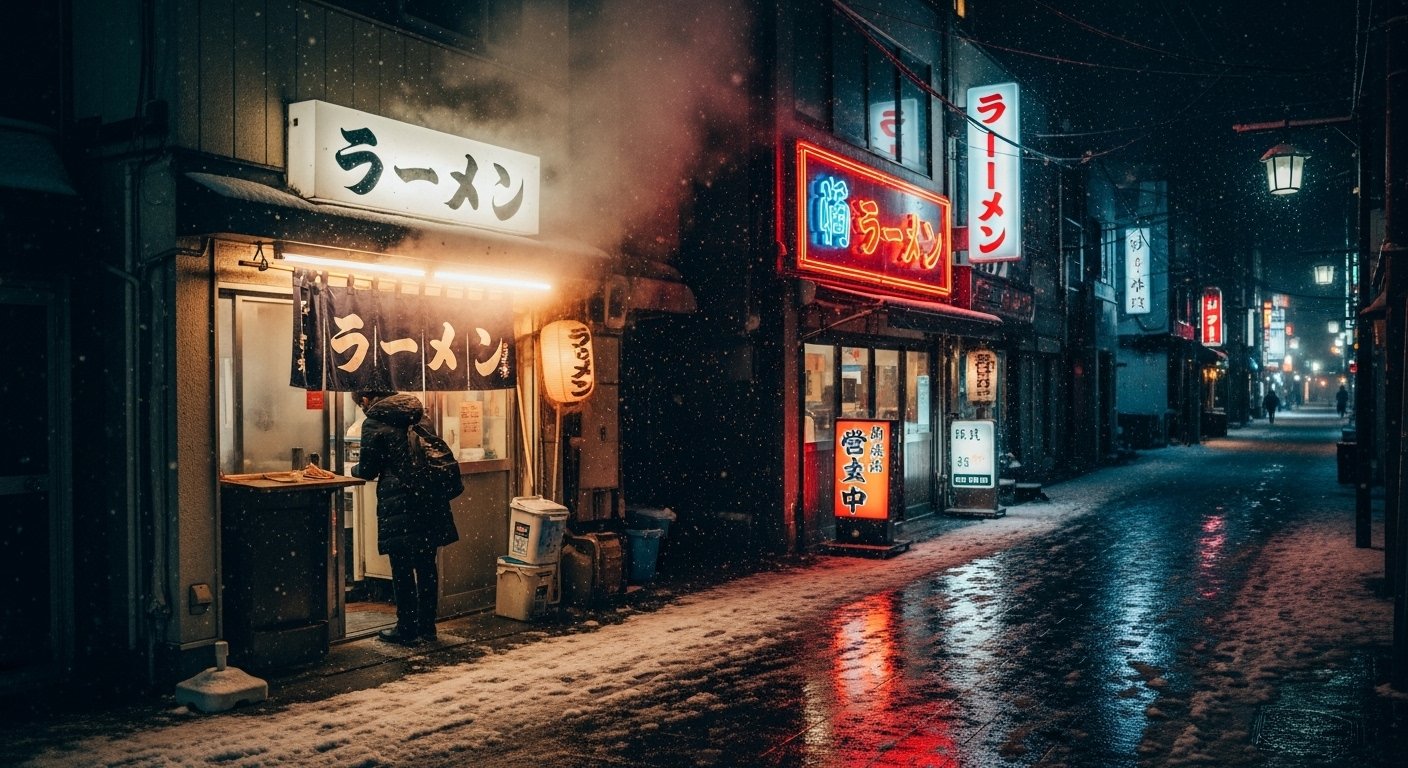
*Images used in this article are for illustration only. They may not be directly related to the content.
Navigating New Year’s Breakfast in Japan: Open Options, Konbini Hacks & Warming Winter Treats
Planning your dream trip to Japan over the New Year’s holiday, only to find morning meal options scarce? You’re not alone. Many international visitors face the challenge of widespread restaurant and cafe closures from late December to early January. The cold winter mornings only add to the desire for something warm and accessible.
This guide cuts through the confusion. We’ll show you exactly where to find reliable, affordable, and warm breakfast options, including essential “konbini” (convenience store) hacks and key Japanese phrases to ensure a smooth start to your day. Forget the stress of closed doors; your satisfying New Year’s breakfast in Japan is within reach.
Table of Contents
- The New Year’s Breakfast Challenge in Japan
- Your Lifeline: The Japanese Convenience Store (Konbini)
- Beyond the Konbini: Other Reliable Options
- Navigating with Confidence: Essential Japanese Phrases
- Budgeting Your Morning Meal: A Price Breakdown
- Quick Reference for Your New Year’s Morning
- Pro-Tips for a Smooth Start
- Common Mistakes to Avoid
- Frequently Asked Questions
The New Year’s Breakfast Challenge in Japan
Japan’s New Year’s holiday, known as Oshogatsu (お正月), is a period of deep cultural significance. It’s also when many businesses, especially smaller, independent restaurants, cafes, and shops, close their doors for family gatherings and celebrations. This closure period typically runs from December 29th or 30th through January 3rd or 4th, leaving visitors scrambling for food options, particularly for breakfast.
Beyond the closures, you might encounter a few other hurdles. Holiday pricing can sometimes affect the limited open establishments, making quick and affordable breakfast options scarce. The winter chill amplifies the desire for a warm, comforting start to the day, which can be difficult to find when your usual go-to spots are shuttered. Furthermore, navigating menus or asking about opening hours in Japanese can add to the stress for those unfamiliar with the language.
Understanding these challenges is the first step. With a bit of planning and local knowledge, you can bypass these pain points and enjoy your mornings in Japan.
Your Lifeline: The Japanese Convenience Store (Konbini)
When it comes to New Year’s breakfast in Japan, convenience stores—affectionately known as konbini—are your most reliable allies. Chains like 7-Eleven, FamilyMart, and Lawson operate 24/7 nationwide, including during the entire New Year’s holiday period. They are ubiquitous, found on almost every street corner, and offer an impressive array of breakfast items suitable for various tastes and budgets.
Not only are konbini budget-friendly, typically offering a full breakfast for ¥300-¥700, but they also require minimal Japanese for transactions. Most items are clearly priced, often with pictures, making your selection straightforward. Crucially for those cold winter mornings, konbini excel at providing warm food options, which can be heated on the spot.
Konbini Breakfast Essentials & Warming Hacks
Here’s a breakdown of what to look for and how to make the most of your konbini breakfast:
- Onigiri (Rice Balls): A Japanese staple. You’ll find a wide variety of fillings like salmon (鮭 – shake), pickled plum (梅 – ume), tuna mayo (ツナマヨ – tsunamayo), and roe (たらこ – tarako). They are fresh, filling, and inexpensive.
🎯 Local Pro-Tip: The packaging for onigiri can seem complex at first. Look for numbers (usually 1, 2, 3) indicating the peel order to cleanly separate the nori (seaweed) from the rice. There are usually diagrams on the wrapper.
- Sandwiches (サンドイッチ – sandoicchi): Japanese sandwiches are often crustless, soft, and come with various fillings, including egg salad (たまごサンド – tamago sando), ham and cheese, or even fruit and cream.
- Hot Snacks (ホットスナック – hotto sunakku): Head to the hot food counter near the register.
- Nikuman (肉まん – Steamed Pork Buns): A warm, savory bun, perfect for winter.
- Karaage (唐揚げ – Fried Chicken): Small, crispy pieces of fried chicken, often served in a cup.
- Oden (おでん): A traditional winter stew with various ingredients (fish cakes, daikon radish, eggs) simmered in a light dashi broth. Point to what you want, and the staff will serve it in a cup. It’s a true warming winter treat.
- Instant Noodles (カップ麺 – kappu men): A vast selection of cup noodles is available. Hot water dispensers are almost always found near the counter or in a dedicated corner of the store. This provides an immediate warm and substantial meal.
- Microwavable Bentos & Meals: Konbini offer a range of pre-packaged meals, from simple rice bowls to more elaborate bento boxes. You can ask the staff to warm these up for you. Use the phrase: 「これ、温めてもらえますか?」 (Kore, atatamete moraemasu ka? – Can I have this warmed up?). They will usually know exactly what to do.
- Hot Beverages: Look for coffee machines (often self-service or staff-prepared), hot teas, and hot chocolate in the refrigerated section (they’ll say 「ホット」 on them). Vending machines outside konbini are also a reliable source for hot drinks, clearly marked with 「暖かい」 (atatakai – warm).

Beyond the Konbini: Other Reliable Options
While konbini are your primary go-to, other establishments do remain open, though often with adjusted holiday hours.
Chain Fast Food & Family Restaurants
Many major chain fast-food restaurants (ファストフード – fasuto fūdo) and family restaurants (ファミリーレストラン – famirī resutoran) are more likely to operate during the New Year’s period. These spots offer familiar and often affordable breakfast sets.
- Gyudon Chains: Yoshinoya (吉野家), Sukiya (すき家), and Matsuya (松屋) are famous for their beef bowls (gyudon) but also offer traditional Japanese breakfast sets featuring rice, miso soup, grilled fish, and eggs. They often operate 24/7 or with extended hours.
- McDonald’s (マクドナルド): Offers standard breakfast menus.
- Family Restaurants: Denny’s (デニーズ) and Gusto (ガスト) provide a broader menu, including both Japanese and Western breakfast items. While generally open, check their specific holiday hours as they might be reduced.
Look for signs that say 「営業中」 (eigyōchū – Open) or 「年末年始の営業時間」 (nenmatsu nenshi no eigyō jikan – New Year’s holiday business hours) to confirm.

Hotel Breakfasts
If you’re staying at a hotel, their breakfast service is a guaranteed option. This is often the most convenient choice, as it’s right in your accommodation. However, it’s typically more expensive than konbini or fast food.
Higher-end hotels might offer a special New Year’s breakfast featuring Osechi Ryori (おせち料理), traditional multi-tiered lacquer boxes filled with symbolic dishes. This is a unique cultural experience if your budget allows. Always confirm pricing and availability with your hotel directly.
Train Station Kiosks & Bakeries
Major train stations, especially Shinkansen hubs, can be surprisingly good spots for breakfast. Many kiosks (キオスク – kiosuku) and bakeries within these stations maintain limited morning hours, even during the holidays.
You can find freshly baked bread, pastries, coffee, and sometimes warm sandwiches. This is an excellent option for travelers catching early morning trains. Look for chains like Vie de France or Andersen bakery inside larger stations.

Navigating with Confidence: Essential Japanese Phrases
🇯🇵 Point & Speak
Show this section to staff if you’re stuck. They can read the Japanese.
English: Is this store open today?
今日、お店開いてますか?
(Kyō, omise aitemasu ka?)
English: What time do you open/close today?
今日の開店時間/閉店時間は何時ですか?
(Kyō no kaiten jikan/heiten jikan wa nanji desu ka?)
English: Do you have any warm food?
温かい食べ物はありますか?
(Atatakai tabemono wa arimasu ka?)
English: Can I have this warmed up?
これ、温めてもらえますか?
(Kore, atatamete moraemasu ka?)
English: I’d like a coffee (hot).
ホットコーヒーをください。
(Hotto kōhī o kudasai.)
English: Takeout, please.
持ち帰りでお願いします。
(Mochikaeri de onegai shimasu.)
Budgeting Your Morning Meal: A Price Breakdown
Here’s an estimate of what you can expect to pay for breakfast during the New Year’s holiday, keeping budget concerns in mind:
💰 Price Breakdown
| Option | Estimated Cost (JPY) |
| Konbini (Onigiri + Hot Drink/Hot Snack) | ¥300-¥700 |
| Fast Food Chain (e.g., Gyudon breakfast set) | ¥400-¥800 |
| Family Restaurant (e.g., Denny’s breakfast) | ¥700-¥1,200 |
| Hotel Breakfast (Standard) | ¥1,500-¥3,000+ |
Prices verified as of December 2025. Costs are estimates and may vary by location and specific items.
Quick Reference for Your New Year’s Morning
📋 Quick Reference Card
Screenshot or print this section for easy access:
- ✅ Konbini is King: 7-Eleven, FamilyMart, Lawson are 24/7 and nationwide.
- ✅ Warm it Up: Don’t hesitate to ask staff to microwave bentos/onigiri using 「これ、温めてもらえますか?」.
- ✅ Hot Drinks are Everywhere: Konbini and vending machines offer abundant hot coffee, tea, and other beverages.
- ✅ Chain Restaurants: Fast food (Yoshinoya, Sukiya) and family restaurants (Denny’s, Gusto) are next best, but check holiday hours.
- ✅ Stay Local: Hotel breakfasts are convenient but pricier. Major train stations also offer options.
Pro-Tips for a Smooth Start
- Pre-Purchase Your Morning: Consider buying some breakfast items from a konbini or supermarket the evening before. This saves time and ensures you have food even if you’re out exploring early on New Year’s Day.
- Use Store Locators: Before heading out, use the official store locators for major konbini chains to find the nearest ones.
- Look for Specific Signs: Keep an eye out for 「24時間営業」 (nijūyojikan eigyō – 24-hour operation) on store signage, which is a strong indicator of availability.
- Embrace the Vending Machine: Japan’s vending machines are everywhere. They are a reliable source for hot coffee, tea, and other drinks, especially useful on chilly mornings when everything else seems closed. Look for the red label indicating “warm” (暖かい – atatakai).
- Ask Your Hotel Staff: Your hotel’s front desk is an excellent resource for local information. They can often provide specific recommendations for nearby open establishments, especially during holidays.
Common Mistakes to Avoid
- Assuming Normal Hours: The biggest mistake is expecting businesses to operate as usual. Holiday closures are a significant aspect of the Japanese New Year.
- Not Planning Ahead: Don’t wait until you’re hungry on January 1st to think about breakfast. A quick check of your immediate surroundings the day before can save you time and frustration.
- Underestimating the Konbini: Many visitors overlook the convenience store’s potential beyond basic snacks. They are a culinary solution during this period.
- Forgetting to Ask for Warming: If you buy a bento or onigiri that looks microwavable, always ask the staff to heat it. A warm meal makes a difference on a cold morning.
- Carrying Only Cards: While konbini and major chains accept cards, having some cash (yen) on hand is always advisable for smaller kiosks or if a system goes down.
Frequently Asked Questions
When exactly are most places closed during New Year’s in Japan?
Typically, many independent restaurants, cafes, and smaller shops will close from around December 29th or 30th and reopen on January 3rd or 4th. Exact dates can vary, so it’s always best to verify if possible.
Can I find warm food easily during the New Year’s holiday?
Yes, absolutely. Convenience stores (konbini) are an excellent source for warm food, offering items like steamed buns (nikuman), fried chicken (karaage), oden, instant noodles, and microwavable bentos. They also have hot coffee and tea. Vending machines also reliably dispense hot drinks.
Are there any traditional New Year’s breakfast options for tourists?
Some higher-end hotels offer traditional Osechi Ryori as part of their New Year’s breakfast. Major department stores might also sell ready-made Osechi boxes, though these are typically elaborate and meant for sharing. If you’re seeking an authentic experience, inquire at your hotel or larger department stores like Isetan or Takashimaya.
How can I check specific store opening hours during the holiday?
For chain stores, check their official Japanese websites (use Google Translate if needed) or their store locator pages. For smaller establishments, it’s often a matter of looking for signs indicating holiday hours (年末年始の営業時間) or asking your hotel staff for local insights. Some popular spots might post their holiday schedules on social media.
Conclusion
While Japan’s New Year’s holiday presents unique challenges for finding breakfast, it’s far from an insurmountable obstacle. With the insights provided in this guide, you now have practical strategies to secure delicious, warm, and affordable meals, even when many establishments are closed.
Embrace the konbini, leverage the larger chains, and use those key Japanese phrases. By staying prepared and flexible, you can confidently navigate your mornings and fully enjoy your winter visit to Japan. Happy New Year, and happy eating!
Back to Top
Disclaimer
The information provided in this guide is based on general knowledge and common practices during Japan’s New Year’s holiday period. While every effort has been made to ensure accuracy, specific store hours, prices, and availability can vary. It is always recommended to verify details closer to your travel dates or directly with establishments when possible. This guide is for informational purposes only and does not constitute a guarantee of service or pricing.