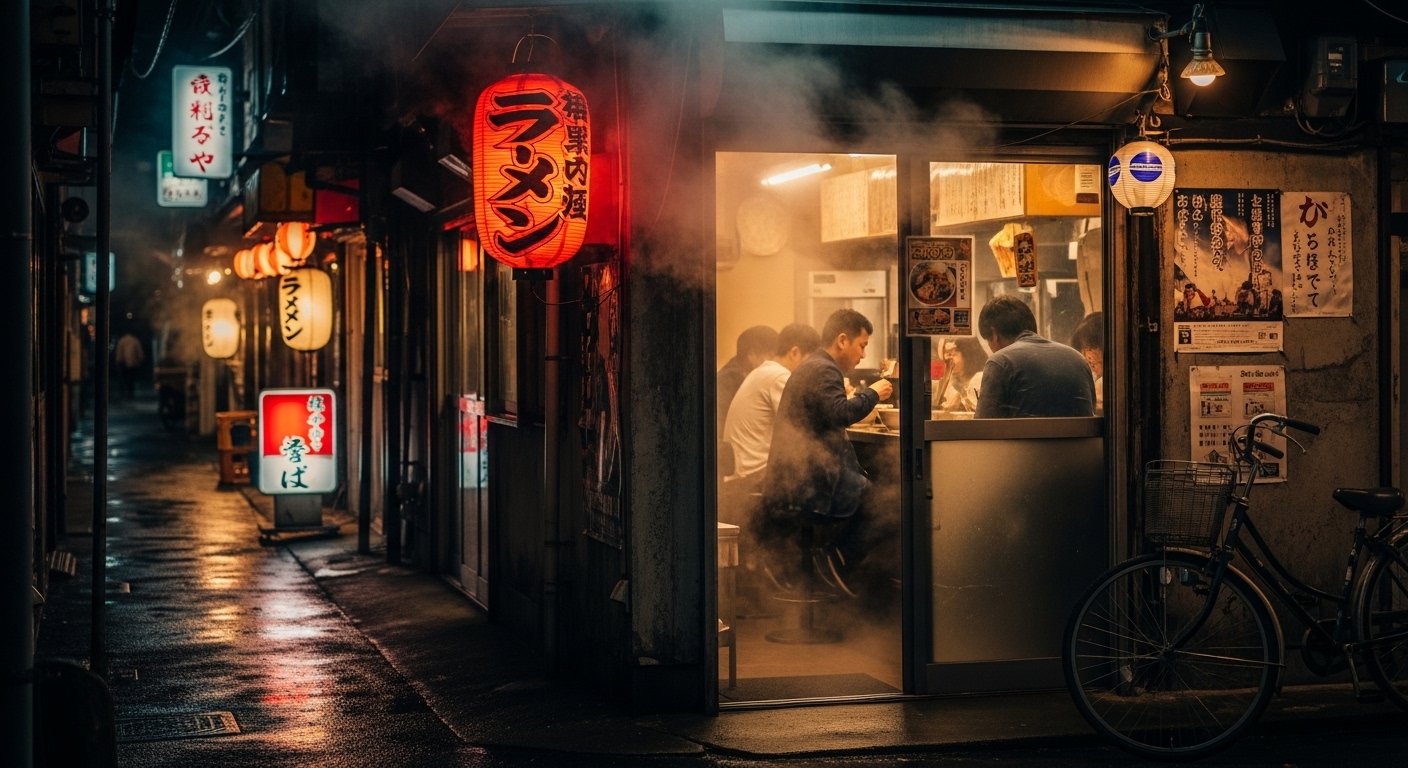
*Images used in this article are for illustration only. They may not be directly related to the content.
Omisoka Dinner Dilemma: Finding Late-Night Eats & Toshikoshi Soba on New Year’s Eve
Planning to experience New Year’s Eve in Japan, known as Omisoka? You’re likely anticipating a unique cultural experience. However, the search for a satisfying dinner, especially for specific late-night eats or traditional Toshikoshi Soba, can present a significant challenge. Most restaurants operate on reduced hours or close entirely, leading to frustration for visitors seeking a spontaneous meal or a taste of tradition.
This guide removes the friction from your Omisoka dinner hunt. We will provide practical strategies for navigating restaurant closures, locating authentic Toshikoshi Soba, finding alternative late-night options, and managing your budget. By the end, you will have a clear plan to enjoy a memorable New Year’s Eve meal in Japan, whether you seek traditional noodles or a convenient bite after midnight.
Table of Contents
- The Challenge of Omisoka Dining
- Understanding Toshikoshi Soba: Tradition and Timing
- Navigating the Omisoka Dinner Hunt: Your Action Plan
- Price Breakdown: What to Expect for Omisoka Dinner
- 🇯🇵 Point & Speak: Essential Phrases for Dining on Omisoka
- Local Pro-Tips for a Smooth Omisoka Meal
- Common Mistakes to Avoid on Omisoka
- 📋 Quick Reference Card: Your Omisoka Dining Checklist
- Frequently Asked Questions
The Challenge of Omisoka Dining
Omisoka, December 31st, is one of Japan’s most significant holidays. Unlike Western New Year’s Eve, which often features large public celebrations, Omisoka is primarily a time for families to gather at home. This cultural difference directly impacts the dining landscape for visitors.
Most smaller, independent restaurants and shops begin closing from midday or early evening on Omisoka. Many remain closed through January 1st to 3rd (Shogatsu holidays). This means that finding a sit-down dinner without prior planning, especially if you desire something specific, becomes difficult. Spontaneous dining is rarely an option.
Demand for the few establishments that remain open is high. Restaurants that do operate often require advance reservations and may offer special, pricier holiday menus. This can lead to frustration for those looking for a standard meal or a budget-friendly option.
Compounding these issues are potential language barriers. Inquiring about opening hours, availability, or menu specifics can be challenging without basic Japanese phrases or translation tools. Understanding local customs, such as the timing for Toshikoshi Soba, is also key to a smooth experience.
Understanding Toshikoshi Soba: Tradition and Timing
Toshikoshi Soba (年越しそば), or “year-crossing noodles,” is a cornerstone of Omisoka tradition. This dish is eaten on New Year’s Eve, typically before midnight. The long, thin buckwheat noodles symbolize a long life and the cutting of ties with the past year’s troubles, preparing for a fresh start.
While often a simple dish—soba noodles in a hot dashi broth, sometimes with tempura or other toppings—its cultural significance is substantial. Many Japanese families prepare and eat Toshikoshi Soba at home. This contributes to the widespread closures of smaller eateries on Omisoka.
If you wish to experience authentic Toshikoshi Soba outside of a home setting, soba restaurants (soba-ya) are your primary target. Some soba establishments specifically extend their hours on Omisoka to cater to Toshikoshi Soba demand, often with queues forming outside. Peak consumption time is typically in the evening, leading up to midnight.
Alternatively, if a sit-down restaurant is not feasible, convenience stores (konbini) offer instant soba options, and supermarkets (if you manage to get there before they close) may have pre-packaged soba meals. While not the traditional experience, these provide a way to partake in the custom when other options are unavailable.
Navigating the Omisoka Dinner Hunt: Your Action Plan
A proactive approach is essential for securing a desirable dining experience on Omisoka. Here’s a step-by-step guide.
Advance Planning: Your Best Defense
- Research Early: Start checking restaurant websites and online booking platforms 1-2 months in advance. Look for specific announcements regarding New Year’s Eve hours and holiday menus.
- Utilize Online Booking Platforms: Services like Tabelog, Hot Pepper Gourmet, and Gurunavi (all have English versions) are indispensable. Filter by “New Year’s Eve” or “Omisoka” if available, or manually check listed holiday hours.
- Prioritize Reservations: For any sit-down dinner, especially in major cities or for popular venues, a reservation is highly recommended. Many places will be fully booked weeks in advance. If staying at a hotel, your concierge can be a valuable resource for making reservations.
Option 1: Sit-Down Restaurants
For Authentic Toshikoshi Soba: Soba-ya
Dedicated soba restaurants (soba-ya) are the best place for fresh, authentic Toshikoshi Soba.
- What to look for: Many will have signs indicating special Omisoka hours or a dedicated Toshikoshi Soba menu. Look for a white or red lantern (提灯 – chōchin) outside, which typically indicates an open establishment. Expect queues, especially in the evening.
- Timing: Aim for earlier in the evening if you want to avoid peak crowds, but be aware that some might stay open closer to midnight.
For General Dinner (Non-Soba)
Finding a non-soba sit-down dinner late on Omisoka requires targeted effort.
- Hotel Restaurants: Major hotel restaurants often remain open and offer special holiday menus. These are typically more expensive and require advance reservations, but they offer reliability and often English-speaking staff.
- Nationwide Family Restaurant Chains: Chains like Gusto, Denny’s (Japan), Saizeriya, and Jonathan’s often have extended or even 24-hour operations. They provide diverse menus, are generally budget-friendly, and are a reliable non-soba option.
🎯 Local Pro-Tip: Even for chain restaurants, verify specific location hours online as they can vary. A quick search for “[Restaurant Name] + [City] + 大晦日 営業時間” (Omisoka eigyō jikan – New Year’s Eve opening hours) is useful.
Option 2: Reliable Late-Night & Budget-Friendly Choices
When sit-down options are scarce or unappealing, these alternatives are your fallback:
- Convenience Stores (Konbini): 7-Eleven, FamilyMart, and Lawson operate 24/7 nationwide and will be open on Omisoka. They offer a range of options, including:
- Pre-made bento boxes, onigiri (rice balls), sandwiches.
- Hot snacks like karaage (fried chicken) and oden (hot pot stew).
- Instant noodles, including instant soba, allowing you to participate in the Toshikoshi Soba tradition simply.
- Drinks, sweets, and other essentials.
Konbini are a consistent, affordable solution for late-night food, even after midnight.
- Fast Food Chains: McDonald’s, Yoshinoya (beef bowls), Sukiya (beef bowls), and other major fast-food chains often maintain extended hours or 24-hour service. They offer a quick, familiar, and inexpensive meal.
- Supermarkets: While most supermarkets will close earlier on Omisoka (often by 6-7 PM), if you plan ahead, you can purchase pre-made meals, fresh ingredients, or chilled soba kits to prepare a meal at your accommodation.

Price Breakdown: What to Expect for Omisoka Dinner
Budgeting for Omisoka dinner is important, as holiday demand can affect pricing. Here’s a general guide:
💰 Price Breakdown
| Item/Option | Estimated Cost (per person) |
| Casual Toshikoshi Soba at a soba-ya | ¥600-¥1,500 |
| Family restaurant meal (e.g., Gusto) | ¥800-¥2,000 |
| Convenience store meal (bento + drink) | ¥500-¥1,000 |
| Fast food meal (e.g., Yoshinoya) | ¥400-¥900 |
| Upscale hotel restaurant dinner (with reservation) | ¥5,000+ |
Prices are estimates and can vary based on location, specific items, and holiday surcharges. Verified as of December 2024.
🇯🇵 Point & Speak: Essential Phrases for Dining on Omisoka
Overcoming language barriers is crucial. Practice these phrases or save this section to show to restaurant staff.
🇯🇵 Point & Speak
Show this section to staff if you’re stuck. They can read the Japanese.
English: Are you open on New Year’s Eve?
大晦日は営業していますか?
(Ōmisoka wa eigyō shiteimasu ka?)
English: Do you have Toshikoshi Soba?
年越しそばはありますか?
(Toshikoshi soba wa arimasu ka?)
English: What time do you close tonight?
今夜は何時に閉まりますか?
(Kon’ya wa nanji ni shimarimasu ka?)
English: Do you have any seats available?
席は空いていますか?
(Seki wa aiteimasu ka?)
English: Is it possible to eat after 9 PM?
午後9時以降に食事ができますか?
(Gogo kuji ikō ni shokuji ga dekimasu ka?)
Local Pro-Tips for a Smooth Omisoka Meal
🎯 Local Pro-Tip: Embrace Flexibility. While planning is important, maintain flexibility. If your first choice is closed or fully booked, have a backup plan. A konbini meal can be surprisingly satisfying and allows you to participate in the holiday’s low-key atmosphere.
- Check for “年末年始休業” (nenmatsu nenshi kyūgyō) signs: These signs, often posted near restaurant entrances, indicate “New Year’s holiday closure.” If you see one, the establishment is likely closed for the holidays.
- Look for ‘満席’ (manseki) signs: These red signs or digital notices at restaurant entrances mean ‘fully booked’ or ‘no seats available’. Save yourself time if you see one.
- Utilize Hotel Concierge: If you are staying at a hotel, their concierge service is invaluable for making reservations or confirming opening hours, especially with language barriers. They often have local knowledge of which establishments cater to guests during holidays.
- Consider Takeaway/Delivery: While less common for Omisoka, some major chains might offer delivery services through apps like Uber Eats or Demae-can. Check their availability in your area.
- Dine Early: If you’re not set on a specific late-night experience, consider having dinner earlier in the evening (before 7 PM) to beat the rush and find more options before places begin to close.
Common Mistakes to Avoid on Omisoka
- Assuming Normal Operating Hours: This is the most common pitfall. Omisoka is not a regular day, and most non-essential businesses will be closed or have drastically reduced hours.
- Not Making Advance Reservations: Relying on walk-ins for a sit-down dinner on Omisoka will almost certainly lead to disappointment, particularly in popular areas or for non-casual dining.
- Underestimating Demand: Even for open establishments, demand will be high. Expect queues and potentially longer wait times.
- Ignoring Non-Traditional Options: If your heart is set on a specific experience, plan meticulously. Otherwise, be open to convenience stores or family restaurants. They are reliable lifelines.
- Not Preparing Key Phrases: Without basic Japanese phrases or a translation app, inquiring about restaurant status can be frustrating.
- Waiting Until After Midnight: While some establishments like konbini are 24/7, most sit-down restaurants (even if open on Omisoka) will close around or shortly after midnight. Plan your main meal before the bell tolls for Joya no Kane.
📋 Quick Reference Card: Your Omisoka Dining Checklist
📋 Quick Reference Card
Screenshot or print this section for easy access:
- ✅ Book Early: Secure reservations 1-2 months ahead for sit-down dining.
- ✅ Know Your Soba: Decide if you want authentic Toshikoshi Soba (soba-ya) or quick (konbini).
- ✅ Backup Options: Identify nearby convenience stores or family restaurants.
- ✅ Check Hours: Verify specific opening/closing times online for Omisoka.
- ✅ Learn Phrases: Keep essential Japanese dining phrases handy.
- ✅ Budget: Be aware of potential holiday pricing; konbini offer best value.
- ✅ Concierge Use: Leverage your hotel concierge for assistance.
Frequently Asked Questions
Can I find non-soba options for dinner on New Year’s Eve?
Yes, but choices will be limited. Major hotel restaurants, nationwide family restaurant chains (like Gusto or Denny’s), and some fast-food outlets (McDonald’s, Yoshinoya) are your best bets for non-soba sit-down meals. Convenience stores also offer a wide array of pre-made dishes.
Are restaurants open late after midnight on Omisoka?
Most sit-down restaurants, even if open on Omisoka, will close around or shortly after midnight. For food after midnight, your most reliable options are 24/7 convenience stores (7-Eleven, FamilyMart, Lawson) and some 24-hour fast-food chains.
How can I overcome language barriers when looking for food?
Prepare key Japanese phrases (see our “Point & Speak” section), use translation apps (like Google Translate), or leverage your hotel concierge. Pointing to menu items with pictures is also an effective strategy. Online booking sites with English interfaces are helpful for initial research.
Will Toshikoshi Soba be expensive on Omisoka?
A typical bowl of Toshikoshi Soba at a casual soba restaurant usually ranges from ¥600-¥1,500. While some upscale establishments might charge more, and holiday demand could lead to slight price increases, it generally remains an affordable traditional meal. Convenience store instant soba is the most budget-friendly option.
Conclusion
Navigating the Omisoka dinner dilemma in Japan requires preparation, flexibility, and awareness of local customs. While restaurant closures and booking challenges are real, a strategic approach allows you to secure a satisfying meal, whether it’s traditional Toshikoshi Soba, a reliable family restaurant dinner, or a convenient late-night snack. Embrace the unique atmosphere of New Year’s Eve, plan effectively, and you will ensure your culinary experience is part of a memorable Japanese holiday.
Safe travels and happy dining!
Disclaimer
Information regarding restaurant opening hours and availability on Omisoka is subject to change. It is crucial to verify details directly with establishments or reliable online sources close to your travel date. While efforts have been made to ensure accuracy, individual restaurant policies and local circumstances can vary.