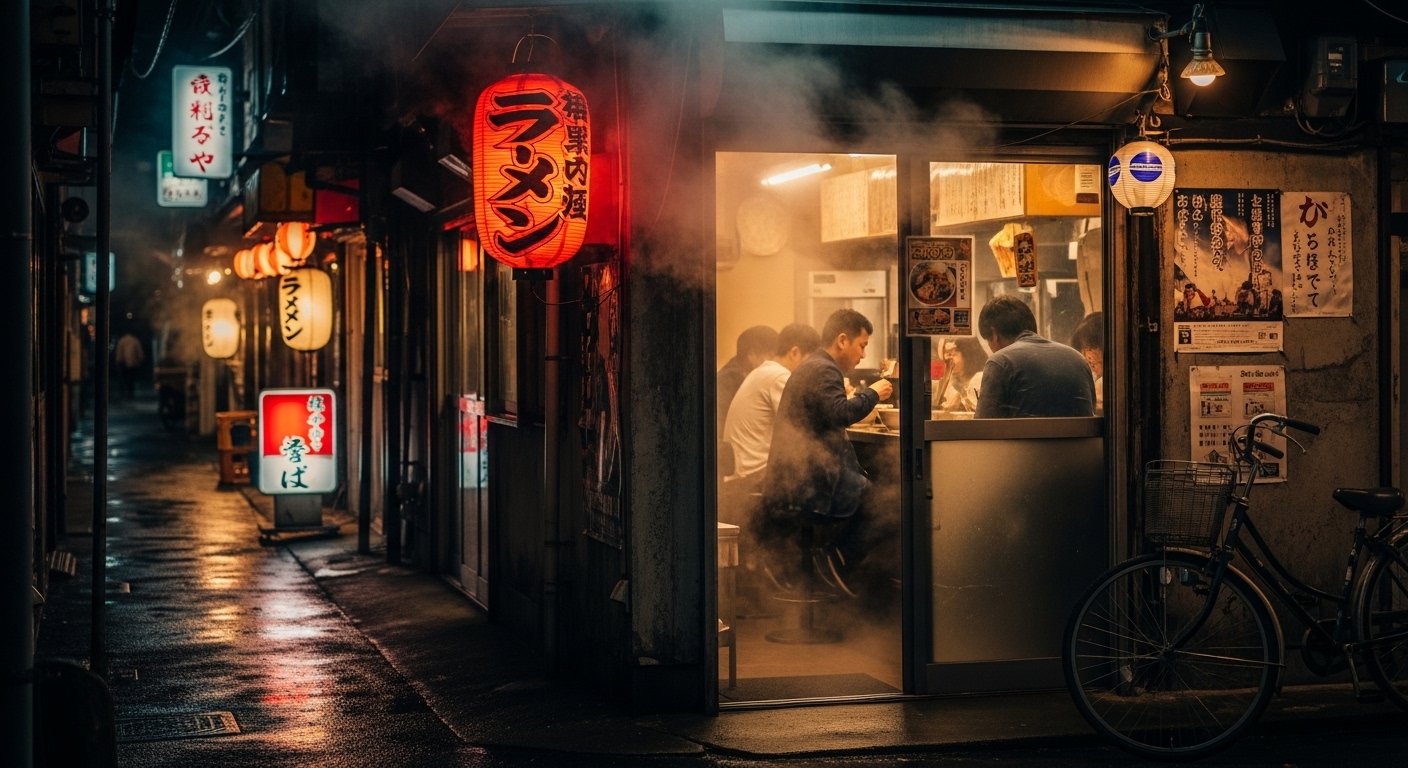
*Images used in this article are for illustration only. They may not be directly related to the content.
Tokyo Late Dinner & New Year’s Feast: Your Guide to Restaurants Open Past 9 PM
You’ve just finished a full day exploring Tokyo, the city’s energy still buzzing around you. Your stomach rumbles, but as you glance at your watch, it’s already past 9 PM. A familiar anxiety sets in: will anything still be open? This challenge becomes even more pronounced during the late winter and New Year’s holiday period, when many establishments unexpectedly close their doors or significantly reduce hours.
The fear of resorting to a convenience store dinner after a long day is real. We understand this friction. This guide is designed to remove that uncertainty, providing practical strategies and reliable options for finding quality dinner in Tokyo past 9 PM, specifically navigating the New Year’s holiday closures (generally December 29th to January 3rd). We’ll equip you with the knowledge to make confident dining choices, even last-minute.
Table of Contents
Tokyo’s Dining Rhythm: Understanding the Challenge
Unlike some Western cities, Tokyo’s dining scene often operates on a different schedule. Many traditional Japanese restaurants, particularly smaller, independent establishments, prioritize family life and typically conclude dinner service by 9 PM or 10 PM. Last orders are often placed 30 to 60 minutes before closing, which can catch visitors off guard. This rhythm means that if you’re looking for a Tokyo late dinner, you need a targeted approach.
The late winter period, especially leading into and during the New Year’s holidays (Shogatsu), complicates matters further. From approximately December 29th to January 3rd, many businesses across Japan, including restaurants, either close entirely or operate with significantly reduced hours. January 1st (New Year’s Day) sees the most widespread closures. This cultural practice of taking time for family celebrations means that spontaneity can be difficult, making proactive planning essential for your Tokyo New Year restaurant search.
Your Go-To Spots: Where to Find Food Late & During Holidays
While many places close early, specific areas and types of establishments in Tokyo are reliable for late-night dining and often maintain adjusted hours during the New Year’s period. Knowing where to look is key to securing your Tokyo late dinner.
Late-Night Hubs: Areas to Prioritize
Certain districts in Tokyo are synonymous with nightlife and entertainment, and thus, late-night dining. Focus your search in these areas:
- Shinjuku: Especially Kabukicho and Golden Gai. Numerous izakayas, ramen shops, and bars stay open until the early morning.
- Shibuya: Centered around the famous crossing, Shibuya offers a multitude of restaurants catering to a younger crowd and late hours.
- Roppongi: Known for its international nightlife, Roppongi has many restaurants and bars open late, often with English-speaking staff.
- Ikebukuro & Ueno: These major transport hubs also feature bustling entertainment districts with late-night food options.
- Parts of Ginza: While generally upscale, some areas in Ginza, especially near theaters and entertainment venues, offer later dining.
These areas concentrate options, increasing your chances of finding something open past 9 PM, even if it requires a short walk.

Reliable Restaurant Categories for Late & Holiday Hours
When searching for a Tokyo late dinner or a meal during the New Year’s period, certain types of restaurants are your best bet:
- Izakaya (Japanese Pubs): Many izakayas are designed for late-night socializing, with closing times often past midnight. Larger chains like Watami, Shirokiya, and Torikizoku are particularly reliable. They offer a diverse menu of small dishes, drinks, and a lively atmosphere.
- Ramen Shops: Especially those located in entertainment districts, ramen shops are a staple for late-night eats. Many are open until 2 AM or later. Look for places with ticket vending machines (食券 – shokken) outside, often indicating quick service.
- ‘Family Restaurants’ (Famiresu): Chains such as Denny’s, Gusto, Saizeriya, and Jonathan’s are incredibly practical. Many operate until late hours, and some are even 24/7, providing consistent menus and environments. They are a safe bet for a Tokyo dinner past 9 PM.
- Fast Food Chains: McDonald’s, Lotteria, Mos Burger, and other international and domestic fast-food joints often have extended hours, with some branches operating 24/7.
- Hotel Restaurants: Larger international hotels typically maintain regular or only slightly adjusted hours during holidays. These can be excellent options for a reliable (though often pricier) meal, and their concierges can assist with reservations.
- Convenience Stores (Konbini): Lawson, FamilyMart, and 7-Eleven are ubiquitous and operate 24/7. They offer a surprisingly varied selection of hot bento boxes, sandwiches, fresh salads, onigiri, instant noodles, and hot snacks like fried chicken. While not a traditional restaurant experience, they are a guaranteed option when all else fails, especially during holiday closures.

Planning Ahead: Tools & Strategies for Success
The key to beating unexpected closures and limited choices is proactive planning. Don’t rely solely on walking around. For a successful Tokyo late dinner, leverage online tools and local knowledge.
Online Platforms: Your Digital Fixer
Utilize these platforms to check opening hours and make reservations:
- Google Maps: Invaluable for real-time information. Search for restaurants and check their listed operating hours. Filter by “Open now” or select a specific time to see what’s available. Keep in mind that holiday hours might not always be immediately updated, so cross-reference.
- Tabelog (食べログ): tabelog.com/en/ This is Japan’s most comprehensive restaurant review and reservation site. Filter by closing time, area, and cuisine. For holiday hours, look for notices or call directly if possible.
- Gurunavi (ぐるなび): gurunavi.com/en/japan_food_guide/lst/ Similar to Tabelog, Gurunavi offers extensive listings and reservation capabilities. It often has more English support.
- Hot Pepper Gourmet (ホットペッパーグルメ): hotpepper.jp/ While primarily in Japanese, it’s a popular reservation platform. Some listings may have English summaries.
When using these platforms, specifically look for terms like 「年末年始営業時間」 (nenmatsu nenshi eigyo jikan – New Year’s holiday opening hours) or 「年末年始休業」 (nenmatsu nenshi kyūgyō – New Year’s holiday closure). These phrases will be critical for your Tokyo New Year restaurant search.
Reservations: Don’t Underestimate Their Importance
For popular restaurants, especially during the New Year’s holiday period, reservations are highly recommended, often essential. High-end establishments can be fully booked weeks or even months in advance. Even for mid-range places, booking a table ensures you won’t be turned away after a long day. Use the online platforms mentioned above, or ask your hotel concierge for assistance.

Visual Cues & Local Knowledge: What to Look For
When you’re on the street, here’s what to look for:
- Bright Signboards: Convenience stores, family restaurants, and some fast-food chains often have large, brightly lit signs with “OPEN” or “24H” prominently displayed.
- Opening Hours (営業時間): Check restaurant doors or windows for 「営業時間」 (eigyo jikan), followed by times like “11:00-15:00, 17:00-22:00”.
- Holiday Notices: Look for notices like 「年末年始休業」 (nenmatsu nenshi kyūgyō – New Year’s holiday closure) or 「年末年始営業時間」 (nenmatsu nenshi eigyo jikan – New Year’s holiday opening hours) often posted in red or contrasting colors.
- Red Lanterns (提灯 – chōchin): These are common outside izakayas, which are your prime candidates for late dining.
- Ticket Machines (食券 – shokken): Outside ramen shops, these machines indicate quick, often late-night, service. Many have pictures, assisting non-Japanese speakers.
Even if you don’t speak Japanese, these visual cues can provide valuable information about a restaurant’s operating status.
🇯🇵 Point & Speak: Essential Phrases for Dining
Language barriers can be a significant source of friction. Use these polite Japanese phrases to quickly clarify opening hours, last orders, and availability. You can show this section to restaurant staff.
🇯🇵 Point & Speak
Show this section to staff if you’re stuck. They can read the Japanese.
English: Are you open now?
今開いていますか?
(Ima aite imasu ka?)
English: What time do you close?
何時に閉まりますか?
(Nan-ji ni shimarimasu ka?)
English: What time is the last order?
ラストオーダーは何時ですか?
(Rasuto ōdā wa nan-ji desu ka?)
English: Are you open on New Year’s Day?
お正月も開いていますか?
(Oshōgatsu mo aite imasu ka?)
English: Do you have a table for [number] people?
「[人数]名」ですが、席はありますか?
([Ninjū] mei desu ga, seki wa arimasu ka?)
(Replace [人数] with “ni-mei” for 2 people, “san-mei” for 3, etc.)
🎯 Local Pro-Tips for a Smooth Experience
🎯 Local Pro-Tip: Embrace the Konbini (Convenience Store). During New Year’s, when even the most reliable chains might close early, a Japanese convenience store is your guaranteed food source. They offer fresh, quality meals, including hot items, 24/7. Think of it as a culinary safety net.
Budgeting for Late-Night & Holiday Dining
Your Tokyo late dinner can vary in cost depending on your choice. Convenience stores and fast food are the most budget-friendly, offering meals for under ¥1,000. Family restaurants and casual ramen or izakaya spots typically range from ¥1,000 to ¥3,000 per person. Hotel restaurants or specialized New Year’s courses (Osechi-ryori, often pre-ordered or served in special celebratory courses at higher-end establishments) will be significantly more expensive, potentially ¥5,000+ per person. Be mindful that during New Year’s, some places may have special menus with higher prices or require minimum orders.
Navigating Language Barriers
Beyond the Point & Speak phrases, consider these strategies:
- Translation Apps: Google Translate or DeepL are powerful tools. Use their camera function to translate menus or signs.
- Picture Menus: Many restaurants, especially ramen shops and izakayas in tourist areas, offer menus with clear pictures.
- English Menus: Ask for 「英語のメニューはありますか?」 (Eigo no menyū wa arimasu ka? – Do you have an English menu?).
- Hotel Concierge: Leverage your hotel staff. They can call restaurants, confirm hours, and make reservations on your behalf.
Seasonal Considerations: Beyond Just Hours
The New Year’s period is culturally significant. Many local businesses close to allow staff to celebrate with family. This is not just about modified hours; it’s a reflection of Japanese tradition. While it limits dining options, it also offers a unique insight into Japanese culture. Some larger cities may have illumination events or countdowns around New Year’s Eve, which might keep surrounding eateries open later, but this requires specific verification for each location.

Common Mistakes to Avoid
To ensure a smooth dining experience, avoid these common pitfalls:
- Assuming All Places Are Open: Do not assume that because a restaurant is in a major city, it will have late hours or be open during New Year’s. This is the primary cause of frustration.
- Not Checking Holiday Specific Hours: Simply looking at regular opening hours online is insufficient during late December and early January. Always verify for ‘nenmatsu nenshi’ (年末年始) hours.
- Ignoring Reservations for Popular Spots: Showing up at a highly-rated restaurant, especially during peak season or holidays, without a reservation is likely to result in disappointment.
- Underestimating Last Order Times: Last order can be significantly before closing. Arriving 30 minutes before closing time means you might not get a meal. Aim to be seated at least an hour before closing.
- Relying Solely on English Websites: While helpful, some local businesses may only update their Japanese websites or social media with holiday information. Cross-reference with Google Maps and look for Japanese notices.
Frequently Asked Questions
What is the typical closing time for restaurants in Tokyo?
Many traditional and smaller Japanese restaurants typically close by 9 PM or 10 PM for dinner, with last orders often taken 30-60 minutes prior. Lunch service usually runs from 11 AM – 2 PM, followed by a break before dinner starts around 5 PM or 6 PM.
Are restaurants open on New Year’s Day (January 1st) in Tokyo?
January 1st is when the most closures occur during Japan’s New Year’s holiday period (typically Dec 29th – Jan 3rd). While many local establishments will be closed, you can reliably find options like larger chain izakayas, ramen shops in entertainment districts, family restaurants (Denny’s, Gusto), fast food, and convenience stores open. Hotel restaurants are also a good bet.
What areas of Tokyo are best for finding late-night dinner options?
Areas known for a higher concentration of late-night dining options include Shinjuku (especially Kabukicho and Golden Gai), Shibuya, Roppongi, Ueno, and Ikebukuro. These districts cater to nightlife and entertainment, often maintaining later hours.
Do I need reservations for late-night or New Year’s dining in Tokyo?
Yes, making reservations is highly recommended, especially for popular establishments or during the New Year’s holiday period. High-end restaurants may be fully booked weeks or months in advance. Even for casual places, booking ahead reduces uncertainty and wait times.
Conclusion
Navigating Tokyo’s dining scene after 9 PM, especially during the late winter and New Year’s holidays, requires a pragmatic approach. By understanding local rhythms, knowing which types of establishments and areas to target, and utilizing online tools for verification, you can consistently find quality dinner options.
Don’t let unexpected closures derail your plans. With this guide, you are equipped to confidently seek out your Tokyo late dinner, ensuring a satisfying end to your days of exploration, even during peak holiday periods. Plan ahead, verify hours, and enjoy the diverse culinary landscape Tokyo has to offer.
Disclaimer
While we strive for accuracy, opening hours, especially during holidays, are subject to change without prior notice. Always double-check directly with the restaurant or use up-to-date online platforms before making firm plans. This information is provided for general guidance and practical assistance.