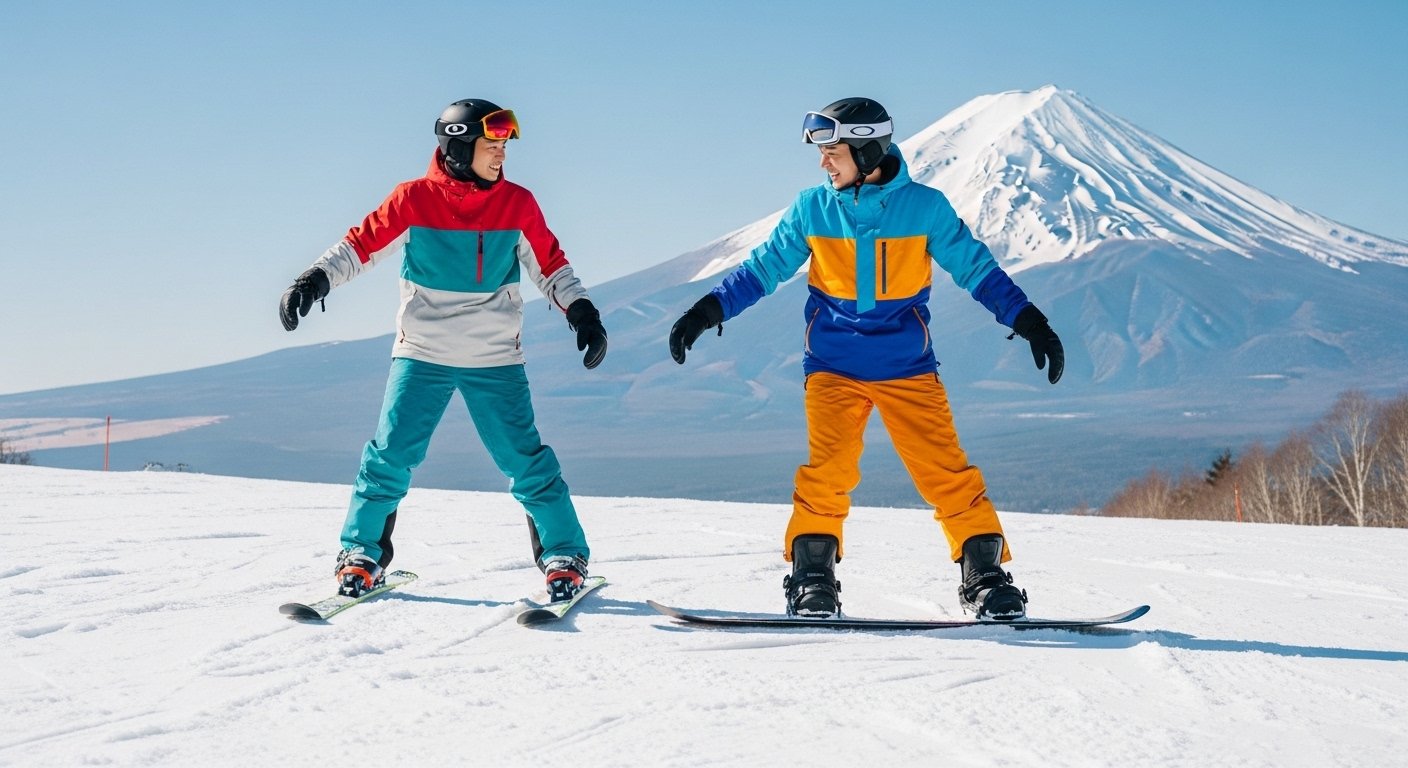
*Images used in this article are for illustration only. They may not be directly related to the content.
Tokyo’s Car-Free Winter Escapes: Accessible Snow Adventures for Skiers & Non-Skiers
Planning a winter trip to Japan, but the thought of navigating ski resorts without a rental car or understanding complex transport options feels daunting? You’re not alone. Many international visitors face challenges identifying accessible slopes, managing costs, finding activities beyond skiing, and overcoming language barriers.
This guide removes that friction. We’ll show you how to experience Japan’s winter wonderland directly from Tokyo, utilizing efficient public transport. Whether you’re an avid skier, a curious beginner, or simply seeking snowy fun without equipment, discover budget-friendly and hassle-free adventures that transform your Tokyo visit into a memorable winter escape.
Table of Contents
- Navigating Tokyo’s Winter Paradox: The Car-Free Challenge
- Your Public Transport Playbook: Easy Access from Tokyo
- The JR Tokyo Wide Pass: Your Budget Snow Ticket
- What to Expect: Rentals, Lift Tickets & Non-Skiing Fun
- Overcoming Language Barriers: Essential Phrases & Tips
- Your Winter Adventure at a Glance: Cost & Logistics
- Planning Your Trip: Timing, Booking & Packing
- Frequently Asked Questions
Navigating Tokyo’s Winter Paradox: The Car-Free Challenge
The vision of Japanese powder snow is compelling, but the reality of getting there from Tokyo can present hurdles. Many visitors express concerns about:
- Accessibility: Identifying ski resorts genuinely reachable by public transport without a rental car.
- Cost: The perceived high expense of a Japanese ski holiday, including transport, accommodation, and equipment.
- Inclusivity: A lack of clear information on suitable winter outdoor activities for non-skiers or absolute beginners.
- Logistics: Navigating Japan’s public transportation, ticketing systems, and rental services, especially with language differences.
- Rentals: Uncertainty about equipment rental processes, availability, and appropriate sizing for international visitors.
This guide tackles these points directly, providing practical solutions for a smooth experience.
Your Public Transport Playbook: Easy Access from Tokyo
Japan’s efficient rail network makes several excellent snow destinations highly accessible from Tokyo. Here are your top car-free options:
Option 1: Gala Yuzawa – Direct Shinkansen Convenience
Gala Yuzawa is a prime choice for its unparalleled accessibility. It’s the only ski resort in Japan with its own Shinkansen (bullet train) station directly integrated into the resort base lodge.
- How to get there: From Tokyo Station, take the Joetsu Shinkansen directly to Gala Yuzawa Station. The journey takes approximately 75-90 minutes.
- What to expect upon arrival: You step off the train and are immediately inside the “Ski Center Rest Area,” which houses ticket counters, rental shops, lockers, changing rooms, and direct gondola access to the slopes. It’s designed for seamless day trips.
- Who it’s for: Ideal for all skill levels, from families with young children to experienced skiers/snowboarders, and especially convenient for day-trippers or those staying in Echigo-Yuzawa.
🎯 Local Pro-Tip: To avoid weekend crowds, consider visiting Gala Yuzawa on a weekday. The slopes are less busy, and you’ll have an easier time with rentals and lift lines. Shinkansen tickets are also easier to secure.
Option 2: Naeba Ski Resort – Classic Slopes with a Shuttle Link
Naeba, famous for hosting the Fuji Rock Festival, is a larger resort offering extensive terrain and a lively atmosphere. It’s also reachable without a car.
- How to get there: From Tokyo Station, take the Joetsu Shinkansen to Echigo-Yuzawa Station (approx. 75-90 minutes). From Echigo-Yuzawa Station, frequent shuttle buses (often free for hotel guests or a small fee) connect directly to Naeba Ski Resort. The bus ride is about 40-50 minutes.
- Who it’s for: Best for those seeking a larger resort experience, potentially staying overnight, or confident in managing a bus transfer after the Shinkansen. The “Dragondola” connects Naeba to Kagura Ski Resort, offering even more terrain.

Option 3: Minakami Area – Beyond Skiing, Into Nature
The Minakami region in Gunma Prefecture offers a more diverse winter experience, combining skiing and snowboarding with hot springs and snow activities for non-skiers. It feels a bit more off the beaten path while still being accessible.
- How to get there: From Tokyo Station, take the Joetsu Shinkansen to Jomo-Kogen Station (approx. 70-80 minutes). From Jomo-Kogen, local bus services connect to various individual resorts like Tenjindaira or Hodaigi, as well as onsen towns.
- Who it’s for: Ideal for those looking for more than just skiing, wanting to try snowshoeing, relax in an onsen, or explore a quieter, more traditional Japanese winter landscape. Offers options for all skill levels across its various resorts.
🎯 Local Pro-Tip: Minakami is known for its outdoor activity operators. Many offer guided snowshoeing tours with English-speaking guides, a fantastic way for non-skiers or beginners to explore the winter forest safely.

The JR Tokyo Wide Pass: Your Budget Snow Ticket
This pass is a game-changer for budget-conscious travelers planning a winter escape from Tokyo. It significantly reduces transportation costs for your snow adventure.
What is the JR Tokyo Wide Pass?
The JR Tokyo Wide Pass allows for unlimited travel on JR lines, including the Joetsu Shinkansen (to Echigo-Yuzawa, Gala Yuzawa, Jomo-Kogen), for 3 consecutive days. This means you can make a round trip to a ski resort or even visit multiple locations within the 3-day window at a flat rate.
How to Purchase and Use the Pass:
- Purchase Location: You can buy the JR Tokyo Wide Pass at major JR stations like Tokyo Station, Narita Airport, Haneda Airport, and Shinjuku Station. Look for the “JR EAST Travel Service Center” or “Midori no Madoguchi” (みどりの窓口 – JR Ticket Office).
- Visual cue: At stations, look for signs with the green ‘JR’ logo and the orange ‘Midori no Madoguchi’ (みどりの窓口). Staff at these counters often have limited English support.
- Activation: The pass activates on the first day of use. You will receive a physical pass, often a card that you insert into the ticket gates.
- Reserving Shinkansen Seats: While the pass covers the fare, you should reserve seats for the Shinkansen, especially during peak travel times (weekends, holidays). This can be done at the same ticket counter where you buy the pass or at ticket machines with an English option. When reserving, show your JR Tokyo Wide Pass.
- Using the Pass: Insert the pass into the automatic ticket gates when entering and exiting JR stations. If gates don’t accept it, show it to the station staff at the manned gate.

💰 Price Breakdown (Estimated for 2026 Season)
| Item | Cost (Approx.) |
| JR Tokyo Wide Pass (3 days) | ¥15,000-18,000 |
| Adult Lift Ticket (1 day, standard resort) | ¥4,000-7,000 |
| Ski/Snowboard Full Set Rental (1 day) | ¥5,000-10,000 |
| Clothing Rental (Jacket/Pants, 1 day) | ¥3,000-5,000 |
| Lunch at Resort | ¥1,000-2,000 |
| Snow Park/Sledding Ticket (non-ski) | ¥1,000-2,000 |
Prices verified as of January 2026. Always check official resort websites for current rates and package deals.
The pass offers significant savings. A single round trip from Tokyo to Gala Yuzawa without the pass can cost around ¥14,000 for standard fare + limited express surcharge, making the pass a cost-effective solution for even a single day trip.
Common Mistakes to Avoid with the Pass:
- Not Reserving Seats: While you can sometimes find non-reserved seats, Shinkansen can be packed, especially on weekend mornings. Reserve your seats for comfort and certainty.
- Losing the Pass: Treat it like cash. Replacements are usually not issued.
- Using it on Non-JR Lines: The pass is valid only on JR lines and certain affiliated private railways within its designated area. Always confirm your route.
JR East Official Website (English)
What to Expect: Rentals, Lift Tickets & Non-Skiing Fun
Even if you’re new to snow sports or not planning to ski, Japan’s resorts are well-equipped to ensure you have a good time.
Equipment Rentals Made Simple
Most major resorts, especially those popular with international visitors like Gala Yuzawa and Naeba, have large rental shops with staff accustomed to assisting foreign guests.
- Location: Rental shops are typically located at the base lodge, near the lift ticket counters. At Gala Yuzawa, it’s right inside the station complex.
- Process: You’ll usually fill out a simple form with your height, weight, shoe size, and skill level. Staff will then assist you in selecting the correct skis/snowboard, boots, and poles.
- What to Rent: You can rent full sets (skis/board, boots, poles) or individual items. Helmets, goggles, and waterproof clothing (jackets, pants, gloves) are often available for separate rental.
- Sizing: Japanese sizing for clothing and shoes might differ slightly from your home country. Don’t hesitate to ask for assistance or try on multiple sizes to ensure a comfortable fit.
🎯 Local Pro-Tip: To save money, consider bringing your own base layers, socks, goggles, and gloves. These are generally more comfortable when personal. You can rent the bulkier items like skis, boots, jackets, and pants at the resort.

Lift Tickets & Value Packages
Lift ticket prices vary by resort, day (weekday vs. weekend), and season. Expect full-day adult lift tickets to range from ¥4,000 to ¥7,000.
- Check for Packages: Many resorts offer package deals that combine lift tickets with equipment rentals, and sometimes even a beginner lesson. These often provide better value than purchasing items separately.
- Beginner-Friendly Tickets: Some resorts offer cheaper tickets for access to only beginner slopes or specific “snow play” areas.
Gala Yuzawa Ski Resort Official Website (English)
Snow Fun for Everyone: Non-Skiers & Beginners
You don’t need to be a seasoned skier to enjoy Japan’s winter. Resorts cater to a wide range of interests:
- Snow Parks / Kids’ Parks: Most resorts have dedicated areas for sledding, tubing, and general snow play. These are fantastic for families and non-skiers, often requiring only a small entrance fee.
- Scenic Gondola Rides: Take a gondola up to a mountain observation deck for breathtaking winter views, without needing to ski down. Many resorts have restaurants or cafes at the top.
- Snowshoeing: Especially popular in areas like Minakami, snowshoeing allows you to explore tranquil winter landscapes. Rentals and guided tours are available.
- Onsen (Hot Springs): A quintessential Japanese experience, especially rejuvenating after a day in the snow. Many ski regions are famous for their hot springs, often accessible by local bus from the main station.

Overcoming Language Barriers: Essential Phrases & Tips
While major tourist spots and resorts often have English-speaking staff, having a few key phrases can greatly enhance your experience.
🇯🇵 Point & Speak
Show this section to staff if you’re stuck. They can read the Japanese.
English: I want to buy a ticket to Gala Yuzawa.
ガーラ湯沢までの切符をください。
(Gāra Yuzawa made no kippu o kudasai.)
English: Do you have ski/snowboard rental?
スキー/ボードのレンタルはありますか?
(Sukī/bōdo no rentaru wa arimasu ka?)
English: For one day.
一日だけです。
(Ichi-nichi dake desu.)
English: How much is it?
いくらですか?
(Ikura desu ka?)
English: Where is the bus stop for [resort name]?
(リゾート名)行きのバス停はどこですか?
(Resōto-mei iki no basutei wa doko desu ka?)
Additional Communication Tips:
- Translation Apps: Utilize apps like Google Translate or DeepL. The camera function can be invaluable for translating signs and menus.
- Information Desks: Look for information desks (案内所 – annaijo) at stations and resorts. Many have English-speaking staff or at least English signage.
- Politeness: A smile and a polite “Sumimasen” (Excuse me) go a long way when seeking assistance.
Your Winter Adventure at a Glance: Cost & Logistics
To help you prepare, here’s a quick summary for a typical day trip from Tokyo to a resort like Gala Yuzawa for a skier:
📋 Quick Reference Card: Car-Free Snow Trip
Screenshot or print this section for easy access:
- ✅ Main Transport: Joetsu Shinkansen from Tokyo Station.
- ✅ Cost Saver: JR Tokyo Wide Pass (~¥15,000-18,000 for 3 days).
- ✅ Top Direct Resort: Gala Yuzawa (train station directly connected).
- ✅ Rental Availability: All major resorts offer full ski/snowboard & clothing rentals.
- ✅ Non-Skier Options: Snow parks, scenic gondolas, snowshoeing, onsen.
- ✅ Key Phrases: “Gāra Yuzawa made no kippu o kudasai.” (Ticket to Gala Yuzawa, please) & “Sukī/bōdo no rentaru wa arimasu ka?” (Do you have ski/board rental?)
- ✅ Best Time: Weekdays in Jan-Feb for less crowds.
- ✅ Booking: Reserve Shinkansen seats in advance, especially weekends.
Planning Your Trip: Timing, Booking & Packing
Seasonal Considerations:
- Prime Season: The best snow conditions near Tokyo are typically from late December to late March, with January and February offering peak powder.
- Crowds: Weekends and national holidays see significant crowds. If possible, plan your trip for a weekday to enjoy a more relaxed experience and potentially shorter lines for rentals and lifts.
- Checking Conditions: Always check the official resort websites for real-time snow conditions, weather forecasts, and operating hours before you depart.
Booking & Reservations:
- Shinkansen: While the JR Tokyo Wide Pass covers your fare, it’s wise to reserve specific seats for your Shinkansen journey, especially for early morning departures or late evening returns on weekends.
- Accommodation: If you plan an overnight stay, book your accommodation in Echigo-Yuzawa or Minakami well in advance, as popular options fill up quickly during peak season.
- Lessons/Tours: If you require English-speaking ski/snowboard lessons or guided snowshoeing tours, book these ahead of time directly with the resort or activity provider.
Packing Essentials:
Even if you plan to rent outerwear, a few personal items are crucial for comfort:
- Base Layers: Moisture-wicking thermal tops and bottoms.
- Warm Socks: Wool or synthetic, dedicated ski/snowboard socks if possible.
- Hat/Beanie: To retain body heat.
- Waterproof Gloves: Essential for snow play.
- Goggles/Sunglasses: For eye protection from sun and snow.
- Sunscreen & Lip Balm: The sun’s reflection off snow can be intense.
- Small Backpack: For water, snacks, and personal items on the slopes.
- Camera: To capture the winter scenery.
Frequently Asked Questions
Can I really get to a ski resort from Tokyo without a car?
Yes, absolutely. Resorts like Gala Yuzawa are directly connected to a Shinkansen station, making car-free access straightforward. Others like Naeba and Minakami are easily reached via Shinkansen and a short, frequent shuttle bus ride from the station.
Is it expensive to ski in Japan? How can I save money?
A Japanese ski trip can be managed on a budget. The JR Tokyo Wide Pass is your biggest saver for transportation. For rentals, look for resort packages that combine lift tickets and equipment. Bringing your own base layers, gloves, and goggles can reduce rental costs. Consider eating lunch at convenience stores or bringing snacks to avoid higher resort prices.
What if I don’t ski or snowboard? Are there other activities?
Definitely! Many resorts offer dedicated “snow parks” for sledding and tubing. You can take scenic gondola rides for mountain views, try snowshoeing in quieter areas like Minakami, or visit a traditional onsen (hot spring) for relaxation. Japan’s winter experiences extend beyond just skiing.
Are English-speaking ski lessons available at these resorts?
Most major resorts popular with international visitors, such as Gala Yuzawa and Naeba, offer ski and snowboard lessons with English-speaking instructors. It’s advisable to check the resort’s official website and book these lessons in advance, especially during peak season.
How early should I arrive at Tokyo Station for my Shinkansen?
Aim to arrive at Tokyo Station at least 30-45 minutes before your Shinkansen departure. This allows ample time to locate your platform, navigate the station, and find your seat without rushing, especially if you need to pick up or exchange tickets.
Conclusion
Venturing into Japan’s winter wonderland from Tokyo without a car is not just possible, it’s practical and rewarding. By leveraging the efficient Shinkansen network and utilizing passes like the JR Tokyo Wide Pass, you can access world-class ski resorts and engaging snow activities with ease. Whether you carve down slopes, explore snowy trails, or relax in an onsen, these car-free escapes offer a unique and memorable facet of your Japanese journey.
Prepare for your trip with this guide, and experience the beauty of a Japanese winter firsthand. Your accessible snow adventure awaits.
For more Japan travel tips, check out our other guides: Travel Insurance for Winter Sports Activities in Japan, Onsen Etiquette: A Guide to Japanese Hot Springs.
Disclaimer
The information provided in this guide is based on data available as of January 2026. Prices, operating hours, and service availability are subject to change. Always verify details with official resort websites and transportation providers closer to your travel date. Engage in winter sports and activities responsibly and consider appropriate travel insurance for winter sports coverage.