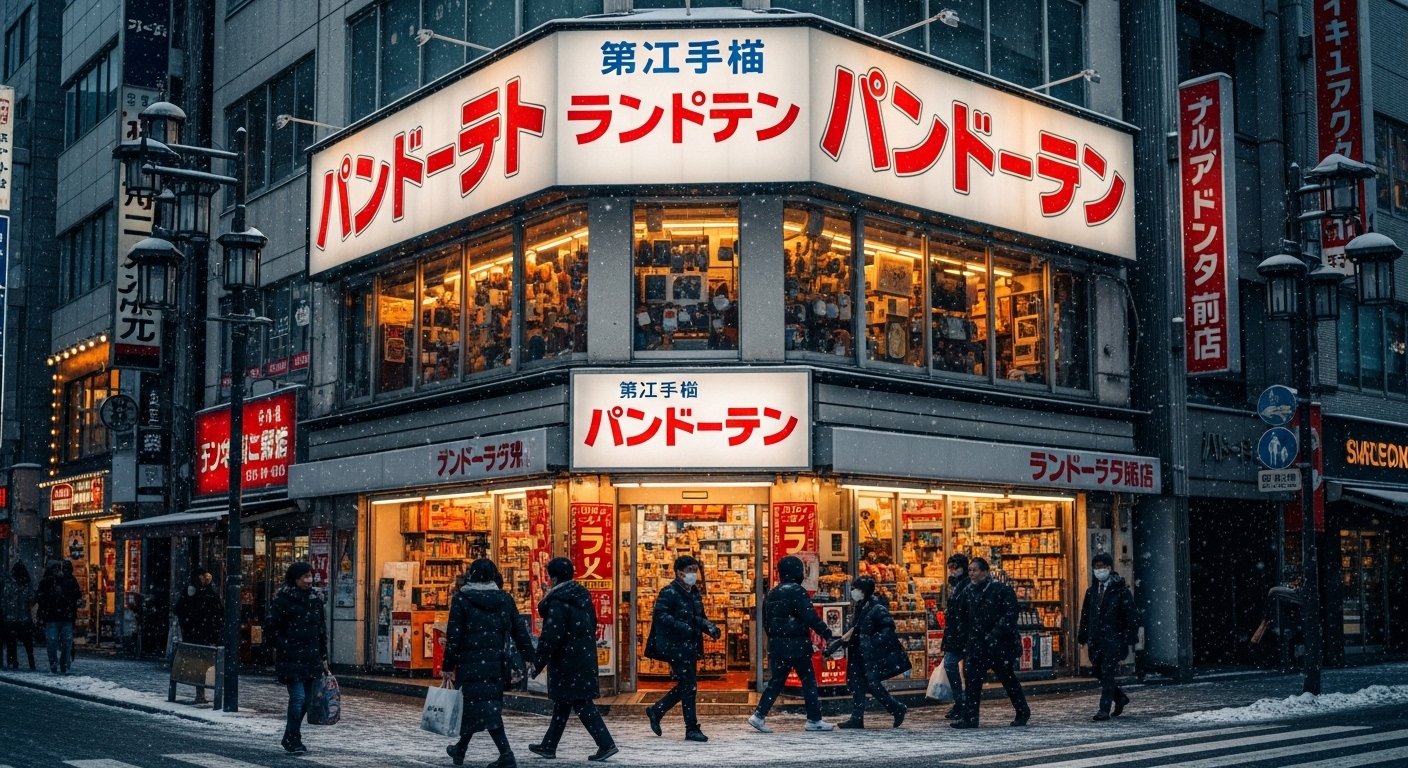
*Images used in this article are for illustration only. They may not be directly related to the content.
Tokyo’s Second-Hand Hobby Hunt: Master Retro Game & Manga Figure Bargains
Tokyo’s second-hand hobby market is a treasure trove for collectors, but it can feel overwhelming. Countless shops, wildly varying prices, and the constant concern for authenticity can turn a fun hunt into a frustrating ordeal. Are you struggling to tell a genuine deal from an overpriced item? Worried about navigating niche districts effectively or distinguishing authentic collectible figures from fakes?
This guide removes that friction. We’ll equip you with practical, actionable strategies to navigate Tokyo’s dense hobby landscape, identify genuine collectibles, and secure the best deals on retro games and manga figures. By the end, you’ll know exactly where to go, what to look for, and how to make the most of your Tokyo second-hand hobby adventure.
Table of Contents
- The Hunt Begins: Understanding Tokyo’s Second-Hand Landscape
- Key Districts for Your Treasure Map
- Navigating Value & Authenticity in Tokyo
- Practicalities for International Shoppers
- 🇯🇵 Point & Speak: Essential Japanese Phrases
- 💰 Price Breakdown: What to Expect
- 📋 Quick Reference Card: Your Cheat Sheet
- Common Mistakes to Avoid
- Frequently Asked Questions
- Conclusion
The Hunt Begins: Understanding Tokyo’s Second-Hand Landscape
Tokyo is globally recognized as a mecca for hobbyists, particularly those interested in retro games, anime, and manga. Its second-hand market is unparalleled in its depth and variety. However, this abundance can be intimidating.
The Overwhelm: Why it’s Challenging
You’re not alone if you feel daunted. Here are common pain points:
- Sheer Volume: Thousands of shops, from sprawling multi-story complexes to tiny, independent stalls, make it hard to know where to start.
- Price Discrepancies: The same item can vary significantly in price from one shop to the next, even within the same district. Identifying a good deal requires patience and comparison.
- Authenticity Concerns: For collectible figures, particularly high-value ones, the risk of encountering counterfeits is a real concern for international buyers.
- Niche Navigation: Each district, and sometimes even individual streets, caters to specific types of collectibles. Knowing where to go for what you seek saves time.
- Beyond Souvenirs: Finding truly unique or rare items requires looking past the typical tourist-facing shops.
Your Strategy: Efficiency & Authenticity
Success in Tokyo’s second-hand market hinges on a targeted approach. Rather than aimless wandering, focus on:
- Pre-Trip Research: Identify specific items or series you’re looking for.
- District Specialization: Understand which areas are best for certain categories.
- Shop Type Awareness: Know the differences between major chains and independent stores.
- Diligent Inspection: Always check item condition and authenticity yourself.
- Language Basics: A few key phrases can significantly improve your experience.
Key Districts for Your Treasure Map
Tokyo boasts several distinct districts, each with its own character and specializations for second-hand hobby goods. Knowing these will streamline your hunt.
Akihabara: The Electric Town Core
Akihabara is the undisputed epicenter for retro games, anime, and manga figures. It’s a vibrant, multi-layered experience. Don’t just look at ground level; many of the best shops are located on higher floors (2F, 3F, or even 7F+) of buildings. Utilize elevators and staircases.
- Super Potato: A retro gaming icon. Expect higher “tourist prices” due to its curated stock and prime visibility. They offer a nostalgic atmosphere with old arcade machines.
- Mandarake: A vast chain renowned for its extensive collection of anime, manga, doujinshi, figures, and retro games. The Akihabara branch, “Mandarake Complex,” is a multi-story building.
- Smaller Independent Shops: Scattered throughout Akihabara, these can offer unexpected bargains but require more searching. They might specialize in particular consoles or genres. Look for signs with ‘中古’ (chūko – used).
🎯 Local Pro-Tip: Look for Super Potato’s distinctive bright green, red, and yellow pixelated signage, often featuring classic game characters. They are typically found on upper floors in Akihabara.
🎯 Local Pro-Tip: Mandarake often has a dark, somewhat mysterious facade. Akihabara’s ‘Mandarake Complex’ is a towering, dark building with numerous floors, each dedicated to different genres.

Nakano Broadway: Vintage & Niche Collectibles
A crucial district, particularly renowned for vintage toys, rare figures, and niche collectibles. Nakano Broadway offers a more condensed, arcade-like shopping experience within a long, covered shopping arcade. Shops are typically smaller, side-by-side, and densely packed.
- Mandarake Branches: Nakano Broadway houses several specialized Mandarake shops, each focusing on specific categories like vintage toys, sci-fi figures, or shojo manga.
- Independent Stores: Numerous other independent stores here specialize in very specific, often rare, collectibles. Be prepared to dig.
🎯 Local Pro-Tip: Within Nakano Broadway, look for specific Mandarake shop names like ‘Mandarake Galaxy’ or ‘Mandarake Special’ branches, each with a unique focus. The arcade itself is a unique visual experience.

Ikebukuro: Otome Road & Beyond
Ikebukuro, especially around “Otome Road” (meaning ‘Maiden Road’), is a key area for female-oriented anime, manga, and doujinshi. This includes a significant selection of second-hand items and figures catering to specific fanbases. You’ll find stores like Animate, K-BOOKS, and Lashinbang with dedicated second-hand sections.

Nationwide Chains: Book-Off & Hard-Off for Bargains
These chains are excellent for potential bargains, though they require more searching and may not have the highly curated selection of specialty stores. They are found across Tokyo, not just in central hobby districts.
- Book-Off: Primarily focuses on used books, manga, CDs, DVDs, and also carries a significant amount of used games (consoles and cartridges).
- Hard-Off: Specializes in electronics, instruments, and often has a larger selection of retro games and consoles, sometimes including “junk” items at very low prices (buyer beware!).
🎯 Local Pro-Tip: Book-Off and Hard-Off have large, highly visible blue and yellow signboards. Book-Off is more general, while Hard-Off specializes in electronics.

Navigating Value & Authenticity in Tokyo
Securing a good deal isn’t just about price; it’s about getting genuine items in acceptable condition. Understanding Japanese retail practices and knowing how to inspect goods is crucial.
Price Discrepancies & Where to Bargain
Prices for retro games and figures vary wildly. Large, well-known chains like Super Potato often have higher “tourist prices” due to curated stock and prime locations. Smaller independent shops or nationwide chains like Book-Off/Hard-Off may offer better bargains but require more searching and may have less predictable inventory.
🎯 Local Pro-Tip: Japanese retail culture generally does not involve haggling over prices. Listed prices are firm. Focus your efforts on comparing prices between different stores instead.
Authenticity Checks for Figures
For high-value collectible figures, authenticity is paramount. While major second-hand chains like Mandarake are generally reliable, it’s always wise to inspect items yourself, especially if you’re making a significant purchase.
- Manufacturer Logos: Look for official manufacturer logos on the packaging (e.g., Bandai, Good Smile Company, Max Factory, Kotobukiya).
- Packaging Quality: Genuine figures typically have high-quality printing, crisp images, and sturdy packaging. Fakes often have blurry prints, weak cardboard, or misspellings.
- Sculpt & Paint Quality: Inspect the figure itself. Authentic figures have sharp details, clean paint applications, and accurate colors. Fakes often show poor sculpting, sloppy paint, visible mold lines, or incorrect color palettes.
- Compare Online: If possible, quickly reference images of the genuine product online (e.g., from the manufacturer’s official website or reliable hobby news sites) on your phone.

Understanding Condition Grading (A, B, C, Junk)
Japanese second-hand stores are meticulous with condition grading. Items are often graded (A, B, C, or specific descriptions) for packaging, content, and functionality. “Junk” items are sold as-is, often very cheap, and may require repairs.
- Packaging (箱 – Hako): Check for dents, tears, sun fading, or missing parts of the box.
- Contents (中身 – Nakami): For games, check if the manual (説明書 – setsumeisho) is present. For figures, ensure all accessories are included.
- Item Itself:
- Figures: Inspect for dust, scratches, broken joints, missing parts, or discoloration/yellowing from UV exposure.
- Games/Consoles: Check for deep scratches on discs, damage to cartridge labels, corrosion on console ports, or operational issues (though testing isn’t always possible).
- Ask to Inspect: If an item is in a sealed case, politely ask staff if you can view it more closely.

Practicalities for International Shoppers
A few practical considerations will ensure your shopping experience is smooth and financially savvy.
Tax-Free Shopping: Maximize Your Savings
Many larger second-hand hobby stores offer tax-free shopping for international visitors on purchases over ¥5,000 (excluding tax). This can result in significant savings, especially on higher-value figures or a large haul of games.
Requirement: You must present your physical passport at the time of purchase. A copy or photo is generally not accepted.

Payment Methods
While larger chains readily accept major credit cards, be prepared for cash-only transactions in some smaller, independent shops. Always carry enough Japanese Yen.
Shipping Your Haul Home
If you plan to buy many items, especially large or heavy figures/consoles, consider shipping options. Japan Post offers various international shipping services, but be mindful of customs regulations and potential import taxes in your home country.
Many large department stores or post offices can assist with packaging and shipping. Some hobby stores might offer direct shipping services, but this is less common for second-hand items.
🇯🇵 Point & Speak: Essential Japanese Phrases
A few key phrases can bridge language gaps and enhance your shopping experience. Show this section to staff if you’re stuck; they can read the Japanese.
🇯🇵 Point & Speak
Show this section to staff if you’re stuck. They can read the Japanese.
English: Do you have this?
これ、ありますか?
(Kore, arimasu ka?)
English: How much is this?
これはいくらですか?
(Kore wa ikura desu ka?)
English: Can I see inside (the box/package)?
中を見せてもらえますか?
(Naka o misete moraemasu ka?)
English: Is the box/manual included?
箱・説明書はありますか?
(Hako・setsumeisho wa arimasu ka?)
English: Is this tax-free?
免税はできますか?
(Menzei wa dekimasu ka?)
💰 Price Breakdown: What to Expect
Prices are highly variable based on rarity, condition, and store. These are general ranges for good condition, non-junk items:
💰 Price Breakdown
| Item Category | Typical Range (JPY) |
| Common Famicom/Super Famicom Game | ¥500 – ¥3,000 |
| Popular PS1/PS2 Game | ¥300 – ¥2,000 |
| Used Manga Volume (common) | ¥110 – ¥500 |
| Standard Nendoroid/Figma Figure (used, good condition) | ¥3,000 – ¥10,000 |
| Scale Figure (used, good condition) | ¥8,000 – ¥30,000+ |
| “Junk” Item (games, figures, electronics) | ¥100 – ¥1,000 |
Prices verified as of January 2026. Can vary significantly based on item rarity and condition.
📋 Quick Reference Card: Your Cheat Sheet
Screenshot or print this section for easy access while you’re out hunting:
📋 Quick Reference Card
Screenshot or print this section for easy access:
- ✅ Top Districts: Akihabara (general), Nakano Broadway (vintage/niche), Ikebukuro (female-oriented).
- ✅ Look Up: Many best shops in Akihabara are on upper floors.
- ✅ Shop Types: Mandarake (vast), Super Potato (curated/nostalgia), Book-Off/Hard-Off (bargains).
- ✅ Authenticity: Check manufacturer logos, packaging, sculpt/paint. Avoid “too good to be true” deals.
- ✅ Condition: Inspect items thoroughly for dust, scratches, missing parts. “Junk” means no guarantee.
- ✅ Tax-Free: Bring your passport for purchases over ¥5,000 (excluding tax) at participating stores.
- ✅ Payment: Carry cash for smaller shops; cards accepted in larger ones.
- ✅ No Haggling: Prices are generally fixed in Japanese retail.
- ✅ Key Japanese Phrases: “Kore wa ikura desu ka?” (How much is this?), “Naka o misete moraemasu ka?” (Can I see inside?).
Common Mistakes to Avoid
Minimizing these errors will significantly improve your second-hand hobby hunt in Tokyo:
- Only Visiting Super Potato: While iconic, it’s often not the cheapest. Explore Mandarake, Book-Off, Hard-Off, and smaller shops for better deals.
- Not Checking Condition Thoroughly: “B” grade can mean anything from minor box damage to a missing accessory. Always inspect closely, especially for electronic items or figures.
- Forgetting Your Passport for Tax-Free: No passport means no tax exemption, even if your purchase qualifies.
- Assuming Authenticity: While major stores are reliable, always do a quick visual check for high-value figures. Fakes can be convincing.
- Ignoring Upper Floors: Many of Akihabara’s best shops are not at street level. Elevators are your friend.
- Not Carrying Enough Cash: Some smaller, independent stores may only accept cash, limiting your options.
- Trying to Haggle: This is generally not practiced in Japanese retail and can be considered impolite.
- Underestimating Weight/Size: A large haul of figures or multiple consoles can quickly become heavy and cumbersome for air travel. Plan for shipping if needed.
Frequently Asked Questions
Are all second-hand shops in Tokyo tax-free for tourists?
No, not all second-hand shops offer tax-free shopping. Generally, larger chains like Mandarake, Super Potato, and some Book-Off/Hard-Off locations that cater to international tourists will. Look for “Tax-Free” signs at the entrance or cash register, and always confirm before purchase. Remember to bring your passport.
Can I haggle on prices in Tokyo’s second-hand stores?
No, haggling is not a common practice in Japanese retail, even in second-hand stores. Prices are typically firm and non-negotiable. Your best strategy for finding good deals is comparison shopping across different stores.
How can I spot a fake manga figure?
To spot a fake figure, first check for official manufacturer logos (e.g., Bandai, Good Smile Company) on the packaging. Examine the packaging for poor print quality, misspellings, or flimsy materials. For the figure itself, look for sloppy paintwork, rough sculpting, visible mold lines, incorrect colors, or loose joints. Comparing the figure’s details against official product photos online can also help.
What’s the best time of day or week to go shopping for hobbies in Tokyo?
Weekdays, particularly mornings shortly after opening, are generally less crowded than weekends. This allows for a more relaxed browsing experience and easier access to popular stores. While stock replenishment isn’t strictly seasonal, popular items move quickly, so consistent checking is key.
Are there any restrictions on buying specific retro games or figures?
Generally, no. As a tourist, you can freely purchase retro games and figures. The main consideration is ensuring they comply with import regulations and customs limits in your home country if you plan to ship large quantities or high-value items.
Conclusion
Tokyo’s second-hand hobby scene offers unmatched opportunities for collectors, but navigating it effectively requires preparation and strategy. By understanding the key districts, recognizing different shop types, employing practical authenticity checks, and leveraging tax-free options, you are now equipped to find those elusive retro games and prized manga figures.
Your hunt for bargains and unique finds doesn’t have to be overwhelming. With this guide, you can confidently explore Tokyo’s vibrant hobby markets, secure authentic collectibles, and bring home treasures that tell a story. Happy hunting.
Disclaimer
Prices and store policies mentioned are subject to change without notice. While efforts have been made to ensure accuracy, visitors are advised to verify details with individual stores and current regulations. Always prioritize personal safety and be aware of your surroundings while shopping.