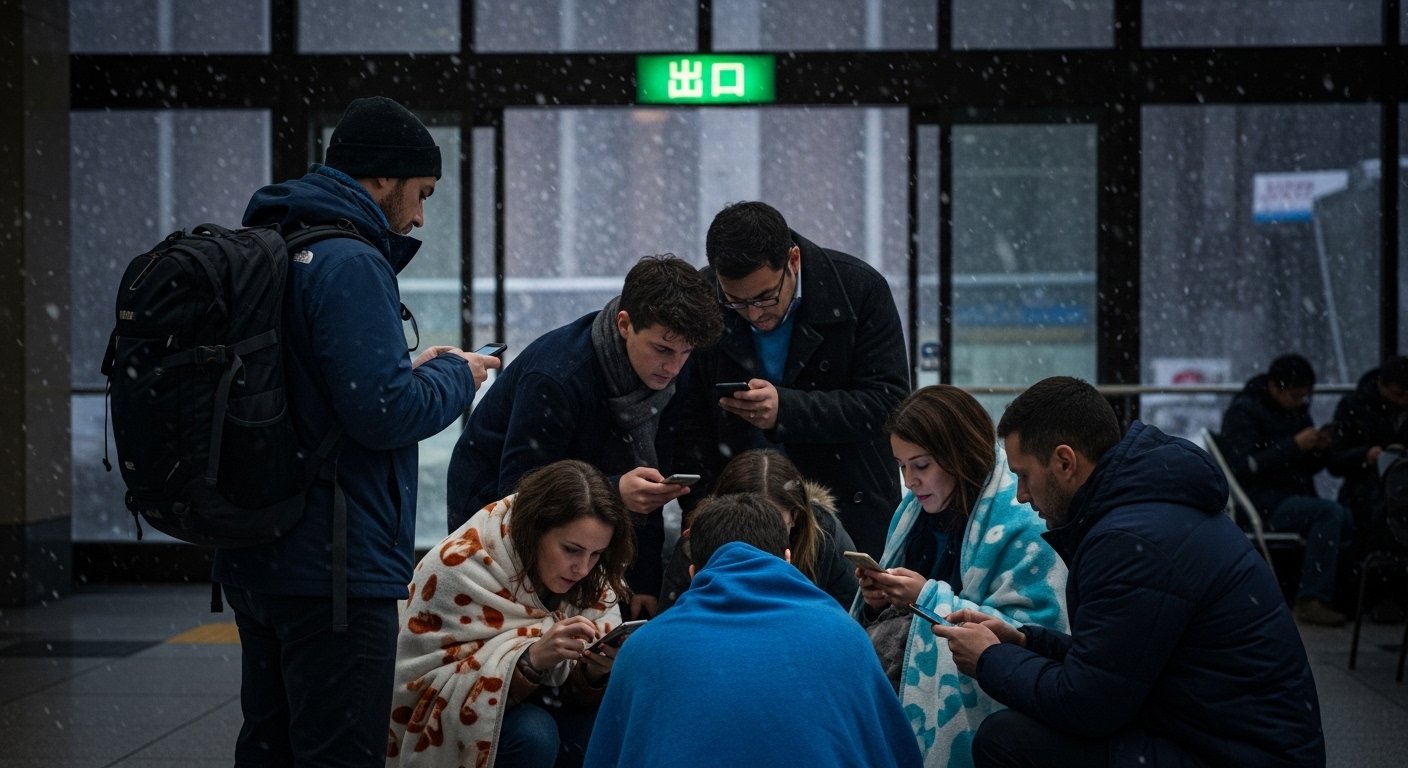
*Images used in this article are for illustration only. They may not be directly related to the content.
Navigating Urgent Medical Care in Japan During New Year: English-Speaking Hospitals & Holiday Help
Planning a trip to Japan over the New Year holidays promises unique cultural experiences. However, the period from approximately December 29th to January 3rd brings with it a significant challenge for international visitors: accessing urgent medical care. Many clinics close, and even major hospitals operate with limited services. This can lead to frustration, language barriers, and uncertainty about where to turn if you or a travel companion suddenly needs medical attention.
This guide is designed to remove that friction. We will provide practical, step-by-step instructions on how to locate open medical facilities, communicate your needs effectively, understand emergency protocols, and manage potential costs during Japan’s New Year. Our aim is to equip you with the knowledge to handle unexpected health concerns, ensuring your visit remains safe and enjoyable, even when facing a medical emergency in Japan during the New Year.
Table of Contents
- The Challenge: Japan’s New Year Healthcare Landscape
- Immediate Steps: When to Call 119 vs. #7119
- Language Barriers: Bridging the Communication Gap
- Understanding Hospital Visits & What to Expect
- Costs & Insurance: Preparing for Medical Expenses
- Quick Reference for Your Trip
- Emergency Contacts
- Common Mistakes to Avoid
- Frequently Asked Questions
The Challenge: Japan’s New Year Healthcare Landscape
Japan’s New Year (Shogatsu) is a time for family, reflection, and widespread closures. This holiday period typically runs from December 29th to January 3rd, and often extends longer for smaller businesses and clinics. For international visitors, this means that the convenient neighborhood clinic you might find during regular business hours will likely be closed. This significantly restricts options for routine check-ups or minor ailments.
Major hospitals generally maintain their emergency departments (救急外来 – kyūkyū gairai) throughout the New Year. However, staffing levels might be reduced, and non-life-threatening emergencies could face longer wait times. It is crucial to understand that Japanese hospitals, especially during holidays, prioritize critical cases. Presenting with a minor cold might overwhelm the system and delay treatment for more serious conditions.
🎯 Local Pro-Tip: For non-emergency outpatient visits at major hospitals, a referral letter (紹介状 – shōkaijō) is typically required. While emergency departments will treat urgent cases without one, differentiating between a true emergency and a minor ailment is vital to ensure appropriate care and avoid unnecessary strain on holiday services.
Immediate Steps: When to Call 119 vs. #7119
When faced with a medical concern, knowing the right number to call can make a critical difference. Japan has distinct emergency and consultation hotlines, each serving a specific purpose.
Calling for Help: Emergency Numbers
For immediate, life-threatening emergencies, dial 119. This number connects you directly to the fire department and ambulance services. For police assistance, dial 110. While some operators may have limited English support, be prepared to speak slowly and clearly. If possible, have someone who can speak Japanese assist you.
When calling 119, clearly state “Kyūkyū desu” (It’s an emergency) and “Kyūkyūsha o yonde kudasai” (Please call an ambulance). Provide your exact location (address or nearest landmark) and a brief, precise description of the situation. Remember, an ambulance is for true emergencies where immediate medical transport is necessary.
Consultation Hotlines: #7119 & AMDA
For non-life-threatening medical advice or assistance in finding an open facility, Japan offers specialized consultation services:
- #7119 (Emergency Consultation Center): Many prefectures and major cities operate a “Medical Information Service” or “Emergency Consultation Center” accessible by dialing #7119. This service can provide advice on whether you need to go to a hospital, suggest appropriate medical facilities, and sometimes even offer multilingual support. Availability of English support can vary, especially during New Year holidays, so be patient and clear. For Tokyo, this service is part of the Tokyo Metropolitan Medical Institution Information “Himawari”.
- AMDA International Medical Information Center: AMDA provides phone-based medical information and referrals to medical institutions with foreign language support, including English, across Japan. Their main line is +81-3-5285-8088. While an invaluable resource, it is critical to verify their operating hours during the extended New Year holiday period, as these may differ from standard business hours. Always confirm before relying solely on this resource.
Utilizing these hotlines first can save you time and ensure you are directed to the most appropriate care, avoiding an unnecessary trip to an overwhelmed emergency room.
Language Barriers: Bridging the Communication Gap
The language barrier is consistently cited as the most significant hurdle for international visitors seeking medical care in Japan. Even in major city hospitals, English-speaking doctors or staff may not be available 24/7, particularly during the New Year holidays. Effective communication is paramount for accurate diagnosis and treatment.
Before your trip, consider preparing a few things:
- Translation Apps: Download offline translation apps (e.g., Google Translate, DeepL) on your smartphone. Practice using them to describe symptoms.
- Written Symptoms: Jot down your symptoms, medical history, allergies, and current medications in English. This provides a clear reference for staff, even if direct verbal communication is difficult.
- Hotel Assistance: If you’re staying at a hotel, the front desk staff may be able to assist with calls, explanations, or even accompany you to a nearby clinic or hospital.
🇯🇵 Point & Speak
Show this section to staff if you’re stuck. They can read the Japanese.
English: Emergency! / Help!
緊急です! / 助けてください!
(Kinkyū desu! / Tasukete kudasai!)
English: Call an ambulance, please.
救急車を呼んでください。
(Kyūkyūsha o yonde kudasai.)
English: Where is the emergency room?
救急外来はどこですか?
(Kyūkyū gairai wa doko desu ka?)
English: I have pain here. (pointing)
ここが痛いです。
(Koko ga itai desu.)
English: Do you have an English-speaking doctor/staff?
英語を話せる医者/スタッフはいますか?
(Eigo o hanaseru isha/sutaffu wa imasu ka?)
Understanding Hospital Visits & What to Expect
Once you’ve determined that a hospital visit is necessary, understanding the process can alleviate stress. Japanese hospitals are highly organized, but their procedures might differ from what you’re accustomed to.
Identifying a Hospital
Hospitals are usually well-marked. Look for:
- A green cross on a white background, or a white ‘H’ on a blue background.
- The Japanese character ‘病院’ (byōin – hospital).
- For the emergency room entrance, look for signs saying ‘救急外来’ (kyūkyū gairai), ‘ER’, or ‘Emergency’. These might be at a separate entrance from the main hospital lobby.

Navigating the Emergency Department
Upon arrival, head to the uketsuke (受付) or information desk, usually near the entrance. State your emergency, or present one of the “Point & Speak” phrases. You will typically be asked to fill out forms, including personal details, symptoms, and medical history. Your passport will be required for identification.
Be prepared for potentially long wait times, especially during the New Year holidays, as emergency departments prioritize patients based on the severity of their condition. Even if you arrive by ambulance, you might still need to wait if your condition is not life-threatening. Medical staff will assess your condition and provide care as quickly as possible.
🎯 Local Pro-Tip: Always carry your passport and travel insurance details with you. Having these readily available will significantly expedite the registration process at any medical facility.
Costs & Insurance: Preparing for Medical Expenses
One of the most significant concerns for international visitors is the cost of medical care in Japan. Without Japanese health insurance, medical expenses can be substantial, leading to unexpected financial strain.
For international tourists, costs are billed at 100% (or sometimes higher due to special fees for non-referral patients at major hospitals). A basic doctor’s consultation might start from ¥5,000-¥10,000. Emergency room visits, diagnostics (X-rays, blood tests), and treatments can quickly accumulate to tens or hundreds of thousands of yen. For instance, a simple broken bone requiring a cast could easily cost ¥100,000 or more.
Travel Insurance is Not Optional
Travel insurance that includes comprehensive medical coverage is not merely recommended—it is essential. Ensure your policy covers:
- Emergency medical treatment and hospitalization.
- Medical evacuation and repatriation.
- Pre-existing conditions, if applicable.
- A direct billing option, if available, to avoid out-of-pocket payments.
Before your trip, contact your insurance provider to understand your coverage in Japan and what steps to take if you need medical attention. Keep your policy number and emergency contact information readily accessible. Consider linking to a detailed guide on Travel Insurance for Japan here.
Payment Methods
While larger hospitals in major cities may accept credit cards, many clinics and smaller hospitals, especially during holidays, often prefer or even require cash payments. Have some Japanese yen available for initial consultation fees or smaller charges.
💰 Price Breakdown (Estimates for Tourists without Japanese Health Insurance)
| Item | Estimated Cost (JPY) |
| Basic Doctor’s Consultation (Outpatient) | ¥5,000 – ¥10,000 |
| Emergency Room Visit (initial fee) | ¥10,000 – ¥30,000+ |
| X-ray (per area) | ¥5,000 – ¥15,000 |
| Blood Test (basic panel) | ¥5,000 – ¥20,000 |
| Ambulance Transport | Free (but misusing it can incur fees) |
| Hospitalization (per day, without complex treatment) | ¥20,000 – ¥50,000+ |
Prices verified as of December 2024. These are estimates and can vary significantly based on the facility, complexity of care, and region.
Quick Reference for Your Trip
To prepare for any eventuality, here’s a quick reference guide you can screenshot or print and keep with you at all times.
📋 Quick Reference Card: Urgent Medical Care Japan New Year
Screenshot or print this section for easy access:
- ✅ True Emergency: Dial 119 (Ambulance/Fire). Use “Kyūkyū desu! Kyūkyūsha o yonde kudasai!“
- ✅ Medical Advice/Clinic Search: Dial #7119 (Emergency Consultation Center – where available) or AMDA (+81-3-5285-8088).
- ✅ Identify Hospitals: Look for 緑十字 (green cross), 病院 (byōin), or H. Emergency entrance is 救急外来 (kyūkyū gairai).
- ✅ Essential Documents: Keep Passport & Travel Insurance details readily accessible.
- ✅ Language Aids: Have offline translation apps ready.
- ✅ Payment: Expect to pay cash for initial fees. Carry some JPY.
🚨 Emergency Contacts
Save these numbers to your phone before you travel to Japan. They are free to call from any phone in Japan.
🚨 Emergency Contacts
| Police | 110 |
| Ambulance/Fire | 119 |
| AMDA International Medical Information Center (English/Multilingual) | +81-3-5285-8088 |
| Emergency Consultation Center (#7119 – where available, e.g., Tokyo) | #7119 |
All numbers are free and work from any phone (except AMDA which is a regular international call). For #7119 and AMDA, always check their specific holiday operating hours.
Common Mistakes to Avoid
Being aware of common pitfalls can help streamline your experience and avoid unnecessary stress during a medical incident in Japan over the New Year.
- Underestimating Holiday Closures: Assuming all clinics and hospitals operate normally is a common error. Always confirm opening hours, especially for general practitioners, during the New Year period.
- Going Directly to ER for Minor Issues: Misusing the emergency room for non-urgent ailments can lead to long waits, higher costs, and divert resources from critical cases. Use #7119 or AMDA first for guidance.
- Not Having Insurance Details Accessible: Fumbling for policy numbers or contact information when unwell adds unnecessary pressure. Keep all relevant documents in a digital and physical format easily accessible.
- Assuming English Speakers Are Always Available: While major hospitals in tourist hubs may have some English-speaking staff, this is not guaranteed, especially in smaller towns or during peak holiday times. Prepare for a language barrier.
- Neglecting Cash: Relying solely on credit cards for payment can be an issue at smaller clinics or for initial consultation fees. Have a reasonable amount of Japanese yen on hand.
Frequently Asked Questions
Can I use my home country’s health insurance directly in Japan?
Generally, no. Japanese medical facilities do not directly accept foreign health insurance plans. You will typically need to pay upfront for services and then seek reimbursement from your travel insurance provider upon returning home. Always confirm your specific policy’s procedures before traveling.
What if I only have a minor illness (e.g., cold, flu) during New Year?
For minor ailments, avoid the emergency room. Try calling #7119 or AMDA International Medical Information Center for guidance on open clinics or suitable over-the-counter medications. Convenience stores and drugstores (薬局 – yakkyoku) often remain open, stocking basic cold and flu remedies, though English descriptions may be limited.
How do I find an English-speaking doctor in a rural area during the holidays?
Finding an English-speaking doctor in rural Japan during New Year is challenging. Your best options are to call AMDA (+81-3-5285-8088) for referrals, or inquire at your accommodation for local information. Be prepared for a significant language barrier and utilize translation apps or phrases from this guide.
What if I don’t have travel insurance and need urgent medical care?
If you lack travel insurance, you will be responsible for 100% of all medical costs out-of-pocket, which can be very high. Hospitals will still provide necessary treatment for urgent conditions, but payment will be expected. You may be asked to make an initial deposit. It is highly advisable to secure comprehensive travel insurance before any international trip.
Conclusion
Navigating urgent medical care in Japan, especially during the unique challenges of the New Year holidays, requires preparation and awareness. By understanding the healthcare landscape, knowing who to call, having essential phrases ready, and securing comprehensive travel insurance, you significantly reduce potential friction. Your safety and well-being are paramount, and being prepared ensures that you can handle unexpected health concerns with confidence.
Share this guide with fellow travelers to ensure everyone can enjoy a safe and worry-free New Year in Japan.
Disclaimer
This information is provided for general guidance only and does not constitute medical advice. Always consult with a qualified medical professional for diagnosis and treatment. Emergency contact numbers and service availability, especially during holidays, are subject to change. While efforts have been made to ensure accuracy, we recommend verifying specific details (like AMDA holiday hours) closer to your travel date.