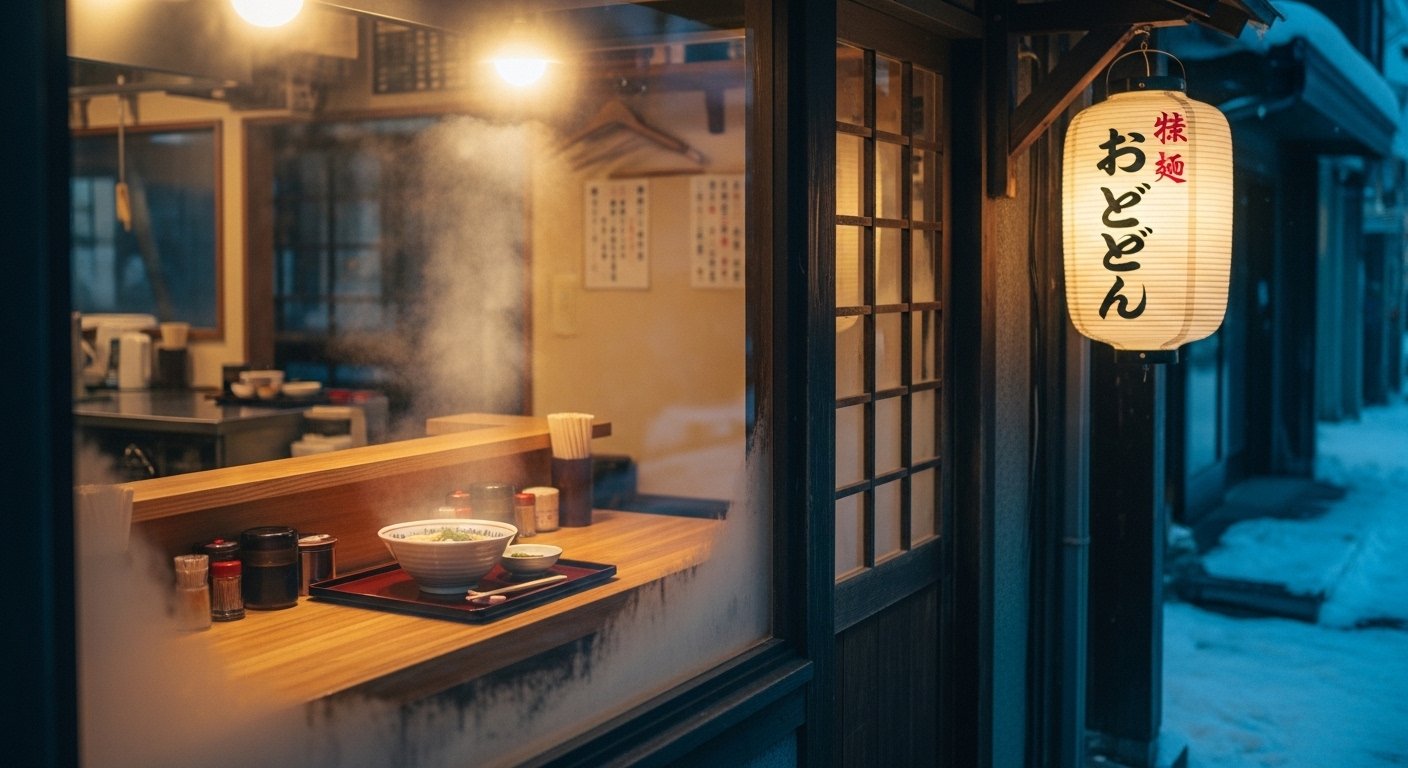
*Images used in this article are for illustration only. They may not be directly related to the content.
Beat the Chill: Your Guide to Warm & Wallet-Friendly Japanese Breakfasts
You’ve just woken up in Japan, the air is crisp, maybe even a bit biting, especially during winter. The idea of a warm breakfast sounds perfect, but the hotel buffet often comes with a hefty price tag – sometimes as much as ¥2,000 to ¥4,000 or more per person. You might wonder, “Are there other options? Can I find something authentic, warm, and affordable without feeling lost?”
Yes, you absolutely can. This guide cuts through the confusion, offering practical solutions for diverse, delicious, and budget-friendly Japanese breakfasts. From the bustling convenience store to the quiet corner cafe, we’ll show you exactly where to find warmth for your stomach and relief for your wallet, including crucial tips on navigating local etiquette when eating in public.
Table of Contents
- The Morning Chill & The Budget Burn: Why Breakfast in Japan Can Be Tricky
- Your Wallet-Friendly Warm-Up: Top Breakfast Spots
- Where to Enjoy Your Konbini Breakfast: Mindful Eating in Japan
- 🇯🇵 Point & Speak: Essential Phrases for Your Morning Meal
- 📋 Quick Reference Card: Your Morning Fix Checklist
- Frequently Asked Questions
- Conclusion
The Morning Chill & The Budget Burn: Why Breakfast in Japan Can Be Tricky
Waking up in a new country, especially when the temperature drops, naturally leads to a craving for something warm. However, finding an authentic, warm Japanese breakfast that doesn’t break the bank can feel like a challenge. Many international visitors default to their hotel’s breakfast buffet, which, while convenient, is often Western-focused and comes at a premium of ¥2,000 to ¥4,000 or more per person. This isn’t ideal for budget-conscious travelers or those seeking a taste of local life.
Beyond hotels, the options might seem limited. You might not know where to look for local breakfast spots, or you might be hesitant due to language barriers. Furthermore, even if you grab something quick from a convenience store (konbini), a common concern arises: where do you actually eat it without causing a cultural faux pas? Let’s fix these pain points.
Your Wallet-Friendly Warm-Up: Top Breakfast Spots
Japan offers a wealth of diverse and affordable warm breakfast options that cater to different tastes and schedules. These are your go-to places to start your day right, regardless of the weather or your budget.
Konbini (Convenience Stores): Your 24/7 Warm Food Oasis
Japan’s convenience stores—7-Eleven, FamilyMart, and Lawson—are much more than just shops; they are lifelines for warm, budget-friendly food, especially on a chilly morning. They’re ubiquitous, open 24/7, and constantly refreshed with new items. This makes them a prime spot for a quick, affordable, and warm Japanese breakfast.
🎯 Local Pro-Tip: Many larger konbini, especially in urban areas, feature an “eat-in corner” (イートインコーナー, ītoin kōnā) with tables, chairs, hot water dispensers, and even microwaves. This is your designated spot to enjoy your purchases comfortably and politely.
What to look for:
- Steamed Buns (Manju/Chūkaman): Look for a glass display case near the cashier, often steaming. You’ll find classics like Nikuman (pork bun), Anman (sweet red bean paste), Pizza-man, and Curry-man. These are perfect hand warmers and stomach fillers.
- Oden: A seasonal delight, typically available from autumn through winter. Oden is a Japanese hot pot dish featuring various ingredients (boiled eggs, daikon radish, konnyaku, fish cakes) simmered in a light dashi broth. It’s comforting and customizable. You point to what you want, and the staff will scoop it out for you.
- Fried Snacks: Also near the cashier, you’ll find hot cases with freshly fried items like Karaage (fried chicken), Korokke (croquettes), and Menchi Katsu (minced meat cutlet). Grab a skewer or a few pieces for a satisfying crunch.
- Hot Drinks: From various canned coffees (hot versions available in vending machines and chiller cabinets) to hot teas and even instant soups, there are plenty of options to warm you from the inside out.
- Instant Noodles & Soups: Konbini have an extensive range of instant ramen and cup soups. If there’s an eat-in corner, you can usually find a hot water dispenser to prepare your meal immediately.
Visual Cues: Look for steam rising from glass display cases near the cashier, indicating fresh steamed buns or oden. Hot food cases with various fried items will also be prominent.
💰 Price Breakdown: Konbini Warm Breakfast
| Item | Cost (Approx.) |
| Steamed Bun (Nikuman, Anman) | ¥100-¥200 |
| Oden (per item) | ¥80-¥250 |
| Fried Snacks (e.g., Karaage) | ¥120-¥300 |
| Hot Canned Coffee/Tea | ¥100-¥180 |
| Instant Noodles/Cup Soup | ¥150-¥350 |
Prices verified as of December 2024
Gyudon Chains: Hearty, Fast, and Frugal
For a truly traditional and substantial Japanese breakfast that’s incredibly kind to your budget, look no further than the ubiquitous gyudon (beef bowl) chains: Yoshinoya, Sukiya, and Matsuya. These establishments are designed for speed and efficiency, making them ideal for an early start. They often open as early as 5:00 AM or 6:00 AM.
These chains offer specific “breakfast sets” (朝食セット, chōshoku setto) that go beyond just gyudon. Expect a set to include rice, miso soup, and a main dish such as grilled salmon, natto (fermented soybeans), a mini gyudon, or a fried egg. It’s a complete, warm, and nutritious meal that reflects a common Japanese home breakfast.
Visual Cues for Identification:
- Yoshinoya: Look for a distinctive red-orange signboard with white Japanese characters ‘吉野家’.
- Sukiya: Keep an eye out for a blue signboard with yellow Japanese characters ‘すき家’.
- Matsuya: Identify it by its yellow signboard with red Japanese characters ‘松屋’. Matsuya is known for often having ticket machines at the entrance for ordering.

💰 Price Breakdown: Gyudon Chain Breakfast Sets
| Meal Type | Cost (Approx.) |
| Standard Breakfast Set (rice, miso, main) | ¥300-¥600 |
| Small Gyudon Breakfast Set | ¥380-¥550 |
Prices verified as of December 2024
For English menus and specific offerings, check their official websites: Yoshinoya, Sukiya, Matsuya Foods.
Cafes: A Relaxed Start with Toast & Coffee
If your idea of a warm breakfast leans towards a relaxed atmosphere with coffee and toast, Japan’s ubiquitous cafe chains are your answer. Doutor Coffee and Komeda Coffee are two popular options, opening early (often by 7:00 AM) and offering “morning sets” (モーニングセット, mōningu setto) that are both comforting and affordable.
A typical morning set at these cafes usually includes a coffee or tea paired with a thick slice of toast, sometimes with a boiled egg or a small salad. It’s a simple, warm, and familiar option, providing a pleasant start to your day without the rush.
Visual Cues for Identification:
- Doutor Coffee: Look for a green logo with ‘DOUTOR COFFEE’ in white.
- Komeda Coffee: Recognizable by its red and white logo with ‘コメダ珈琲店’. Komeda is known for its more spacious, retro-style interiors.

💰 Price Breakdown: Cafe Breakfast Sets
| Meal Type | Cost (Approx.) |
| Morning Set (Coffee + Toast/Egg) | ¥400-¥800 |
Prices verified as of December 2024
For more information: Doutor Coffee (Japanese), Komeda Coffee (English).
Where to Enjoy Your Konbini Breakfast: Mindful Eating in Japan
One common friction point for international visitors is knowing where to consume food purchased from a konbini. While buying snacks and drinks is perfectly normal, eating them on the go is generally not. Japanese etiquette emphasizes consideration for others and cleanliness in public spaces.
The Solution: Designated Eating Areas
The best and most polite places to enjoy your konbini breakfast are:
- Konbini Eat-In Corners (イートインコーナー, ītoin kōnā): As mentioned, many convenience stores, particularly newer or larger ones, have dedicated spaces with tables and chairs. These are specifically for customers to consume their purchases. Look for a sign or simply peek inside. They often provide hot water, chopsticks, and a sink for convenience.
- Your Hotel Room: This is always a safe and comfortable bet. Many hotels have kettles, and you can easily bring back your konbini finds to enjoy in privacy.
- Designated Public Seating: If an eat-in corner isn’t available and your hotel is far, a quiet park bench or a designated rest area might suffice. However, try to be discreet, ensure you leave absolutely no trash behind, and avoid crowded areas.
Common Mistakes to Avoid:
- Eating while walking: This is generally considered impolite in Japan. Finish your food before you start moving, or find a place to sit.
- Eating or drinking on public transport: Avoid consuming food or beverages (beyond perhaps a discrete water bottle) on trains and buses, especially during peak hours.
- Leaving trash: Public trash cans are rare in Japan. Be prepared to carry your trash with you until you find a bin (often inside konbini or train stations) or can dispose of it at your accommodation.

🇯🇵 Point & Speak: Essential Phrases for Your Morning Meal
These simple phrases can help you navigate your breakfast experience, especially at konbini or gyudon chains where English might be limited. Don’t be shy to show these to staff; it helps them understand your needs.
🇯🇵 Point & Speak
Show this section to staff if you’re stuck. They can read the Japanese.
English: Is there an eat-in corner?
イートインコーナーはありますか?
(Ītoin kōnā wa arimasu ka?)
English: Can I have hot water, please?
お湯をください。
(O-yu o kudasai.)
English: One steamed meat bun, please.
肉まん一つお願いします。
(Nikuman hitotsu onegai shimasu.)
English: Breakfast set
朝食セット
(Chōshoku setto)
English: Thank you for the meal.
ごちそうさまでした。
(Gochisōsama deshita.)
📋 Quick Reference Card: Your Morning Fix Checklist
Screenshot or print this section for quick access on chilly mornings!
📋 Quick Reference Card: Warm & Wallet-Friendly Japanese Breakfast
Your instant guide to a great Japanese morning:
- ✅ Warm Options: Konbini (steamed buns, oden, fried items), Gyudon chains (hot sets), Cafes (toast, hot drinks).
- ✅ Budget: Most options ¥100-¥800, significantly less than hotel breakfasts.
- ✅ Early Bird: Gyudon chains often open by 5-6 AM, Cafes by 7 AM. Konbini are 24/7.
- ✅ Konbini Etiquette: Eat at “eat-in corners” (イートインコーナー) or in your hotel room. Avoid eating while walking or on public transport.
- ✅ Key Phrase: “イートインコーナーはありますか?” (Ītoin kōnā wa arimasu ka? – Is there an eat-in corner?)
- ✅ Hot Water: Ask for “お湯をください。” (O-yu o kudasai.) at konbini for instant items.
Frequently Asked Questions
How much does a typical warm, budget-friendly Japanese breakfast cost?
A warm, budget-friendly Japanese breakfast typically ranges from ¥100 to ¥800 per person. This is a significant saving compared to hotel breakfasts, which often cost ¥2,000 to ¥4,000+. For example, a konbini steamed bun is around ¥100-¥200, a gyudon chain breakfast set is ¥300-¥600, and a cafe morning set is ¥400-¥800.
Can I eat my konbini food anywhere in public?
No, eating while walking on the street, on public transport, or in crowded public spaces is generally considered impolite in Japan. It is best to consume your konbini purchases in a designated “eat-in corner” (イートインコーナー) within the convenience store, in your hotel room, or in a quiet park where seating is provided. Always take your trash with you.
What are some good warm breakfast options for winter in Japan?
During winter, excellent warm breakfast options include steamed buns (nikuman, anman) and oden from convenience stores, hearty breakfast sets with miso soup and grilled fish from gyudon chains like Yoshinoya or Sukiya, and warm toast and coffee from cafes like Doutor or Komeda Coffee. Instant noodles or hot canned drinks from konbini are also popular choices.
Do these budget breakfast spots have English menus?
While full English menus are not guaranteed, many gyudon chains and cafes, especially in tourist-heavy areas, will have picture menus that make ordering straightforward. Konbini items are often labeled with images. Staff might not speak fluent English, but pointing to what you want or using the simple Japanese phrases provided in this guide will often suffice. The official websites linked in this article can also help you preview menu items.
Conclusion
Navigating breakfast in Japan doesn’t have to be a costly or confusing affair, even on the coldest winter mornings. With the wealth of options from konbini to gyudon chains and local cafes, you have direct access to diverse, warm, and wallet-friendly meals that truly immerse you in Japanese daily life.
By understanding where to go, what to look for, and how to respectfully enjoy your food, you’re now equipped to start every day in Japan feeling satisfied and culturally aware. Go forth and explore these delicious, budget-conscious options!
What’s your go-to warm Japanese breakfast? Share your favorite finds in the comments below!
Disclaimer
Prices and offerings mentioned are approximate and subject to change based on location, seasonality, and operator discretion. Cultural etiquette guidance is general; observe local customs for specific situations. This information is provided for general guidance and informational purposes only.