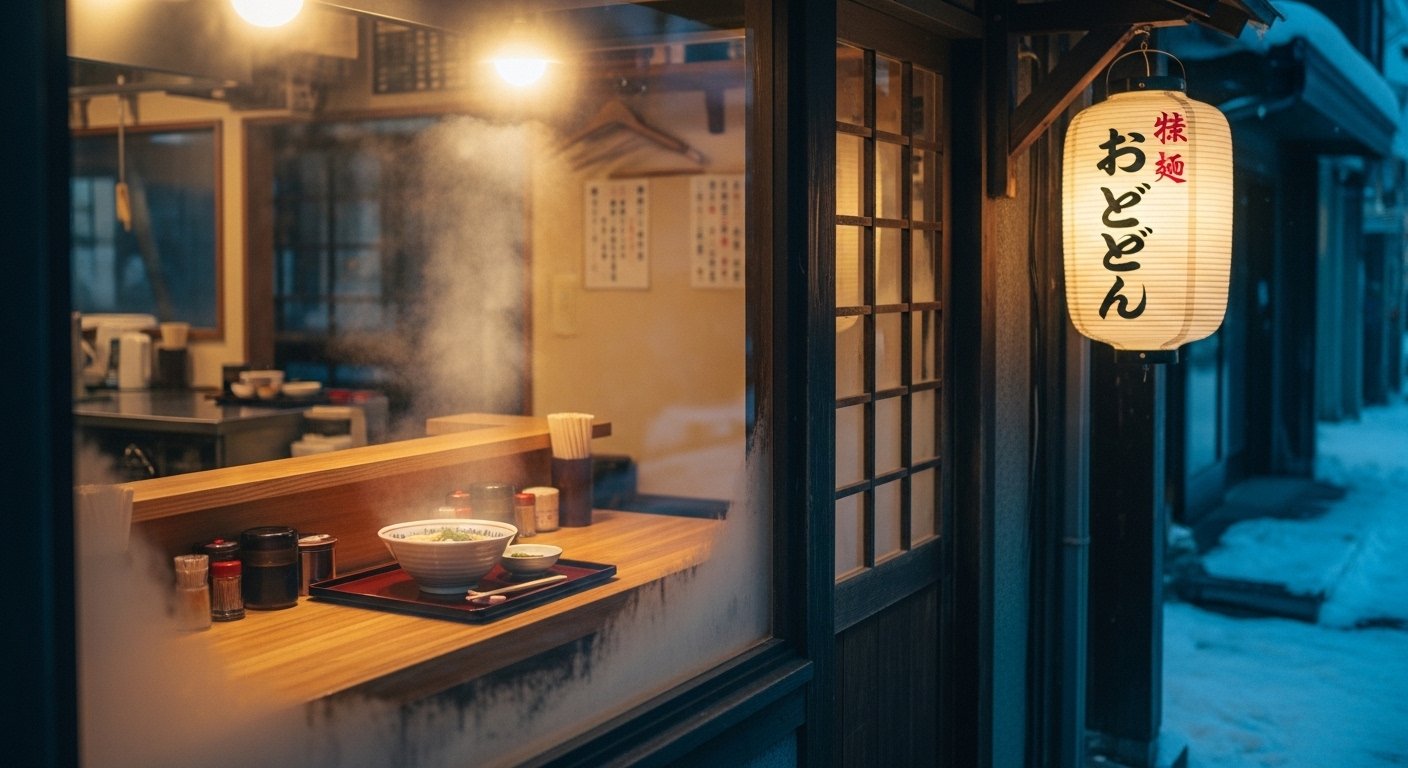
*Images used in this article are for illustration only. They may not be directly related to the content.
Warm & Wallet-Friendly Winter Breakfasts: Konbini Hacks & Local Gems for January
Stepping out into Japan’s crisp January mornings can be invigorating, but finding a warm, affordable, and satisfying breakfast often presents a challenge for international visitors. After the holiday season, budget considerations become important. You might find yourself relying on cold convenience store items, which, while convenient, don’t always offer the comforting start you need in winter.
This guide provides practical solutions to these common dilemmas. We will show you how to leverage Japan’s ubiquitous convenience stores (konbini) for hot, cheap meals and introduce you to local establishments offering substantial breakfast sets. Prepare to navigate your mornings with confidence, warmth, and your budget intact.
Table of Contents
- The Winter Breakfast Challenge in Japan
- Mastering the Konbini for Warm & Affordable Eats
- Beyond Konbini: Local Gems for a Hearty Start
- 🇯🇵 Point & Speak: Essential Japanese Phrases for Breakfast
- Common Mistakes to Avoid
- 📋 Quick Reference Card: Your Winter Breakfast Cheatsheet
- Frequently Asked Questions
The Winter Breakfast Challenge in Japan
January in Japan often brings cold temperatures, making a warm breakfast appealing. However, several factors can make this simple desire surprisingly difficult:
- Cold Mornings, Cold Choices: Many convenience store items are designed for ambient temperature, leaving you with cold onigiri or sandwiches.
- Post-Holiday Budget: After New Year’s travel and celebrations, budget constraints are common. Expensive hotel breakfasts may not be an option.
- Lack of Awareness: You might not know where to find warm, local, and budget-friendly alternatives beyond your hotel or the cold section of a konbini.
- Language Barriers: Ordering at local establishments or even asking for specific services at a konbini can be intimidating without basic Japanese phrases.
- Navigational Uncertainty: Knowing how to ask for food to be warmed, where to find hot water, or how to use a ticket machine can be unclear.
These challenges can lead to less satisfying meals and unnecessary stress. Our goal is to equip you with the knowledge to overcome them, ensuring your mornings are both warm and economical.
Mastering the Konbini for Warm & Affordable Eats
Japan’s convenience stores (konbini) are open 24/7 and are lifelines for quick meals. During January, they become crucial for accessible, warm food. Don’t limit yourself to the chilled sections.
Your Konbini Warm Food Arsenal
Look for these items, typically found near the register or in dedicated warmers:
- Nikuman (Steamed Buns): These soft, fluffy buns filled with savory pork (or other fillings like pizza, curry, or sweet bean paste) are kept in a heated display case, usually right at the counter. They are a quick, satisfying hand warmer and breakfast.
- Oden: A true winter comfort food, oden consists of various ingredients (boiled eggs, daikon radish, konnyaku, fish cakes) simmered in a light dashi broth. It’s usually served from a communal hot pot near the register. You point to the items you want, and the staff will serve them in a cup with broth. It’s a surprisingly healthy and warm option.
- Fried Chicken: Most konbini chains, like Lawson’s “Karaage-kun” or FamilyMart’s “Famichiki,” offer freshly fried chicken behind the counter. It’s served hot and makes for a filling, protein-rich start to your day.
- Instant Noodles & Soups: The selection is vast. From cup noodles to instant miso soup, these are an immediate source of warmth. Hot water dispensers are almost always available for self-service.
- Hot Drinks: Beyond coffee, look for hot teas, green tea, or even hot chocolate in the refrigerated section – staff can often warm these for you too.
🎯 Local Pro-Tip: Don’t underestimate the power of combining. A warm onigiri, a few pieces of oden, and a hot cup of miso soup from the instant aisle can make a complete, budget-friendly, and very warm Japanese winter breakfast. Many konbini also have small seating areas (‘eat-in space’ – イートインスペース), perfect for enjoying your meal immediately.
How to Get Your Konbini Food Warmed
This is where knowing a simple phrase removes a lot of friction:
Step 1: Select Your Items
Choose your bento, onigiri, or other packaged meal from the chilled section. Many have a microwave symbol (レンジ加熱OK – renji kanetsu OK) indicating they can be warmed.

Step 2: Approach the Register
Present your items to the staff as usual.

Step 3: Ask for Warming
Hold up the item you want warmed and say: “Kore atatamemasu ka?” (これ温めますか?) This means “Can you warm this?” The staff will typically take the item and microwave it for you. They might ask “Nan-bun desu ka?” (何分ですか? – “How many minutes?”) but usually, they know the standard time.
Visual Cue: Look for a microwave oven behind the counter. If you see one, it’s a good sign they offer warming services.
Step 4: Hot Water for Instant Meals
If you purchase instant noodles or soup, look for a hot water dispenser. These are typically stainless steel or white plastic units, often located near the coffee machines or next to the registers.
Visual Cue: The dispenser will likely have a large sign that says お湯 (o-yu – hot water). Fill your cup yourself. Staff will not do this for you.

💰 Price Breakdown: Konbini Warm-Ups
These prices are general estimates and can vary slightly by chain and region, but provide a good indication of budget-friendliness.
💰 Price Breakdown: Konbini Warm-Ups
| Item | Cost Range |
| Nikuman (Steamed Bun) | ¥120-¥200 |
| Oden (per piece) | ¥80-¥250 |
| Fried Chicken (e.g., Famichiki) | ¥180-¥280 |
| Instant Cup Noodles/Soup | ¥150-¥300 |
| Warmed Bento/Onigiri | ¥120-¥600 |
Prices verified as of January 2026. Note: Oden prices are per item; a full meal would involve several pieces.
For under ¥500-¥700, you can have a substantial, warm breakfast at a convenience store.
Beyond Konbini: Local Gems for a Hearty Start
While konbini are reliable, Japan offers other excellent, warm, and affordable breakfast options if you’re looking for a sit-down meal or a more traditional experience. These are often the best budget breakfast chains Japan has to offer.
Gyudon Chains: Your Morning Set Powerhouse
Nationwide gyudon (beef bowl) chains like Yoshinoya, Sukiya, and Matsuya are goldmines for affordable Japanese breakfast. They cater to early risers with dedicated “morning set” (モーニングセット – mōningu setto) menus.
- Availability: Typically from opening (around 5:00 AM) until 10:00 AM or 11:00 AM.
- Contents: These sets usually include a bowl of rice, warm miso soup, and a main dish such as grilled salmon, natto (fermented soybeans), a mini gyudon, or scrambled eggs. They provide a balanced, warm meal.
- Ordering:
- Ticket Machine: Many locations have a ticket vending machine (食券機 – shokkenki) at the entrance. Look for an English language option (often a button with “English” or a flag icon). Select your morning set, pay, and hand the ticket to the staff.
- Counter Order: If there’s no machine, simply sit at the counter and say “Mōningu setto kudasai” (モーニングセットください – “Morning set, please”). You can point to the menu if available.
Visual Cues: Yoshinoya has distinct orange signs, Sukiya uses red, and Matsuya often features yellow and blue. They almost always have prominent window displays showing their food items. Inside, look for the ticket machine near the entrance.

💰 Price Breakdown: Gyudon Morning Sets
These chains offer incredible value for a complete, warm Japanese breakfast.
💰 Price Breakdown: Gyudon Morning Sets
| Item | Cost Range |
| Standard Morning Set | ¥350-¥500 |
| Deluxe Morning Set (e.g., grilled fish) | ¥500-¥600 |
| Add-ons (e.g., extra egg, natto) | ¥50-¥150 |
Prices verified as of January 2026. These are some of the best post-new year breakfast deals Japan offers.
For a sit-down, warm, and nutritious meal, these chains are unbeatable for the price. Check their official English websites for specific menu details: Yoshinoya, Sukiya, Matsuya.
Local Soba/Udon Shops: Quick Warm Noodles
Especially near train stations, you’ll find ‘tachigui soba’ (stand-and-eat soba) or small, independent soba/udon shops. These are excellent for a fast, warm, and very cheap hot breakfast options convenience store Japan alternative.
- Concept: Order at the counter, pay, and often stand at a counter to eat your noodles. Service is incredibly quick.
- Cost: Bowls typically start from ¥300-¥500.
- Availability: Many open early to cater to commuters.
Visual Cues: Look for a ‘noren’ (fabric curtain) at the entrance and sometimes plastic food models in a display window. The absence of many tables and chairs signals a ‘tachigui’ style.

Kissaten & Bakeries: Cozy Morning Sets
Some traditional Japanese coffee shops (kissaten) and local bakeries (pan-ya) offer ‘morning service’ or ‘morning set’ deals. These are often more Western-style, including toast, eggs, a small salad, and a hot drink, but they provide warmth and comfort.
- Timing: Usually available until mid-morning.
- Atmosphere: More relaxed than a gyudon chain, suitable for a leisurely start.
- Price: Often slightly higher than gyudon chains but still generally affordable (¥400-¥800).
Visual Cues: Look for signs outside advertising ‘モーニングサービス’ (mōningu sābisu) or ‘モーニングセット’ (mōningu setto), often with pictures of the breakfast items.

🇯🇵 Point & Speak: Essential Japanese Phrases for Breakfast
These phrases will help you navigate ordering and requests, enhancing your Japan winter breakfast experience.
🇯🇵 Point & Speak
Show this section to staff if you’re stuck. They can read the Japanese.
English: Can you warm this?
これ温めますか?
(Kore atatamemasu ka?)
English: Morning set, please.
モーニングセットください。
(Mōningu setto kudasai.)
English: Eat here / Takeaway.
ここで食べます (Koko de tabemasu) / 持ち帰り (Mochikaeri)
(Context: Staff may ask if you’re eating in or taking out at a konbini or small eatery.)
English: Regular size (for meals like gyudon).
並盛り。
(Nami-mori.)
Common Mistakes to Avoid
To ensure a smooth and satisfying budget breakfast Tokyo or anywhere in Japan, keep these points in mind:
- Assuming Cold: Don’t automatically assume convenience store food must be eaten cold. Always ask “Kore atatamemasu ka?” for bentos and onigiri.
- Ignoring Hot Sections: Overlook the hot food counters for nikuman, oden, and fried chicken at your peril. These are designed to be warm.
- Hesitating at Ticket Machines: Ticket machines can seem daunting, but many have English options. Take a moment to look, or refer to pictures. Most are user-friendly once you get the hang of it.
- Sticking to Tourist Spots: While hotels offer breakfast, their prices are often inflated. Venture slightly off the main tourist paths to find local gems like gyudon chains or soba shops for authentic and affordable experiences.
- Not Utilizing Eat-in Spaces: Many konbini and fast-food chains have small dining areas. They provide a warm, dry place to enjoy your meal, especially welcome in January.
📋 Quick Reference Card: Your Winter Breakfast Cheatsheet
Screenshot or print this section for easy access on the go during your Japanese breakfast hacks journey:
📋 Quick Reference Card
Screenshot or print this section for easy access:
- ✅ Konbini Microwaves: Ask “Kore atatamemasu ka?” for bentos/onigiri.
- ✅ Konbini Hot Items: Look for nikuman, oden, fried chicken near the register.
- ✅ Hot Water: Self-service dispensers for instant noodles/soups.
- ✅ Gyudon Chains: Seek “Morning Set” (モーニングセット) at Yoshinoya, Sukiya, Matsuya. Use ticket machines.
- ✅ Local Noodles: Try “tachigui soba” near stations for quick, warm bowls.
- ✅ Key Phrase: “Kore atatamemasu ka?” (Can you warm this?)
- ✅ Budget: Expect ¥300-¥600 for a warm, filling breakfast.
Frequently Asked Questions
Can I really get a warm breakfast cheaply in Japan during winter?
Yes, absolutely. Convenience stores offer a range of hot items like steamed buns (nikuman) and oden for ¥100-¥300, and they can microwave bentos and onigiri for free. Gyudon chains like Yoshinoya or Sukiya provide full “morning sets” with rice, miso soup, and a main dish for ¥350-¥600, making a warm Japanese breakfast very accessible and budget-friendly.
Are these affordable breakfast places open early in January?
Most convenience stores operate 24/7, making them reliable at any hour. Gyudon chains typically open around 5:00 AM, specifically catering to early commuters, and their morning sets are available until late morning. Local soba/udon shops also tend to open early, especially those near train stations. You will not struggle to find early morning warm food convenience store Japan or sit-down options.
What if I don’t speak Japanese? How do I order?
Language barriers are manageable. For convenience stores, the phrase “Kore atatamemasu ka?” (これ温めますか? – Can you warm this?) is crucial. For gyudon chains, many ticket machines have English options, or you can point to pictures on the menu/machine. Visual cues (like the specific signs mentioned in this post) are also very helpful. Using a translation app for specific items can assist if needed.
Are there any vegetarian options for a warm Japanese breakfast?
Strictly vegetarian warm options can be limited but are not impossible. At convenience stores, look for plain instant miso soup (check ingredients for dashi, which often contains fish), vegetable-based instant noodles, or sometimes sweet steamed buns. At gyudon chains, side dishes like natto (fermented soybeans) or a plain rice bowl might be available, but the miso soup will likely contain fish dashi. Vegetarian-specific cafes are rare but growing in number in larger cities.
Conclusion
Don’t let cold mornings or budget concerns deter you from enjoying Japan’s diverse breakfast options this January. By mastering the convenience store warming hacks and exploring the local restaurant scene, you can enjoy a warm, satisfying, and wallet-friendly start to your day.
Embrace these practical tips, and your winter mornings in Japan will be comfortable and delicious. Share your favorite warm breakfast finds with us!
Disclaimer
Information provided in this post is for general guidance only and is accurate as of the last verification date. Prices, operating hours, and menu availability are subject to change without notice. Always verify details locally, especially for specific dietary requirements. Travel safely and enjoy your meals.