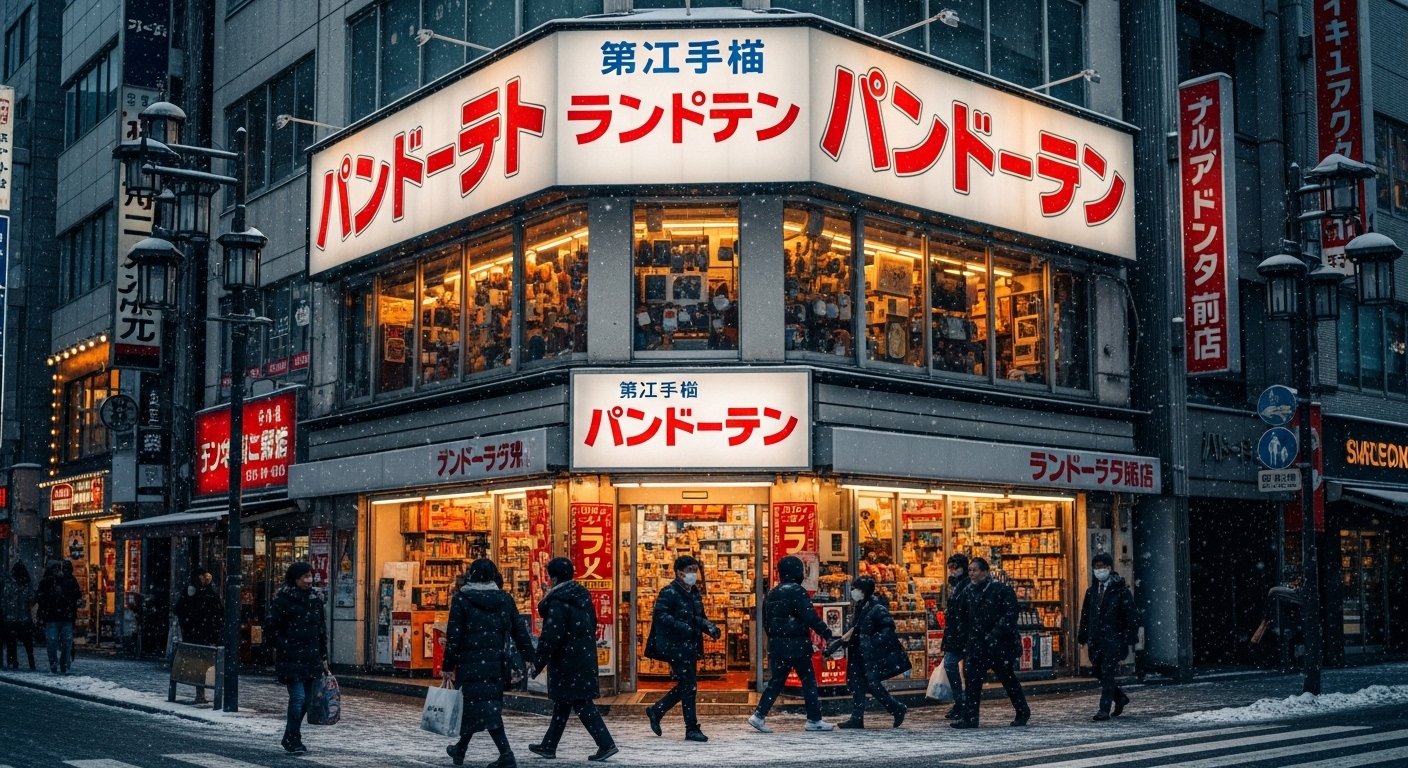
*Images used in this article are for illustration only. They may not be directly related to the content.
Escape New Year’s Crowds: Your Guide to Accessible Snowshoeing & Scenic Winter Hikes Near Tokyo
Planning a trip to Japan over the New Year’s holiday (Oshōgatsu) often comes with a unique set of challenges. While Tokyo buzzes with Hatsumōde (first shrine visit of the year) and traditional festivities, many popular tourist sites and services might be closed or operate on reduced schedules. If you’re looking to escape the urban hustle and find serene, less crowded nature experiences, the idea of winter hiking or snowshoeing near the capital can feel daunting. Where do you go? How do you rent gear? What about transportation as a non-Japanese speaker?
This guide cuts through the uncertainty. We’ll provide you with practical, actionable information to access accessible snowshoeing and scenic winter hiking trails near Tokyo, even during the holiday period. From gear rentals and transportation logistics to essential Japanese phrases, consider this your roadmap to a unique Japanese winter adventure.
Table of Contents
- Navigating New Year’s: Holiday Impact on Outdoor Plans
- Your Winter Playgrounds: Accessible Snowshoeing & Hiking Spots
- Gearing Up: Rentals, Safety & Notifications
- Seamless Travel: Getting to Your Winter Escape
- Guided vs. Self-Guided: Choosing Your Adventure
- Pro-Tips for a Smooth Winter Outing
- Common Mistakes to Avoid
- Quick Reference Card
- Frequently Asked Questions
Navigating New Year’s: Holiday Impact on Outdoor Plans
Japan’s New Year’s holiday, Oshōgatsu, typically runs from December 29th to January 3rd. During this time, many businesses, including smaller shops, restaurants, and some regional transport services, may operate on reduced schedules or close entirely. Major train lines like the Shinkansen and JR local lines generally run, but local bus services, especially in more rural areas leading to trailheads, can be affected. This is a critical factor for planning your winter outdoor adventure.
Crowds are another consideration. Major shrines and temples, as well as popular urban attractions, will be exceptionally busy. Choosing less-frequented nature spots for your snowshoeing or hiking ensures a more peaceful experience, but requires more preparation regarding service availability.
Your Winter Playgrounds: Accessible Snowshoeing & Hiking Spots
While deep powder is typical in northern Japan, several accessible areas near Tokyo offer suitable conditions for beginner snowshoeing and scenic winter hiking without needing to travel excessively far. Consider these options:
Oku-Nikko: Senjogahara Marshland (Snowshoeing)
Oku-Nikko, particularly the Senjogahara Marshland, is a prime location for accessible snowshoeing near Tokyo. The trails here are relatively flat and well-marked, making them ideal for beginners. The winter landscape, with frozen marshes and snow-covered trees, offers a unique beauty.
- Accessibility: Reach Nikko via JR or Tobu Line from Tokyo. From Nikko Station, local buses run towards Oku-Nikko, though schedules require verification during New Year’s.
- Snow Conditions: Consistent snow cover from late December through February.
- Highlights: Serene, open marshland views, opportunities for wildlife spotting.

Hakone: Scenic Winter Hikes
Hakone, known for its hot springs and views of Mount Fuji, offers scenic winter hiking options. While heavy snow for snowshoeing is less consistent here, you can find beautiful trails with crisp air and potentially light snow cover, providing stunning vistas.
- Accessibility: Easily accessible from Shinjuku via the Odakyu Romancecar. The Hakone Tozan Bus and Hakone Ropeway operate, but check holiday schedules.
- Snow Conditions: Less reliable for deep snowshoeing. Expect frosty trails and occasional light snowfall. Microspikes might be more suitable than snowshoes.
- Highlights: Lake Ashi views, Hakone Open-Air Museum, and relaxing in an onsen after your hike.

Karuizawa & Niigata: Accessible Winter Terrain
For more guaranteed snow and proximity to ski resorts offering rentals, consider areas like Karuizawa in Nagano Prefecture or Gala Yuzawa in Niigata Prefecture. Both are accessible by Shinkansen.
- Karuizawa: Offers some snowshoeing opportunities, especially around the Prince Ski Resort area, which often has gear rental. The town itself is popular and less affected by New Year’s closures for some services.
- Gala Yuzawa (Niigata): Directly connected to a Shinkansen station, this ski resort is an easy day trip and offers extensive snowshoeing courses and rental facilities. It’s designed for tourists, often with English information available.
- Accessibility: Both are direct Shinkansen rides from Tokyo.

Gearing Up: Rentals, Safety & Notifications
Winter outdoor activities require specific gear. Don’t let uncertainty about rentals or local regulations deter you. Planning ahead is key.
Renting Snowshoes and Winter Gear
Accessing the right equipment is often the biggest hurdle for international visitors. Here’s what to expect:
💰 Price Breakdown: Snowshoeing Gear & Services (Estimates)
| Item/Service | Estimated Cost (per day) |
| Snowshoe Rental (incl. poles) | ¥2,000 – ¥4,000 |
| Winter Boots Rental | ¥1,500 – ¥2,500 |
| Waterproof Jacket/Pants Rental | ¥3,000 – ¥5,000 |
| Half-day Guided Snowshoe Tour (incl. gear) | ¥8,000 – ¥15,000 |
| Full-day Guided Snowshoe Tour (incl. gear, sometimes transport) | ¥12,000 – ¥25,000+ |
Prices verified as of December 2024. Exact costs vary by provider and location.
- Where to Rent:
- Ski Resorts: Locations like Gala Yuzawa or areas near Karuizawa often have dedicated rental shops for snowshoes, boots, and winter clothing. This is often the most convenient option, as you can rent on-site.
- Outdoor Shops in Tokyo: Major outdoor retailers in areas like Kanda (Tokyo) might offer rentals, but availability for foreign sizes and holiday hours require advance checking. This option is less convenient for a day trip due to transport.
- Guided Tour Operators: Many English-speaking guided tours include all necessary gear as part of their package. This simplifies logistics considerably.
- What to Rent/Bring:
- Snowshoes & Poles: Essential for traction in deep snow.
- Waterproof Winter Boots: Crucial for warmth and dryness.
- Waterproof Outerwear: Jacket and pants to stay dry from snow.
- Layers: Fleece, thermal underwear.
- Accessories: Hat, gloves, scarf, sunglasses (for snow glare).
- Backpack: Water, snacks, first-aid kit, extra layers.
🎯 Local Pro-Tip: Always check rental shop holiday hours and reserve gear in advance, especially for New Year’s. Inventory might be limited, and closures are common. For peace of mind, consider bringing your own waterproof boots if you have them.

Safety First: Mountaineering Notifications (Tozan Todoke)
For any serious hiking or snowshoeing, particularly in national parks or designated mountainous areas during winter, submitting a "tozan todoke" (山岳登はん届 – mountaineering notification) or "nyuuzan todoke" (入山届 – mountain entry notification) is highly recommended. While not always legally mandatory for easier trails, it provides crucial information to local authorities in case of an emergency, aiding in search and rescue efforts.
- Where to Submit: Often found at trailheads, visitor centers, or local police stations. Some prefectures offer online submission.
- Information Needed: Your name, contact information, emergency contact, planned route, estimated time of departure and return.
- Importance: Do not underestimate winter conditions. Weather can change rapidly, and daylight hours are shorter. Always inform someone of your plans.
🇯🇵 Point & Speak: Essential Phrases for Your Winter Adventure
Show this section to staff if you’re stuck. They can read the Japanese.
English: Is this open on New Year’s Day?
お正月も開いていますか?
(Oshōgatsu mo aite imasu ka?)
English: Do you have snowshoe rentals?
スノーシューのレンタルはありますか?
(Sunōshū no rentaru wa arimasu ka?)
English: How do I get to [Location Name]?
[場所の名前]までどうやって行きますか?
([Basho no namae] made dō yatte ikimasu ka?)
English: Are there any guided tours?
ガイド付きツアーはありますか?
(Gaido-tsuki tsuā wa arimasu ka?)
English: I’d like to submit a mountain entry notification.
入山届を出したいのですが。
(Nyuuzan todoke o dashitai no desu ga.)
Seamless Travel: Getting to Your Winter Escape
Japan’s public transport is efficient, but combining trains and local buses to reach trailheads requires careful planning, especially during the New Year’s holiday when schedules might differ.
Train & Bus Logistics
Most outdoor areas are reached by a combination of Shinkansen or JR lines, followed by local buses. Here’s how to navigate:
Step 1: Plan Your Route with an App
Visual cue: Use a smartphone or tablet. Familiarize yourself with route planning apps like HyperDia or Google Maps.
What to do: Input your starting point (e.g., Shinjuku, Tokyo Station) and destination (e.g., Nikko Station, Gala Yuzawa). Pay attention to transfer points, platform numbers, and departure times. Check the “Exclude Shinkansen” option if you prefer slower, cheaper trains, or “JR only” if you have a JR Pass.
Resource: HyperDia (Train Route Finder)
Step 2: Purchase Train Tickets
Visual cue: At major JR stations, look for green ticket machines with touchscreens. Many offer an English language option.
What to do: Select ‘English’ on the screen. Choose your destination, class (reserved/non-reserved for Shinkansen), and number of passengers. Insert cash or credit card. For local JR lines, you can use an IC card (Suica/Pasmo) for convenience, but Shinkansen tickets are separate.
Visual cue: JR train ticket machines: Typically green, with options for English language displayed on the touchscreen. Look for ‘Tickets’ or ‘English’ buttons.

Step 3: Navigate Local Buses
Visual cue: Bus stop signs are usually blue or green, displaying bus route numbers and destinations. Look for a timetable (時刻表 – jikokuhyō). Tourist information centers (marked with an ‘i’ symbol) often have multilingual staff who can help with bus routes.
What to do: Confirm the bus stop and route number for your trailhead. In Japan, you generally board from the rear and exit from the front. Take a numbered ticket when you board. Fares are displayed on a screen at the front, correlating to your ticket number. Pay the exact fare when exiting (change machines are often available on board, but not for large bills). IC cards are usually accepted.

Cost-Saving Rail Passes
If you plan multiple trips outside Tokyo, a regional rail pass can significantly reduce transportation costs.
- JR Tokyo Wide Pass: Offers three consecutive days of unlimited travel on JR lines, including Shinkansen and limited express trains, within a designated area around Tokyo. This is ideal for trips to Nikko, Karuizawa, or even Gala Yuzawa. Cost is approximately ¥10,180 (as of 2024).
- JR East Pass (Tohoku Area/Nagano Niigata Area): For longer trips or more extensive exploration, these passes offer five consecutive days of unlimited travel in their respective regions. They are more expensive but offer greater coverage.
🎯 Local Pro-Tip: Purchase your rail pass before arriving in Japan or immediately upon arrival at major JR stations (like Narita Airport, Haneda Airport, Tokyo Station). You’ll typically need your passport. Validate it for your intended start date.
Resource: JR East Pass Information
Guided vs. Self-Guided: Choosing Your Adventure
Deciding between a guided tour and a self-guided trip depends on your comfort level with logistics, budget, and language.
- Guided Tours:
- Pros: Remove language barriers, include transportation and gear rental, ensure safety with experienced guides, offer local insights. Highly recommended for first-timers to snowshoeing in Japan or those uncomfortable with independent travel logistics.
- Cons: More expensive, fixed itineraries, may have limited availability during peak New Year’s.
- Booking: Crucial to book well in advance, especially for English-speaking tours during the holiday season. Search online for “Japan snowshoeing tours English” or check with local tourist information centers.
- Self-Guided:
- Pros: More flexible, budget-friendly, allows for spontaneous exploration.
- Cons: Requires extensive planning (transport, rentals, routes), potential language barriers, higher personal responsibility for safety and navigation.
- Planning: Use apps like YAMAP (Japanese hiking app) for trail maps, check local weather forecasts diligently, and have essential Japanese phrases ready.
Resource: YAMAP (Japanese Hiking App/Website) (requires some Japanese proficiency)
Pro-Tips for a Smooth Winter Outing
🎯 Local Pro-Tip: Book everything – tours, accommodations, and especially any specific gear rentals – as far in advance as possible. New Year’s is a major travel period for Japanese residents, making services scarce and more expensive closer to the date.
- Check Weather & Conditions: Mountain weather is unpredictable. Always check local forecasts, trail conditions, and avalanche warnings (if applicable) before heading out. Websites for ski resorts or national park visitor centers are good sources.
- Start Early: Winter days are shorter. Begin your activity early to maximize daylight and allow ample time to return before dark.
- Pack Smart: Layers are crucial. Bring plenty of water, high-energy snacks, a fully charged phone, external battery, and a basic first-aid kit. Hand warmers (kairo) are also a Japanese winter essential.
- Inform Someone: Even if not formally submitting a `tozan todoke`, tell your accommodation staff or a friend your route and estimated return time.

Common Mistakes to Avoid
- Underestimating Winter: Even accessible trails can be challenging with snow and ice. Proper footwear and layers are non-negotiable.
- Ignoring Holiday Closures: Assuming everything operates as usual during New Year’s can lead to stranded plans or missed opportunities. Always verify operating hours for transport, rentals, and facilities.
- Lack of Local Currency: While credit cards are widely accepted, rural bus fares or small shop purchases might require cash. Carry enough yen.
- Not Charging Devices: Cold weather drains phone batteries faster. A dead phone means no maps, no emergency calls, and no photos.
- Relying Solely on English: While English is increasingly common, prepare for situations where only Japanese is spoken. Have your `Point & Speak` phrases ready.
Quick Reference Card
📋 Quick Reference Card: Winter Escape Essentials
Screenshot or print this section for easy access:
- ✅ Best Areas: Oku-Nikko (snowshoeing), Hakone (hiking), Karuizawa/Gala Yuzawa (snowshoeing/resort access).
- ✅ Key Holiday Dates: Dec 29 – Jan 3 (expect reduced services).
- ✅ Gear: Snowshoes, poles, waterproof boots & outerwear, layers, hat, gloves. Rent at ski resorts or through tours.
- ✅ Transport: Shinkansen + local bus. Use HyperDia. Consider JR Tokyo Wide Pass.
- ✅ Safety: Check weather, start early, submit `tozan todoke` (入山届) for serious hikes.
- ✅ Book Ahead: Essential for tours, rentals, and specific accommodations during New Year’s.
Frequently Asked Questions
Are public transportation services affected during New Year’s in Japan?
Major train lines (Shinkansen, JR) generally operate, but local bus services, especially those connecting to more remote outdoor areas, may have reduced schedules or be temporarily suspended. Always verify specific routes and times using HyperDia or local transportation websites for the dates you plan to travel.
Can I rent snowshoeing gear in Japan as a foreigner?
Yes, snowshoeing gear (snowshoes, poles, boots) is available for rent. The most convenient places are usually ski resorts like Gala Yuzawa or dedicated outdoor activity centers in popular winter destinations. Some guided tours also include gear rental. Advance booking, especially during peak season, is highly recommended.
Are there English-speaking guided snowshoeing tours near Tokyo?
Yes, several tour operators offer English-speaking guided snowshoeing tours in popular winter destinations like Nikko and areas near Nagano. These tours often include transportation from a central meeting point in Tokyo or the local area, along with gear rental. Booking well in advance is crucial, particularly for the New Year’s period.
Is it safe to go snowshoeing or winter hiking independently in Japan?
It can be safe if you are experienced, well-prepared, and informed. Always check weather forecasts, trail conditions, and carry appropriate gear. Inform someone of your route and return time, and consider submitting a `tozan todoke` (mountain entry notification) for more challenging trails. Beginners or those uncomfortable with navigating in a foreign language should consider a guided tour.
Conclusion
Your New Year’s escape to Japan doesn’t have to be limited to crowded cityscapes. With careful planning and the right information, accessible snowshoeing and scenic winter hiking near Tokyo are entirely within reach. Embrace the tranquility of Japan’s winter landscapes, equipped with the knowledge to navigate rentals, transportation, and local customs.
Step out of the ordinary and experience a side of Japan that few international visitors explore during the holidays. We wish you a practical, fulfilling, and serene winter adventure.
Disclaimer
This guide provides general information based on current knowledge. Conditions in mountainous areas, particularly in winter, can change rapidly. Always verify specific operating hours, weather forecasts, and trail conditions before your trip. Safety is paramount; be prepared for cold weather, navigate responsibly, and consider local guidance or guided tours for challenging terrain. This information is for guidance purposes only and does not constitute professional advice.