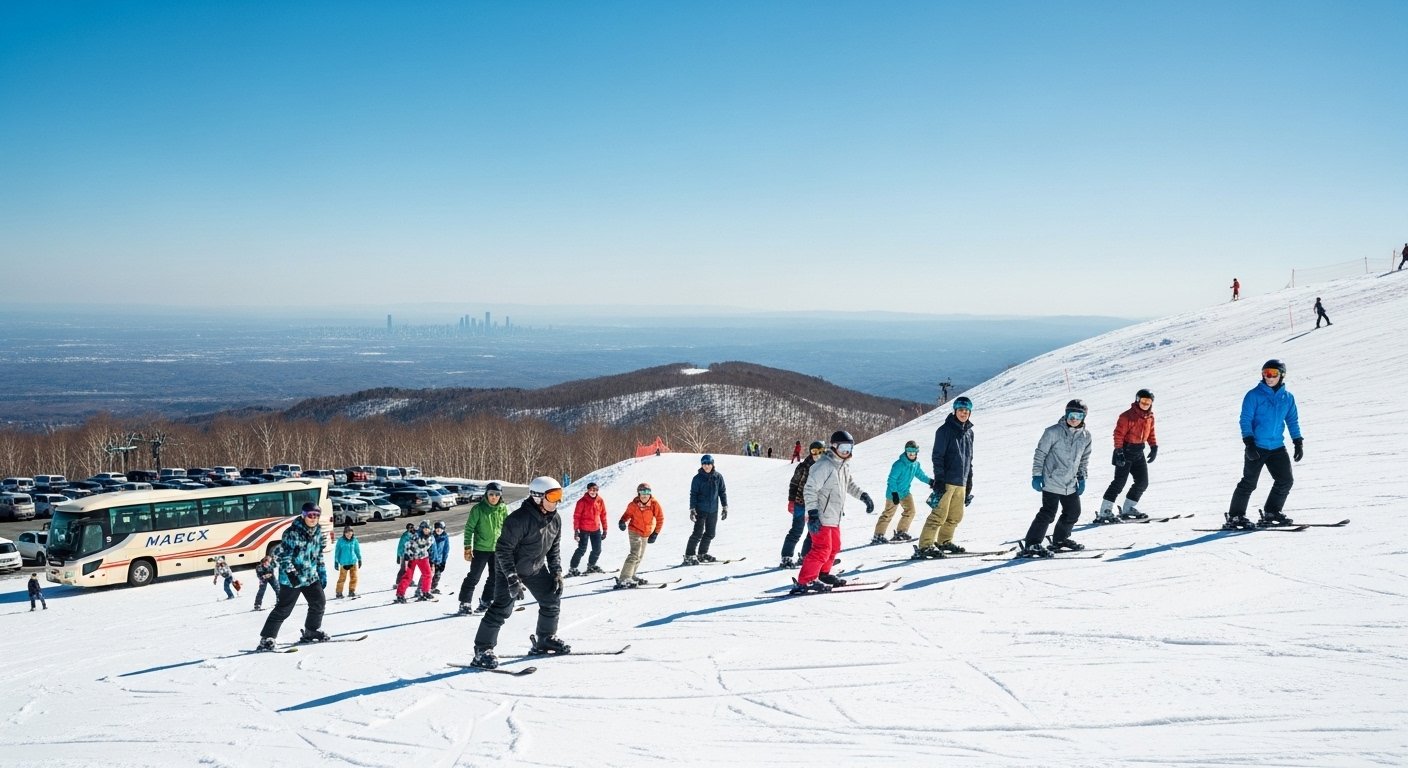
*Images used in this article are for illustration only. They may not be directly related to the content.
Conquer Winter Near Tokyo: Your Guide to Gear, Transport & Beginner-Friendly Snowshoe Trails
Planning a winter trip to Tokyo often conjures images of city lights or ski slopes. But what if you seek a quieter, more direct engagement with Japan’s snowy landscapes without committing to a full ski trip? Many international visitors struggle with where to find accessible non-skiing winter activities, how to acquire specialized gear, navigate public transport to snowy areas, and ensure safety in unfamiliar environments.
This guide removes that friction. We will provide practical, on-the-ground information for planning your winter snowshoeing or hiking trip near Tokyo. You will learn where to find beginner-friendly trails, how to rent essential gear, master public transport logistics, and navigate safely, allowing you to experience Japan’s winter beauty with confidence.
Table of Contents
- The Winter Challenge: Overcoming Common Hurdles
- Your Solution to Winter Exploration Near Tokyo
- 🇯🇵 Point & Speak: Essential Japanese Phrases
- 💰 Price Breakdown: Estimated Costs
- 📋 Quick Reference Card: Your Winter Day Trip Checklist
- Visual Step-by-Step: Navigating Stations and Stops
- 🎯 Pro-Tips for a Smooth Winter Trip
- Common Mistakes to Avoid on Your Winter Hike
- Frequently Asked Questions
- Conclusion
- Disclaimer
The Winter Challenge: Overcoming Common Hurdles
Experiencing Japan’s winter wilderness from Tokyo sounds appealing, yet many international visitors face specific challenges. The lack of specialized winter hiking or snowshoeing gear for cold, snowy conditions is a primary concern. You may not want to purchase expensive equipment for a single trip.
Beyond gear, finding accessible non-skiing winter outdoor activities close to major cities like Tokyo can be difficult. Information is often geared towards skiing or in Japanese only. Public transport logistics, involving a combination of trains and local buses, become complicated, especially when bus schedules are infrequent or seasonal. Lastly, navigating unfamiliar winter environments brings valid concerns about safety and finding English-friendly guidance.
Your Solution to Winter Exploration Near Tokyo
Japan offers extensive opportunities for winter activities beyond skiing, and many are within a day trip’s reach of Tokyo. The key is knowing where to look and how to prepare.
Getting Your Gear: Rentals and Essentials
You do not need to pack heavy winter hiking gear from home. Snowshoe rentals are widely available at major winter recreation areas, ski resorts, and visitor centers across Japan. This includes modern snowshoes and sometimes traditional “wakanjiki” shoes.
Where to find rentals:
- Local Visitor Centers: When you arrive at your chosen mountain area, head to the main visitor center. They often have rental counters or can direct you to nearby shops. Look for signs with ‘貸出’ (kashidashi, ‘for rent’) or ‘レンタル’ (rentaru, ‘rental’).
- Ski Resorts: Even if you aren’t skiing, many resorts that offer snowshoe trails will have rental facilities.
- Guided Tour Operators: Many snowshoe tours include gear rental as part of their package. This is often the most convenient option.
Essential Gear to Bring or Rent:
- Snowshoes and Poles: Rent locally. Poles are crucial for balance and stability.
- Waterproof and Insulated Boots: Essential for keeping your feet dry and warm. Some rental shops may offer these.
- Waterproof Outerwear: Jacket and pants are vital. Snow is wet.
- Warm Layers: Base layers (wool or synthetic), fleece, and an insulating mid-layer. Avoid cotton.
- Hat, Gloves/Mitts, Scarf/Neck Gaiter: Protect against cold and wind.
- Sunglasses/Goggles: Snow glare can be intense.
- Backpack: To carry water, snacks, extra layers, and first-aid.
- Thermos with Hot Drink: A warm beverage can be a morale booster in cold conditions.
Finding Beginner-Friendly Snowshoe Trails Near Tokyo
The Kanto area, encompassing Tokyo, offers hiking trails suitable for various skill levels, including designated snowshoe trails during winter.
Recommended Areas for Winter Outdoor Recreation:
- Nikko (Tochigi Prefecture): Known for its historical sites, Nikko also boasts beautiful winter landscapes. Areas like Oku-Nikko (Inner Nikko) offer beginner-friendly snowshoeing, especially around Lake Chuzenji and Senjogahara Marsh. Many local guesthouses or activity centers can provide guidance or tours.
- Hakone (Kanagawa Prefecture): While primarily known for hot springs and views of Fuji, some higher altitude areas in Hakone might offer short, accessible winter walks after light snowfall. Always check local conditions.
- Fuji Five Lakes Region (Yamanashi Prefecture): The areas around Kawaguchiko offer stunning views of Mt. Fuji, and nearby forests can have gentle slopes suitable for snowshoeing after snowfall. Some local guides offer tours.
- Gunma Prefecture (e.g., Minakami): Further afield but still accessible, Minakami is a popular outdoor activity hub. Several tour operators here offer guided snowshoeing experiences for all levels, often including gear.
For beginner-friendly trails, look for locations that explicitly mention “beginner slopes,” “gentle trails,” or “family courses.” Always consult local visitor centers upon arrival for the most current trail conditions and recommendations. Some trails may be groomed, while others require breaking trail through fresh snow.
Mastering Public Transport to Snowy Mountains
Access to winter mountain areas from Tokyo is primarily via public transport. This typically involves a combination of JR or private railway lines, followed by local bus services.
- Train Travel: Use JR East or private railway lines (like Tobu for Nikko, Odakyu for Hakone, Fuji Kyuko for Fuji Five Lakes). Plan your train journey using online tools such as Japan Travel by NAVITIME or Jorudan. Consider a JR Pass or regional pass if you plan extensive train travel, as express and Shinkansen tickets can be expensive.
- Local Bus Services: This is the crucial last leg. In winter, bus schedules to mountainous areas can be infrequent, reduced, or even seasonal.
- Check Schedules in Advance: Use the relevant local bus company website (often in Japanese) or ask at a major tourist information center in Tokyo before you depart.
- Know the Last Bus: Always confirm the time of the last bus returning to the train station to avoid being stranded.
- Visual Cue: Bus stops in mountainous winter areas may be simple poles with a timetable (時刻表 – jikokuhyō), often exclusively in Japanese. Match the bus number and departure time.
- Booking Tours with Transport: Some tour operators offer packages that include transport from a major hub, simplifying logistics. This is often the least stressful option for first-timers.
Safety First: Guidance and Local Support
Safety is paramount, especially in unfamiliar winter environments.
- Guided Tours: For beginners or those concerned about navigation and safety, engaging with a guided tour is highly recommended. Many tour operators offer English-speaking guides. They provide local expertise, handle logistics, and ensure your safety. Look for examples like Canyons Japan (Minakami) or Evergreen Outdoor Center (Hakuba – further but an example of a good operator).
- Local Visitor Centers: Upon arrival, always visit the local tourist or visitor information center. They provide up-to-date trail conditions, weather forecasts, and advice. They can also recommend suitable routes based on your experience and current snow depth.
- Weather Checks: Japanese mountain weather is variable. Always check the Japan Meteorological Agency (JMA) for the latest forecasts and warnings (heavy snow, strong winds, temperature drops) the day before and on the morning of your trip.
- Tell Someone Your Plans: Inform your accommodation staff or a friend about your planned route and expected return time.
- Trail Markers: Winter trail markers are typically tall, brightly colored poles (e.g., red, orange, yellow) or flags, positioned high enough to be visible above deep snow. They may have reflective elements for low light conditions. Stay on marked trails.
🇯🇵 Point & Speak: Essential Japanese Phrases
Show this section to staff if you’re stuck. They can read the Japanese.
English: Snowshoe rental, please.
スノーシューのレンタルをお願いします。
(Sunōshū no rentaru o onegai shimasu.)
English: Where is the snowshoe trail for beginners?
初心者向けのスノーシューコースはどこですか?
(Shoshinsha-muke no sunōshū kōsu wa doko desu ka?)
English: Is there an English-speaking guide?
英語を話せるガイドはいますか?
(Eigo o hanaseru gaido wa imasu ka?)
English: What time is the last bus to the station?
駅へ行く最終バスは何時ですか?
(Eki e iku saishū basu wa nanji desu ka?)
English: Do you have a map of the trails?
コースの地図はありますか?
(Kōsu no chizu wa arimasu ka?)
💰 Price Breakdown: Estimated Costs
Winter outdoor activities can incur significant costs. Anticipate these expenses when planning your budget.
💰 Price Breakdown
| Item | Cost (per person, per day, approximate) |
| Train (Round Trip from Tokyo, e.g., to Nikko/Kawaguchiko) | ¥4,000-¥10,000 (Non-Shinkansen) |
| Local Bus (Round Trip) | ¥1,000-¥2,500 |
| Snowshoe & Pole Rental | ¥3,000-¥5,000 |
| Waterproof Boot Rental | ¥1,500-¥3,000 |
| Guided Snowshoe Tour (includes gear) | ¥10,000-¥20,000+ |
| Food & Drinks | ¥2,000-¥4,000 |
Prices verified as of January 2026. Note that these are estimates and can vary by location and operator.
📋 Quick Reference Card: Your Winter Day Trip Checklist
Screenshot or print this section for easy access while you’re on the go.
📋 Quick Reference Card
Screenshot or print this section for easy access:
- ✅ Check JMA Weather: Before and on the day of travel.
- ✅ Confirm Bus Schedules: Especially the last return bus.
- ✅ Layered, Waterproof Clothing: Bring your own, rent boots if needed.
- ✅ Gear Rental: Snowshoes & poles available at activity centers/resorts.
- ✅ Guided Tour? Recommended for safety & ease.
- ✅ Inform Others: Share your itinerary.
- ✅ Cash (Yen): Some remote areas prefer cash for buses/small shops.
- ✅ Offline Translation App: For communication and signs.
Visual Step-by-Step: Navigating Stations and Stops
Understanding visual cues at stations and bus stops will significantly reduce travel stress.
Step 1: Locate Train Ticket Machines or Counters
Visual cue: In major stations, look for JR East’s green ticket machines (みどりの券売機 – Midori no Kenbaiki) for long-distance tickets and reserved seats. These often have English language options. For private lines, look for orange or blue machines near their gates.
What to do: Select “English” if available, then choose your destination and purchase tickets. For round-trip, look for 往復 (ōfuku).
Step 2: Finding Your Bus Stop
Visual cue: Once you arrive at your destination train station, exit and look for signs directing you to the ‘Bus Terminal’ (バスターミナル – Basutāminaru) or ‘Bus Stop’ (バス停 – Basutei). In smaller towns, bus stops might be simple poles.
What to do: Match the bus stop number or route number with your pre-checked schedule. Timetables (時刻表 – jikokuhyō) are usually posted at the stop. Confirm the destination by looking for kanji you recognize or showing your destination to a local.

Step 3: Recognizing Trail Markers
Visual cue: On snowshoe trails, look for tall, brightly colored poles or flags. These are typically red, orange, or yellow and extend above typical snow depths. They might have reflective elements for visibility in low light.
What to do: Follow these markers. Do not deviate from the marked trail, especially in deep snow or poor visibility. If markers are sparse, consult your map and retrace if unsure.

🎯 Pro-Tips for a Smooth Winter Trip
🎯 Local Pro-Tip: Language & Logistics: While major tourist spots often have English, remote mountain areas may not. Prioritize pre-booking tours with confirmed English-speaking guides. For public transport, have screenshots of bus schedules and train routes on your phone. Utilize offline translation apps for understanding signs and basic communication. Knowing a few key Japanese phrases (like those in our Point & Speak section) can be incredibly helpful.
🎯 Local Pro-Tip: Seasonal Considerations: The snowshoeing season in Japan typically runs from November to early May, but peak conditions for most Kanto-accessible areas are usually January to March. Always start your hike early. Daylight hours are shorter in winter, and you need ample time to complete your activity and catch your return transport before dark. Unexpected heavy snow can cause road closures and bus cancellations, so maintain flexibility in your plans.
🎯 Local Pro-Tip: Budgeting Wisely: Train travel in Japan can be a significant expense. If your itinerary includes multiple long-distance train journeys, research Japan Rail Passes or regional passes to see if they offer savings. Bringing your own high-quality waterproof outerwear, warm layers, and sturdy, waterproof hiking boots can significantly reduce daily gear rental costs. Look for package deals if booking a guided tour, as they often combine gear and transport.
Common Mistakes to Avoid on Your Winter Hike
Avoid these pitfalls to ensure a smoother, safer winter adventure near Tokyo:
- Not Checking Weather Forecasts: Mountain weather can change rapidly. Failing to check the Japan Meteorological Agency (JMA) warnings for heavy snow, strong winds, or temperature drops is a significant risk.
- Underdressing or Overdressing: Wearing cotton layers will absorb sweat and make you cold. Not having sufficient waterproof or windproof outer layers leaves you vulnerable to the elements. Conversely, too many heavy layers can lead to overheating and excess sweating. Stick to breathable, wicking base layers and insulated, waterproof outer shells.
- Missing the Last Bus: Public transport schedules in rural, mountainous areas are often infrequent, especially in winter. Missing the last bus can leave you stranded without local accommodation.
- Not Informing Anyone of Your Plans: Even for a “beginner” trail, winter environments carry inherent risks. Always tell your hotel staff, a friend, or family your planned route, estimated departure, and return times.
- Underestimating Dehydration: Cold weather can mask thirst. You still need to drink plenty of water. Pack a thermos with hot water or tea to stay hydrated and warm.
- Ignoring Local Advice: Local visitor centers and guides provide invaluable, up-to-date information on trail closures, conditions, and avalanche risks. Always heed their warnings and recommendations.
Frequently Asked Questions
Can I rent snowshoes in Japan, especially near Tokyo?
Yes, snowshoe rentals are widely available at major winter recreation areas, ski resorts, and local visitor centers, including locations accessible from Tokyo. Look for signs indicating ‘レンタル’ (rentaru) or ‘貸出’ (kashidashi).
Are there English-speaking snowshoe guides available near Tokyo?
Yes, several outdoor activity tour operators, particularly in popular tourist areas like Nikko or Minakami, offer guided snowshoe tours with English-speaking guides. It’s recommended to book these tours in advance to confirm language availability.
What is the best time for snowshoeing in Japan near Tokyo?
The snowshoeing season typically runs from late November to early May, depending on altitude and annual snowfall. For areas near Tokyo, January to March generally offers the most reliable snow conditions for snowshoeing.
How do I get to winter hiking spots near Tokyo using public transport?
Most winter mountain areas are accessible via a combination of JR or private railway lines from Tokyo, followed by local bus services. Planning ahead for train and especially bus schedules is crucial, as winter services can be infrequent. Utilize apps like Japan Travel by NAVITIME for route planning.
What essential gear do I need for winter hiking or snowshoeing in Japan?
Beyond rented snowshoes and poles, you’ll need waterproof and insulated boots, waterproof outerwear (jacket and pants), warm base layers (non-cotton), mid-layers, a hat, gloves, and sunglasses. A backpack for water, snacks, and extra layers is also essential.
Conclusion
Exploring Japan’s winter wonderland near Tokyo through snowshoeing or hiking is a rewarding experience within reach. By understanding gear rental options, navigating public transport, identifying beginner-friendly trails, and prioritizing safety, you can transform a challenging prospect into a memorable adventure.
Don’t let logistics deter you from experiencing the serene beauty of Japan’s snowy landscapes. Plan your trip with confidence, armed with this practical guide. Embrace the cold, and discover a different side of Japan.
Disclaimer
Winter outdoor activities carry inherent risks, including but not limited to hypothermia, frostbite, falls, and getting lost. Weather conditions in mountain areas can change rapidly and severely. This guide provides general information only. Always exercise caution, prepare thoroughly, check local conditions and warnings, and consider hiring a professional guide, especially if you are new to winter hiking or unfamiliar with the area. Your safety is your responsibility.